
 By admin
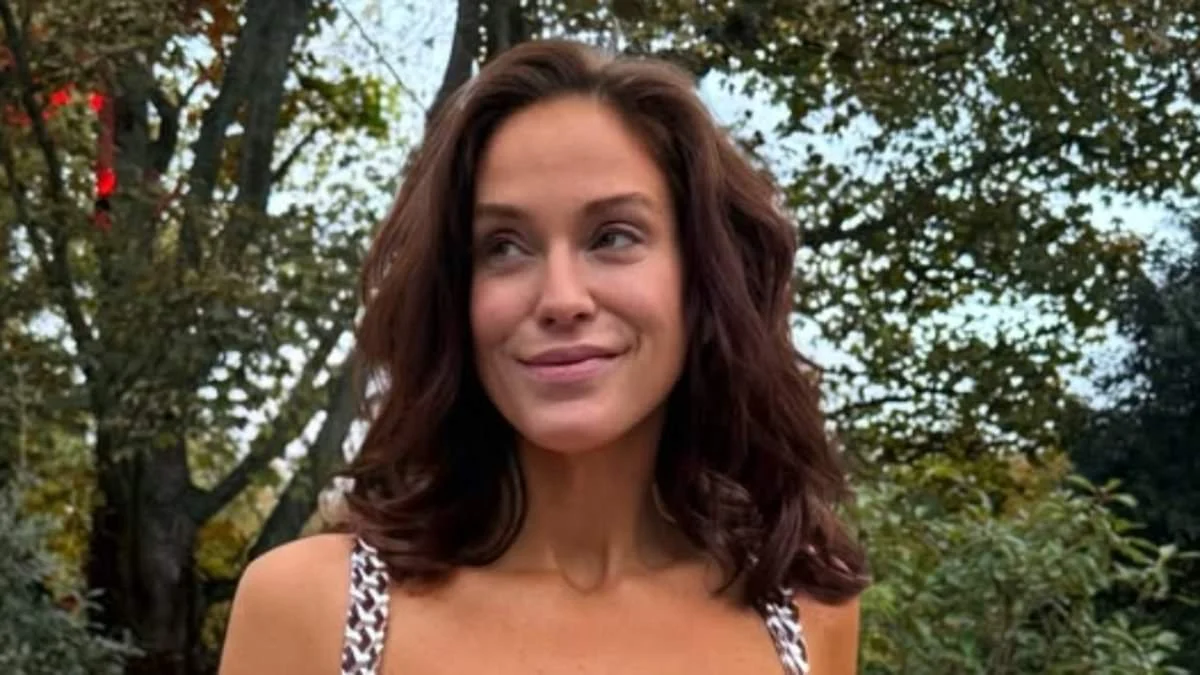
The television personality and former Geordie Shore star Vicky Pattison has publicly signaled a strategic shift in her long-term residential plans, indicating a desire to relocate from London to her native North East. Over the weekend of November 7, 2026, the 38-year-old media figure shared insights into what she described as "Operation Make Ercan Fall in Love with the Toon," an effort to convince her husband, Ercan Ramadan, of the merits of a permanent move to Newcastle and its surrounding regions. This potential transition comes as Pattison prepares for the complexities of motherhood, a journey further complicated by her recent diagnosis of Attention Deficit Hyperactivity Disorder (ADHD) and a multi-year fertility preservation process.
During a recent excursion to the Serenity Spa at Seaham Hall, located just outside Newcastle, Pattison documented the couple’s exploration of the region’s amenities, including visits to local landmarks and the popular STACK Newcastle social hub. The visit served a dual purpose: a period of recuperation and a calculated attempt to showcase the North East’s lifestyle advantages to Ramadan, whose family is based in London. Having resided in the capital for over a decade, Pattison expressed that the prospect of raising a family without the immediate proximity of her mother and sister has become a significant source of apprehension.
The Regional Migration Strategy and Escape to the Country
Pattison’s public discussion regarding a northern relocation is not merely anecdotal; it follows her participation in the long-running BBC program Escape to the Country. Filmed during the summer of 2026 and scheduled for broadcast during the Christmas season, the episode documents the couple’s search for a property that accommodates their evolving needs. The move reflects a broader demographic trend in the United Kingdom, often referred to as the "London Exodus," where professionals in their late 30s and early 40s seek regional hubs for better quality of life and family support networks.
In her communication with followers, Pattison noted that while she appreciates the life and professional success she has cultivated in London over the past 12 years, the pull of her "home town" has intensified. This sentiment is particularly poignant as she and Ramadan actively work toward expanding their family. For Pattison, the North East represents not just a sentimental return to her roots, but a logistical necessity for the support system required of a first-time mother.
Navigating Neurodiversity: The ADHD Diagnosis at 38
A pivotal factor in Pattison’s recent life choices is her June 2026 diagnosis of Attention Deficit Hyperactivity Disorder (ADHD). This neurodevelopmental condition, characterized by persistent patterns of inattention, hyperactivity, and impulsivity, is increasingly being diagnosed in adult women who may have spent decades "masking" their symptoms. Pattison’s decision to seek a formal diagnosis was motivated by a desire for self-understanding before entering the demanding phase of early parenthood.
In a recent interview with Women’s Health, Pattison articulated the challenges of managing neurodiversity without the aid of medication. She expressed concern that the hormonal and lifestyle shifts associated with pregnancy and motherhood could act as a "catalyst" for mental health struggles. Her use of the term "rawdogging"—a colloquialism for navigating life or health conditions without traditional pharmacological support—highlights a growing discourse among women in their 30s and 40s who find their coping mechanisms failing as life responsibilities increase.
Medical experts suggest that Pattison’s experience is representative of a "lost generation" of women. Historically, ADHD was viewed primarily as a male-centric childhood disorder. Consequently, many women were misdiagnosed with anxiety or depression, or simply labeled as "scatterbrained," until the pressures of career and family in mid-life made their symptoms impossible to ignore. By being vocal about her diagnosis, Pattison contributes to a wider cultural shift toward destigmatizing neurodivergence in the professional and domestic spheres.
Fertility Advocacy and the Egg Freezing Journey
The move toward motherhood has been a deliberate and highly managed process for Pattison. Now 38, she has been a vocal advocate for fertility awareness, documenting her egg-freezing journey which began at age 35. This process was chronicled in her documentary series, Vicky Pattison: Maybe, Baby?, which explored the physical, emotional, and financial toll of assisted reproductive technology (ART).
The couple has successfully frozen three embryos, a milestone Pattison describes as the "best decision" of her life, second only to her marriage. Her advocacy extends to the accessibility of these treatments. In her public statements, she has expressed a hope for a future where fertility preservation is more affordable and readily available to all women, regardless of their financial status.
Data from the Human Fertilisation and Embryology Authority (HFEA) indicates a significant rise in egg freezing in the UK, with a 64% increase reported between 2019 and 2021. However, the success rates of such procedures are heavily dependent on the age at which the eggs are harvested. By starting the process at 35, Pattison positioned herself within a window that provides a higher statistical probability of successful future implantation. Her openness regarding the "backup plan" of frozen embryos provides a realistic look at the modern intersection of career, late-life partnership, and biology.
Socio-Economic and Emotional Drivers of Relocation
The decision to move back to Newcastle is underpinned by socio-economic factors that resonate with many in Pattison’s demographic. While London remains the primary hub for the UK entertainment industry, the rise of remote work and regional production hubs—such as those in Manchester and Leeds—has made it more feasible for media personalities to reside outside the M25.
Furthermore, the emotional weight of "homesickness," as cited by Pattison, is often exacerbated by the "sandwich generation" pressure, where adults find themselves simultaneously planning for new children while considering the proximity of aging parents. For Pattison, the presence of her mother and sister in the North East offers a traditional childcare support structure that is often prohibitively expensive or logistically impossible to replicate in London.
Her "Operation Make Ercan Fall in Love with the Toon" involved a curated tour of the region’s modern developments, such as the STACK shipping container social hub, which represents the North East’s urban regeneration. By framing the North East as a vibrant, modern alternative to London rather than just a quiet retreat, Pattison is attempting to bridge the gap between her husband’s London-centric life and her own regional identity.
Implications and Public Impact
Vicky Pattison’s transition from a high-octane reality star to a health and fertility advocate reflects a significant evolution in her public persona. Her willingness to share the "unfiltered" aspects of her life—from the bloating associated with hormone injections to the vulnerability of an ADHD diagnosis—has garnered her a dedicated following that views her as a relatable figure for the modern British woman.
The implications of her journey are twofold. First, her advocacy for ADHD awareness encourages other women to seek diagnostic clarity, potentially reducing the long-term impact of untreated neurodivergence. Second, her transparency regarding fertility treatments helps to demystify a process that is often shrouded in secrecy or shame, providing a roadmap for others navigating similar paths.
As the Christmas broadcast of Escape to the Country approaches, public interest in the couple’s final decision regarding their residence is expected to peak. Whether they choose the rolling hills of Northumberland or a suburban enclave in Newcastle, the move will mark a new chapter for Pattison—one defined by a return to family, the management of her neurological health, and the long-awaited commencement of motherhood.
In the interim, Pattison remains focused on her health and fitness, noting that her current regime is geared toward being the "healthiest version" of herself for her future children. This holistic approach to her physical and mental well-being, combined with a strategic relocation, suggests a well-considered plan to balance the demands of a high-profile career with the foundational needs of a growing family. The "Newcastle Diaries" may well be the first entries in a broader narrative of regional homecoming and personal reclamation.
