
 By Jia Lissa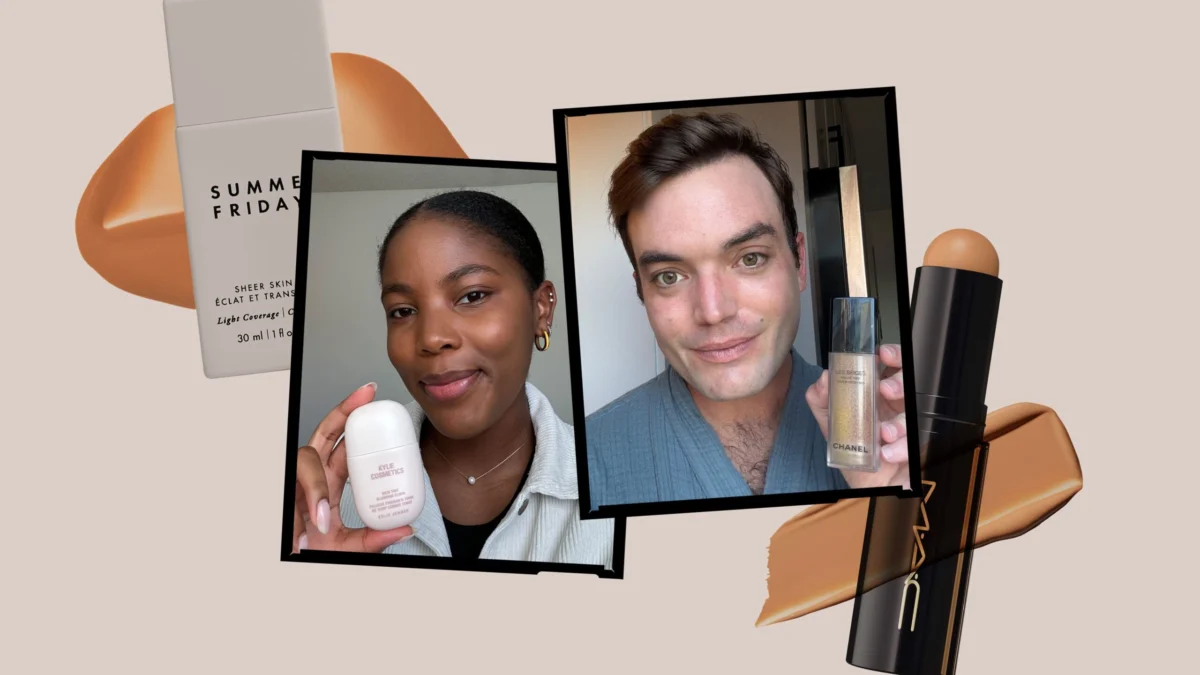
The beauty industry is in constant evolution, offering consumers an ever-expanding array of products designed to enhance natural features and address specific skincare concerns. Among the most frequently discussed base makeup categories are foundation and skin tint. While both aim to create a more uniform complexion, their fundamental differences lie in pigment intensity, formulation, and the inclusion of skincare benefits. Understanding these distinctions is crucial for consumers seeking to make informed choices that align with their individual needs and desired aesthetic outcomes. This in-depth exploration delves into the core differences between foundation and skin tint, examines the beneficial ingredients found in skin tints, and sheds light on the rigorous testing and editorial processes employed by publications like Allure to guide consumers.
The Core Distinctions: Coverage and Composition
The primary differentiator between foundation and skin tint is the level of pigment they contain. Foundations are engineered to provide more substantial coverage, effectively masking imperfections, evening out skin tone significantly, and offering a more transformative effect on the complexion. This higher pigment concentration, however, can sometimes lead to a heavier feel on the skin. Furthermore, certain foundation formulations, particularly those with a high powder content, can be prone to settling into fine lines and wrinkles, an aspect particularly relevant for individuals with mature skin. This is why dermatologists and makeup artists often emphasize the importance of selecting foundations specifically formulated for mature skin, which may incorporate hydrating ingredients or have a lighter texture to avoid accentuating signs of aging.
In contrast, skin tints are characterized by their sheer to light coverage. Their primary purpose is not to conceal but to subtly enhance the skin’s natural appearance, providing a sheer wash of color that evens out minor discolorations and imparts a healthy glow. A key advantage of skin tints lies in their frequent incorporation of skincare-focused ingredients. These formulations often go beyond mere cosmetic enhancement, actively contributing to skin health. This makes them an appealing option for individuals who prefer a minimalist approach to makeup or those with drier or more mature skin types who are wary of heavy, occlusive products that might exacerbate dryness or appear cakey.
The strategic use of both product types is also a recognized practice within the beauty community. As New York City-based makeup artist Tommy Napoli has noted, a skin tint can serve as an excellent priming step, creating a smooth and even canvas. This can then be followed by targeted application of foundation and concealer to areas requiring additional coverage, allowing for a customized approach to achieving both a natural-looking base and a perfected finish. For those opting for fuller coverage achieved through this layered method, the use of a translucent setting powder is often recommended to ensure longevity and prevent unwanted movement of the makeup throughout the day.
The Skincare Advantage: Ingredients to Seek in Skin Tints
The "tint" in skin tint often signifies a formulation that prioritizes skin health alongside cosmetic enhancement. This is reflected in the common inclusion of active skincare ingredients that offer tangible benefits beyond simple color correction. When evaluating a skin tint, consumers will frequently encounter ingredients lauded for their hydrating, brightening, and barrier-supporting properties.
Hyaluronic acid is a standout ingredient in many skin tints. This powerful humectant has an exceptional ability to attract and retain moisture, contributing to increased skin hydration, resilience, and a plumper appearance. Dr. Doris Day, a board-certified dermatologist based in New York City, has previously highlighted hyaluronic acid’s role in maintaining skin’s suppleness and firmness. Its presence in a skin tint can offer a dual benefit: immediate cosmetic smoothing and long-term hydration.
Squalane is another emollient that is increasingly found in skin tint formulations. Derived from squalene, a lipid naturally found in human skin, squalane is highly compatible with the skin’s own sebum. It is particularly beneficial for individuals experiencing compromised skin barrier function or increased transepidermal water loss. Dr. Samantha Fisher, a board-certified dermatologist in Palm Beach, Florida, explains that squalane aids in addressing these concerns by reinforcing the skin’s natural defenses and preventing moisture evaporation. Its odorless nature and biocompatibility make it suitable for all skin types, including sensitive skin, offering a comforting and restorative effect.
Niacinamide, a form of Vitamin B3, is another sought-after ingredient. Dr. Hadley King, a New York City-based board-certified dermatologist, has praised niacinamide for its multifaceted benefits. It is known to improve uneven skin tone by inhibiting melanin transfer, leading to a brighter complexion. Furthermore, niacinamide plays a crucial role in enhancing the skin’s natural production of ceramides. Ceramides are essential lipids that form the outermost layer of the skin, acting as a barrier to prevent moisture loss and protect against environmental aggressors. By boosting ceramide levels, niacinamide helps to strengthen the skin barrier, improve hydration, and reduce redness.
The inclusion of mineral sunscreens, such as non-nano zinc oxide, is also a positive attribute in some skin tints, offering a layer of sun protection. However, it is crucial to note that relying solely on SPF-infused makeup for adequate sun protection is generally not recommended by dermatologists. Experts consistently advise the application of a dedicated broad-spectrum sunscreen with an SPF of 30 or higher as a foundational step in any skincare and makeup routine, irrespective of whether the makeup itself contains SPF. This ensures comprehensive and consistent protection against harmful UV rays.
Rigorous Evaluation: The Allure Approach to Product Testing
Publications like Allure employ a meticulous and multi-faceted approach to product testing and review, aiming to provide consumers with reliable and actionable information. This process is designed to go beyond superficial assessments, delving into the efficacy, safety, and overall user experience of beauty products. The editorial team, comprised of experienced writers and editors, is augmented by a diverse group of external testers and industry experts, including dermatologists, cosmetic chemists, and makeup artists.
The review process begins with a thorough examination of product ingredients. This involves scrutinizing the formulation for beneficial actives, potential irritants, and the overall scientific validity of brand claims. Where applicable, peer-reviewed scientific and medical studies are consulted to support or challenge product efficacy. Each product undergoes extensive in-house testing, where editors assess its performance across several key categories.
For skin tints specifically, Allure‘s evaluation typically focuses on five primary areas: product ingredients and efficacy (how well it performs its intended function and the benefits of its components), packaging (usability, sustainability, and aesthetic appeal), fragrance (presence and quality), texture (how it feels on the skin, blendability, and finish), and product wear (longevity, how it holds up throughout the day, and how it interacts with the skin over time). Products that are recommended must demonstrate excellence across all these criteria.
The involvement of experts is critical in this vetting process. Dermatologists provide insights into the dermatological benefits and potential contraindications of ingredients, while cosmetic chemists offer their expertise on formulation stability and performance. Makeup artists contribute their practical knowledge of application, wear, and compatibility with different skin types and concerns. This collaborative approach ensures that recommendations are grounded in both scientific understanding and real-world application.
Ensuring Inclusivity: Diverse Testers for Comprehensive Reviews
A cornerstone of Allure‘s product review philosophy is the commitment to inclusivity. Recognizing that beauty is a deeply personal experience and that products perform differently across a wide spectrum of individuals, the publication prioritizes diversity in its testing panels. This means actively seeking opinions and feedback from a broad range of testers representing various ages, skin tones, hair textures, genders, and backgrounds.
The rationale behind this approach is straightforward: a product cannot be universally deemed "the best" if it has only been tested on a narrow demographic. For instance, a skincare product marketed for mature skin would not be adequately reviewed if the testing pool consisted solely of individuals under 30. Similarly, a hair product’s efficacy for curly hair cannot be accurately assessed without input from individuals with that specific hair texture.
Allure proudly highlights that its internal staff reflects this diversity, and this principle extends to its external testing network. This comprehensive and varied testing methodology allows the publication to provide fair and accurate assessments, ensuring that its recommendations are relevant and trustworthy for the widest possible audience. This dedication to rigorous testing and diverse perspectives underscores the publication’s commitment to serving its readers by guiding them toward products that genuinely meet their needs and expectations. The detailed exploration of foundation versus skin tint, and the emphasis on beneficial ingredients, exemplifies this commitment to consumer education and empowerment in the complex landscape of modern beauty.
