
 By admin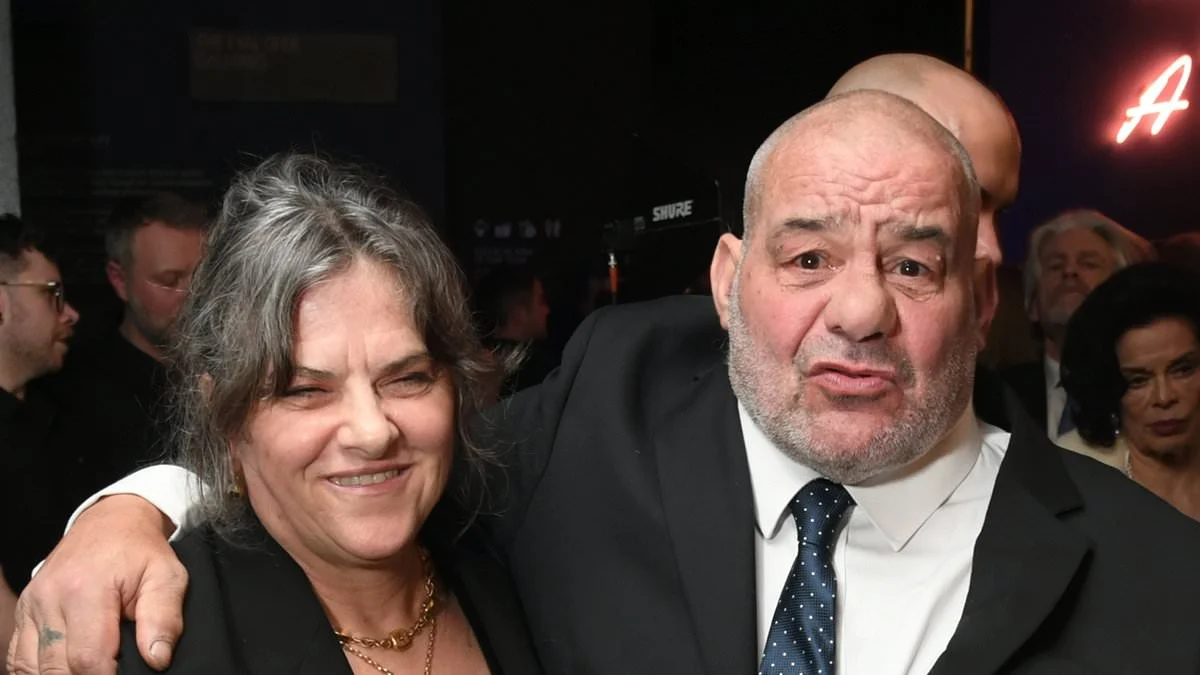
The internationally acclaimed British artist Tracey Emin has announced the death of her elder brother, Alan, marking a period of profound personal loss that coincided with a severe health crisis. Emin, 63, revealed the news via a poignant social media update, disclosing that her brother passed away while she was undergoing treatment in a hospital for life-threatening complications, including sepsis and an acute flare-up of diverticulitis. This latest development adds a heavy emotional burden to the artist’s ongoing battle with the long-term physical consequences of aggressive bladder cancer, a diagnosis she first received six years ago.
The artist, a leading figure of the Young British Artists (YBA) movement and a Royal Academician, described a harrowing two-week period during which she felt "smashed with a sledgehammer." Despite the sudden nature of the news, Emin noted that she had a sense of the impending loss, describing her brother as a "kind and gentle soul" who has now found peace. Her public disclosure has once again brought to the forefront the intersection of her private suffering and her public persona, as she continues to document the realities of aging, illness, and mortality with the same unflinching honesty that defined her early career.
A Double Blow: Personal Loss and Medical Emergency
The timing of Alan Emin’s death was particularly distressing, occurring as the artist was confined to a hospital bed. Emin spent eight days in a clinical facility after suffering from a series of persistent infections that eventually escalated into borderline sepsis. Sepsis is a medical emergency characterized by the body’s extreme response to an infection; without prompt treatment, it can lead to rapid tissue damage, organ failure, and death. For a patient with Emin’s medical history—specifically one who has undergone radical pelvic surgery—such infections are treated with the highest level of urgency.
Concurrent with the sepsis, Emin suffered an acute attack of diverticulitis, a condition where small, bulging pouches (diverticula) that can form in the lining of the digestive system become inflamed or infected. The condition causes severe abdominal pain, fever, and nausea, and in its acute form, it can lead to complications such as perforations in the colon or abscesses. Emin described the physical toll as leaving her "broken, trampled, [and] cursed," noting that the cumulative weight of heartbreak and physical pain had become almost unbearable.
In her statement, Emin reflected on her brother’s passing with a mixture of grief and acceptance. "I loved my brother Alan very much," she wrote. "I know he is where he wants to be. I keep trying to tell myself the loss and sadness is mine. He is soaring high in a much better place." She suggested that her brother’s departure might have been a relief from what she characterized as "the cruelest of worlds," a sentiment reflecting her current state of physical and emotional exhaustion.
The Long Road of Recovery: Cancer and Radical Surgery
To understand the severity of Emin’s current health struggles, it is necessary to look back at the medical journey she began in 2020. During the height of the COVID-19 lockdowns, Emin was diagnosed with an aggressive form of bladder cancer. The prognosis necessitated a series of life-altering operations that transformed her physical existence.
To prevent the spread of the tumor, surgeons performed a radical cystectomy. This complex procedure involved the removal of Emin’s bladder, as well as her urethra, lymph nodes, and parts of her intestine and vagina. In women, this surgery often involves the removal of the uterus, fallopian tubes, and ovaries as well. The removal of these organs necessitated the creation of a stoma—an opening on the abdomen that allows waste to leave the body. Emin was fitted with a urostomy bag, a permanent external pouch used to collect urine.
Since the surgery, Emin has been a vocal advocate for "stoma visibility," challenging the stigma associated with the device. She has frequently shared images of her bag on social media, describing it as "live flesh" and "fragile." While she has admitted that wearing the bag can be "depressing," she remains steadfast in her acknowledgment that the device is the only reason she is still alive. The recent bout of sepsis and diverticulitis is a reminder of the ongoing vulnerability of her digestive and urinary systems following such extensive surgical intervention.
Medical Context: Sepsis and Diverticulitis in Post-Cancer Patients
The medical community recognizes that survivors of radical cystectomies are at a higher risk for urinary tract infections (UTIs) and subsequent sepsis. Because the urinary system has been reconstructed using a piece of the bowel (a procedure known as an ileal conduit), the natural barriers against bacteria are altered. If an infection moves from the urostomy into the bloodstream, sepsis can occur rapidly.
Diverticulitis, while common in older adults, presents additional challenges for patients who have had significant portions of their pelvic organs removed or their intestines repositioned. The inflammation associated with diverticulitis can cause internal scarring and adhesions, which may further complicate the function of a stoma. Emin’s description of "one infection after another" suggests a cycle of immune system depletion, a common struggle for those recovering from major oncological surgeries.
Statistics from the NHS and the UK Sepsis Trust indicate that sepsis claims approximately 50,000 lives annually in the UK. Early intervention is critical, and Emin’s eight-day hospital stay suggests that her condition required intensive intravenous antibiotic therapy and monitoring to prevent septic shock.
The "Golden Shield": A Defiant Response to Adversity
Despite the physical and emotional trauma, Emin’s public response has been one of characteristic defiance. She utilized the metaphor of a "giant golden shield and breastplate" to describe her psychological preparation for the future. "I’m going to polish them so bright that the whole world reflects," she stated, suggesting a return to the "armor" of her artistic identity to ward off further misfortune or "hexes."
This language of protection and battle is consistent with Emin’s career-long approach to trauma. From her early works like "My Bed"—which displayed the remnants of a depressive episode—to her more recent paintings that explore the "ghosts" of her internal organs, Emin has used her own body as a primary site of artistic inquiry. Critics have noted that her work since her cancer diagnosis has become more ethereal and focused on the transition between life and death, themes that are likely to be deepened by the loss of her brother.
Supporting Data and Broader Implications
The loss of a sibling can have profound health implications for the surviving sibling, particularly when that individual is already dealing with chronic illness. Research into the "bereavement effect" suggests that the stress of losing a close family member can temporarily weaken the immune system, potentially exacerbating existing conditions like diverticulitis or making the body more susceptible to infections like sepsis.
Furthermore, Emin’s openness about her urostomy bag and her "broken" body serves a significant public health function. Bladder cancer is the eleventh most common cancer in the UK, with roughly 10,000 new cases diagnosed each year. By documenting her journey, Emin provides a rare high-profile look at the realities of life after a radical cystectomy. Her transparency helps to demystify a condition that many patients feel forced to hide, potentially encouraging others to seek medical help earlier when symptoms of bladder cancer—such as blood in the urine—first appear.
Reactions from the Art World and Public
While Emin’s Instagram post was a personal dispatch, it resonated across the global art community. Colleagues and admirers have praised her resilience, noting that her ability to transform personal agony into a public narrative is what makes her one of the most significant artists of her generation. While there has been no official statement from the Royal Academy or her representing galleries regarding her brother’s passing, the outpouring of support on social media reflects the high esteem in which she is held.
The art world has watched Emin’s health struggles closely over the last four years. Her return to the spotlight, including a major exhibition at the Royal Academy and the opening of her own art school and foundation in Margate, was seen as a triumph over her 2020 diagnosis. This latest setback serves as a sobering reminder of the chronic nature of her recovery.
Conclusion: The Interplay of Grief and Art
Tracey Emin’s current situation is a testament to the fragility of the human condition, a theme she has explored for over three decades. The death of Alan Emin, occurring in the shadow of a life-threatening infection, marks a new chapter of "heavy weights" for the artist. However, her resolve to "polish her shield" suggests that she will continue to use her experiences as fuel for her creative output.
As she recovers from sepsis and mourns her brother, Emin remains a singular voice in contemporary culture—one who refuses to sanitize the messy, painful, and often "depressing" realities of the human body and the human heart. Her journey continues to be a public lesson in survival, resilience, and the transformative power of art in the face of mortality. For now, the artist focuses on healing, carrying the memory of her "kind and gentle" brother as she navigates the complexities of her ongoing health battle.
