
 By admin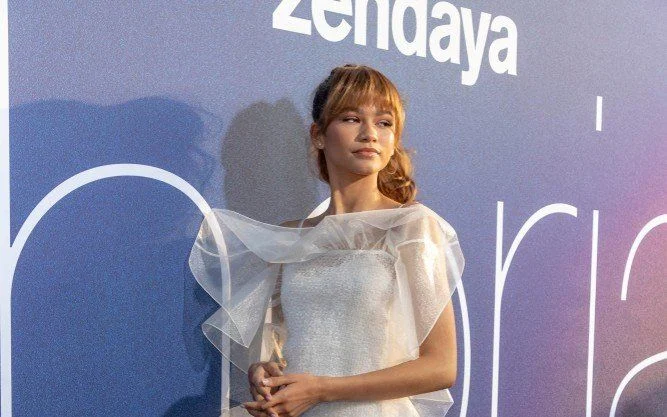
In a revelation that offers a fascinating glimpse into the high-stakes decisions of Hollywood’s elite, actor Tom Holland recently disclosed how his partner, Zendaya, played a decisive, albeit humorous, role in his commitment to Christopher Nolan’s highly anticipated adaptation of Homer’s The Odyssey. The British star, globally recognized for his portrayal of Spider-Man, found himself at a career crossroads, grappling with a direct scheduling conflict between Nolan’s epic and the next installment of his blockbuster Marvel franchise, Spider-Man: Brand New Day. This intricate dilemma, ultimately resolved with a crucial studio concession and a partner’s playful push, not only highlights Holland’s burgeoning influence but also underscores the strategic maneuvering required to assemble the casts of cinema’s biggest productions.
The Confluence of Blockbusters: Holland’s Pivotal Choice
During a joint interview with PEOPLE magazine, alongside The Odyssey co-stars Matt Damon, Anne Hathaway, and director Christopher Nolan, Holland recounted the extraordinary circumstances surrounding his casting as Telemachus, the steadfast son of Odysseus and Penelope. The offer from Nolan, a director synonymous with ambitious, thought-provoking blockbusters, represented a significant opportunity for Holland to expand his artistic range beyond the web-slinging superhero persona that has defined much of his recent career. Nolan’s filmography, including critically acclaimed and commercially successful features like Inception, The Dark Knight trilogy, Interstellar, and most recently, the Oscar-winning Oppenheimer, consistently demonstrates a commitment to grand narratives and cinematic innovation, making an invitation to join one of his projects a coveted honor for any actor.
However, the timing presented an unforeseen obstacle. Production for Spider-Man: Brand New Day, the latest chapter in Sony Pictures’ immensely profitable Spider-Man saga, was slated to commence on the very same day as Nolan’s The Odyssey. This direct clash forced Holland into an unenviable position: choosing between two tentpole projects, each promising significant career impact and global visibility. The Spider-Man franchise, which has collectively grossed billions worldwide, represents a cornerstone of Sony’s cinematic universe, while a Nolan epic carries immense prestige and potential for critical acclaim.
Zendaya’s Influential Intervention and Nolan’s Gratitude
Upon receiving Nolan’s offer, Holland, like many actors navigating complex career decisions, turned to his closest confidante, Zendaya. Their conversation, as Holland recounted it, quickly illuminated the gravity of the choice. "I’ve been offered this movie," he reportedly told her. Zendaya, an accomplished actress and fashion icon in her own right, immediately recognized the caliber of the opportunity presented by a Christopher Nolan production. Her response, delivered with characteristic wit, was unequivocal: "I’ll leave you if you don’t do The Odyssey."
This lighthearted yet firm declaration, shared with a chuckling panel and audience during the PEOPLE interview, underscored the perceived value of collaborating with Nolan. It was a clear signal of encouragement, subtly reinforcing the career-defining nature of the role. Nolan himself, present during the anecdote, expressed his gratitude to Zendaya, acknowledging her indirect but crucial role in securing Holland for his film. This moment not only provided a humorous highlight to the interview but also offered a rare glimpse into the personal dynamics that can influence major professional decisions in Hollywood. Zendaya’s input highlights the collaborative nature of their relationship and her astute understanding of the film industry’s landscape.
Navigating Studio Politics: Sony’s Strategic Concession
The challenge of Holland’s dual commitment was not merely a personal scheduling conflict but a complex logistical and contractual hurdle involving major studio interests. To participate in The Odyssey, Holland required an adjustment to the production schedule of Spider-Man: Brand New Day. This meant approaching Sony Pictures, the studio behind the Spider-Man franchise, to request a postponement of their highly anticipated film.
According to previous interviews with GQ, Holland personally engaged with Sony Pictures executive Tom Rothman to facilitate this critical schedule adjustment. Rothman, known for his strategic leadership in the film industry, faced a significant decision. Delaying a major franchise installment like Spider-Man carries substantial financial implications, affecting production budgets, marketing timelines, and release strategies. However, Sony ultimately approved the request, allowing Holland the flexibility to star in both high-profile productions.
This decision by Sony Pictures speaks volumes about Tom Holland’s standing as a global star and the studio’s investment in their relationship with him. It also suggests a recognition of the potential prestige and broader industry goodwill that could come from Holland collaborating with a director of Nolan’s stature. The goodwill generated by allowing a star to pursue diverse, acclaimed projects can solidify long-term relationships and enhance an actor’s overall marketability, ultimately benefiting the franchise they lead. The carefully orchestrated release dates—The Odyssey on July 17 and Spider-Man: Brand New Day on July 31—further demonstrate a coordinated effort to maximize audience engagement without direct competition, offering audiences a summer dominated by Holland’s cinematic presence.
Christopher Nolan’s Long-Standing Admiration for Holland
While Matt Damon and Anne Hathaway are established Nolan collaborators, Holland’s inclusion marks a fresh partnership for the acclaimed director. During the PEOPLE interview, Nolan articulated his long-standing admiration for Holland’s work, expressing a keen desire to collaborate with the actor for several years. This sentiment underscores Holland’s appeal beyond his superhero role, highlighting his versatility and talent recognized by one of cinema’s most respected auteurs.
Nolan also acknowledged the inherent difficulties in coordinating Holland’s demanding schedule, a testament to the actor’s intense workload and desirability in the industry. Despite these challenges, Nolan praised the cast’s ability to coalesce like a "family," creating what he described as one of the most rewarding productions of his career. This familial atmosphere, often cited by Nolan in his past projects, is a hallmark of his collaborative approach, fostering an environment where intricate narratives and ambitious visions can thrive.
The Dual Presence of Holland and Zendaya in Summer Cinema
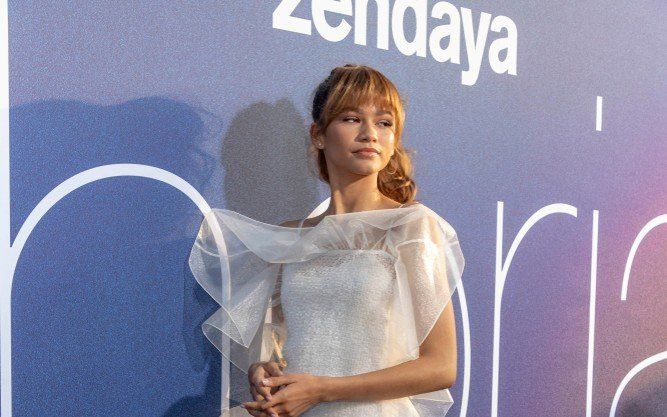
The summer cinematic landscape will not only feature Tom Holland in two major roles but will also reunite him on screen with Zendaya. In The Odyssey, Holland takes on the role of Telemachus, the courageous son embarking on his own journey while awaiting his father’s return. Zendaya, in a fascinating casting choice, embodies Athena, the Greek goddess of wisdom and strategic warfare, who often serves as a divine mentor to heroes in Homeric epics. Their shared presence in a Christopher Nolan film, particularly in roles steeped in classical mythology, offers a new dimension to their on-screen chemistry.
Beyond the mythological epic, the beloved duo will also reprise their iconic roles as Peter Parker/Spider-Man and MJ in Spider-Man: Brand New Day. Their partnership, which has blossomed both on-screen and off, has endeared them to a global fanbase, establishing them as one of Hollywood’s most popular couples. The simultaneous release of these films amplifies their collective star power and offers audiences a double dose of their dynamic.
In another delightful behind-the-scenes anecdote, Holland revealed Nolan’s thoughtful gesture of allowing him to be the first to inform Zendaya of her casting as Athena. Holland encouraged her to meticulously re-read the script, leading to her emotional realization that the significant role was hers. This personal touch further illustrates the close-knit and supportive environment cultivated during the production of The Odyssey, and the genuine bond between the cast members.
Implications for Tom Holland’s Career and the Industry
Tom Holland’s decision to embrace The Odyssey, heavily influenced by Zendaya’s encouragement and enabled by Sony’s flexibility, represents a significant turning point in his career trajectory. For years, Holland has been synonymous with Spider-Man, a role that brought him global fame and immense commercial success. However, like many actors who achieve early stardom in franchise roles, there’s a natural inclination to diversify, to prove range, and to collaborate with diverse directorial voices. Working with Christopher Nolan on an epic adaptation of The Odyssey serves as a powerful statement of Holland’s artistic ambition and capability beyond the superhero genre.
This strategic move aligns Holland with a lineage of actors who have successfully transitioned from franchise anchors to versatile leading men, capable of balancing commercial success with critical acclaim. It positions him as an actor who actively seeks challenging, prestige projects, broadening his appeal to a wider audience and critics alike. For Nolan, casting Holland, a proven box-office draw, alongside seasoned veterans like Damon and Hathaway, injects youthful energy and immense fan engagement into a potentially challenging intellectual property.
For Sony Pictures, the decision to accommodate Holland reflects a sophisticated understanding of talent management in the modern film industry. Retaining a star of Holland’s magnitude requires more than just contractual obligations; it necessitates fostering a supportive environment that allows for professional growth and artistic fulfillment. By granting the delay for Spider-Man: Brand New Day, Sony demonstrates a commitment to their star that could yield long-term dividends, ensuring Holland remains a willing and engaged partner in future Spider-Man endeavors.
The unique summer release schedule, featuring two major films starring Holland within weeks of each other, creates an intriguing cinematic event. It tests the limits of star power, asking if audiences will flock to see the same actor in vastly different roles in quick succession. While there’s a potential for audience fatigue, the distinct genres—a mythic epic versus a superhero adventure—are likely to attract different segments of the movie-going public, possibly even cross-pollinating fanbases. This strategic timing maximizes Holland’s visibility and reinforces his status as a leading man capable of anchoring diverse blockbuster productions.
The Enduring Legacy of Homer and Nolan’s Vision
Homer’s The Odyssey remains one of the foundational texts of Western literature, a timeless tale of heroism, perseverance, and the arduous journey home. Its adaptation by Christopher Nolan promises a fresh, perhaps even revisionist, take on the classic narrative, infused with the director’s signature blend of intellectual rigor, stunning visuals, and complex storytelling. The casting of Holland as Telemachus, a character who embarks on his own coming-of-age journey to find his father, provides a compelling narrative arc for the young actor, allowing him to explore themes of identity, legacy, and filial duty.
The collaborative spirit, highlighted by Zendaya’s influence and Nolan’s appreciation, paints a picture of a production driven by mutual respect and artistic ambition. As audiences anticipate the arrival of these two highly anticipated films, the story of Tom Holland’s difficult choice, Zendaya’s witty intervention, and Sony’s strategic flexibility will undoubtedly become another memorable anecdote in the annals of Hollywood lore, showcasing the intricate dance between talent, vision, and studio strategy that brings cinematic dreams to life.
