
 By Nila Kartika Wati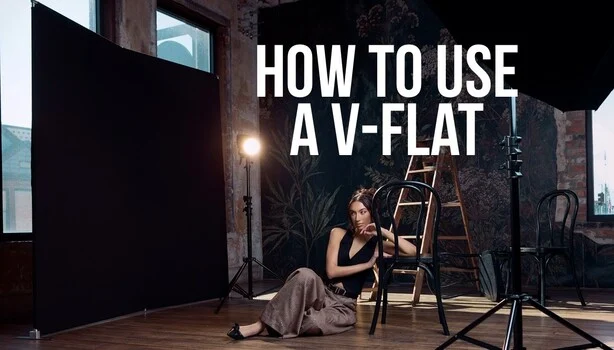
In the dynamic landscape of modern photography, where efficiency, versatility, and cost-effectiveness are paramount, the humble black-and-white board has emerged as an indispensable tool, capable of performing the functions of a reflector, a flag, a backdrop, and a negative fill panel, often within the same photographic session. This shift towards multi-functional equipment, exemplified by products like the Westcott V-Flat, underscores a broader industry trend emphasizing skillful manipulation of light over an exhaustive inventory of specialized modifiers. Learning to precisely read and shape light with a single, adaptable instrument not only streamlines workflow but also represents a significant economic advantage over acquiring and transporting multiple single-purpose devices. The recent demonstration by Ashley from Westcott Lighting, detailed in a comprehensive video tutorial, meticulously showcases five distinct applications of the Westcott V-Flat in diverse on-location settings, providing invaluable insights for photographers seeking to elevate their craft.
The Evolving Demands of Photographic Production
The global photography equipment market, valued at approximately $10.5 billion in 2022 and projected to grow at a compound annual growth rate (CAGR) of 4.5% through 2030, reflects a continuous demand for innovation that supports both amateur enthusiasts and seasoned professionals. Within this market, the segment for lighting and grip equipment holds significant sway, as mastery of light remains the cornerstone of compelling imagery. However, the proliferation of specialized modifiers—from softboxes and beauty dishes to scrims and flags—can lead to considerable investment and logistical challenges, particularly for photographers working on location or with limited budgets. Industry analysts and seasoned professionals increasingly advocate for tools that offer maximum utility, enabling photographers to adapt quickly to changing environmental conditions and creative demands without being burdened by excessive gear. This philosophy is precisely what the Westcott V-Flat embodies, offering a pragmatic solution to a complex challenge.
Mastering Illumination: The Art of Bouncing Light
Ashley’s tutorial commences with arguably the most common and fundamental application of the V-Flat: light bouncing. This technique is a cornerstone of natural light photography, particularly when dealing with harsh or directional ambient light sources, such as direct sunlight filtering through a window. The challenge often lies in taming this intensity to create a softer, more flattering illumination for the subject. In her demonstration, Ashley strategically positions her subject just outside the direct path of the intense window light, then introduces the white side of the Westcott V-Flat. Placed in close proximity to the subject, the white surface acts as an efficient secondary light source, catching and redirecting the harsh window light.
The reflected light, inherently diffused by the bounce, transforms into a soft, expansive key light. This not only mitigates harsh shadows and overexposed highlights but also generates desirable, large catch lights in the subject’s eyes, adding life and depth to the portrait. The underlying principle, as Ashley emphasizes, is straightforward yet critical: the closer the reflective surface is to the subject, the greater the intensity and softness of the light it throws back. This proximity allows a seemingly passive white board to perform with the efficacy of a dedicated key light, demonstrating a profound understanding of inverse square law principles applied practically. This technique alone can dramatically improve the quality of available light, making it a staple for editorial, portrait, and even product photography when working with natural light sources.
Controlling the Environment: Flagging and Negative Fill Techniques
Beyond mere reflection, the V-Flat’s dual-sided design unlocks more sophisticated light manipulation techniques, particularly flagging and negative fill. These methods are crucial for photographers seeking precise control over contrast, shadow definition, and overall mood, especially in environments where ambient light is abundant and difficult to manage.
Flagging for Strategic Shadow and Clean Pockets of Light:
The black side of the V-Flat proves invaluable for flagging—a technique used to block or absorb unwanted light. In Ashley’s example, she uses the black fabric to create a clean pocket of shade, effectively isolating her subject from a distracting or overly bright window. This allows the background light to persist, providing textural interest and separation, while giving the photographer complete control over the subject’s illumination. Within this controlled pocket of shade, Ashley introduces artificial light sources: a Westcott FJ400 version 2 strobe firing into a 53-inch deep umbrella for the main key light, and a Westcott FJ800 with a warm gel positioned as a hair light. This strategic combination demonstrates how flagging enables a photographer to sculpt light precisely, achieving studio-quality results in challenging on-location environments. The ability to subtract light is often as important as the ability to add it, creating depth and dimension that might otherwise be washed out.
Negative Fill: Sculpting Form Through Shadow Absorption:
Perhaps the most advanced and often overlooked application is negative fill. This technique, frequently skipped by photographers, is paradoxically one of the most impactful for defining form and adding dramatic contrast without altering the primary light source’s softness. Ashley illustrates this by first creating a soft, even light using an FJ400 pushed through a large scrim. While this setup delivers beautifully diffused light, it can sometimes result in a "flat" appearance, lacking the sculptural qualities that define bone structure and add character to a face.
To counteract this flatness, she strategically positions the black side of the V-Flat close to the shadow side of the subject’s face. Unlike a reflector that adds light, the negative fill panel absorbs ambient light that would otherwise bounce into and lighten the shadows. This absorption deepens the shadows, creating a steeper transition from light to dark, which in turn enhances the definition of cheekbones, jawline, and other facial contours. The result is increased contrast and a more sculptured appearance, all while preserving the inherent softness of the primary light source. This technique is particularly valuable in portraiture, fashion, and beauty photography, where subtle enhancements to facial structure can dramatically improve the final image.
The Critical Importance of Subtraction in Lighting
The principle of negative fill highlights a fundamental truth in advanced lighting: sometimes, what you take away is more impactful than what you add. In an era where powerful strobes, large modifiers, and expansive scrims are more accessible and affordable than ever before, there’s a prevailing tendency to simply add more light. This often leads to portraits that, while clean and evenly lit, can feel "weightless" or lack the robust shadow structure necessary to anchor the face and convey depth. The absence of defined shadows can strip a subject of their unique contours, resulting in images that, while technically flawless, may lack character and dimensionality.
Subtraction, through techniques like negative fill, offers a powerful antidote to this phenomenon. By strategically placing a black surface near the shadow side of a face, photographers can effectively cut the ambient bounce light that inadvertently fills in those shadows. This deliberate darkening intensifies the transition from illuminated areas to shadowed ones, allowing the subject’s bone structure and natural contours to become more pronounced and expressive. Crucially, this technique requires no additional power or specialized gear beyond the V-Flat itself, making it an incredibly cost-effective and versatile method. It works equally well in brightly lit environments, where ambient bounce is abundant, and in dimmer settings, where subtle contrast enhancements are desired. This level of precise contrast control is unattainable solely through the addition of light, emphasizing the nuanced artistry involved in mastering photographic illumination. Embracing the concept of light subtraction marks a significant leap in a photographer’s understanding and control, moving beyond mere illumination to true light sculpting.
Beyond Illumination: The V-Flat as a Set Element
The Westcott V-Flat’s utility extends beyond mere light shaping; its design also allows it to integrate directly into the photographic set itself, performing critical functions as a backdrop and an intricate component of multi-light setups. This adaptability further cements its status as a cornerstone tool for efficient on-location production.
Creating a Clean Backdrop:
One of the most common challenges in on-location photography is managing cluttered or distracting backgrounds. Ashley’s demonstration illustrates how the black fabric side of the V-Flat can be deployed as an immediate, clean backdrop, effectively isolating the subject from an otherwise chaotic environment. This provides a minimalist and professional aesthetic, drawing the viewer’s focus directly to the subject. To prevent the background from appearing entirely flat and lifeless, Ashley introduces a subtle yet effective technique: she aims a gelled Westcott FJ800 strobe at the black fabric, building a gentle gradient of light across its surface. This not only adds depth and visual interest but also allows for creative color shifts, transforming a simple black panel into a dynamic element of the set. This approach is particularly beneficial for corporate headshots, product photography, or fashion editorials where a controlled, studio-like environment is desired without the need for extensive equipment or space.
Complex Setups: Combining Functions for High-Key Effects:
The pinnacle of the V-Flat’s versatility is showcased in its ability to perform multiple roles simultaneously within a single, complex setup. Ashley’s final example involves layering both fabrics on the V-Flat frame at once. The black side is positioned first, serving a dual purpose: it shields the subject from unwanted light spill from the background lights and also acts as a light absorber for any ambient light that might otherwise contaminate the high-key background. On top of this, the white side is layered, transforming into a large bounce surface. Two strobes are then aimed into the center of this white surface, producing an incredibly even, high-key white backdrop. This creates a bright, airy aesthetic often sought after in commercial, portrait, and product photography.
Crucially, while the background is rendered in a soft, diffused high-key, the subject’s key light is kept directional and defined using a 24-inch rapid box beauty dish. This meticulous arrangement demonstrates the V-Flat’s capacity to manage complex lighting ratios and effects, performing two critical jobs—spill control/absorption and background bounce—within a single frame. This level of functional integration streamlines setup time, reduces the amount of gear required, and provides photographers with unparalleled creative control, making intricate lighting scenarios accessible and efficient.
Westcott’s Commitment to Photographic Education and Innovation
The instructional video featuring Ashley from Westcott Lighting is more than just a product demonstration; it is an embodiment of Westcott’s broader commitment to photographic education and empowering creators. For decades, Westcott has been a prominent name in the lighting and grip industry, known for innovative solutions that combine durability with practical design. Products like the V-Flat are not merely tools; they are designed to facilitate learning and creative exploration.
A spokesperson for Westcott Lighting, while not directly quoted on this specific video, has previously emphasized the company’s philosophy: "Our goal at Westcott is to provide photographers with tools that are not only high-performing but also intuitive and versatile. We believe in empowering artists to achieve their creative vision without being constrained by complex gear or prohibitive costs. Educational content, such as our tutorials, is crucial to ensuring that photographers can unlock the full potential of their equipment and develop their skills." This statement underscores the strategic importance of content like Ashley’s tutorial, which translates advanced concepts into actionable techniques, making sophisticated lighting accessible to a wider audience. The company’s ongoing investment in educational platforms and resources contributes significantly to the professional development of the photographic community, fostering a culture of continuous learning and innovation.
Broader Implications for Photographers and the Industry
The widespread adoption and skillful application of multi-functional tools like the Westcott V-Flat carry significant implications for individual photographers and the broader industry:
- Cost-Effectiveness: By consolidating the functions of multiple modifiers into a single unit, photographers can significantly reduce their initial investment in equipment. This is particularly beneficial for emerging photographers, small studios, and independent contractors who operate with tighter budgets. The cost of acquiring five separate, high-quality modifiers can easily run into thousands of dollars, whereas a single V-Flat represents a fraction of that expenditure.
- Enhanced Portability and Efficiency: On-location shoots often involve navigating various environments with limited space and time. A compact, multi-purpose tool reduces the overall gear footprint, making transport and setup considerably more efficient. This allows photographers to be more agile and responsive to dynamic shooting conditions, minimizing logistical overheads.
- Skill Development and Creative Freedom: Mastering a versatile tool forces photographers to develop a deeper understanding of light principles rather than relying on specialized equipment to solve every problem. This fosters a more intuitive and adaptable approach to lighting. The V-Flat encourages experimentation with light shaping, subtraction, and environmental integration, pushing creative boundaries.
- Sustainability: In an increasingly environmentally conscious world, investing in multi-functional, durable equipment can also contribute to more sustainable practices by reducing the overall consumption of single-purpose items and minimizing waste.
- Democratization of Advanced Techniques: By simplifying access to sophisticated lighting techniques like negative fill, tools like the V-Flat help democratize advanced photographic skills. This empowers more photographers to produce high-quality, professional-looking images, leveling the playing field and fostering greater creativity across the industry.
Conclusion
The Westcott V-Flat, as brilliantly demonstrated by Ashley from Westcott Lighting, stands as a testament to the power of thoughtful design and functional versatility in photography. Its ability to seamlessly transition between roles as a reflector, flag, backdrop, and negative fill panel not only offers a pragmatic solution to logistical and financial challenges but also serves as a catalyst for creative growth. By encouraging photographers to think beyond merely adding light and to embrace the equally potent concept of light subtraction, the V-Flat facilitates a more precise and nuanced approach to illumination. This single, adaptable board encapsulates a philosophy of efficiency, mastery, and creative empowerment, proving that in the art of light, sometimes less gear truly means more control and greater artistic expression. The full breakdown in the video provides an invaluable resource for any photographer looking to harness the full potential of this remarkable tool and transform their approach to on-location lighting.
