
 By Jia Lissa
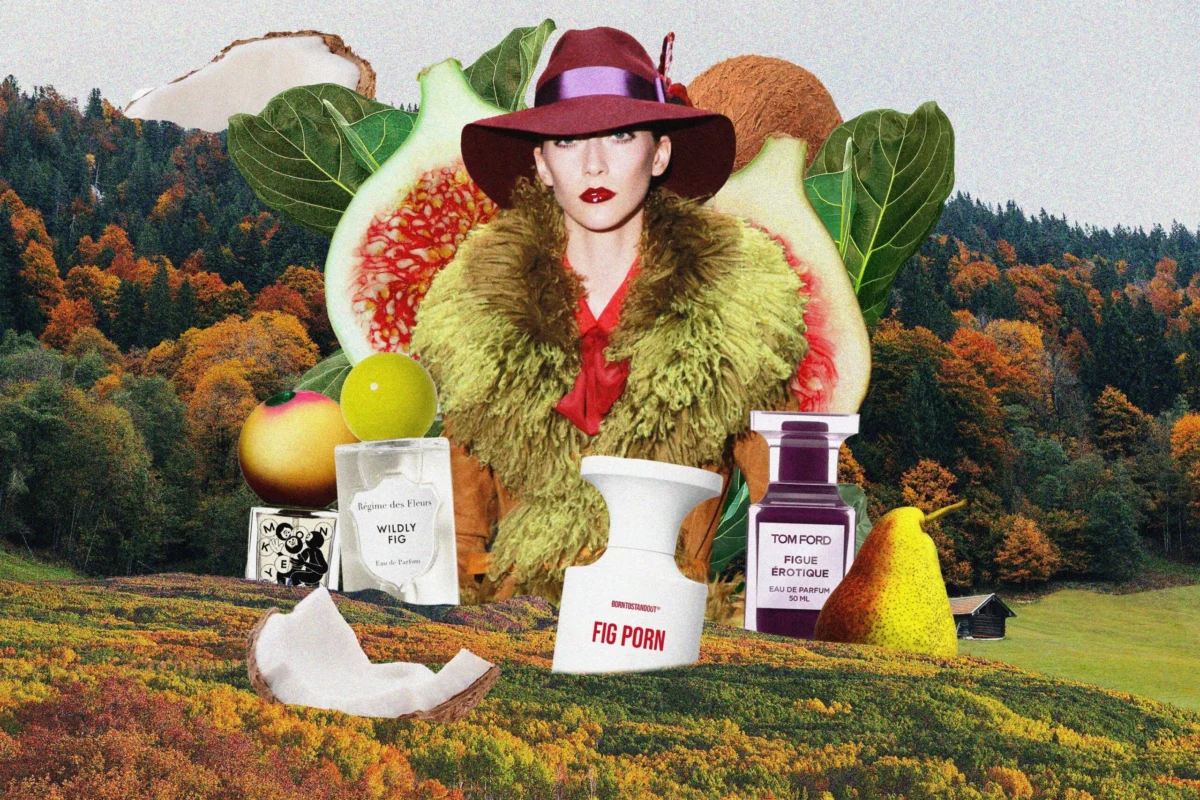
The author’s personal journey from a severe fig allergy to becoming a fervent admirer of fig-scented perfumes underscores a significant and evolving trend in the fragrance industry: the burgeoning popularity of fig as a prominent note. What began as a childhood aversion, triggered by a single, intensely allergenic experience with the fruit, has transformed into an appreciation for the complex and captivating olfactive profile of the fig. This transformation mirrors a broader shift in perfumery, where familiar yet often overlooked natural elements are being reimagined and celebrated for their sophisticated and multifaceted aromas.
From Forbidden Fruit to Fragrant Fascination
The author’s initial encounter with figs was far from pleasant. A childhood allergic reaction, characterized by facial swelling, itching, and pronounced lip inflammation, led to a strict avoidance of the fruit and anything associated with it. This enforced abstinence, lasting for years, inadvertently erased the sensory memory of figs, including their distinct scent. The revelation came unexpectedly during a car ride, when a driver identified the captivating aroma emanating from the author’s husband’s cologne as "fig." This moment of olfactory awakening revealed that fig, a scent previously unrecognized, was a key component in several beloved perfumes.
This personal rediscovery coincided with a burgeoning trend in the fine fragrance market. The nuanced and evocative scent of fig has become increasingly prominent, moving from a subtle background note to a star player in many new and celebrated perfume launches. Fragrance houses are exploring the diverse facets of the fig, from its milky sap and woody branches to the sharp greenness of its leaves and the luscious sweetness of its ripe fruit.
The Olfactive Identity of Fig: A Perfumer’s Palette
The appeal of fig in perfumery lies in its remarkable versatility and the absence of a natural essential oil, which allows perfumers significant creative freedom. Unlike many other fruits, the fig does not yield an essential oil through traditional extraction methods. This necessitates the creation of a fig accord, a complex blend of synthetic molecules meticulously crafted to capture the essence of the fruit and its tree. This creative liberty has led to a wide spectrum of fig interpretations in the fragrance world.
Perfumery experts highlight the multifaceted nature of the fig. Olivia Jan, a senior perfumer at Givaudan, notes that "the fig tree is a fascinating species from a perfumer’s perspective because each part of the tree has its own olfactive identity." This means that a fig fragrance can evoke different sensations:
- Milky Sap: Some perfumes capture the creamy, lactonic quality of the fig’s sap, offering a smooth and comforting aroma.
- Woody Undertones: The branches and bark of the fig tree contribute a subtle woody character, adding depth and grounding to the scent.
- Green Leafy Notes: The crushed fig leaf releases a sharp, almost pungent green aroma, reminiscent of freshly snapped stems, providing a vibrant, botanical edge.
- Fruity Succulence: The ripe fig fruit itself offers a rich, jammy sweetness, with nuances that can range from slightly floral to deeply resinous.
The scent profile of the fig also evolves depending on its ripeness and preparation. A freshly picked fig might present a delicate, subtly floral aroma, while a dried fig can transform into a dark, jammy, and resinous scent. This dynamic nature allows perfumers to craft fig fragrances that are both familiar and surprisingly complex.
A Growing Trend: Fig in Contemporary Fragrances
The resurgence of fig as a prominent fragrance note is not merely anecdotal; it is a demonstrable trend supported by the release of new products and the reintroduction of popular fig-based scents. This trend offers a compelling narrative of olfactory exploration and consumer preference.
- Reimagined Classics: Malin+Goetz is reportedly bringing back its hyper-realistic Moroccan Fig, a testament to the enduring appeal of its authentic portrayal of the fruit.
- Diverse Interpretations: Tom Ford’s Figue Érotique offers a woody, ambery take on the fig, appealing to those who appreciate a richer, more sensual interpretation.
- Decadent Sweetness: For consumers who prefer intensely sweet fragrances, Born to Stand Out’s Fig Porn provides a luxuriously decadent experience.
- Mediterranean Escapism: Chloé’s Atelier des Fleurs Plage du Figuier is designed to evoke the sensation of a Mediterranean vacation, capturing the essence of sun-drenched fig groves and coastal breezes.
- Vibrant and Alive: Régime des Fleurs’ Wildly Fig offers an airy, lemony fig scent with a hint of pistachio, described by its creator, perfumer Alia Raza, as "neon green, tart, and alive." This showcases the vibrant, energetic side of fig.
- Subtle Sophistication: The soft-musk Henry Rose London 1983 utilizes fig to add a unique character that makes the fragrance "sing on the skin," demonstrating its ability to enhance subtle musk compositions.
- Exotic Allure: Arquiste Parfumeur’s A Grove By the Sea transports the wearer to a sun-baked Adriatic island, with fig contributing to its evocative, transportive quality.
- The Secret Ingredient: Stora Skuggan’s Monkey Flower features fig as a key component, adding an addictive depth to its unique profile.
- Balancing Opulence: Liberty London’s LBTY Zephirine uses fig to provide a "snapped-stem vibrance" that expertly counterbalances the richness of opulent rose notes, illustrating its role in complex fragrance architecture.
These examples illustrate the broad spectrum of fig’s application in perfumery, from single-note explorations to nuanced additions that elevate existing fragrance profiles.
Historical Context: The Dawn of Fig in Perfumery
The pioneering role of L’Artisan Parfumeur’s Premier Figuier, launched in 1994, cannot be overstated. Created by Olivia Giacobetti, this fragrance is widely recognized as the first major fig-centric perfume, effectively introducing the note to the mainstream fragrance consciousness. Giacobetti’s expertise further solidified fig’s place in perfumery with her creation of Diptyque’s Philosykos, a scent frequently cited as the quintessential fig perfume, embodying the entirety of the fig tree experience.
The success of these early fragrances paved the way for subsequent innovations. Perfumers like Nathalie Benareau, who created Granado’s Figo Confit, have continued to push the boundaries, developing notes of candied fig enhanced by davana, date, and plum for an effect of "richness, texture, and enveloping depth." Ane Ayo’s vision for Plage du Figuier was to capture the "hidden flower at the heart of the teardrop-shaped fruit," aiming for a luminous and solar fig that expresses its floral and pulpy facets, reminiscent of a ripe fig on a Mediterranean beach.
Interestingly, there appears to be a notable fondness for fig among female perfumers, though the note itself is considered universally unisex. This observation adds another layer to the evolving narrative of fig in fragrance, suggesting a unique connection between these artists and the scent’s complex character.
The Universal Appeal of Fig: A Median Accord
The inherent versatility of fig positions it as a uniquely adaptable note in the perfumer’s toolkit. As David Seth Moltz, co-founder and perfumer at D.S. & Durga, explains, fig occupies "the great median accord." Its ability to bridge multiple olfactive families—green, fruity, creamy, woody, and floral—makes it a foundational element that can harmonize with a wide range of other notes. Moltz likens fig to "the rose of our era, a must-have in a perfume collection that works on everybody." This broad appeal suggests that fig fragrances are not niche but rather a core component of modern perfumery.
Seasonal Significance and Consumer Psychology
Fig’s popularity is particularly salient during the transition from summer to fall. Its inherent warmth, with coconut-like undertones, carries the lingering memory of warmer months, while its honeyed ripeness harmonizes beautifully with the crispness of autumn air and the scent of fallen leaves. This dual nature makes it an ideal fragrance for the seasonal shift.
The growing appeal of fig may also reflect a broader consumer desire for scents that are both comforting and sophisticated. In an era that has seen a significant trend towards gourmand (food-inspired) fragrances, fig offers a palatable sweetness that feels more exotic and less overtly dessert-like than many other fruity or confectionery notes. Moltz suggests that fig is "more exotic than other fruits, yet familiar enough to our noses," striking a balance that appeals to a wide audience. This suggests a move towards scents that are edible-adjacent without being overtly dessert-like, offering a refined sensuality.
Symbolism and Enlightenment
Beyond its olfactive qualities, the fig carries symbolic weight. In Buddhism, the fig tree is associated with enlightenment, representing wisdom and spiritual awakening. This symbolism may resonate with consumers seeking a deeper connection to their fragrances, transforming a scent from mere aroma into an experience of self-discovery. The author’s personal journey, from allergy-induced avoidance to olfactory enlightenment, aptly mirrors this symbolic association.
The Future of Fig in Fragrance
The continued innovation in fig-based fragrances suggests that this trend is far from a fleeting fad. Perfumers are constantly exploring new ways to interpret this complex and captivating note, promising an ongoing evolution of fig-centric scents. Whether it’s the creamy sweetness of ripe fruit, the sharp greenness of its leaves, or the subtle woody character of its branches, the fig offers a rich tapestry of olfactory possibilities. As consumers increasingly seek unique, sophisticated, and evocative fragrances, the fig, with its historical resonance and modern versatility, is poised to remain a significant and beloved note in the world of perfumery. Its journey from a personal allergen to a universally celebrated fragrance ingredient is a testament to the enduring power of scent to transform perceptions and inspire fascination.
