
 By Jia Lissa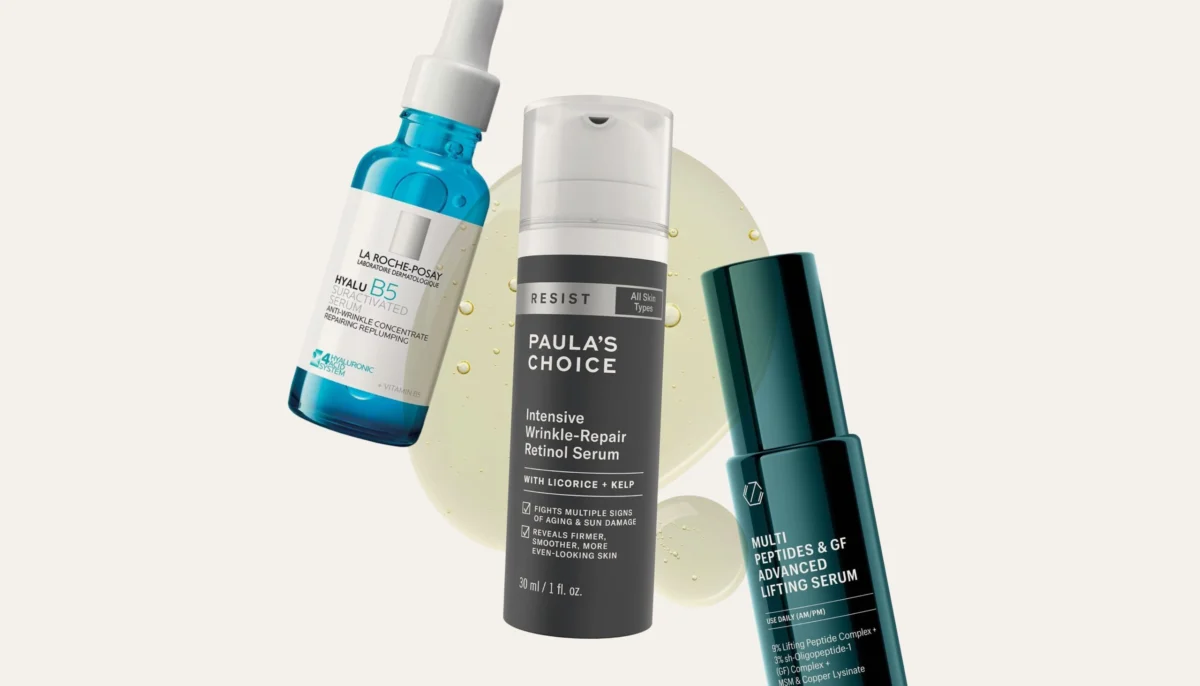
As individuals navigate the complexities of aging, the pursuit of skincare solutions that effectively address mature skin concerns has become a significant focus within the beauty and wellness industries. Dermatologists and cosmetic chemists consistently emphasize the importance of targeted ingredients that can combat the visible signs of aging, such as fine lines, wrinkles, loss of firmness, and dryness. Recent expert insights highlight a nuanced approach to serum selection, differentiating between product types and recommending specific ingredients based on individual skin needs. This comprehensive overview delves into the science behind effective serums for mature skin, offering guidance on ingredient selection, product safety, and the distinct roles serums play compared to other skincare formulations.
The Powerhouse Ingredients for Rejuvenating Mature Skin
The cornerstone of any effective skincare regimen for mature skin lies in the strategic selection of active ingredients. Dermatologists underscore the pivotal role of retinoids, often hailed as the "gold standard" for addressing signs of aging. These vitamin A derivatives are celebrated for their multifaceted benefits, including a proven ability to diminish the appearance of fine lines and wrinkles. Beyond superficial improvements, retinoids actively stimulate collagen production, a vital protein responsible for skin’s structure and elasticity. Increased collagen synthesis translates to firmer, smoother-looking skin, effectively combating the sagging and loss of volume often associated with aging. Scientific studies have consistently demonstrated the efficacy of retinoids in accelerating cell turnover and promoting a more youthful complexion. For instance, research published in the Journal of the American Academy of Dermatology has detailed the significant improvements in wrinkle depth and texture observed with consistent retinoid use over several months.
Hydration remains a critical, yet often overlooked, component in managing mature skin. As skin ages, its natural ability to retain moisture diminishes, leading to dryness, which can accentuate the appearance of existing lines and texture irregularities. Hyaluronic acid emerges as a leading ingredient in this domain. Its remarkable humectant properties allow it to draw moisture from the environment into the skin, creating a plumping effect that visibly reduces the prominence of fine lines. Furthermore, emollients such as squalane play a crucial role in softening dry skin and preventing the uncomfortable sensation of tightness and parchedness. Squalane, a derivative of squalene naturally found in the skin’s sebum, helps to replenish the skin’s lipid barrier, thereby enhancing its ability to retain moisture and maintain suppleness.
Addressing concerns related to discoloration and uneven skin texture requires a different set of targeted ingredients. Brightening agents like azelaic acid are invaluable for their ability to fade dark spots and hyperpigmentation, contributing to a more even skin tone. Complementing these are exfoliating acids, which work by gently sloughing away dead surface cells. Glycolic acid and lactic acid, both alpha-hydroxy acids (AHAs), are particularly effective in this regard. Glycolic acid, with its small molecular size, penetrates deeply to loosen the bonds between dead skin cells, revealing brighter, more radiant skin beneath. Lactic acid, while also an AHA, is known for its gentler exfoliating action and its moisturizing properties, making it a suitable choice for those with slightly more sensitive skin. Salicylic acid, a beta-hydroxy acid (BHA), offers a unique benefit by its ability to penetrate oil and unclog pores, making it exceptionally useful for managing uneven texture and breakouts that can persist into mature adulthood. Experts advise against the notion of a single serum containing all these potent actives, advocating instead for a personalized approach. Consumers are encouraged to select a serum that targets their primary concerns, whether it be fine lines, dryness, dark spots, or a general loss of firmness, rather than seeking a universal solution.
Safety and Considerations for Sensitive or Thinning Mature Skin
The efficacy of serums for mature skin is amplified when their application is thoughtfully considered, especially for individuals with sensitive or thinning skin. Dermatologists emphasize that serums are generally safe for all skin types when formulated with appropriate ingredients and used correctly. For those prone to irritation or possessing sensitive skin, the recommendation is to opt for gentle, well-tolerated forms of active ingredients. For example, in the realm of retinoids, lower-strength formulations or encapsulated versions offer the benefits of collagen support, texture refinement, and line softening with a reduced risk of irritation.
Ingredients such as niacinamide, bisabolol, and ceramides are also highly beneficial for sensitive and mature skin. Niacinamide, a form of vitamin B3, is known for its anti-inflammatory properties and its ability to strengthen the skin barrier, which can be compromised in aging and sensitive skin. Bisabolol, derived from chamomile, is a potent anti-inflammatory and soothing agent, ideal for calming redness and irritation. Ceramides are essential lipids that naturally occur in the skin barrier; replenishing them helps to restore moisture and protect against environmental aggressors.
A key principle for introducing new skincare products, particularly those with active ingredients, is to do so incrementally. Dr. Foad, a noted dermatologist, advises against the simultaneous introduction of multiple potent actives into a single routine. This approach allows the skin to adapt gradually and helps to identify any potential adverse reactions. Furthermore, given that mature skin can be inherently more delicate, patch testing any new serum on a small, inconspicuous area of the skin—such as behind the ear or on the inner forearm—before applying it to the entire face is a prudent practice. This simple step can prevent widespread irritation and ensure a comfortable and beneficial skincare experience. The process of aging often brings about a thinning of the skin, making it more susceptible to damage and irritation. Therefore, a measured and informed approach to serum selection and application is paramount.
Distinguishing Serums from Face Oils for Aging Skin
Understanding the distinct roles of face serums and face oils is crucial for optimizing a mature skincare routine. While both can contribute to skin health, they serve fundamentally different purposes and are not interchangeable. Face serums are engineered as lightweight vehicles designed to deliver a high concentration of active ingredients deep into the skin. These potent actives can include retinoids, antioxidants, peptides, and hyaluronic acid. Dr. Foad explains that serums are formulated to "support collagen production, cellular renewal, and can protect against intrinsic as well as environmental aging." Their primary function is to target specific skin concerns at a cellular level and drive structural changes.
In contrast, face oils are primarily focused on providing emollient and occlusive benefits. Their main role is to moisturize the skin and reinforce its natural barrier function. They excel at "sealing in hydration," as Dr. Foad notes, and are highly effective when used in conjunction with moisturizers to enhance comfort and suppleness across various skin types. However, face oils typically do not contain active ingredients at concentrations sufficient to induce significant structural changes in the skin. For mature skin, the synergy between serums and oils is key. Serums address the underlying signs of aging by delivering targeted actives, while oils complement this by supporting moisture levels and maintaining a healthy, resilient skin barrier. This dual approach ensures that both the functional and structural aspects of aging skin are comprehensively addressed. The evolution of skincare science has led to a deeper understanding of how these different product categories can work in concert to achieve optimal results.
The Rigorous Process Behind Product Evaluation
Allure, a leading voice in beauty and lifestyle journalism, employs a comprehensive and rigorous methodology for testing and reviewing skincare products, particularly those aimed at addressing the concerns of aging skin. This multi-faceted approach ensures that recommendations are grounded in efficacy, safety, and consumer experience. The editorial team meticulously scrutinizes product ingredients, examining their scientific backing and potential benefits for mature skin. Brand claims are rigorously vetted against scientific literature and expert opinions.
When necessary, Allure delves into peer-reviewed scientific and medical studies to validate the efficacy of key ingredients and formulations. Beyond laboratory analysis, every product undergoes extensive hands-on testing by the editorial team. This practical application allows for an assessment of the product’s performance in real-world conditions, considering factors such as texture, absorption, and immediate effects. The expertise of leading dermatologists, cosmetic chemists, and medical professionals is integrated throughout the vetting process, providing a critical layer of scientific validation. Their insights are invaluable in assessing the safety and efficacy of ingredients and formulations, ensuring that recommendations align with current dermatological understanding.
For lists specifically curating the best face serums for aging skin, Allure‘s evaluation criteria encompass five primary categories: product ingredients and efficacy, packaging, fragrance, texture, and product wear. Each product is assessed to determine its performance within these domains. The editorial team, comprised of in-house writers, editors, and external contributors, works in tandem with board-certified dermatologists to render final judgments. This collaborative effort ensures a holistic review that balances scientific merit with user experience. The detailed methodology, accessible on Allure‘s reviews process and methodology page, underscores a commitment to transparency and journalistic integrity. This meticulous approach has been refined over years of dedicated product assessment, building trust with a discerning readership seeking reliable guidance in their skincare choices.
Ensuring Inclusivity in Product Testing and Recommendations
Allure‘s commitment to providing trustworthy beauty recommendations extends to a profound dedication to inclusivity in its testing and review processes. Recognizing that beauty is deeply personal and that individual needs and concerns vary widely, the publication prioritizes a diverse testing pool. This approach is fundamental to ensuring that the "best" products are genuinely representative of a broad spectrum of consumers. The editorial team actively seeks to involve individuals with a wide range of ages, skin tones, hair textures, genders, and backgrounds in their testing panels.
The rationale behind this commitment is straightforward: a product cannot be deemed universally "best" if its efficacy has only been assessed by a narrow demographic. For instance, a skincare product marketed for mature skin would be incomplete in its evaluation if tested solely by individuals in their twenties. Similarly, a hair product’s performance cannot be accurately judged without considering its effectiveness on diverse hair types, from fine and straight to coarse and curly. Allure takes pride in its staff, which spans this wide range of demographics, enabling them to conduct fair and comprehensive assessments of any beauty product that enters their "beauty closet." This ensures that recommendations are not only scientifically sound but also resonate with the lived experiences of their intended audience. This inclusive testing methodology is a testament to Allure‘s dedication to serving all its readers with accurate and relatable beauty advice, fostering a sense of trust and confidence in their curated selections. The evolving landscape of beauty demands a similarly evolving approach to product evaluation, one that embraces diversity at its core.
