
 By admin
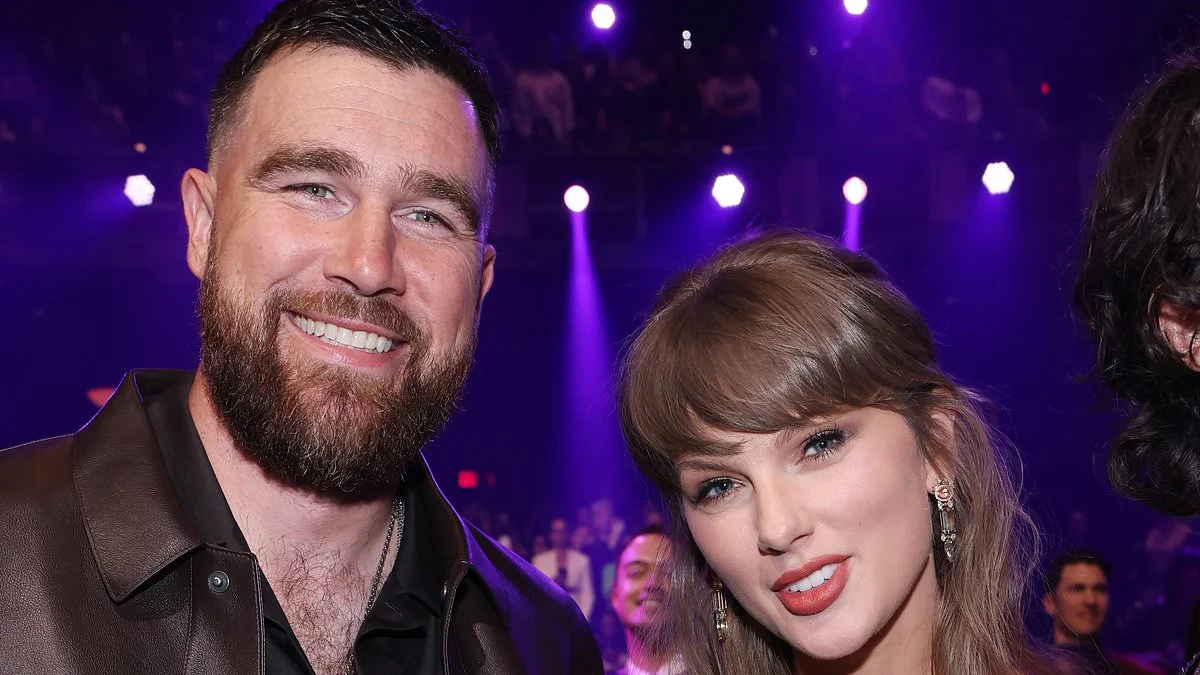
On July 3, 2026, the intersection of global pop culture and professional sports reached a historic milestone as Taylor Swift and Travis Kelce exchanged vows at Madison Square Garden in New York City. While the event was initially shrouded in unprecedented secrecy, new details have emerged regarding the scale, logistics, and execution of what is being characterized as the "wedding of the century." Three months after the ceremony, a comprehensive investigation into the proceedings reveals a level of coordination and security typically reserved for high-level diplomatic summits, involving months of "military-style" planning and the transformation of one of the world’s most iconic arenas into a private sanctuary.
The union of Swift, a record-breaking 14-time Grammy winner, and Kelce, a three-time Super Bowl champion and future Hall of Fame tight end, represents more than a celebrity marriage; it is the culmination of a cultural phenomenon that has significantly impacted the music industry, the National Football League (NFL), and global retail economies. The July ceremony was the centerpiece of this narrative, bringing together a diverse assembly of athletes, musicians, and industry power players under a veil of total privacy.
The Strategic Transformation of Madison Square Garden
Choosing Madison Square Garden (MSG) as a wedding venue presented a unique set of logistical challenges. Known as "The World’s Most Famous Arena," MSG typically hosts professional basketball, hockey, and major concert tours. To facilitate a private wedding, the venue’s management and the couple’s planning team executed a total lockdown of the facility beginning 72 hours prior to the ceremony.
The transformation involved the installation of sound-dampening acoustic panels to prevent audio leaks to the streets of Midtown Manhattan and the use of advanced signal-jamming technology within the perimeter to disable unauthorized drone photography. Sources familiar with the arrangements indicate that the interior of the arena was reimagined as a lush, neoclassical garden, contrasting with the venue’s industrial architecture. Over 15,000 individual floral arrangements, primarily white peonies and David Austin roses, were transported via refrigerated trucks under the cover of night to create a "forest-like" atmosphere on the arena floor.
A Chronology of the Event and Planning Phase
The timeline of the wedding reveals a meticulous schedule that began nearly a year in advance. Following the conclusion of the European leg of Swift’s record-breaking Eras Tour, the planning committee, consisting of top-tier event coordinators and security consultants, began scouting locations that could provide both the necessary grandeur and the required security.
- August 2025: Initial site visits to international locations were conducted, but the couple ultimately decided on New York City, a location central to Swift’s career and Kelce’s off-season media engagements.
- January 2026: Formal contracts were signed with Madison Square Garden, securing the venue for a ten-day window in early July to allow for set construction and breakdown.
- March 2026: The design for Swift’s custom Dior gown was finalized after months of confidential consultations with Creative Director Maria Grazia Chiuri.
- July 1–2, 2026: Guests began arriving via private terminals at Teterboro and JFK airports. Security protocols required guests to surrender all electronic devices upon entry to their respective hotels.
- July 3, 2026: The ceremony took place at 6:00 PM EST, followed by a formal reception that lasted until the early hours of July 4.
The "military-style" precision of the day included decoy motorcades dispatched to various locations across Manhattan to divert paparazzi, while the couple and their immediate families were transported to the venue via a secure underground freight entrance.
Technical Analysis of the Bridal Attire
A central element of the event’s aesthetic was Taylor Swift’s wedding gown, designed by the French luxury house Dior. While official photographs remained restricted for months, descriptions from those present—and subsequent reconstructions—detail a garment that balanced historical reverence with modern craftsmanship. The gown, crafted from hand-loomed silk faille, featured a dramatic cathedral-length train and an intricate bodice incorporating lace patterns that reportedly contained "Easter eggs" or subtle references to the couple’s history, a hallmark of Swift’s creative style.
Travis Kelce opted for a bespoke tuxedo by Giorgio Armani, featuring a midnight blue velvet jacket and custom embroidery on the interior lining. The choice of designers reflected the couple’s status as global style icons, blending European high fashion with classic American athletic stature.
The Guest List and Economic Implications
The attendance list for the ceremony read like a directory of the most influential figures in contemporary entertainment and sports. Confirmed attendees included Patrick and Brittany Mahomes, Blake Lively and Ryan Reynolds, Selena Gomez, and various members of the Kelce and Swift families. The presence of NFL Commissioner Roger Goodell and several high-ranking music executives underscored the institutional significance of the union.
The economic impact of the "Swift-Kelce" era has been well-documented by financial analysts. Since the couple first went public in late 2023, the NFL saw a 53% increase in viewership among females aged 18–49, while Kelce’s jersey sales spiked by over 400%. The wedding itself generated a significant "halo effect" for New York City’s luxury hospitality sector, with high-end hotels reporting 100% occupancy rates in the week leading up to the Independence Day holiday. Market researchers estimate that the media value generated by the wedding, even with limited public imagery, exceeds $500 million in brand equity for the associated designers and sponsors.
Official Responses and Cultural Impact
While the couple has maintained a degree of privacy regarding their personal lives, representatives for both parties have emphasized the importance of the event as a private celebration of their commitment. A spokesperson for the Kelce family noted that the ceremony was intended to be a "moment of peace" amidst their highly public careers.
Sociologists and media analysts have observed that the Swift-Kelce wedding represents a rare moment of monocultural unity in an increasingly fragmented media landscape. "We are seeing the merger of two of the most powerful fanbases in the world," noted Dr. Elizabeth Thorne, a cultural historian. "The level of planning required to execute an event of this magnitude at Madison Square Garden without a single leaked photograph for three months is a testament to the professionalization of celebrity privacy in the digital age."
Security Protocols and Information Management
The success of the event’s privacy was largely due to the implementation of strict Non-Disclosure Agreements (NDAs) and a "zero-device" policy. Staff members, including catering personnel and stagehands, were subjected to background checks and were required to leave their phones in secure lockers. The use of infrared-emitting devices around the stage area ensured that even if a camera were smuggled in, the resulting images would be overexposed and unusable.
This level of information management has set a new standard for high-profile events. The Daily Mail’s forthcoming reveal of AI-imagined recreations of the Dior gown and exclusive interviews with "expertly placed sources" aims to provide the public with the first concrete details of the aesthetics of the day, filling a vacuum that has existed since the July 3 announcement.
Future Outlook and Continuing Coverage
As the public enters the fourth month following the nuptials, the "Swift-Kelce" narrative shows no signs of waning. The couple’s ability to navigate the pressures of extreme fame while executing a large-scale private event has solidified their status as a modern power couple. The upcoming series of reports will delve deeper into the specific puzzles and "Easter eggs" hidden within the wedding’s theme, catering to a dedicated fanbase that prides itself on analytical engagement with Swift’s life and work.
The wedding of Taylor Swift and Travis Kelce at Madison Square Garden will likely be remembered not just for the celebrity of the participants, but for the unprecedented logistics required to host a private ceremony in the public eye. It remains a case study in event management, brand synergy, and the enduring power of traditional ceremony in a high-tech world. Further updates, including specialized quizzes and detailed source interviews, will continue to provide a clearer picture of the day that captivated a global audience.
