
 By Eva Lovia
Recent research highlights a significant, often overlooked, impact of hormonal shifts during menopause on oral health, affecting everything from saliva production and taste perception to the integrity of gums, teeth, and jawbone density. A comprehensive 2025 review, analyzing data from 30 studies published between 2019 and 2024, underscores the intricate connection between declining estrogen levels and various oral health challenges women may encounter during perimenopause and postmenopause. This growing body of evidence suggests that changes in the mouth are not merely a consequence of aging, but a direct physiological response to the hormonal cascade of menopause.
The foundational understanding of this link lies in the widespread presence of estrogen receptors throughout the oral cavity. These receptors are integral to the function of salivary glands, the tissues supporting the teeth, and the very bone structure of the jaw. Estrogen’s well-established role in maintaining bone density across the body also extends to the oral architecture, making its decline a critical factor in oral health. The review, a scoping analysis aimed at synthesizing current knowledge, meticulously examined findings related to salivary flow, gum health, tooth vitality, jawbone integrity, and the complex microbial ecosystem within the mouth. The researchers’ focus was driven by the observable decline in estrogen and its potential downstream effects on these oral structures.
The Biological Underpinnings: Estrogen’s Oral Influence
Saliva, often taken for granted, is a cornerstone of oral well-being. Its multifaceted functions include the mechanical removal of food particles and bacteria, the neutralization of dietary acids that can erode tooth enamel, and the provision of essential minerals that aid in tooth remineralization, thereby preventing cavities. When estrogen levels decrease, the glands responsible for saliva production can become less efficient, leading to a noticeable reduction in salivary flow. This xerostomia, or dry mouth, significantly compromises the mouth’s natural defense mechanisms, creating a more hospitable environment for bacterial proliferation and increasing the risk of dental caries, gum disease, and oral infections.
Beyond its role in saliva production, estrogen directly influences the health of the periodontal tissues – the gums and the bone that anchors the teeth. These tissues are rich in estrogen receptors, and their health is intrinsically linked to systemic estrogen levels. As estrogen declines, these tissues may become more susceptible to inflammation and damage. This can manifest as increased gum sensitivity, a greater propensity for bleeding gums, and a heightened risk of developing periodontitis, a severe form of gum disease that can lead to tooth loss.
Furthermore, estrogen plays a crucial role in maintaining bone mineral density. This effect is not confined to the long bones or vertebrae; it extends to the alveolar bone, the part of the jawbone that holds the teeth. Studies reviewed in the 2025 analysis consistently indicated a correlation between postmenopausal years and reduced bone density in the jaw, particularly around the teeth and in areas where dental implants are placed. This weakening of the jawbone can exacerbate gum disease, making teeth looser and more prone to shifting or falling out. The connection between bone loss and gum disease appeared to be particularly pronounced in the initial years following menopause, suggesting a critical window of vulnerability.
Manifestations in the Menopausal Mouth: A Spectrum of Changes
The review’s findings painted a clear picture of the diverse ways menopause can alter the oral landscape. Dry mouth was identified as one of the most prevalent complaints among women transitioning through menopause. This reduction in saliva can lead to discomfort, difficulty in chewing and swallowing, and an increased reliance on hydration. Accompanying dry mouth were reported alterations in taste perception. Some women noted a diminished ability to detect certain flavors, with sweet and bitter tastes often being the most affected. This change can impact dietary choices and overall enjoyment of food.
The increased susceptibility to oral infections was another significant finding. The review noted associations between menopause and a higher incidence of oral thrush, a fungal infection caused by an overgrowth of Candida albicans, which thrives in dry, nutrient-rich environments. Additionally, the inflammatory condition oral lichen planus, characterized by white, lacy patches or sores in the mouth, was also observed more frequently in menopausal women in some studies.
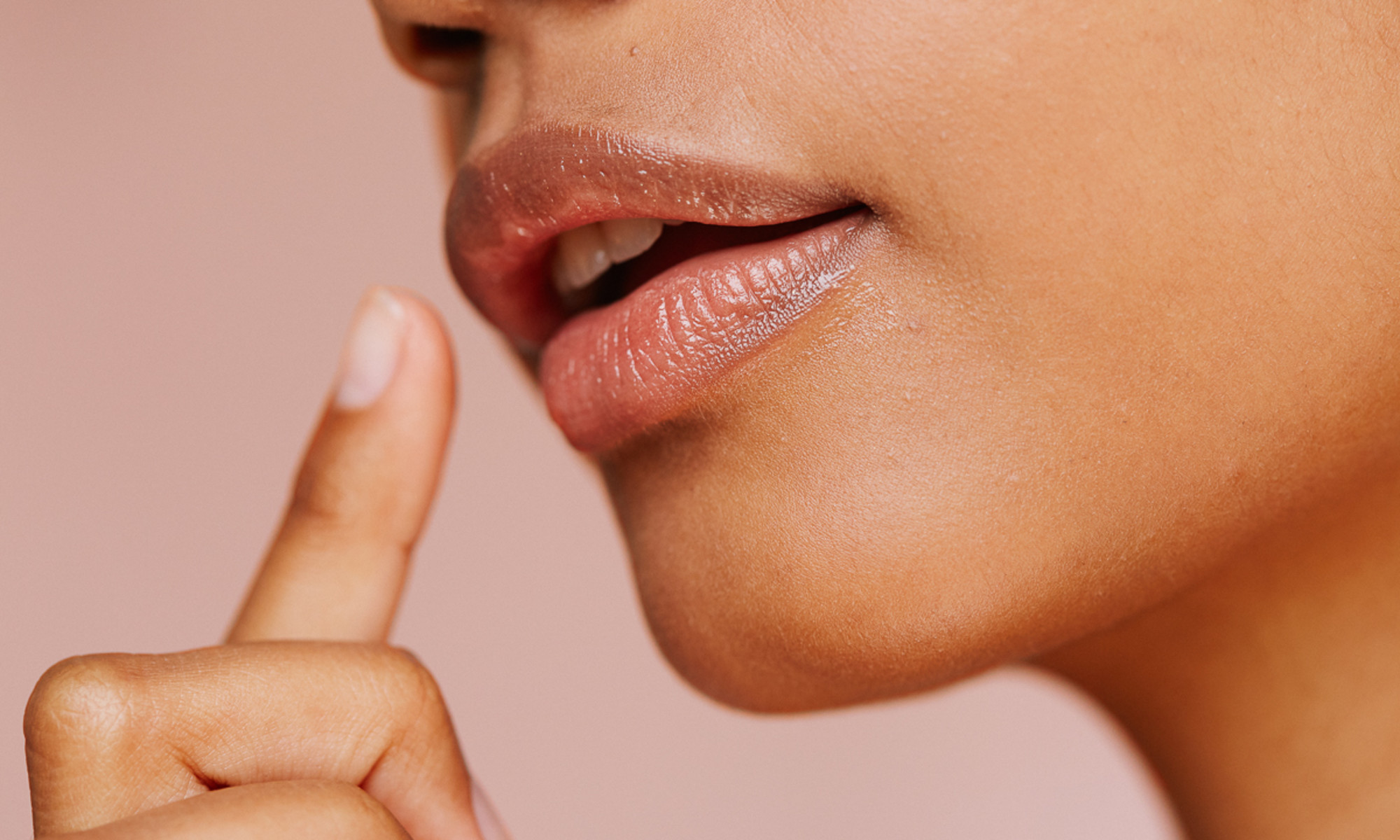
The impact on gum health was substantial. The research pointed to a statistically significant increase in the risk of gum disease, including gingivitis (inflammation of the gums) and periodontitis. These conditions, if left untreated, can lead to the destruction of the supporting bone and ultimately tooth loss. The data suggests that the hormonal fluctuations of menopause, coupled with reduced salivary protection, create an environment where gum disease can progress more rapidly.
The changes in the oral microbiome also warrant attention. While the review suggested that alterations in the balance of oral bacteria were more closely linked to reduced saliva flow than directly to menopause itself, it is clear that the two are interconnected. A healthy salivary flow helps maintain a balanced bacterial community. When saliva diminishes, opportunistic pathogens can proliferate, contributing to a range of oral health issues. The review also touched upon the potential role of hormone replacement therapy (HRT), noting that some research indicated a link between HRT and a healthier oral bacterial balance. However, it cautioned that HRT should not be prescribed solely for oral health benefits.
Broader Implications: A Public Health Perspective
The implications of these findings extend beyond individual discomfort. For healthcare providers, particularly dentists and gynecologists, this research underscores the need for a more integrated approach to women’s health. Oral health is not an isolated concern but an integral component of overall systemic health. Dentists should be proactive in screening for menopausal symptoms and discussing potential oral health impacts with their female patients, especially those in their late 40s and beyond. Similarly, gynecologists should inquire about oral health during menopausal consultations, recognizing the interconnectedness of hormonal changes and oral well-being.
The economic impact, while not explicitly detailed in the review, can be inferred. Increased dental interventions, treatments for gum disease, and potential tooth loss can lead to significant healthcare costs for individuals and the healthcare system. Early detection and preventive measures, informed by this research, could mitigate these costs.
Furthermore, the psychological impact of oral health changes should not be underestimated. Changes in taste, persistent dry mouth, and the visible signs of gum disease or tooth loss can affect a woman’s self-esteem, social interactions, and quality of life. Addressing these issues proactively can contribute to a woman’s overall sense of well-being during a potentially challenging life transition.
Navigating the Menopausal Mouth: Proactive Oral Care Strategies
While the hormonal shifts of menopause present challenges, proactive oral care can significantly mitigate many of the associated risks. The review emphasizes that a complete overhaul of dental hygiene practices is generally not necessary, but certain foundational habits become even more critical during this life stage.
- Enhanced Oral Hygiene: Consistent and thorough brushing twice daily with fluoride toothpaste and flossing daily remain paramount. This helps remove plaque and food debris, reducing the risk of cavities and gum disease.
- Regular Dental Check-ups: Increased frequency of dental visits, perhaps every six months or as recommended by a dentist, allows for early detection and management of any emerging oral health issues. Dentists can monitor for signs of gum disease, dry mouth, and changes in bone density.
- Hydration is Key: Sipping water throughout the day can help alleviate dry mouth symptoms and aid in washing away food particles and bacteria. Avoiding sugary drinks, which can exacerbate oral health problems, is also advisable.
- Saliva Stimulation: For persistent dry mouth, dentists can recommend sugar-free lozenges or chewing gum containing xylitol, which can help stimulate saliva production.
- Dietary Considerations: A balanced diet rich in calcium and Vitamin D is crucial for bone health, including the jawbone. Limiting acidic and sugary foods and beverages can protect tooth enamel.
- Fluoride Use: Dentists may recommend the use of prescription-strength fluoride toothpastes or rinses, especially for individuals at higher risk of cavities due to reduced salivary flow.
- Addressing Infections: Promptly reporting any unusual symptoms, such as white patches, sores, or persistent bleeding gums, to a dentist is essential for timely diagnosis and treatment of oral infections like thrush or oral lichen planus.
The Takeaway: A Call for Awareness and Action
The 2025 review serves as a vital reminder that menopause is a systemic event with far-reaching consequences, including significant impacts on oral health. The changes in saliva production, taste perception, gum health, and jawbone density are not arbitrary but are directly influenced by the body’s hormonal recalibration.
The research strongly advocates for a paradigm shift in how oral health is perceived during menopause. Instead of attributing oral discomfort solely to aging, women are encouraged to view these changes as potential indicators of hormonal influence. Open communication with dental professionals is crucial. By bringing any perceived oral health alterations to their dentist’s attention, women can receive personalized advice, early interventions, and targeted strategies to maintain optimal oral health throughout this transformative phase of life. This proactive approach can ensure that the menopausal transition is navigated with confidence, comfort, and a healthy, vibrant smile.
