
 By Eva Lovia
For years, the scientific and beauty communities have lauded Vitamin C as a powerhouse ingredient for skin health, a sentiment echoed by dermatologists, estheticians, beauty editors, and influencers alike. Its potent antioxidant properties are well-established, offering crucial protection against the damaging effects of free radicals and oxidative stress that contribute to skin aging. However, a groundbreaking new study is shifting the paradigm, suggesting that the most profound benefits for skin health may stem not from topical application, but from dietary intake. This research, published in the esteemed Journal of Investigative Dermatology, establishes a direct and measurable link between the Vitamin C we consume and the vitality, firmness, and thickness of our skin.
The enduring popularity of Vitamin C in skincare is rooted in its multifaceted role in maintaining skin integrity. As a potent antioxidant, it neutralizes harmful free radicals, unstable molecules that can damage cells and accelerate the aging process. Beyond its protective capabilities, Vitamin C plays an indispensable role in the synthesis of collagen, the fundamental protein that provides skin with its structure, elasticity, and youthful plumpness. Without adequate Vitamin C, the body’s ability to produce collagen is significantly compromised, making it a non-negotiable nutrient for those seeking to combat the natural decline in skin firmness and resilience over time.
A New Era of Understanding: Dietary Vitamin C’s Impact on Skin
The recent study, appearing in the Journal of Investigative Dermatology, marks a significant advancement in our understanding of Vitamin C’s physiological impact. Researchers meticulously investigated the journey of Vitamin C from ingestion to its effects within the skin. Their findings reveal that Vitamin C consumed through food is efficiently absorbed into the bloodstream and subsequently permeates all layers of the skin. Once there, it actively supports collagen production and facilitates skin renewal processes.
Perhaps the most striking revelation from the study is the direct correlation observed between Vitamin C levels in the blood plasma and those found within the skin. This indicates that the skin is highly responsive to dietary Vitamin C, mirroring systemic levels with remarkable fidelity. Lead author Dr. Margreet Vissers, a distinguished professor at the University of Otago, highlighted this unexpected finding in a related statement. "We were surprised by the tight correlation between plasma Vitamin C levels and those in the skin," Dr. Vissers remarked. "Compared to other organs previously studied, the skin showed a uniquely strong response to dietary Vitamin C. We are the first to demonstrate that Vitamin C in the blood circulation penetrates all layers of the skin and is associated with improved skin function." This observation underscores the skin’s significant demand for and efficient utilization of orally ingested Vitamin C.
The Science Behind the Skin’s Vitamin C Affinity
The study’s design focused on understanding how Vitamin C, when consumed, is delivered to and utilized by the skin. Researchers specifically chose kiwifruit for their investigation due to its consistent and quantifiable Vitamin C content. The experiment meticulously tracked the absorption and distribution of Vitamin C from the kiwifruit, demonstrating its passage from the digestive system, through the circulatory network, and into the dermal layers.
The findings suggest that dietary Vitamin C is not merely a passive nutrient but an active participant in maintaining skin health. Its presence in all skin layers is crucial for supporting the enzymatic reactions necessary for collagen cross-linking and stabilization. This process is vital for maintaining the skin’s structural integrity, preventing sagging, and reducing the appearance of fine lines and wrinkles. The study’s conclusion that Vitamin C from food directly impacts skin thickness and firmness provides robust scientific backing for the long-held belief in the power of nutrition for outward appearance.
Quantifying Optimal Intake: How Much Vitamin C is Enough?
To translate these findings into actionable advice, the study provides clear guidelines on optimal dietary Vitamin C intake. The research team recommends aiming for a daily intake of at least 250 milligrams (mg) of Vitamin C. This target is achievable through a diet rich in Vitamin C-containing fruits and vegetables.
The study also emphasizes the transient nature of Vitamin C in the body. Unlike some fat-soluble vitamins that can be stored for extended periods, Vitamin C is water-soluble and is not stored efficiently. Consequently, blood levels of Vitamin C fluctuate based on daily dietary intake. This means consistent, daily consumption of Vitamin C-rich foods is paramount to maintaining optimal levels for skin health.
Foods that are excellent sources of Vitamin C include:
- Citrus Fruits: Oranges, grapefruits, lemons, limes.
- Berries: Strawberries, blueberries, raspberries, cranberries.
- Bell Peppers: Especially red and yellow varieties.
- Cruciferous Vegetables: Broccoli, Brussels sprouts, kale, cauliflower.
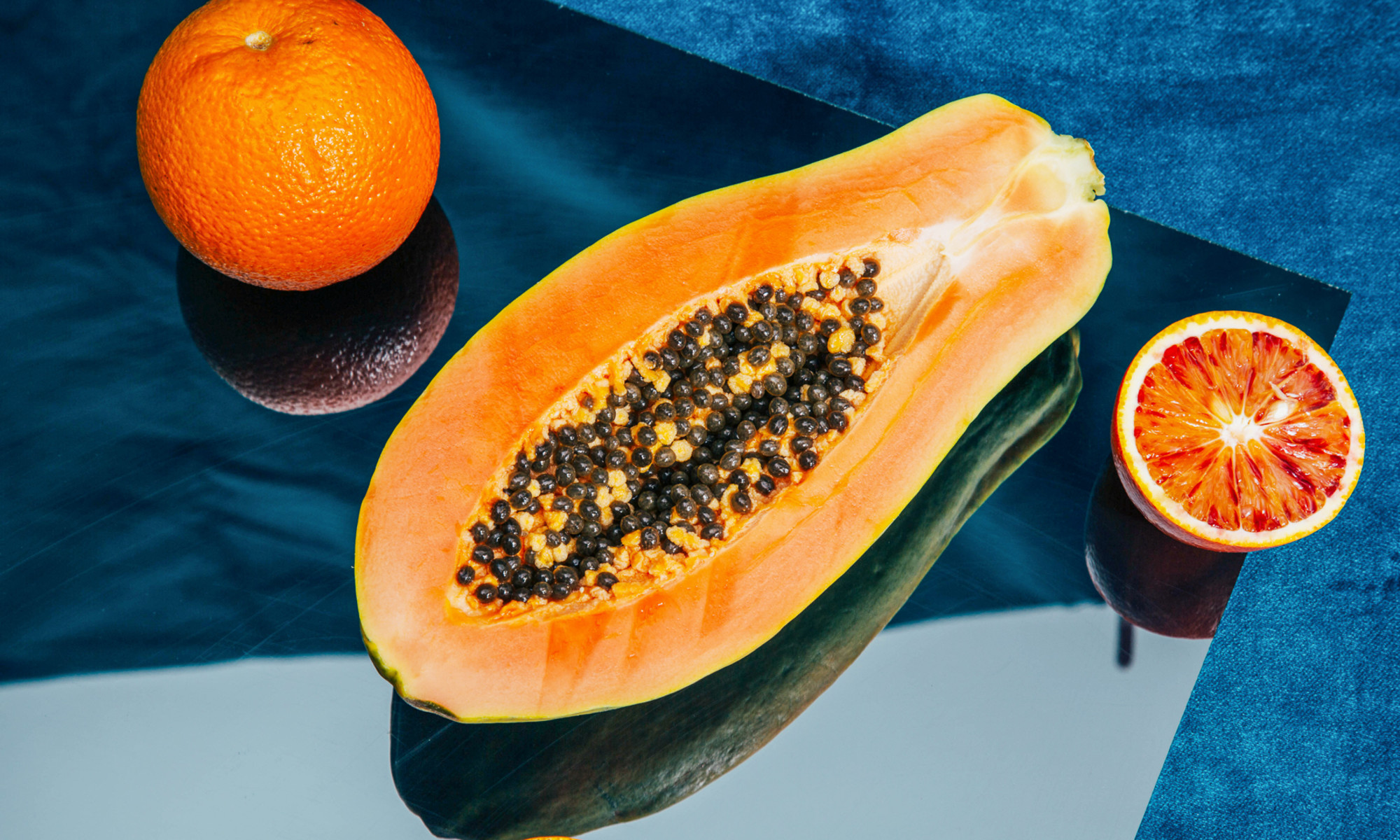
- Tropical Fruits: Papaya, mango, pineapple, guava.
- Tomatoes
- Leafy Greens: Spinach, Swiss chard.
The study’s focus on kiwifruit, a potent source of Vitamin C, suggests that similar benefits can be expected from other fruits and vegetables that are naturally high in this essential nutrient. This dietary approach offers a simple, accessible, and cost-effective strategy for enhancing skin health from within.
The Role of Supplements: A Complementary Strategy
While the study strongly advocates for dietary Vitamin C, it also acknowledges the potential role of supplements, particularly for individuals who may struggle to meet their daily requirements through food alone. The researchers suggest that Vitamin C supplements can serve as a valuable adjunct to a balanced diet.
For individuals seeking to optimize collagen synthesis, supplements that combine Vitamin C with other key nutrients can be particularly beneficial. Products containing Vitamin C alongside amino acids, the building blocks of collagen, can further enhance the efficiency of this vital process. The inclusion of hyaluronic acid, known for its hydrating properties, and Vitamin E, another potent antioxidant, within a comprehensive supplement formulation can provide synergistic benefits for skin health and overall well-being.
Dietary Vitamin C vs. Topical Application: A Matter of Delivery
The study’s findings prompt a re-evaluation of the efficacy of topical Vitamin C formulations. While topical Vitamin C has long been a staple in skincare routines for its antioxidant and brightening effects, its penetration into deeper skin layers can be limited by the skin’s natural barrier. This barrier, while essential for protecting the skin from external aggressors, can impede the absorption of certain active ingredients.

In contrast, Vitamin C delivered internally through the bloodstream faces no such impediment. It is readily absorbed and distributed throughout all layers of the skin, reaching the areas where collagen synthesis and cellular repair are most active. The research strongly suggests that the skin prioritizes Vitamin C received via circulation, efficiently absorbing and utilizing it where it is most needed.
This does not render topical Vitamin C obsolete, but it does reframe its role. Skincare products containing Vitamin C can be viewed as providing beneficial support to the skin’s surface, offering antioxidant protection and potential brightening effects. However, the foundational health and structural integrity of the skin are more profoundly influenced by the Vitamin C supplied through nutrition. This perspective encourages a holistic approach, where internal nutrition forms the bedrock of skin health, and topical applications act as supportive treatments.
Broader Implications for Skin Health and Aging
The implications of this study extend beyond mere cosmetic concerns, touching upon the broader understanding of skin aging and health maintenance. By demonstrating a direct, quantifiable link between dietary Vitamin C and improved skin structure and function, the research provides a compelling argument for the integral role of nutrition in preventing premature aging.
The findings suggest that consistent, adequate intake of Vitamin C can contribute to:
- Enhanced Skin Firmness and Elasticity: By supporting robust collagen production.
- Improved Skin Thickness: Contributing to a more resilient and less fragile complexion.
- Accelerated Skin Renewal: Aiding in the repair of cellular damage and promoting a smoother texture.
- Stronger Antioxidant Defense: Providing a crucial internal shield against environmental stressors.
This research adds significant weight to the growing body of evidence that highlights the profound connection between our internal biological processes and our external appearance. It empowers individuals with a scientifically validated strategy to proactively manage their skin health by making informed dietary choices.
A Scientifically Backed Strategy for 2026
As individuals look towards 2026 and beyond to prioritize their health and well-being, this study offers a clear, accessible, and scientifically validated approach to achieving healthier skin. The emphasis on dietary Vitamin C underscores the power of simple, affordable nutritional changes to yield significant results. By integrating a variety of Vitamin C-rich foods into daily meals, individuals can actively contribute to improved collagen production, enhanced skin structure, and a more youthful, resilient complexion.
The study’s findings are not merely anecdotal; they are grounded in rigorous scientific investigation, offering a tangible pathway to better skin health. This may well represent one of the most effective and sustainable skin strategies to adopt, integrating seamlessly into a healthy lifestyle and providing long-term benefits that extend far beyond the superficial. The message is clear: for truly vibrant and resilient skin, what you eat matters just as much, if not more, than what you apply.
