
 By Eva Lovia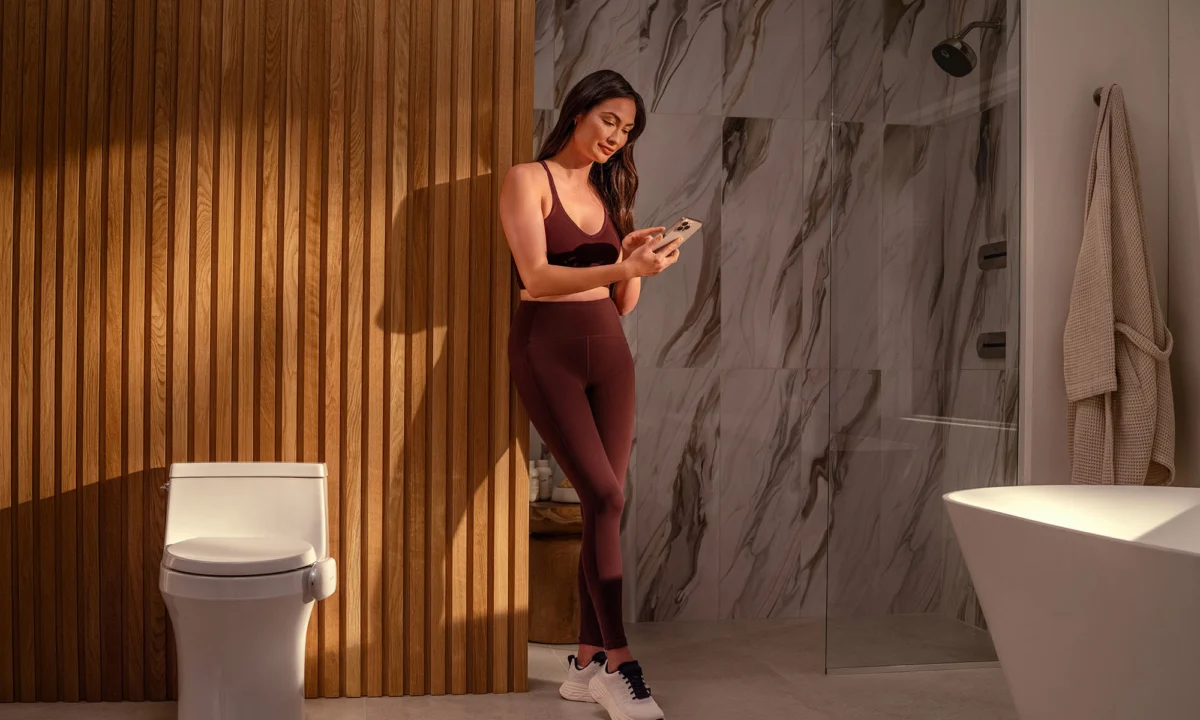
As a dedicated wellness editor, my career has been deeply intertwined with the intricacies of gut health. I’ve engaged in extensive dialogue with leading gastroenterologists, meticulously reviewed numerous groundbreaking microbiome studies, and penned an array far exceeding my initial expectations on the subject of the digestive tract. This continuous immersion in research and reporting has solidified a crucial understanding: the state of our digestive system is a profound indicator of our overall well-being, influencing everything from the clarity of our skin and the stability of our mood to the efficiency of our metabolic processes. Yet, a significant gap often exists in translating this knowledge into actionable personal insights. While I could articulate the importance of gut health for the public, a precise understanding of my own internal landscape remained elusive, relying on generalized notions and recollection. This personal disconnect between advocacy and self-awareness spurred a quest for a more concrete understanding of my own digestive health.
The advent of Kohler Health’s Dekoda, a pioneering bathroom device designed for the passive monitoring of hydration, digestive patterns, and long-term bathroom trends, presented a compelling opportunity to bridge this knowledge gap. This innovative technology promised to transform the mundane act of using the bathroom into a source of valuable, objective health data, a prospect particularly intriguing to someone accustomed to the often subjective nature of wellness tracking.
The Unseen Significance of Bathroom Habits
The digestive system, a complex network where numerous bodily functions converge, plays a foundational role in maintaining holistic health. Its influence extends across energy levels, blood sugar regulation, mood stability, and overall resilience. Experts increasingly regard the gut as a critical starting point for establishing and sustaining long-term health. Despite this growing awareness, a significant portion of the population, myself included until recently, has neglected to actively monitor these vital bodily signals. Statistics indicate that approximately 94% of Americans do not pay close attention to their bathroom habits, a trend that Dekoda aims to disrupt by providing an accessible and effortless method for data collection.

A Personal Journey Toward Objective Health Insights
My personal journey with health tracking technologies has been one of cautious observation rather than active participation. Unlike many who embrace wearable devices that meticulously record every physiological metric, I have historically shied away from such constant monitoring. While I acknowledge their utility and have tested a few models, I’ve found it challenging to integrate them into my daily life consistently. However, the profound impact of digestive health on overall well-being made it a compelling area for exploration. If I were to commit to tracking any aspect of my health, the digestive system presented itself as the most logical and impactful choice.
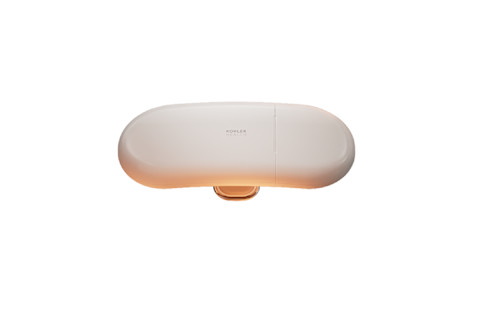
The introduction of Kohler Health’s Dekoda offered a unique solution. This device distinguishes itself by integrating seamlessly into the existing bathroom infrastructure, attaching to the toilet to passively collect critical data. Its capabilities include monitoring hydration status, tracking bowel movement frequency and consistency, and detecting the presence of blood. This information is then relayed to the Kohler Health App, enabling users to visualize long-term trends and establish a personalized baseline over time. The device’s core promise is to eliminate the guesswork associated with everyday health indicators by automating their tracking. Instead of relying on fallible memory or manual logging, Dekoda transforms an essential daily routine into a source of actionable health intelligence that can even be shared with healthcare providers if necessary.
Having evaluated numerous wellness technologies over the years, I understand the spectrum of innovation, from truly transformative tools to those that quickly fall into disuse due to demanding requirements. The critical question for Dekoda was not its capacity for data collection—which I had thoroughly researched and understood from a technological and scientific standpoint—but rather its potential for sustained user engagement. The most impactful health technologies are not necessarily those with the most features, but rather those that effortlessly integrate into one’s lifestyle. Dekoda’s design, which requires minimal alteration to existing habits, immediately stood out. It attaches to the toilet without necessitating replacement, operates discreetly in the background, and syncs with a user-friendly app that presents data in easily digestible trends.
Unboxing and Setting Up the Dekoda: A Surprisingly Effortless Start
My experience with the Dekoda began approximately six weeks ago, and the journey from unboxing to ongoing usage has been remarkably straightforward. As someone who tends to procrastinate on technology setup, the Dekoda’s packaging and instructions proved to be a pleasant surprise. The device arrived neatly organized, accompanied by a concise booklet that clearly identified each component. A QR code within the booklet provided direct access to step-by-step setup instructions. To my astonishment, the entire process, from unboxing to having the device fully operational, took mere minutes, dispelling my initial apprehension and confirming its user-centric design.
Seamless Integration into Daily Life
Post-setup, the Dekoda is ready for immediate use. Users have two convenient options for logging bathroom visits: via a fingerprint-protected remote or through the companion app. The initial habit of initiating a session quickly became second nature, and the device began accumulating data organically over time. My focus gradually shifted from the tracking process itself to the emerging patterns revealed within the app.
Unveiling Trends: Informative and Actionable Insights
One of the most appreciated aspects of the Dekoda system is its emphasis on long-term trends rather than isolated measurements. True health is not defined by a single day’s hydration level or an infrequent abnormal bathroom visit, but rather by the broader, consistent picture. The device’s ability to display data over time made it significantly easier to identify patterns that might otherwise have gone unnoticed. Instead of questioning my water intake for the week, I could visually confirm my hydration consistency. Similarly, vague recollections about my digestive regularity were replaced by a clear understanding of how my routine evolved and how my body responded to daily triggers.
This clarity is facilitated by the Kohler Health App, which avoids an overly clinical or overwhelming interface. It efficiently organizes collected information into easily reviewable trends. Rather than being confronted with a deluge of raw numbers, I gained a more profound understanding of my internal bodily processes. This data-driven approach empowers users to make informed decisions about their health and lifestyle.
Prioritizing Privacy and Data Security
In an era where personal health data is increasingly sensitive, Kohler Health’s commitment to privacy and data security is paramount. The company clearly outlines its data handling practices, emphasizing encryption and user control. This transparent approach instills confidence and fosters a sense of security, making it more comfortable to integrate this technology into the intimate setting of daily life. Users have direct control over their data, including the ability to export or delete it, reinforcing a commitment to individual privacy.
A Family-Friendly Approach to Health Monitoring
Traditional health trackers are often designed for individual use. However, bathrooms are inherently shared spaces within a household. The Dekoda, with its discreet design and optional family membership, addresses this reality effectively. My household, living in a one-bathroom apartment, presented a practical test case for its multi-user functionality. While I initially subscribed to an individual membership, the availability of a family membership allows for the support of multiple household members.
The family membership model enables up to six individuals to have their own distinct accounts and app access, ensuring individual control over tracking. When using the remote to log visits, each family member can effortlessly authenticate using their fingerprint, maintaining the privacy of their data. This feature is particularly valuable, as it allows for personalized health insights without compromising the privacy of other family members, even when sharing the same bathroom facilities. This inclusive approach recognizes the diverse needs of modern households and promotes a collective yet personalized approach to health monitoring.
The Verdict: A Worthwhile Investment in Proactive Well-being
As a wellness editor deeply invested in proactive well-being, I have consistently advocated for individuals to pay close attention to their bodies’ signals. The experience with the Dekoda underscored the significant advantage of having tangible data to complement these signals. The Dekoda’s appeal lies in its minimal user demand coupled with its ability to provide a unique and otherwise difficult-to-obtain perspective on personal health. Rather than imposing another task onto a user’s routine, the Dekoda elegantly integrates into an existing daily habit. In my years of testing wellness technology, I’ve found that the most successful innovations are those that operate unobtrusively, enhancing understanding without demanding constant attention. The Dekoda embodies this principle, quietly empowering users with a deeper self-awareness. Its ability to seamlessly translate everyday bodily functions into actionable health insights makes it a valuable tool for anyone seeking to proactively manage their well-being. The device effectively bridges the gap between theoretical health knowledge and practical, personal application, solidifying its position as a significant advancement in home-based health monitoring.
