
 By Nila Kartika Wati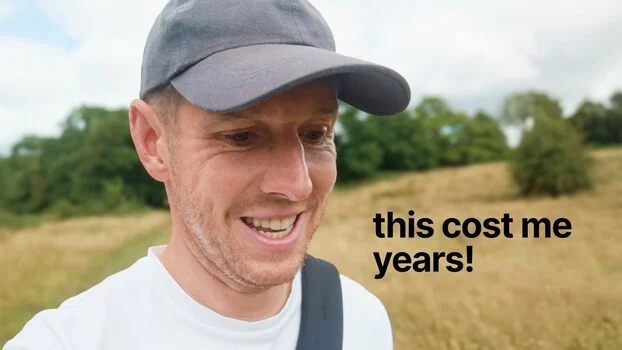
The recent, devastating loss of the iconic Sycamore Gap tree, a natural landmark intrinsically woven into the fabric of British landscape and cinematic history, serves as a stark, poignant reminder of a fundamental truth confronting every photographer: the impermanence of the scene before the lens. This profound sense of irretrievable loss forms the central tenet of a candid and insightful reflection by photographer Rick Bebbington, who, through a personal narrative of missteps and revelations, distills years of experience behind the camera into actionable wisdom for aspiring and seasoned visual artists alike. His journey, marked by both missed chances and transformative realizations, underscores the critical importance of seizing the moment, understanding one’s creative identity, and embracing collaborative learning over solitary endeavor.
The Immutable Lesson of Impermanence: Sycamore Gap and the Cost of Deferral
The felling of the Sycamore Gap tree, a solitary sycamore nestled dramatically within a dip in Hadrian’s Wall in Northumberland, on September 28, 2023, sent shockwaves through the United Kingdom and the global photographic community. For decades, this tree stood as one of the most photographed in the country, its distinctive silhouette against the ancient Roman wall becoming synonymous with the rugged beauty of the Northumberland National Park. It gained international fame after its appearance in the 1991 film "Robin Hood: Prince of Thieves," starring Kevin Costner, attracting countless tourists, hikers, and, crucially, photographers who sought to capture its unique grandeur. The tree, estimated to be over 300 years old, was not merely a picturesque landmark but a living testament to resilience and natural beauty, an enduring symbol of the region’s heritage. The act of vandalism that brought it down not only erased a beloved natural monument but also extinguished countless future photographic possibilities, transforming a living subject into a ghost in the collective memory of images. An ongoing investigation by Northumbria Police, supported by the National Trust, has led to arrests, highlighting the severity of the cultural and environmental impact of this irreparable act.
Bebbington candidly acknowledges this recent tragedy as a personal missed opportunity, echoing a recurring theme in his photographic career: procrastination. He recounts similar regrets, such as postponing a photographic expedition to Pripyat, the abandoned city near the Chernobyl Nuclear Power Plant. Pripyat, evacuated in 1986 after the catastrophic nuclear disaster, remains a haunting, frozen-in-time urban landscape. Its decaying Ferris wheel, abandoned schools, and overgrown streets offer a unique, eerie canvas for photographers seeking to capture the profound stillness of a human landscape reclaimed by nature. The decision to defer such an experience, much like the decision to defer a visit to Sycamore Gap, illustrates a common human tendency to assume the enduring presence of subjects. This assumption, Bebbington stresses, is a dangerous fallacy in the transient world of photography. His point was dramatically underscored when, shortly after concluding his reflective video, he encountered a local woodland bridge – once a fallen tree spanning a river – now snapped and impassable, a sudden, tangible manifestation of opportunity vanishing without warning.
This phenomenon of lost photographic chances resonates deeply within the artistic community. Professional landscape photographers often speak of the ephemeral nature of light, weather, and seasonal conditions that combine to create truly unique scenes. A perfect sunrise, a rare atmospheric phenomenon, or the brief bloom of a specific flora might occur only once in a lifetime at a particular location. The "fear of missing out" (FOMO) is not merely a social media construct but a professional anxiety for photographers who understand that the ideal confluence of elements might never reappear. Bebbington’s experiences serve as a powerful exhortation to cultivate a bias towards action, to embrace the "today" over the uncertain "tomorrow" when it comes to capturing the world. This proactive approach, he argues, is a form of artistic bravery, demanding that photographers commit to the present moment rather than trusting an unpredictable future.
The Perils of Gear Obsession: Beyond the "Shiny New Thing" Illusion
Beyond the temporal imperative, Bebbington delves into another pervasive pitfall for photographers: the seductive allure of new equipment. He articulates a common trajectory where photographers invest heavily in upgrades, often believing that superior gear is the shortcut to superior images. His own experience with the Canon 5D Mark III serves as a prime example. Acquired for professional wedding and low-light portrait assignments, the transition from an APS-C sensor camera to a full-frame model undeniably delivered a noticeable improvement in image quality, particularly in challenging lighting conditions and with respect to depth of field control. Full-frame sensors, being physically larger, typically offer better noise performance at higher ISO sensitivities, allowing for cleaner images in dim environments. They also provide a shallower depth of field at equivalent aperture settings, which can be advantageous for creating aesthetically pleasing background blur (bokeh) in portraits.
However, Bebbington’s reflection reveals a critical distinction: while the upgrade mattered significantly for specific professional applications, for his current, more personal photographic pursuits—which lean heavily towards street photography and diverse local subjects—he finds the full-frame advantage to be negligible. This observation challenges a widely held belief within the photography community that constant upgrades are essential for artistic growth. The market for photographic equipment is robust, driven by innovation cycles and aggressive marketing strategies that often emphasize incremental improvements as revolutionary. According to recent industry reports, while the overall camera market has seen a decline in unit sales since its peak in the early 2010s, the premium segment, particularly mirrorless full-frame cameras, continues to see strong revenue, sustained by an enthusiast base eager for the latest technology. Photographers, from hobbyists to seasoned professionals, are frequently bombarded with reviews and advertisements touting the latest models, often fostering a sense that their current equipment is somehow inadequate.
Bebbington’s introspection leads him to conclude that the "gear acquisition syndrome" (GAS) often masks a deeper issue: the avoidance of the more challenging, less glamorous work of honing one’s craft. The "new shiny thing" often promises a magical bypass around the fundamental requirements of consistent practice, diligent attention to composition and light, and simply getting out to shoot more frequently. His remedy for this pervasive trap is a simple yet profound question he now asks himself before any potential purchase: "Does this actually serve the kind of photographer I want to be, or do I just want the new shiny thing?" This question forces a crucial re-evaluation, shifting the focus from technological specifications to artistic intent. It encourages photographers to align their purchases with their creative vision, rather than succumbing to the consumerist cycle that often prioritizes equipment over artistry. The implication is clear: true photographic improvement stems from skill and vision, not merely from the specifications of one’s camera body or lens.
Cultivating Vision: The Importance of Self-Reflection and Editing Mastery
The efficacy of Bebbington’s guiding question hinges on a prerequisite: a clear understanding of one’s photographic identity. He admits to navigating years without such clarity, a common predicament for many who pick up a camera without a defined artistic direction. To address this, he champions a "what to shoot" exercise, a methodology that encourages photographers to analyze their favorite images—not necessarily their technically best, but those that resonate most deeply on an emotional or aesthetic level. This process aims to unearth the recurring themes, subjects, and aesthetic sensibilities that genuinely attract and motivate the individual. By identifying these underlying threads, photographers can move beyond aimless shooting and develop a more focused, authentic approach to their art. This self-discovery process is vital for long-term creative satisfaction and for making informed decisions about both gear and artistic direction. It allows for a cohesive portfolio to emerge naturally from genuine interest, rather than being forced by external expectations.
Complementing this self-discovery, Bebbington also emphasizes the often-underestimated importance of post-processing. He laments his late adoption of advanced editing techniques, a delay that caused him to prematurely dismiss numerous strong images from his archives. Modern photography, particularly in the digital age, is fundamentally a two-stage process: capture and post-production. The evolution of software like Adobe Lightroom and Photoshop has transformed editing from a niche skill into an integral part of the photographic workflow, allowing for precise adjustments in exposure, color, contrast, tone, and even composition that can significantly enhance an image’s impact and mood. Many photographers, especially beginners, often view editing as an optional extra or, worse, a means to "fix" a poor shot.
Bebbington’s experience, however, highlights the transformative power of editing when applied to well-composed frames. He rediscovered old photographs he had written off, only to find that with the editing skills he later acquired, they could be elevated to a high standard, revealing latent potential he had previously overlooked. This revelation underscores that learning to edit effectively is as crucial as learning to operate a camera and understand light. Yet, he also offers a vital caveat: editing is not a panacea for fundamentally flawed captures. "If the components of a good photo aren’t there," he asserts, "no edit brings them back." This "garbage in, garbage out" principle remains foundational. Strong images are built on solid composition, compelling light, and an engaging subject; editing serves to refine, enhance, and articulate these elements, not to create them from scratch. The skill lies in knowing what to capture and then how to meticulously craft that capture into its final, most impactful form.
Breaking the Isolation Cycle: The Power of Mentorship and Community
Perhaps one of Bebbington’s most critical insights revolves around the pitfalls of solitary learning, a pervasive trend exacerbated by the digital age. He recounts years spent believing he could master photography in isolation, inadvertently limiting his growth by avoiding workshops and shying away from interactions with more experienced photographers. The internet, while an unparalleled repository of information, has fostered a culture of self-teaching where endless tutorials, YouTube videos, and online courses provide a seemingly complete learning path, often without the need for direct interaction or scheduled commitments. This model, while convenient and accessible, quietly removes a crucial element: external perspective and constructive critique.
The transformative impact of collaboration became evident to Bebbington when he began working alongside renowned landscape photographer Nigel Danson on his video projects. This experience, he describes, was "transformative across every part of his craft." Danson’s mentorship provided not just technical guidance but a crucial external eye, offering insights and asking questions that Bebbington, immersed in his own creative bubble, would never have considered. This highlights a fundamental truth about skill development in any creative field: true growth often occurs in dialogue with others. A mentor or peer can identify blind spots, challenge assumptions, and provide nuanced feedback that accelerates learning in ways that self-study alone cannot. The value of an experienced eye pointing out a compositional flaw or suggesting an alternative approach to light cannot be overstated, as it provides perspectives that an individual, trapped within their own frame of reference, might entirely miss.
The rise of online photography communities, while offering a semblance of connection, often lacks the depth of engagement found in direct mentorship or local photography groups. While platforms like Instagram and Flickr allow for sharing, the feedback is often superficial, limited to "likes" or generic compliments, failing to provide the kind of incisive critique necessary for genuine improvement. Bebbington’s journey suggests that for those feeling stagnant despite rigorous self-study, the missing piece is frequently a human connection – someone who can offer an objective assessment, push creative boundaries, and share practical wisdom gleaned from years of experience. Actively seeking out like-minded photographers, whether through local clubs, online forums with structured critique, or dedicated workshops, tends to sharpen one’s eye and technical prowess far more rapidly than passive consumption of video tutorials. This collaborative environment fosters accountability, encourages experimentation, and provides a crucial support system for navigating the challenges of creative work.
Redefining Specialization: The Balance Between Niche and Creative Freedom
Bebbington also challenges a piece of conventional wisdom frequently dispensed in creative fields: the imperative to "niche down." The prevailing advice suggests that specializing in a single genre—be it landscape, portrait, street, or wildlife—is the surest path to becoming an "absolute best" in that category, thereby establishing a strong brand, attracting a specific clientele, and achieving commercial success. For some, particularly those aiming for professional recognition or a highly defined commercial identity in a competitive market, this strategy is undoubtedly effective. It allows for the development of deep expertise and a recognizable style.
However, Bebbington argues that for most photographers, the rigid adherence to a single niche can impose creative constraints that ultimately cost more in artistic fulfillment than they return in professional recognition. He recounts his own attempt to force himself into landscape photography, only to realize too late that this focus had inadvertently sidelined his genuine passion for street photography and other diverse, random subjects he truly loved to capture. This experience highlights the potential for burnout and creative stagnation when an artist feels compelled to conform to a specific mold that doesn’t align with their intrinsic interests. The pressure to consistently produce within a narrow genre can stifle experimentation and lead to a diminished joy in the photographic process.
Instead, Bebbington advocates for a companion idea threaded throughout his philosophy: shoot as often as possible, even mundane subjects close to home, but critically, step back and reassess when the act of creation begins to feel forced. This approach encourages consistent practice without the pressure of strict genre adherence. His embrace of frequent local sessions, rather than occasional, grand "sunrise trips" to exotic locales, became a significant accelerant in clarifying his photographic vision. Shooting familiar surroundings allows for a deeper exploration of light, composition, and subject matter over time, fostering an intimate understanding that can be elusive in fleeting visits to famous spots. It also removes the logistical and financial barriers associated with extensive travel, making consistent photographic practice more sustainable and enjoyable. This balance between dedicated practice and creative freedom, Bebbington suggests, ultimately leads to a more authentic and rewarding photographic journey, allowing the photographer’s true passions to guide their lens.
Growth from Error: A Reassuring Perspective on the Photographic Journey
The entirety of Bebbington’s discourse, while framed around the concept of "mistakes," carries a refreshingly light and ultimately reassuring tone. He acknowledges the initial sting of regret associated with missed opportunities or misguided investments, but crucially reframes these experiences not as failures, but as indispensable components of his growth. His current position—one of clarity, purpose, and genuine enjoyment in his craft—is, he asserts, a direct outcome of these exact missteps. This perspective offers a powerful message of resilience and learning, reminding us that errors are not endpoints but rather crucial waypoints on the path to mastery and self-discovery. The journey of a photographer, much like life itself, is less about avoiding mistakes and more about extracting profound lessons from them, transforming past regrets into future wisdom. His narrative, punctuated by the simple joy of encountering "big dogs on the path," suggests that even amidst introspection and critique, the fundamental pleasure of engaging with the world through a lens should remain at the core of the photographic endeavor.
For those eager to delve deeper into these lessons directly from the source, Rick Bebbington’s full reflections are available for viewing in his video, providing a comprehensive and engaging account of these transformative insights for the photographic community. His narrative serves as a vital compass, guiding photographers not just on how to improve their craft, but how to cultivate a more mindful, fulfilling, and authentic relationship with their art.
