
 By Eva Lovia
The human body is a marvel of engineering, with intricate systems working in concert to facilitate every movement, from the most explosive athletic feats to the simple act of standing. While much attention is often given to the larger, more visible muscle groups—the biceps, quads, abs, and glutes—a foundational element of our biomechanical architecture frequently goes overlooked: the feet. Comprising 29 small, interconnected muscles, 26 bones, and over 100 ligaments, tendons, and muscles, the feet are the primary interface between our bodies and the ground, playing a critical role in everything from posture and balance to long-term health and athletic performance. Neglecting their health and strength can lead to a cascade of issues that impact the entire kinetic chain, ultimately affecting our ability to live independently and vibrantly as we age.
The conventional focus on exercise and physical well-being often centers on strengthening prime movers and addressing aesthetically prominent muscle groups. This approach, while beneficial for many aspects of fitness, inadvertently creates a blind spot regarding the complex network of muscles within the feet. These muscles, responsible for fine-tuning balance, absorbing shock, and adapting to varied terrain, are constantly engaged in a sophisticated feedback loop with the brain. Thousands of mechanoreceptors on the soles of our feet transmit real-time data about pressure, texture, and position, allowing the brain to make micro-adjustments that maintain stability and optimize gait. This automatic process is so seamless that it is easily taken for granted, until its breakdown begins to manifest in more noticeable problems.
The consequences of neglecting foot health extend far beyond localized discomfort. Dysfunction in the feet can initiate a chain reaction of compensatory patterns that travel upward through the ankle, knee, hip, and ultimately to the spine. A weakened or tight arch, for instance, may lead to altered biomechanics that contribute to knee pain, hip instability, or chronic lower back tightness. This interconnectedness underscores the importance of viewing the feet not as isolated appendages, but as an integral component of the body’s overall structural integrity and functional capacity.
The Longevity Connection: Feet as Predictors of Future Mobility
Leading experts in biomechanics and longevity are increasingly highlighting the critical link between foot strength and overall healthspan. Dr. Courtney Conley, a chiropractic physician specializing in foot and gait mechanics, emphasizes that a decline in foot strength is directly correlated with a reduction in gait speed, an increased risk of falls, and a subsequent loss of independence in older adults. These are not merely orthopedic concerns; they are tangible indicators of an individual’s ability to navigate their environment safely and maintain their autonomy as they age. Research consistently shows that measures of foot strength and function can serve as early predictors of an individual’s mobility and quality of life in later years.
The implications of this connection are profound. For individuals aiming to maintain an active lifestyle and preserve their independence well into their later years, investing in foot health is not an optional add-on but a fundamental strategy. The ability to walk unassisted, maintain balance, and adapt to everyday environmental challenges are all heavily reliant on the strength and resilience of the feet. As the population ages, understanding and prioritizing foot care becomes an essential public health consideration, not just for the prevention of injuries but for the promotion of sustained well-being and an extended period of functional independence.

A Personal Experiment: Reintegrating Foot Health into Daily Life
Recognizing this glaring oversight in conventional wellness practices, an observational experiment was undertaken to explore the impact of intentionally prioritizing foot health. Over a period of one month, a series of simple yet deliberate changes were integrated into daily routines, focusing on increasing awareness and engagement with the feet. The aim was not to undertake an extreme regimen, but rather to cultivate a more mindful approach to how the feet interact with the world.
The experiment began with the introduction of toe spacers. Initially, these devices, designed to gently encourage the natural splay of the toes, felt unfamiliar and even slightly uncomfortable. This initial reaction was attributed to years of wearing shoes that constrict the natural alignment of the foot. Observing the compressed toe structure in some elite athletes, a concern arose about the long-term consequences of such footwear choices. Consequently, the use of toe spacers was increased, particularly after activities involving significant foot compression, such as pickleball or extended walking. Within a few weeks, the initial discomfort subsided, and the practice became a welcome part of the evening routine.
Parallel to this, foot-specific strength exercises were incorporated. These were not time-intensive or complex, primarily involving slow calf raises with an eccentric focus (emphasizing the lowering phase), short-foot exercises (designed to strengthen the intrinsic muscles of the arch), and attempts at independent toe movement. These exercises were often performed while standing at a desk or during brief pauses throughout the day, minimizing the barrier to entry. The surprising discovery was the inherent difficulty of some of these movements, particularly the toe isolation work, highlighting the underdeveloped state of these muscles.
A further adjustment involved reducing reliance on house slippers. While acknowledging the comfort they provide, the rationale was to increase direct ground contact and encourage the activation of intrinsic foot muscles, rather than allowing them to remain passively supported. Given the urban environment, where barefoot walking is infrequent, this shift focused on maximizing barefoot time within the home. Additionally, training in socks during gym sessions, especially for single-leg exercises and squats, was implemented to enhance proprioception and foot engagement.
Finally, a comprehensive footwear audit was conducted. This involved a critical examination of the shoes worn most frequently—walking shoes, training shoes, and everyday footwear. The focus was on the shape of the toe box, the degree of cushioning, and the overall structural support. It became apparent that modern footwear often prioritizes immediate comfort in a way that can compromise functional capacity. Highly cushioned shoes, for instance, can dampen the sensory input from the feet, reducing proprioception and creating a less stable base of support. This can lead to subtle micro-instabilities that propagate up the kinetic chain, accumulating over time.
Exploring Footwear Innovations: A Shift in Biomechanical Awareness
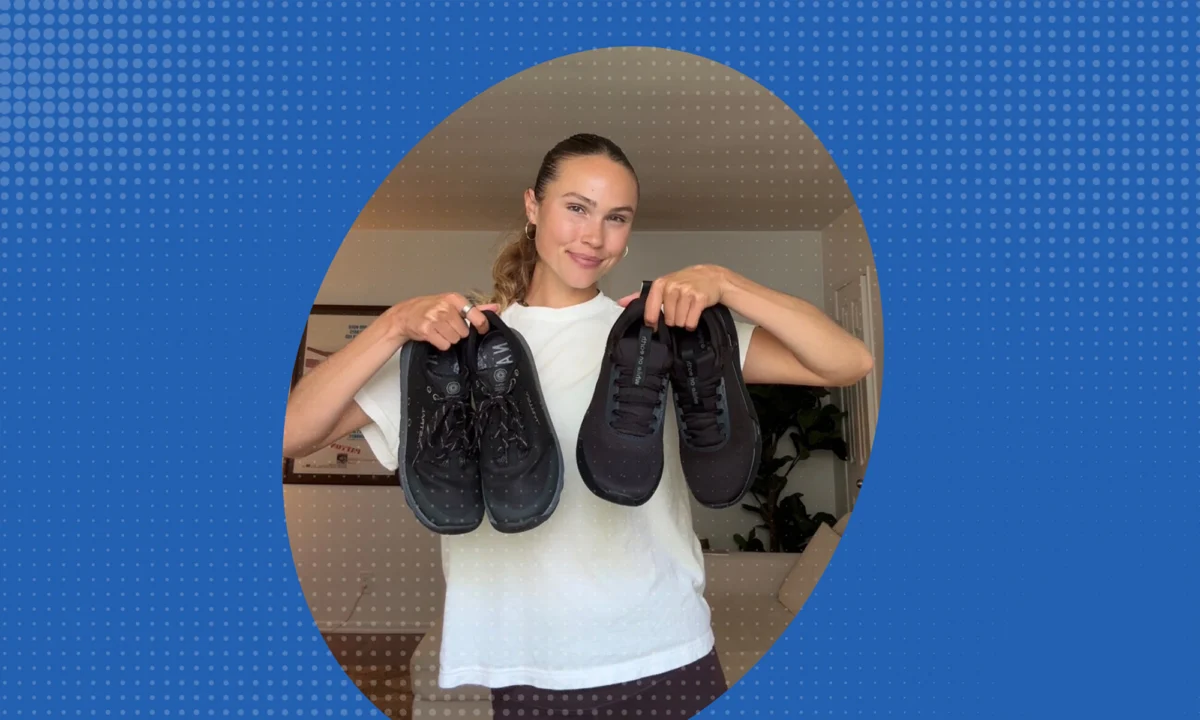
The footwear audit led to an exploration of alternative shoe designs that promote greater foot function. Two specific types of footwear were trialed to assess their impact: the Astral TR1 Sensi HT and the while on earth Move Trainer.
The Astral TR1 Sensi HT, characterized by its exceptionally wide toe box, offered an immediate and noticeable difference compared to previous footwear. The increased space allowed the toes to splay naturally, prompting a reevaluation of how the feet had been previously constrained. These shoes feature a zero-drop design, meaning there is no difference in height between the heel and the forefoot, promoting a more natural foot strike. They are constructed with natural fibers and engineered to maximize ground feel while still offering adequate support. Initially, these were used for lower-impact activities like walks and errands, with a gradual increase in wear time to allow the feet to adapt to the zero-drop design. This gradual transition is crucial, as a sudden switch from heavily cushioned, heeled shoes to zero-drop footwear can lead to strain if the foot muscles are not adequately prepared.
The while on earth Move Trainer was selected for more active days, including workouts and longer walks. This shoe also boasts a generous toe box, a feature that became increasingly apparent and appreciated after experiencing the Astrals. It features a 6mm heel-to-toe drop, offering a minimal yet slightly more cushioned profile than the Astrals. This added cushioning was found to be beneficial during higher-impact activities. While primarily designed for gym use, the Move Trainer proved versatile enough for extended walks as well, effectively covering a range of daily activities.
The cumulative effect of wearing these different styles of footwear was significant. Returning to previous, more conventional shoes quickly felt like a downgrade, highlighting the diminished sensory input and the constrictive nature of the older designs. This experience reinforced the understanding that footwear choices have a direct and measurable impact on foot mechanics and overall body awareness.
Observed Benefits: Tangible Improvements in Stability and Comfort
After one month of dedicated focus on foot health, the observed changes were subtle yet impactful. A notable improvement in stability was experienced during single-leg exercises, such as split squats and Romanian deadlifts, where balance is paramount. Furthermore, foot fatigue after prolonged activities like long walks, runs, or intense pickleball sessions was significantly reduced. During heavy lifts in the gym, a greater sense of strength, control, and connection to the ground was reported.
However, the most profound shift was an increase in overall awareness. The individual became more conscious of their standing posture, weight distribution, and the influence of footwear. This heightened proprioception led to a more grounded feeling and a quicker ability to self-correct any perceived imbalances. This increased body awareness is a critical component of injury prevention and optimal performance, enabling individuals to respond proactively to their body’s signals.

Recommendations for Enhanced Foot Health
Based on this experiment, several actionable recommendations can be offered to individuals seeking to improve their foot health:
- Gradual Transition to Minimalist Footwear: For those accustomed to heavily cushioned or heeled shoes, a gradual transition to minimalist or zero-drop footwear is advised. This allows the foot muscles to adapt and strengthen over time, preventing potential strain or injury.
- Incorporate Foot Strengthening Exercises: Simple exercises such as calf raises with eccentric focus, short-foot exercises, toe splay drills, and barefoot balance work can be integrated into daily routines.
- Increase Barefoot Time: When safe and practical, increasing barefoot time indoors or on suitable outdoor surfaces can stimulate intrinsic foot muscles and improve sensory feedback.
- Utilize Toe Spacers: Regular use of toe spacers, especially during periods of rest, can help counteract the effects of constrictive footwear and promote better toe alignment.
- Perform a Footwear Audit: Regularly assess the fit, shape, and support of everyday footwear, prioritizing shoes that allow for natural toe splay and promote ground feel.
- Seek Professional Guidance: For persistent foot pain or concerns about gait mechanics, consulting with a podiatrist, physical therapist, or chiropractic physician specializing in biomechanics is recommended.
The Underscored Importance of Foot Health
In conclusion, the pursuit of athletic goals, aesthetic ideals, and longevity targets often overlooks the fundamental role of the feet. While visible muscles and impressive lifts garner attention, the foundation upon which all movement is built—the 29 muscles, 26 bones, and intricate network of nerves and connective tissues within the feet—is frequently neglected. Investing in foot health is not merely about preventing pain; it is about enhancing performance, improving balance, reducing the risk of falls, and ultimately, preserving independence and quality of life as we age. The intricate feedback system of the feet is the starting point for every step, every stride, and every athletic endeavor. By recognizing and nurturing this critical foundation, individuals can unlock greater potential for movement, resilience, and sustained well-being throughout their lives. The path to optimal health, from athletic achievement to long-term independence, is, quite literally, underfoot.
