
 By Jia Lissa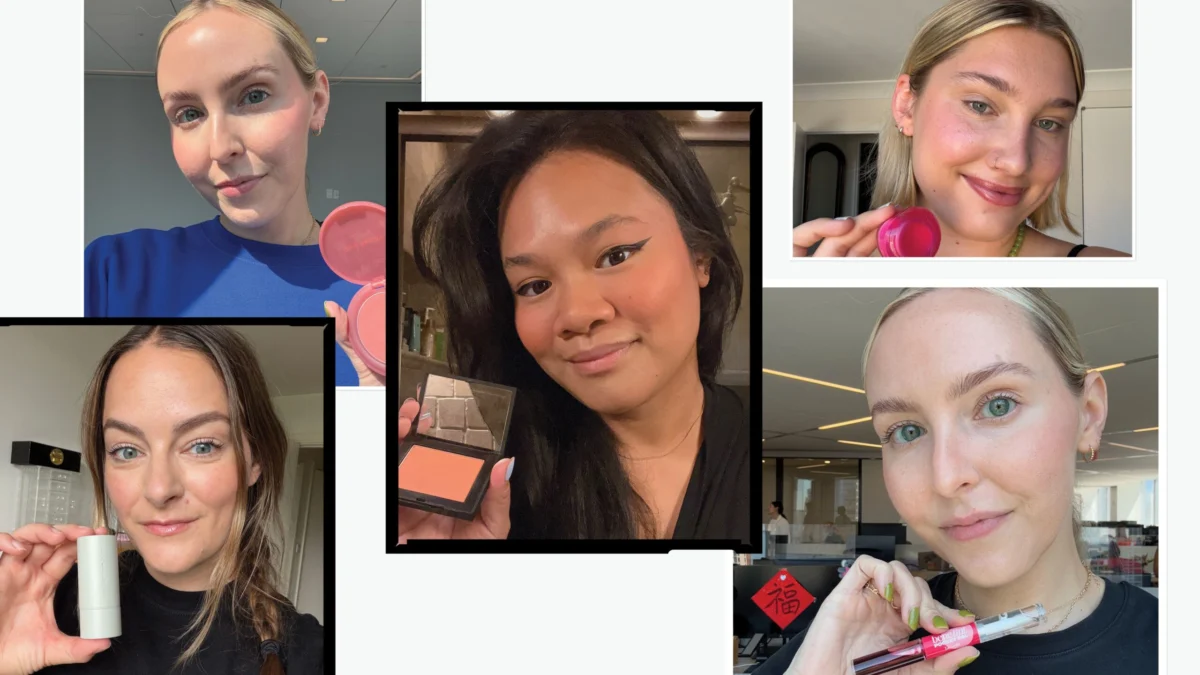
In a significant shift from the makeup routines of the past, the blush market has exploded, moving far beyond the once-ubiquitous pressed powder compacts. This evolution offers consumers an unprecedented array of options, from classic powders to innovative creams, gels, stains, and even unique hybrid formulas. While this expanded selection provides ample opportunity for personalization, it also necessitates a deeper understanding of each product type and its optimal application. Makeup artists are weighing in to demystify these diverse cheek pigments, offering insights into achieving desired looks and maximizing their potential in any makeup bag.
The traditional pressed powder blush, long considered the workhorse of the makeup world, remains a versatile staple. Its enduring appeal lies in its adaptability across various finishes – matte, satin, luminous, and shimmer – and its user-friendly nature. "Pressed powder blush is incredibly forgiving," explains Allan Avendaño, a Los Angeles-based makeup artist. "It works well on bare skin, over powder foundations, and even over liquid foundations, provided the foundation has had time to dry and set. Its buildable opacity means you can achieve anything from the subtlest hint of color to a dramatic, editorial flush."

Diana Koshurba, another respected makeup artist, echoes this sentiment, highlighting the skin-like finish often achieved with modern pressed powder formulations. "They offer excellent wear time, typically between 8 to 12 hours," she notes. "Furthermore, they are excellent for setting cream or liquid blushes underneath, extending the wear of both products and enhancing color payoff." This dual functionality underscores the powder blush’s continued relevance in a competitive market.
Pro Tips for Pressed Powder Blush
For those new to makeup or seeking a foolproof application, makeup artists universally recommend starting with a minimal amount of product. "Always begin with less product than you anticipate needing and gradually build the color," advises Melissa Hurkman, a makeup artist whose clientele includes notable celebrities. This approach prevents over-application and allows for precise control over the intensity of the flush.
The choice of applicator is also crucial. A fluffy brush, such as the Sephora Collection Pro Blush Brush #96 or the Real Techniques Precision Blush Brush, is ideal for sweeping pressed powder blush onto the cheeks. "A gentle smile can help identify the apples of the cheeks," suggests Miami-based makeup artist Patricia Longo. "Sweep the color onto this area, blending upwards towards the temples to create a lifted, sculpted effect." Koshurba and Hurkman both advocate for a subtle dusting of powder blush across the bridge of the nose for a cohesive, sun-kissed look that enhances the overall naturalness of the application.

Pressed powder blush also serves as an excellent finishing touch for other blush formulas. "I often apply powder blush over cream or liquid blush once they’ve set slightly," Avendaño shares. "This helps to lock the color in place, increases opacity, and ensures a longer-lasting finish."
Cream Blush: A Modern Favorite
Cream blush has surged in popularity, celebrated for its ability to seamlessly melt into the skin and its inherent blendability, making it accessible to users of all skill levels. Available in convenient compacts and user-friendly sticks, cream blushes offer a diverse range of finishes, from a dewy, hydrated glow to a more sophisticated, powder-like matte. "The finish of a cream blush can vary significantly based on the formula," Hurkman explains. "Some provide a sheer, luminous effect, while others offer a more pigmented, satin finish."
Longo expresses particular enthusiasm for cream blushes, noting the incorporation of skincare-centric ingredients like squalane and peptides in many contemporary formulations. "These ingredients contribute to a healthy, hydrated appearance," she says. "They are particularly flattering on mature skin as they tend to avoid emphasizing texture, unlike some matte powder formulations." This emphasis on skin benefits further elevates cream blush beyond mere cosmetic enhancement.

The versatility of cream blush is undeniable, with Avendaño citing its frequent use in both high-profile red carpet looks and everyday casual wear. However, he cautions that without a setting step, cream blush may require reapplication. "While buildable, cream blushes, like other emollient products, can fade more quickly throughout the day as the skin naturally absorbs them," he states.
Pro Tips for Cream Blush
Cream blush offers a multitude of application techniques. Longo prefers using her fingertips, believing the warmth of the hands aids in seamlessly blending the product into the skin, providing the utmost control. Alternatively, a damp sponge or a dense brush can be used to buff and blend the cream.
While applying directly from a stick is an option, Hurkman suggests a more controlled approach: "I often pick up cream blush product with a brush first, rather than applying it directly to the cheeks from the stick. This allows for greater precision and helps to protect the underlying foundation from disruption."

For a subtle, natural flush, Avendaño recommends the underpainting technique. This involves applying cream blush before foundation, allowing the color to peek through in a whisper-light manner for an incredibly organic effect.
Liquid Blush: Potent Pigment, Delicate Application
Liquid blush shares many of the desirable attributes of cream formulas, including buildability and a luminous finish, but often presents an even lighter texture and a more concentrated pigment. "One or two dots are typically sufficient for a full application," Koshurba advises, emphasizing the surprising pigmentation of these weightless products. She cautions against applying broad strokes, as the intensity can be difficult to manage.
Many users find liquid blushes to be less forgiving than their cream counterparts. "They demand a careful hand," Longo notes. "If not blended quickly and evenly, they can result in streaks or patchy application."

Despite the need for precision, Koshurba highlights the radiant results achievable with liquid blush. "Liquid blush creates a fresh, glowing, healthy-looking complexion," she says. "It is equally effective for natural everyday makeup and for radiant bridal looks."
Pro Tips for Liquid Blush
The consensus among makeup artists is to blend immediately. "Do not move to the other cheek until the first is fully blended," is the resounding advice. Whether using fingers, a sponge, or a brush, swift blending is paramount.
"Well-moisturized skin is essential for an even application of liquid blush," Longo emphasizes. This holds true whether applying directly to bare skin or over a liquid foundation.

While applying liquid blush over powder is generally discouraged due to potential for patchiness, Hurkman offers a workaround: "If you must apply liquid blush over powder, use a tapping motion with a sponge or brush to minimize disturbance of the underlying makeup." For those uncertain about the pigment intensity, Koshurba suggests dispensing a small amount onto the back of your hand first to gauge the necessary quantity.
Cheek Tints and Stains: Long-Lasting, Subtle Color
Cheek tints and stains are lauded for delivering sheer, enduring color that integrates into the skin, creating a "just-pinched" flush. "These formulas are exceptionally long-wearing and allow natural skin texture and features, like freckles, to show through," Longo explains. Avendaño recommends their use exclusively on bare skin for this very reason.
The primary advantage of tints and stains is their longevity. "Once they set, they remain in place," Hurkman asserts. "They are lightweight, transfer-resistant, and ideal for extended wear, even in high temperatures." However, this permanence also presents a challenge: "If you don’t blend them quickly, you risk creating a difficult-to-correct, blotchy stain on the skin."

Pro Tips for Cheek Tints and Stains
Speed is of the essence with these fast-setting formulas. "Work with a single dot, applying it to one cheek at a time, and blend immediately," is the universal recommendation.
"If you desire a bolder color payoff, reapply a second layer," suggests Avendaño. "It is far easier to add more stain than to remove an over-application."
Gel and Jelly Blush: Translucent, Dewy Finish
Gel and jelly blushes bridge the gap between cream blush and cheek tint, offering a translucent, almost candy-like appearance. Their lightweight, cooling textures provide a refreshing sensation upon application. The resulting finishes can range from dewy to a subtle stain, depending on the specific product.

Often packaged in sticks or balms within compacts, these blushes are strongly associated with summer makeup trends and look particularly striking on bare skin. Avendaño is a proponent of the Milk Cooling Water Jelly Tint, praising its rapid setting time and long-lasting color pop. "It functions much like a stain, adhering exceptionally well to bare skin," he notes.
Gel and jelly blushes generally blend well with liquid and cream foundations. However, similar to other non-powder formulas, application over powdered bases may prove challenging.
Pro Tips for Gel and Jelly Blush
There is no single prescribed method for applying gel or jelly blush. Avendaño favors a dense, domed brush or a sponge for stippling the product onto the cheeks. Hurkman prefers using her fingertips to gently press the blush into the skin.

"A stick formulation can be applied directly to the cheeks using small, circular motions, followed by blending with fingertips," Longo advises. However, she cautions that some gel blushes may require reapplication throughout the day, as their finish can remain closer to the skin’s surface.
Bouncy Blush: A Hybrid Texture
The "bouncy blush" category owes much of its popularization to the now-discontinued Maybelline New York Dream Bouncy Blush, a product that set a new benchmark for tactile experience in makeup. These innovative formulations combine the airy feel of a mousse with a cream-to-powder finish. They are notably cushiony to the touch, feel weightless on the skin, and typically dry down to a soft satin or velvety texture.
"When I encounter bouncy blush, I often think of Korean beauty trends," Avendaño remarks. He appreciates the soft-focus effect these formulas create, especially when blended across the cheeks and even onto the eyelids. Longo concurs, identifying them as ideal for achieving a glowing, everyday makeup look.

The hybrid texture of bouncy blush makes it compatible with bare skin, liquid foundations, and even lightly powdered complexions.
Pro Tips for Bouncy Blush
Fingertips are consistently recommended for applying bouncy blush, as they help to preserve the product’s unique texture while ensuring a natural integration with the skin. "Using your fingers is perhaps the easiest and most convenient application method, though a dense brush can also be effective for stippling," states Avendaño, who highlights the blurred, matte finish of the Rare Beauty Soft Pinch Matte Bouncy Blush.
Hurkman also advocates for a dense brush, preferably with synthetic bristles, for blending bouncy blush. "Press the product into the skin rather than sweeping it," she instructs. "This technique promotes a more seamless, skin-like finish."

Loose Powder Blush: An Ethereal Finish
Loose powder blush represents a less common, though highly refined, iteration of traditional pressed powder. Its finely milled texture results in a diffused, almost airbrushed effect, providing a sensation of lightness on the skin.
Despite its delicate appearance, loose powder blush is potent. "Because the pigment is not compressed, a small amount of product yields significant color payoff," Hurkman notes. Koshurba echoes this, stressing the importance of a light hand. Both she and Avendaño favor the Givenchy Prisme Libre Loose Powder Blush for its blurring capabilities.
Avendaño indicates that loose powder blush is suitable for both bare and prepped skin, but cautions that its application requires more control. "Similar to pressed powder blushes, it’s best applied over foundation that has been set or has begun to dry down to prevent an uneven or patchy result," he advises.

Pro Tips for Loose Powder Blush
A universal rule for loose powder blush is to tap off any excess product from the brush before application. "I prefer to apply it in a swirling motion on the apples of the cheeks and extending towards the temples," says Avendaño. Koshurba recommends gentle, circular buffing motions for an optimal finish.
Loose powder blush can also serve to enhance the application of pressed powder blush. "If your pressed powder blush appears streaky or uneven, a light dusting of loose powder blush can help to smooth out the finish, either applied beforehand or as a finishing touch," Koshurba suggests.
The continuous innovation in blush formulations reflects a broader trend in the beauty industry towards personalized application and enhanced product performance. As consumers become more informed, the demand for diverse textures and sophisticated finishes is likely to drive further advancements in cheek color technology.
