
 By Nila Kartika Wati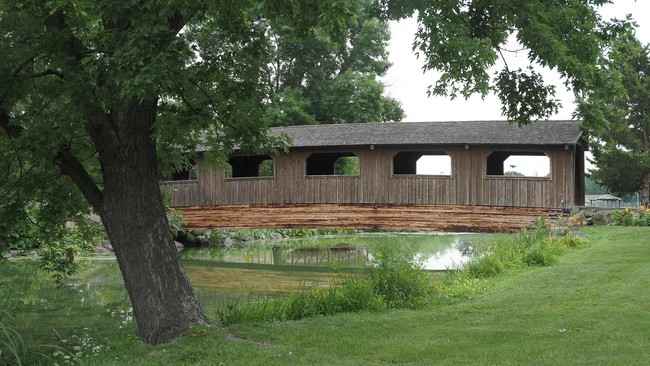
The ubiquitous practice of capturing multiple, slightly varied images of a single subject under time constraints, colloquially termed "safety frames," has become a defining characteristic of modern digital photography. This approach, often born from necessity during moments of swift transit or social engagement, aims to ensure at least one technically sound and emotionally resonant image is secured. However, this seemingly pragmatic strategy frequently culminates in a post-capture dilemma, as photographers grapple with a surfeit of similar images, leading to what is widely recognized as the paradox of choice during the crucial culling and editing phases. This article delves into the origins of this photographic habit, its psychological implications, and an emerging paradigm shift that redefines these rapid-fire captures from individual contenders to cohesive visual studies.
The Genesis of Safety Framing in the Digital Age
The concept of taking multiple shots to guarantee a usable outcome is not novel, tracing its roots back to early photographic practices where film latitude and processing inconsistencies necessitated redundancy. However, the advent of digital photography dramatically amplified this tendency. With storage costs plummeting and the immediate feedback offered by LCD screens, the financial and logistical barriers to capturing numerous frames effectively vanished. Unlike the era of film, where each click carried a tangible cost in terms of material and development, digital sensors offer an almost limitless capacity for image acquisition, fostering a culture of abundant shooting.
Photographers frequently find themselves in situations where optimal conditions for a deliberate photographic session are absent. Family outings, brisk walks with friends, or hurried transitions between appointments often present fleeting moments of visual interest. In these scenarios, the luxury of setting up a tripod, meticulously composing a shot, or adjusting settings for several minutes is simply unavailable. The immediate instinct is to raise the camera, quickly adjust perspective or angle, and fire off several exposures in rapid succession. This quick burst, designed as an insurance policy against missed focus, poor exposure, or an unappealing composition, becomes the "safety frame." It is an intuitive response to capture the essence of a place or subject without disrupting the primary activity or falling behind a moving group.
The Paradox of Choice: A Cognitive Burden
While initially a comfort, the volume of safety frames often transforms into a significant post-production challenge, particularly when reviewing images in software platforms like Adobe Lightroom. This phenomenon aligns closely with the psychological concept of the "paradox of choice," as popularized by psychologist Barry Schwartz. When faced with an overwhelming number of similar options, individuals often experience increased anxiety, decision fatigue, and ultimately, dissatisfaction with their final selection, even if one of the choices was objectively good.
For photographers, this manifests as extended periods spent scrutinizing minute differences between frames: slight shifts in focus, subtle variations in light, the precise positioning of an incidental element at the edge of the frame, or fractional changes in facial expressions. What began as a practical measure to ensure success can devolve into "analysis paralysis," where the sheer number of similar images prevents a definitive decision. A study published in the Journal of Consumer Research on choice overload has demonstrated that while more options initially seem desirable, they can lead to reduced engagement and satisfaction in the long run. In photography, this can mean perfectly adequate images languishing unedited in a digital catalog, or worse, being discarded due to an inability to identify a singular "perfect" frame. This outcome can significantly diminish the enjoyment derived from the photographic experience itself, replacing creative satisfaction with cognitive strain.
Case Study: The Covered Bridge Dilemma
Consider a common scenario: a photographer encountering a picturesque covered bridge during a family vacation. Driven by an innate appreciation for such structures and limited by the pace of their companions, four quick frames are captured: a wide contextual shot, a closer view emphasizing architectural details, a low-angle perspective through its interior, and a final shot from the opposite side. Upon review, the technical merits of each frame may be similar, yet none immediately present themselves as a definitive "hero shot" — a standalone masterpiece worthy of immediate publication or exhibition.
The conventional culling process would dictate selecting the single best frame, often leading to an exhaustive comparison that highlights minor flaws rather than inherent strengths. This iterative process of zooming to 100% to check sharpness, evaluate distractions, or assess light shifts, applies technical criteria to what was fundamentally an intuitive, reactive capture. The initial relief of having multiple options gives way to frustration, as the absence of a clear winner overshadows the collective value of the series.
Shifting Paradigms: Embracing Visual Studies and Series
A compelling alternative emerges by recontextualizing these safety frames not as individual competitors, but as components of a cohesive visual study or series. This conceptual shift redefines the objective of the culling process from elimination to curation, encouraging photographers to explore how images interact and collectively tell a richer story.
When images are captured rapidly and instinctively, they often serve as visual sketches, documenting various facets of a subject or environment as experienced in real-time. Each frame, while perhaps incomplete on its own, contributes a unique perspective to a broader narrative. The four shots of the covered bridge, for instance, cease to be isolated contenders and instead form a small, honest exploration of the structure from different vantage points and moments in time. This approach aligns with the principles of documentary photography and visual journaling, where the aggregate of images often conveys more depth and meaning than any single photograph.
This mindset transition encourages a different set of evaluative questions during post-production:
- How do these images complement each other?
- What collective narrative emerges when viewed together?
- Does the series effectively convey the feeling or experience of the moment?
This framework allows for the inclusion of technically imperfect but narratively significant frames, and the exclusion of shots that, despite technical merit, do not contribute to the overall coherence of the series. The focus shifts from individual perfection to the strength of the collective, fostering a more holistic and less stressful editing process.
Uncovering Photographic Instincts: The Unfiltered Eye
Beyond mitigating culling fatigue, the practice of taking safety frames offers a profound secondary benefit: a candid glimpse into a photographer’s unfiltered visual instincts. When operating under time pressure, the conscious mind, often preoccupied with compositional rules, technical settings, and the pursuit of an "ideal" image, is largely bypassed. Instead, muscle memory, intuition, and an innate visual sensibility take precedence.
During dedicated photo shoots, photographers often engage in a deliberate, analytical process: setting up, reviewing shots, making adjustments, and consciously applying learned principles of composition and lighting. This is an active attempt to create art. Conversely, when shooting handheld on the fly, the process becomes reactive and spontaneous. The camera becomes an extension of the eye, capturing what instinctively catches attention without the overlay of extensive critical thought.
Reviewing these unrefined frames provides an honest baseline of one’s photographic tendencies. It reveals inherent preferences for certain compositions, perspectives, or focal lengths. A photographer might discover an unconscious inclination towards wide environmental shots, intimate details, abstract patterns, or specific light qualities. This unfiltered data can be invaluable for self-discovery, offering insights into one’s personal visual language before conscious artistic intent intervenes. It helps answer fundamental questions: What truly captures my eye when I am not actively trying to "make art"? What kind of stories do I instinctively tell? This self-awareness can then be consciously integrated into more deliberate photographic projects, enriching a photographer’s unique style.
Implications for Photographic Education and Workflow
The widespread adoption of digital "safety frames" necessitates a re-evaluation within photographic education and workflow methodologies. Traditional instruction often emphasizes the singular, decisive moment, a concept deeply rooted in the limitations of film. However, modern practice suggests a need to also teach the art of sequencing, visual storytelling through multiple images, and efficient series-based culling.
Photography educators can incorporate modules on creating cohesive visual essays from rapid-fire captures, encouraging students to think beyond the "hero shot" paradigm. Software developers, too, might consider enhancing tools that facilitate series management and contextual viewing during the culling process, moving beyond simple star ratings and flags for individual frames.
For individual photographers, practical workflow adjustments can include:
- Batch Processing: Applying initial edits (exposure, white balance) to a series of similar frames simultaneously.
- Collection-Based Culling: Grouping safety frames into specific collections within Lightroom or similar software to evaluate them as a unit rather than individually.
- Narrative-Driven Selection: Prioritizing images that contribute to a collective story, even if technically imperfect, over a single, flawless but isolated frame.
- Time-Boxing: Allocating specific, limited time for culling, forcing quicker decisions and reducing analysis paralysis.
Broader Impact and Future Outlook
The shift from viewing safety frames as a technical necessity to embracing them as potential components of visual studies carries broader implications for the photographic community. It democratizes storytelling, allowing everyday captures to contribute to personal narratives and artistic expression. It promotes a more fluid and less rigid approach to photography, encouraging experimentation and intuition.
Furthermore, this perspective challenges the conventional hierarchy of images, where only technically perfect, meticulously composed shots are deemed worthy. By valuing the collective impact and narrative coherence of a series, photographers can find meaning and artistic merit in spontaneous, less polished work. This fosters a more inclusive definition of photographic success, one that celebrates the process of seeing and documenting, not just the production of isolated masterpieces.
As photographic technology continues to evolve, making image capture even more effortless and abundant, understanding how to effectively manage and derive meaning from a high volume of similar images will become increasingly vital. The reinterpretation of the "safety frame" from a mere insurance policy into a building block for visual narratives represents a crucial step in adapting to the realities of contemporary digital photography, empowering creators to transform potential post-production burdens into opportunities for deeper artistic expression and self-discovery.
