
 By admin

The transition to the autumn season marks a critical pivot for the global apparel industry, particularly within the hosiery, legwear, and intimate apparel sectors. As temperatures decline across the Northern Hemisphere, consumer demand traditionally shifts from lightweight summer attire to functional, high-performance, and luxury layering pieces. This seasonal transition is not merely a change in wardrobe but a significant economic driver for legacy brands and boutique labels alike. Industry analysts observe that the final quarter of the year represents a period of "wardrobe enhancement," where consumers frequently invest in premium accessories to revitalize existing ensembles. This trend is currently dominated by a focus on material integrity, technical innovation in knitting, and the intersection of provocative aesthetics with seasonal marketing.
The Global Hosiery Market: A Strategic Overview
The global hosiery market, valued at approximately $45 billion in 2023, is projected to witness a steady compound annual growth rate (CAGR) of 4.0% through 2030. Within this broader category, the luxury segment is experiencing a specialized resurgence. Brands such as Wolford, Falke, and Stems are positioning themselves at the forefront of this growth by leveraging historical prestige alongside modern manufacturing techniques.
The "Evolution" trade show, a recent industry benchmark event, highlighted a significant shift toward "technical luxury." This involves the integration of high-denier durability with aesthetic transparency, a feat of engineering that distinguishes top-tier manufacturers from mass-market competitors. As the "season of giving" approaches, retail data suggests a 15% uptick in the purchase of premium hosiery and socks, often categorized as "accessible luxury" items that allow consumers to participate in high fashion without the capital expenditure required for full-scale outerwear.

Wolford: Engineering Excellence and Industry Influence
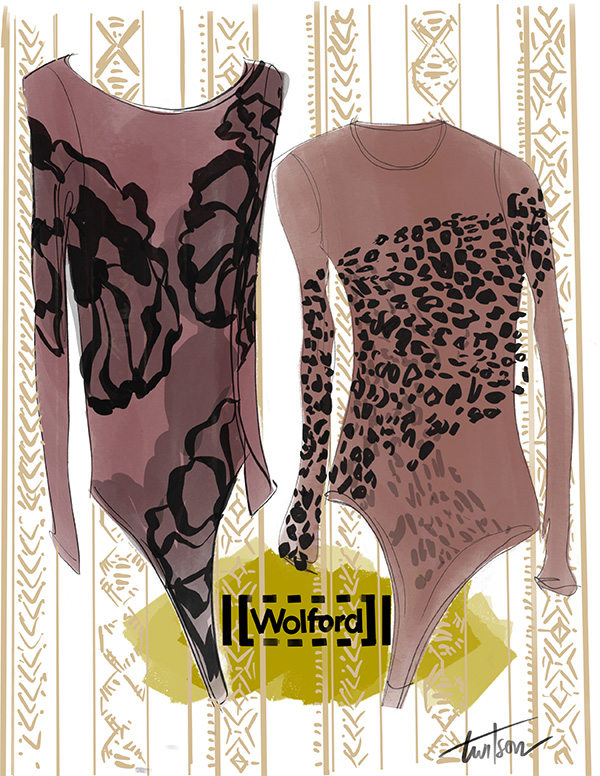
Founded in 1949 in Bregenz, Austria, Wolford has long been regarded as the gold standard in circular knitting technology. The brand’s recent showcases have emphasized its legendary "indestructible" quality, a reputation built on proprietary knitting techniques that prevent ladders and runs. In the current market, Wolford is navigating a unique position as a primary influencer of modern "mega-brands."
Industry insiders have frequently discussed the "Wolford effect," noting that several high-profile shapewear and lifestyle brands—most notably those launched by celebrities in the last five years—have drawn significant inspiration from Wolford’s seamless bodysuit architecture. While these newer entrants have achieved massive commercial success through aggressive digital marketing, a technical comparison reveals a disparity in material density and longevity. Wolford’s latest bodysuit collections, debuted at recent industry exhibitions, utilize advanced polyamide and elastane blends that offer superior compression and recovery, features that are difficult to replicate at lower price points. This technical superiority serves as a defensive moat for the brand, ensuring its relevance in a crowded market of fast-fashion imitations.
Falke: The Persistence of German Textile Precision
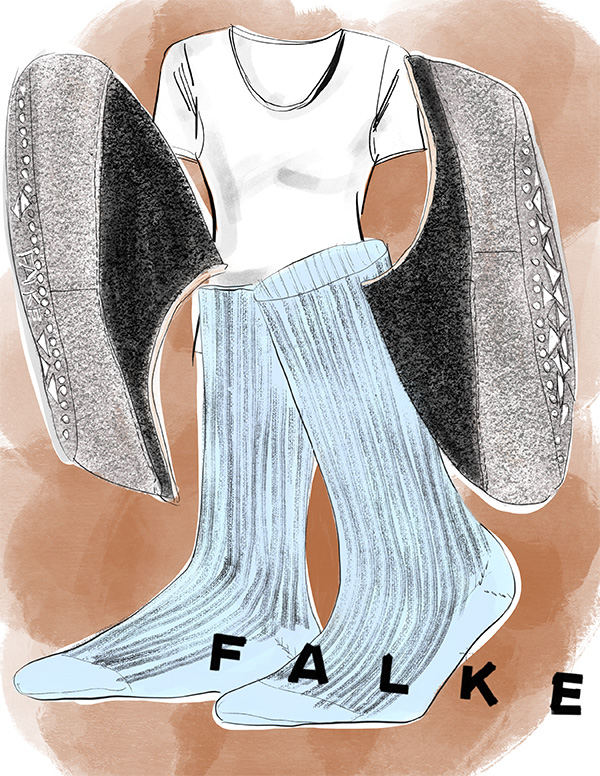
Falke, a family-owned German enterprise with a history dating back to 1895, represents the "quiet luxury" movement within the legwear sector. The brand’s strategic focus remains on the "Daily Climate Control" series, which utilizes high-grade cotton and merino wool to regulate body temperature—a critical requirement for the autumn and winter months.
Market data indicates that the demand for premium basics—specifically tees, camisoles, and socks—is driven by a consumer desire for longevity. Falke’s "Cosy Wool Boot Socks" and "Cosy Shoe Slippers" exemplify the brand’s ability to merge domestic comfort with high-end textile performance. By utilizing traditional craftsmanship alongside sustainable sourcing, Falke has maintained a loyal customer base that prioritizes the "cost-per-wear" metric. In an era where sustainability is a primary consumer concern, Falke’s focus on products that "last forever" aligns with the burgeoning circular economy and the move away from disposable fashion.
Stems and the Rise of "Statement" Legwear
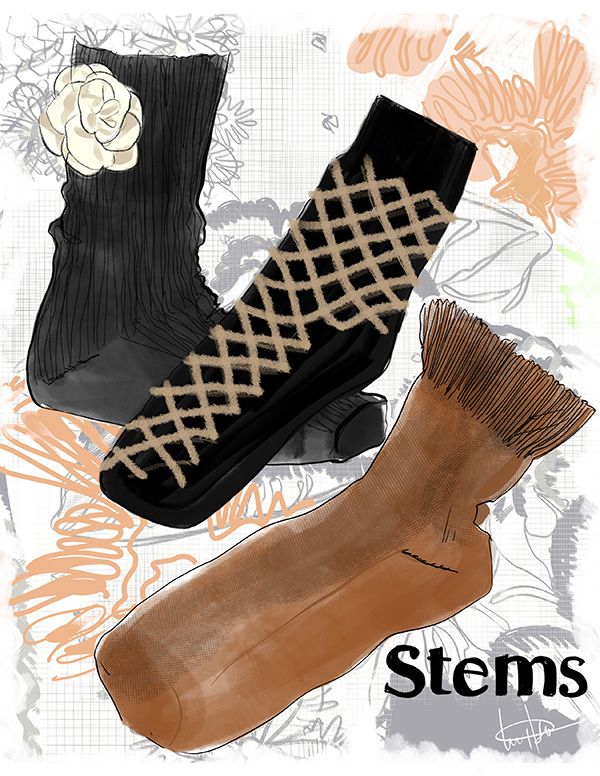
The boutique luxury segment is currently being redefined by brands like Stems, which treat hosiery as a primary fashion statement rather than a secondary accessory. Stems has successfully carved a niche by integrating complex motifs, specialized yarns, and intricate knit stitches into modern, wearable designs.
The "Diamond Crew Sock" and other patterned offerings from Stems reflect a broader trend in urban fashion: the "ankle-up" aesthetic. As street style continues to influence high fashion, visible hosiery has become a key area for personal expression. Retail reports suggest that consumers are increasingly using patterned socks and hosiery to provide a "pop" of visual interest to minimalist outfits. This segment of the market relies heavily on visual appeal and tactile quality, catering to a demographic that values individuality and "modern femininity" without sacrificing the structural integrity of the garment.
Scandale and the Seasonal Intersection of Fashion and Costume
As the calendar moves toward the end of October, the intimate apparel market sees a specialized surge in "provocative" and "theatrical" collections. Scandale, a brand known for its outlandish and avant-garde designs, has capitalized on the Halloween season by blurring the lines between lingerie and costume.
The brand’s recent collections include patent leather nipple covers, masks, capes, and corsetry. This seasonal marketing strategy serves two purposes: it taps into the high-revenue Halloween retail window and reinforces the brand’s identity as a leader in "provocative" fashion. While these items are often viewed through a niche lens, they contribute significantly to the brand’s "halo effect," driving interest in its more traditional luxury offerings. The inclusion of playful yet high-quality materials ensures that the products remain within the luxury category, distinguishing them from standard costume-shop alternatives.
Chronology of Industry Shifts (2020–2024)
The trajectory of the luxury legwear industry over the last four years reveals a clear pattern of adaptation:
- 2020–2021: The Comfort Pivot. During the global pandemic, brands like Falke saw a surge in demand for high-end slippers and "fireside" living essentials as consumers prioritized home-based luxury.
- 2022: The Return to Formality. As public events resumed, Wolford and Scandale reported a resurgence in the sale of bodysuits and sheer hosiery, signaling a return to "glamour" and public-facing fashion.
- 2023: The Technical Renaissance. The "Evolution" show and other trade fairs emphasized technical innovations, such as 3D knitting and eco-friendly dyes, as brands sought to differentiate themselves from the rising tide of fast-fashion competitors.
- 2024: The Strategic Accessory. The current season highlights the role of hosiery as a "wardrobe enhancer," with brands like Stems leading the charge in making legwear the centerpiece of the autumnal silhouette.
Economic Implications and Consumer Sentiment
The broader economic landscape, characterized by inflationary pressures and fluctuating consumer confidence, has had a nuanced impact on the luxury hosiery sector. Interestingly, premium legwear often benefits from the "Lipstick Effect"—a theory suggesting that during economic uncertainty, consumers are more likely to purchase small, high-end luxuries rather than large, expensive items like designer handbags or coats.
A $50 pair of Wolford tights or a $30 pair of Stems socks allows the consumer to experience a luxury brand’s quality and prestige at a fraction of the cost of its primary apparel. This psychological and economic driver is expected to bolster sales through the upcoming holiday season. Furthermore, the "midterm" period of the year—a time often marked by political and social shifts—historically sees a consumer retreat toward "comfort and kindness" in purchasing habits, favoring brands that offer reliability and timelessness.
Future Projections for the Intimate Apparel Sector
Looking ahead, the hosiery and intimate apparel industries are expected to focus heavily on "smart textiles." Research is currently underway into yarns that provide enhanced thermal insulation without increasing bulk, as well as fabrics infused with skincare benefits.
Additionally, the influence of European manufacturing standards remains a dominant force. As consumers become more educated about textile origins, the "Made in Europe" label associated with Wolford (Austria), Falke (Germany), and Scandale (France/Global) continues to carry significant weight in the North American and Asian markets. This focus on provenance, combined with the seasonal necessity of autumn legwear, ensures that the sector remains a robust and vital component of the global fashion economy.
In conclusion, the autumn season serves as a showcase for the technical mastery and creative vision of the world’s leading hosiery and intimate apparel brands. By balancing heritage quality with modern aesthetic demands, these companies are not only enhancing the wardrobes of their customers but are also setting the standard for the wider apparel industry. Whether through the "indestructible" knits of Wolford, the climate-controlled basics of Falke, or the provocative designs of Scandale, the industry continues to prove that even the smallest items of clothing can have a significant impact on both fashion and the global market.
