
 By Jia Lissa
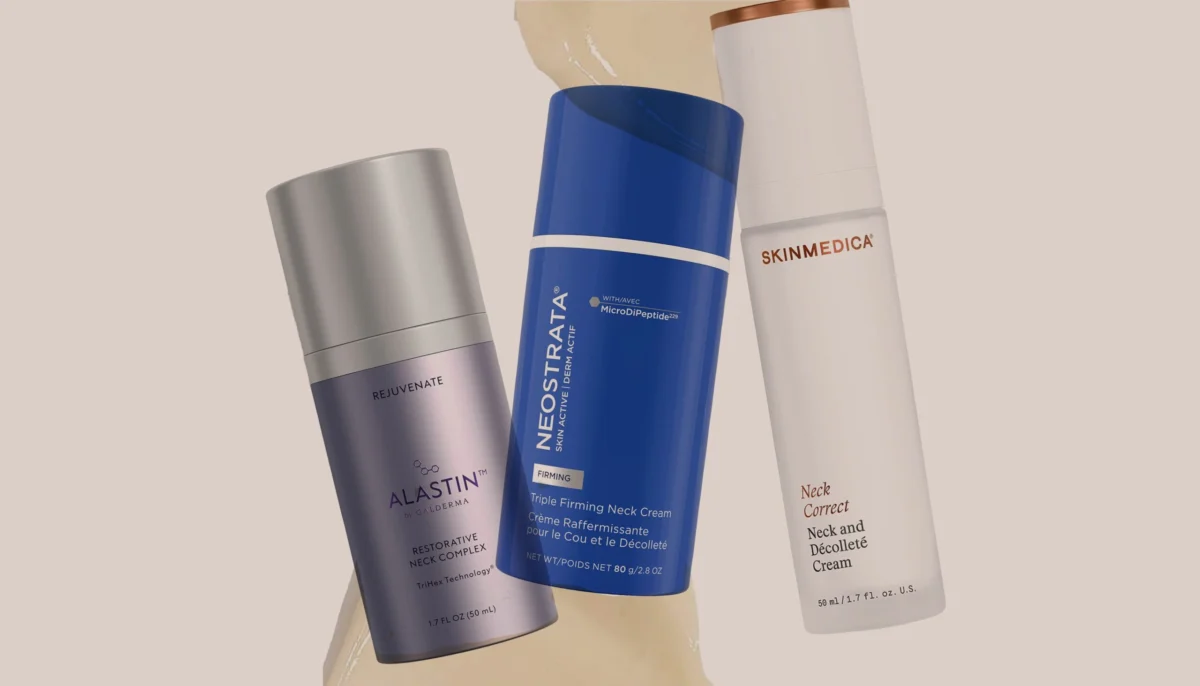
The skin adorning our necks, often overlooked in our daily skincare routines, is uniquely vulnerable to the relentless march of time and modern lifestyle habits. Its inherent fragility, coupled with environmental stressors and postural habits, contributes to a faster rate of aging compared to the skin on our faces. Dermatologists emphasize that understanding these factors is the first step in effectively combating visible signs of aging in this delicate area, from fine lines to sagging.
The Unique Vulnerabilities of Neck Skin
Dr. Hartman explains that the skin on the neck is significantly thinner than that found on the face. This reduced thickness means it has fewer sebaceous glands, resulting in a less robust natural oil production. This inherent difference in composition makes neck skin more prone to dryness and dehydration, crucial factors that accelerate the appearance of aging. Dry skin loses elasticity and suppleness more readily, making it susceptible to creasing and the formation of fine lines.
Beyond its intrinsic properties, external forces exert a profound influence. Gravity, a constant downward pull, contributes to sagging over time. However, in the digital age, a new antagonist has emerged: the pervasive habit of “tech neck.” Constantly craning our necks to look down at smartphones, tablets, and laptops places undue stress on the neck’s muscles and skin. This repetitive downward flexion can lead to the development of horizontal lines and exacerbate existing wrinkles. Dr. Hartman refers to this phenomenon as “tech neck,” a very real and increasingly common concern for individuals across all age groups. Studies have indicated a rise in neck-related complaints, with some surveys suggesting that up to 70% of smartphone users experience some form of neck discomfort or visible aging related to their device usage.
Strategic Ingredients for Neck Cream Formulations
Recognizing the distinct needs of neck skin, dermatologists advocate for specialized neck creams formulated with a higher concentration of potent ingredients designed to provide intense hydration and address signs of aging. May Hall, DO, a board-certified dermatologist based in Asheville, North Carolina, highlights that these creams are meticulously crafted to offer more targeted benefits for the neck’s delicate structure.
Key among these beneficial ingredients are humectants like hyaluronic acid, which draw moisture from the environment into the skin, plumping it and reducing the appearance of fine lines. Emollients such as shea butter and squalane play a crucial role in reinforcing the skin’s natural barrier, preventing moisture loss and leaving the skin feeling smooth and supple. Squalane, in particular, is a lipid naturally found in human skin, making it highly compatible and effective at restoring hydration without feeling heavy or greasy.
Emerging as a significant player in neck skincare are peptides. These short chains of amino acids are the building blocks of proteins like collagen and elastin, which are essential for skin’s firmness and elasticity. When applied topically, peptides can signal the skin to produce more collagen, leading to a noticeable improvement in skin texture and a reduction in the appearance of wrinkles and sagging. Their ability to promote a smoother, firmer look makes them a valuable addition to any neck cream.
Perhaps the most well-known ingredient for combating aging is retinol. This derivative of Vitamin A is a powerhouse ingredient that accelerates cell turnover and stimulates collagen production. For the neck area, where skin is more sensitive, retinol is typically included in lower concentrations to minimize the risk of irritation while still offering significant benefits. Dr. James Y. Wang, a board-certified dermatologist in Los Angeles, confirms that retinol can effectively address sagging skin, wrinkles, and crepiness. He notes, "This can help with sagging skin, wrinkles, and some crepiness. Since the neck is a sensitive area, the retinol concentrations tend to be low, and the results are subtle." The subtle yet consistent application of retinol over time can lead to a visible improvement in the overall texture and tone of the neck.
Pro Tip: When applying neck cream, a gentle touch is paramount. Dermatologists universally recommend using upward sweeping motions. This technique not only ensures even product distribution but also avoids stretching or pulling the delicate skin, which can inadvertently contribute to premature aging.
When to Seek Professional Dermatological Guidance
While diligent at-home care with specialized neck creams can yield significant improvements, there are instances where consulting a dermatologist is highly recommended. Dr. Wang advises seeking professional evaluation if you observe any notable changes in skin laxity, or if you detect any inflammation, lumps, or nodules on your neck or chest area. These symptoms could indicate underlying issues that require medical attention.
For cases of significantly loose skin, often referred to as "turkey neck," in-office interventions might be necessary. These can include treatments like radiofrequency therapy, ultrasound treatments, or even surgical options such as a neck lift, depending on the severity and individual needs. However, even in these situations, Dr. Wang reiterates that neck creams continue to play a vital role in maintaining skin hydration and can contribute to a subtle decrease in the visibility of lines and wrinkles, complementing more intensive treatments.
The Rigorous Process Behind Allure’s Product Endorsements
The editorial team at Allure employs a comprehensive and meticulous approach when testing and reviewing beauty products, including those specifically designed for neck care. Their evaluation process is designed to provide readers with reliable, evidence-based recommendations.
Key Stages of Allure‘s Testing and Review Methodology:
-
Ingredient Scrutiny: A core component of the review process involves a thorough examination of product ingredients. Allure collaborates with experts in dermatology and cosmetic chemistry to vet the efficacy and safety of each ingredient, ensuring they align with scientific research and industry best practices. This includes verifying the presence and concentration of active ingredients claimed by the brand.
-
Brand Claim Verification: Allure critically analyzes marketing claims made by brands, cross-referencing them with scientific literature and expert opinions. This ensures that product benefits are realistic and supported by evidence, rather than relying solely on anecdotal marketing.
-
Scientific and Medical Literature Review: For products addressing specific concerns like aging, Allure delves into peer-reviewed scientific and medical studies. This provides a foundation for understanding the mechanisms by which ingredients work and their proven effectiveness.
-
In-House and External Product Testing: Every product included in a review undergoes rigorous testing. This involves Allure‘s in-house editorial team and a diverse panel of external testers. The testing focuses on five primary categories:
- Product Ingredients and Efficacy: How well the product performs its intended function based on its formulation and user experience.
- Packaging: The practicality, durability, and aesthetic appeal of the product’s packaging.
- Fragrance: The scent profile, considering potential sensitivities and overall user preference.
- Texture: The feel of the product on the skin, including its absorbency and finish.
- Product Wear: How the product performs over time, including its longevity and any changes in its texture or effect.
-
Expert Consultation: Board-certified dermatologists and other industry specialists provide crucial input throughout the review process. Their expertise helps to validate the scientific basis of product claims and assess the suitability of formulations for different skin types and concerns.
A Commitment to Diverse Representation in Testing
Allure recognizes that beauty is personal and that a "best" product for one individual may not be the best for another. This understanding underpins their commitment to a diverse testing and review staff. The editorial team is deliberately composed of individuals representing a wide spectrum of ages, skin tones, hair textures, genders, and backgrounds. This inclusivity is not merely a matter of social responsibility; it is fundamental to their ability to provide fair and comprehensive assessments of beauty products.
The rationale is straightforward: a skincare product that claims to address concerns relevant to individuals over 50, for instance, cannot be definitively deemed "the best" if the only testers are under 30. Similarly, a high-end hair product’s suitability for curly hair cannot be accurately judged if it has never been tested on that specific hair texture. By actively engaging a broad range of testers and experts, Allure aims to ensure that their recommendations are genuinely representative and beneficial to their entire readership, regardless of their unique needs and concerns. This dedication to diversity ensures that the insights gathered are multifaceted and applicable to a wider audience, fostering greater trust and utility in their product reviews. For more detailed information on their rigorous reporting and testing standards, readers are encouraged to consult Allure‘s complete reviews process and methodology page.
