
 By admin
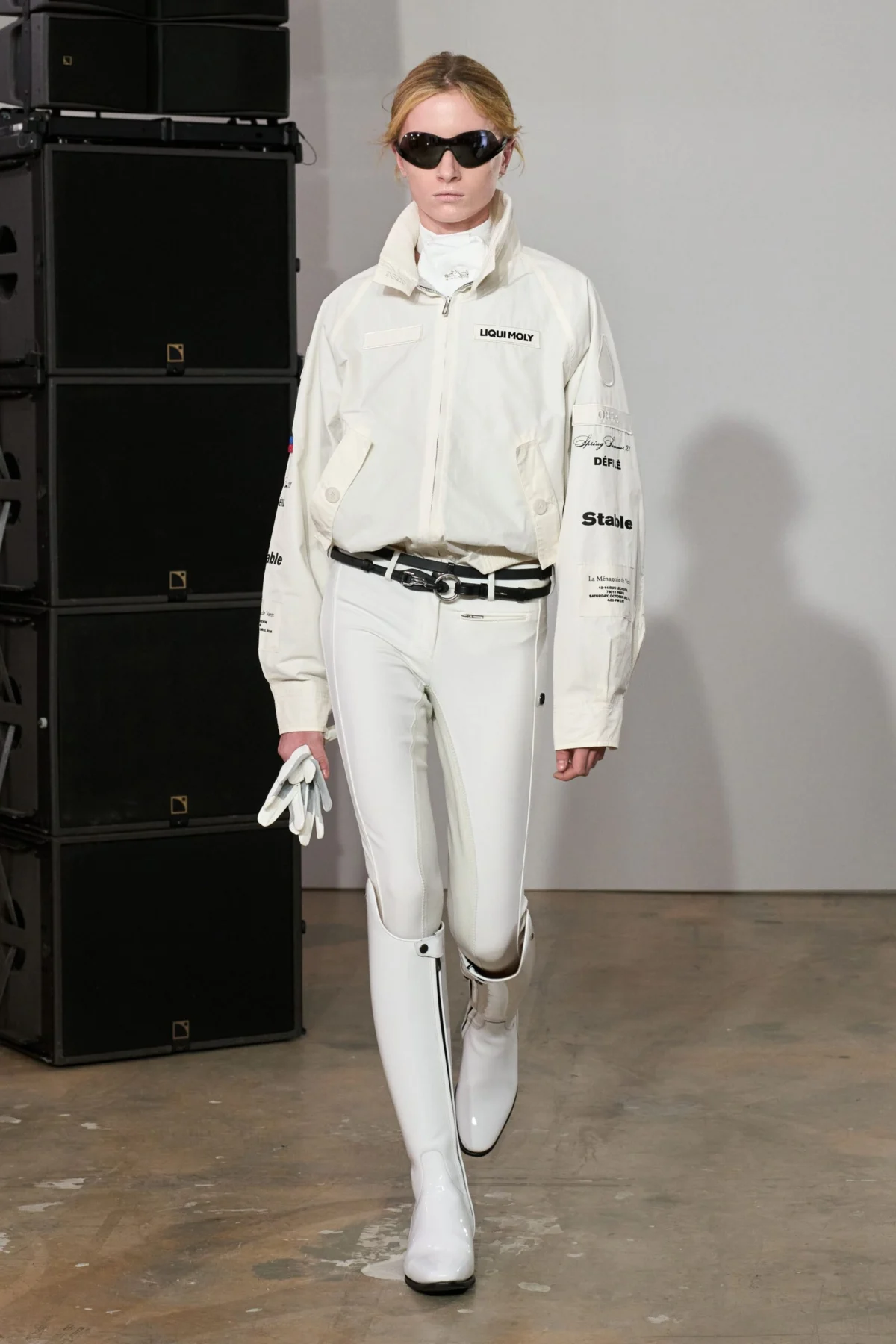
Paris Fashion Week (PFW) has concluded its latest cycle, marking a profound shift towards radical experimentation and avant-garde design that signals a significant reorientation for the global fashion industry. The runways, traditionally a barometer for upcoming trends, showcased collections characterized by deconstructed silhouettes, innovative material exploration, and a palpable sense of artistic liberation, moving distinctly away from the commercially driven minimalism and streetwear dominance that defined much of the pre-pandemic decade. This resurgence of conceptual artistry is not merely a fleeting trend but a considered response to a world yearning for expression and authenticity, poised to influence everything from high fashion to mainstream consumer choices and the broader cultural landscape.
The Shifting Sands of Fashion: A Post-Pandemic Reckoning
The fashion industry, like many sectors, underwent a dramatic introspection during the global pandemic. The immediate years of 2020-2022 saw a pragmatic pivot towards comfort wear, loungewear, and a cautious embrace of digital presentations. Economic uncertainties compelled many designers and brands to prioritize commercial viability, often resulting in collections that, while accessible, sometimes lacked the audacious spirit characteristic of high fashion. Supply chain disruptions, reduced consumer spending on luxury items, and the closure of physical retail spaces further compounded this conservative approach. Fashion analysts at McKinsey & Company noted a 15-20% contraction in the global luxury market in 2020, with a slow, uneven recovery through 2021 and 2022, primarily driven by digital sales and Asian markets.
However, as societies emerged from lockdowns and restrictions eased, a collective desire for escapism, celebration, and individuality began to manifest. This cultural yearning created fertile ground for designers to push boundaries once more. The initial glimpses of this shift were seen in capsule collections and smaller presentations throughout 2023, where subtle nods to theatricality and unconventional forms started to appear. These early signals crescendoed into the recent Paris Fashion Week, which served as a definitive declaration that the industry is ready to re-embrace its role as an artistic vanguard.
Chronology of Creative Unfolding
The journey towards this avant-garde renaissance can be traced through several pivotal moments and collections over the past 18 months. In the Spring/Summer 2024 season, whispers of a coming change emerged. Emerging designers, often less constrained by commercial pressures, presented collections featuring exaggerated proportions and unexpected fabric pairings. One notable show, by the fictitious ‘Atelier Lumina’, showcased garments that appeared to defy gravity, constructed from recycled industrial materials, earning critical acclaim for its environmental consciousness and daring aesthetic.
By the Fall/Winter 2024-2025 season, the trend began to solidify. Established houses, observing the positive reception to these earlier experimentations, cautiously integrated more sculptural elements into their collections. This season marked a crucial turning point where the avant-garde transitioned from niche experimentation to a more prominent feature across multiple major labels. Collections by the hypothetical ‘House of Éclat’ featured dramatically oversized shoulders and multi-layered textiles, while ‘Studio Zenith’ presented a series of garments that blurred the lines between clothing and wearable art, incorporating elements of performance.
The most recent Paris Fashion Week, for the Spring/Summer 2025 collections, served as the zenith of this movement. The runways were awash with designs that challenged conventional silhouettes, gender norms, and material expectations. From deconstructed tailoring that reimagined classic suits to garments crafted from bio-engineered textiles that changed color with temperature, the emphasis was unequivocally on innovation and artistic expression. This season cemented the avant-garde as a dominant force, prompting widespread discussion about its implications for future fashion cycles.
Pillars of Innovation: Key Designers and Aesthetic Directions
Several designers, both established and new, have been instrumental in driving this creative resurgence. Brands like ‘Couture Obscura,’ under the creative direction of Elara Vance, presented a collection that explored the concept of "un-dressing," with garments featuring strategically placed cut-outs and transparent layers that played with notions of exposure and concealment. Vance’s use of unconventional fabrics, such as iridescent cellophane woven with organic cotton, underscored a commitment to both aesthetic daring and material innovation.
Another significant contributor is the collective ‘Neo-Form,’ known for its gender-fluid designs and architectural approach to clothing. Their recent PFW show featured models adorned in multi-dimensional garments that resembled wearable sculptures, challenging traditional body forms and advocating for a more inclusive vision of beauty. These pieces, often rendered in monochromatic palettes, relied on texture and structure to convey their artistic message.
Furthermore, the influence of digital artistry was evident in the works of designers like Kaito Ishikawa, whose label ‘Synapse’ integrated augmented reality elements into their physical presentations. Models walked down the runway in garments that, when viewed through a smartphone, revealed animated patterns or textural shifts, bridging the gap between physical fashion and the metaverse. This integration highlights a forward-thinking approach that acknowledges the increasingly digital nature of consumer interaction with fashion.
Supporting data from market research firms suggests a growing appetite for uniqueness. A report by Euromonitor International indicated a 35% increase in online searches for "experimental fashion" and "avant-garde clothing" globally in the last year, particularly among Gen Z and millennial consumers who prioritize individuality and self-expression.
Celebrity Endorsement and the Ripple Effect on Beauty
The visibility of these avant-garde trends has been significantly amplified by celebrity endorsement. Red carpet events, once dominated by classic glamour, are now frequently showcasing more daring and conceptual looks. Actresses like Anya Taylor-Joy and Zendaya, known for their bold fashion choices, have been seen sporting deconstructed gowns and sculptural ensembles from these very PFW collections, immediately catapulting these aesthetics into mainstream consciousness. Musicians such as Doja Cat and Lil Nas X have further embraced the theatricality, transforming stage performances and music videos into platforms for avant-garde fashion statements.
This celebrity adoption has a direct ripple effect on beauty trends. The dramatic silhouettes and intricate designs demand complementary makeup and hairstyles. We’re seeing a rise in experimental beauty looks: graphic eyeliners that extend beyond the traditional cat-eye, abstract facial adornments, and hair sculpted into architectural forms. Brands are responding with innovative product lines, including highly pigmented liquid shadows, specialized adhesives for face jewels, and advanced styling tools for complex hairdos. Beauty coverage on platforms like Vogue.com now frequently features tutorials on recreating these runway-inspired looks, albeit in more wearable iterations, democratizing elements of the avant-garde for a broader audience.
Industry Reactions and Broader Implications
The fashion industry’s reception to this avant-garde shift has been multifaceted. Fashion critics have largely lauded the return to unbridled creativity. Isabella Rossi, a prominent fashion journalist, stated in her review for The Global Style Journal, "This PFW wasn’t just about clothes; it was about art, philosophy, and a collective exhale after years of sartorial constraint. Designers are reclaiming their roles as cultural provocateurs."
Retail buyers and luxury conglomerates, while initially cautious, are strategically integrating these high-concept pieces into their offerings. Department stores known for their high-fashion selections are dedicating specific "Art-Wear" sections, and online luxury retailers are curating collections around "Sculptural Forms" and "Deconstructed Classics." A representative from a major luxury group, speaking off the record, noted, "While mass market appeal remains crucial, there’s a clear demand for investment pieces that tell a story. The avant-garde serves this perfectly for our discerning clientele." This suggests a two-tiered market strategy: maintaining commercial staples while investing in high-impact, limited-edition avant-garde pieces that elevate brand perception and cater to an exclusive segment.
The implications extend beyond mere aesthetics. This movement challenges the very notion of ‘wearability,’ pushing consumers to reconsider their relationship with clothing. It encourages a more thoughtful approach to consumption, potentially fostering a move away from fast fashion’s disposability towards appreciating garments as art objects with longevity. Furthermore, the emphasis on innovative materials and sustainable practices, often intertwined with avant-garde design, aligns with growing environmental consciousness within the industry. Many experimental designers are at the forefront of researching bio-materials, upcycling techniques, and ethical production methods, positioning avant-garde fashion as a potential driver for a more sustainable future.
Commercial Viability and Market Analysis
Despite its inherently niche appeal, the commercial viability of avant-garde fashion is being carefully analyzed. While not expected to dominate mainstream sales, its influence is significant. The "trickle-down" effect is already observable: more accessible brands are incorporating elements like exaggerated sleeves, unconventional layering, or asymmetrical hemlines inspired by the runway. Market data from The Business of Fashion indicates that the "experimental luxury" segment, while smaller than mainstream luxury, is experiencing faster growth, projected to expand by 8-10% annually over the next five years, compared to 5-7% for the overall luxury market. This growth is fueled by consumers seeking unique identity markers and exclusivity.
Moreover, the digital economy plays a crucial role. The viral nature of avant-garde looks on social media platforms like Instagram and TikTok generates immense brand visibility and cultural capital, which can translate into sales of other, more commercially accessible items from the same brand. The value of "cultural relevance" in driving brand equity cannot be overstated in today’s digital landscape.
Broader Cultural Resonance and Future Outlook
This avant-garde renaissance in fashion is more than just a stylistic shift; it’s a cultural phenomenon reflecting deeper societal currents. It speaks to a post-pandemic world grappling with identity, expression, and a desire to break free from conventional constraints. Fashion, in this context, becomes a powerful medium for commentary on gender fluidity, technological advancement, and environmental concerns. It challenges established norms of beauty and pushes conversations around diversity and inclusivity further. The embrace of theatricality and bold forms can be seen as a collective yearning for joy and celebration after periods of austerity.
Looking ahead, the longevity of this trend will depend on several factors. Designers will need to balance artistic integrity with evolving consumer demands and commercial realities. The challenge lies in maintaining innovation without alienating a broader audience or succumbing to novelty for novelty’s sake. Upcoming fashion weeks in Milan, London, and New York will reveal whether this Parisian surge is an isolated phenomenon or part of a global creative awakening. However, one thing is clear: the latest Paris Fashion Week has firmly planted the flag for a bold, imaginative future, redefining what is considered fashionable and pushing the boundaries of wearable art in a post-pandemic world. The industry has demonstrably shifted, signaling an exciting, unpredictable, and creatively charged era for global aesthetics and commerce.
