
 By admin
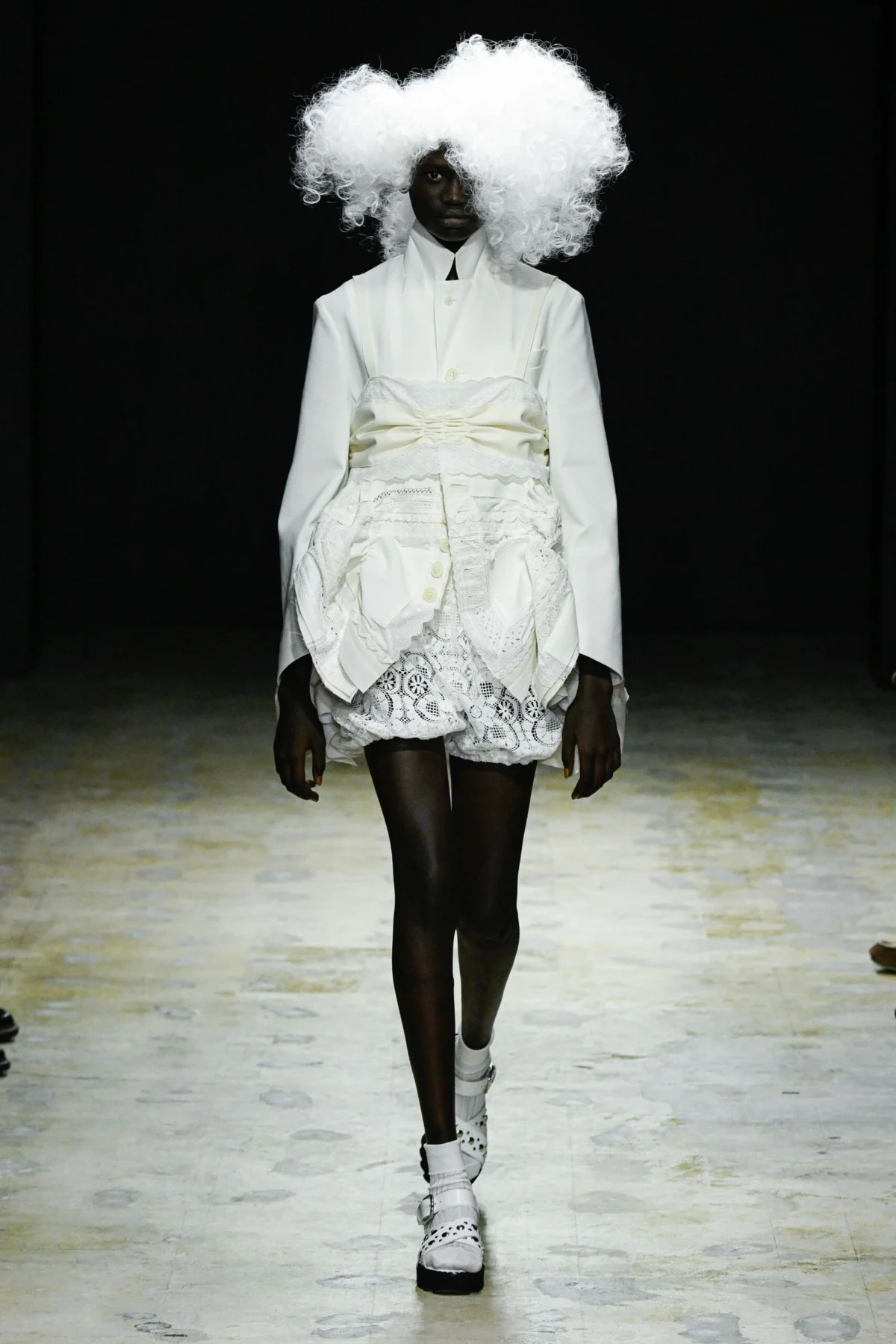
In a much-anticipated presentation held in the intimate confines of the Comme des Garçons headquarters in Aoyama, Tao Kurihara, one of the revered protégés of Rei Kawakubo, unveiled her latest collection titled "MY TRUE SELF." The show, a distinct highlight often reserved for the early morning hours, has become a cherished event in the Tokyo fashion calendar, offering a unique blend of ethereal beauty and profound artistic introspection. This season, Kurihara explored themes of purity and unadulterated freedom, articulated predominantly through a sophisticated palette of white, juxtaposed with chapters of structured gray and vibrant, nature-inspired prints. The collection served not only as a testament to Kurihara’s evolving design philosophy but also as a powerful statement on the delicate balance between artistic integrity and commercial viability, a cornerstone principle instilled by the Comme des Garçons empire.
The Vision Behind "MY TRUE SELF": A Declaration of Unfiltered Creativity
Kurihara’s choice of "MY TRUE SELF" as the collection’s guiding principle was more than a mere title; it was a philosophical declaration. In an era often dominated by external pressures and trend cycles, Kurihara sought to strip away all pretense, channeling a creative impulse rooted in genuine, heartfelt desire. This intention manifested primarily through an extensive exploration of the color white, symbolizing innocence, new beginnings, and clarity. The opening looks were a masterclass in textural layering, featuring intricate broderie anglaise, delicate doilies, and lace-laden coats and dresses. These garments possessed a surreal, almost dreamlike quality, their forms subtly hinting at the transformation into domestic textiles—curtains and tablecloths—thereby blurring the lines between the personal wardrobe and the intimate spaces of daily life. This initial chapter established a tone of delicate craftsmanship and understated romance, setting the stage for a collection that was both deeply personal and universally resonant. The intricate handwork, a hallmark of Kurihara’s aesthetic, underscored a commitment to artisanal techniques that resonates strongly with a global consumer base increasingly valuing authenticity and provenance in luxury goods.
A Journey Through Texture and Form: The Runway Progression
The presentation unfolded as a carefully orchestrated narrative, guiding the audience through distinct emotional and aesthetic chapters. Kurihara’s design process, characterized by an almost meditative focus, translated into a runway experience that felt both coherent and surprisingly dynamic.
The Ethereal Opening: White and Artisanal Craftsmanship
The initial series of ensembles, rendered entirely in various shades of white and off-white, immediately captivated with their intricate detailing. Models glided down the runway adorned in multi-layered constructions of broderie anglaise, a delicate embroidery technique that added depth and visual interest without overwhelming the purity of the color. Doilies, traditionally associated with domesticity and vintage charm, were ingeniously integrated into contemporary silhouettes, appearing as embellishments on bodices, cuffs, and hemlines. Lace-laden coats and dresses, some featuring cascading panels, evoked a sense of ethereal elegance, their fluid movements creating a soft, almost cloud-like aura. The "surreal sense that they were transforming into curtains and tablecloths" was a particularly poignant touch, subtly questioning the boundaries between clothing and environment, and inviting viewers to reconsider the function and form of everyday objects within a high-fashion context. This opening segment alone showcased Kurihara’s mastery of fabric manipulation and her ability to infuse traditional crafts with a fresh, avant-garde spirit.
A Moment of Structured Serenity: The Gray Interlude
Following the opening’s dreamy white expanse, the collection transitioned into a striking chapter of gray tailoring. This shift provided a grounded counterpoint to the preceding ethereal designs, introducing a sense of pragmatic sophistication. The gray pieces, while maintaining Kurihara’s signature delicate touch, presented more defined silhouettes, hinting at an underlying strength and intellectual rigor. Jackets were subtly sculpted, trousers expertly cut, and skirts draped with a quiet confidence. This interlude demonstrated Kurihara’s versatility, proving her ability to navigate both the whimsical and the architectural aspects of design. The choice of gray, a color often associated with intellect and composure, served to anchor the collection, preventing it from veering into excessive sentimentality. It was a strategic pause, allowing the audience to appreciate the structural integrity before being re-immersed in more flamboyant expressions.
Blooming Whimsy: Florals and Playful Silhouettes
The collection then burst back into a vibrant resurgence of white, leading into a grand finale characterized by a "cacophony of floral details and Liberty-esque prints." This culminating chapter introduced a burst of color and pattern, contrasting sharply with the earlier monochrome segments. Cotton capris and ruffled skirts, imbued with a youthful exuberance, were adorned with intricate botanical motifs. The prints, reminiscent of classic Liberty designs, featured delicate blossoms and verdant foliage, rendered in a palette that evoked the freshness of a spring garden. This segment brought a playful, joyful energy to the runway, celebrating nature’s bounty and the uninhibited spirit of creativity. The transition from pure white to intricate florals mirrored a journey from introspection to outward expression, embodying the "MY TRUE SELF" narrative with a triumphant flourish.
Artistic Collaborations and Sonic Landscapes: Enhancing the Narrative
Kurihara’s presentations are renowned for their holistic approach, where every element, from garments to accessories to sound, contributes to a cohesive storytelling experience. This season was no exception, featuring significant artistic collaborations and a bespoke sonic environment.
Botanical Artistry: The Collaboration with Hitomi Mori
A pivotal element of the collection’s visual richness was the collaboration with artist Hitomi Mori. Mori’s botanical embroidery adorned many of the garments, adding a layer of exquisite detail and organic beauty. Models’ "cloud-like hair," whimsically topped with straw and foliage, further underscored the collection’s nature-inspired theme, creating living sculptures that walked the runway. Mori’s intricate work, often seen up close on her Instagram (@nuimori1), brought a tangible connection to the natural world, transforming fabrics into canvases for delicate flora. This collaboration was particularly significant in demonstrating the synergy between high fashion and contemporary art, where each discipline enriches the other. The decision to later magnify Mori’s intricate artwork and print it onto dresses and T-shirts for broader commercial distribution highlights a strategic approach to making high art accessible, extending the collection’s reach beyond the runway and into everyday wardrobes.
A Symphony of Storybook Whimsy: The Show’s Auditory Experience
The auditory component of Kurihara’s shows is always a point of distinction, and this season’s music, composed by her husband, was particularly evocative. Featuring a unique blend of harps, the delicate sounds of birdsong, and the gentle plink of a piano, the score enveloped the audience in a world of "storybook whimsy." This carefully crafted soundscape amplified the collection’s dreamy, pure aesthetic, enhancing the narrative of purity and freedom. The music acted as an invisible thread, weaving together the visual elements and creating an immersive experience that transported attendees into Kurihara’s fantastical vision. The consistent involvement of her husband in the musical direction speaks to a deeply personal and integrated creative process that defines Tao Kurihara’s artistic output.
The Designer’s Philosophy: Purity and Unfettered Creation
In the post-show atmosphere of the Comme des Garçons press room, which was simultaneously hosting the seasonal exhibition of all the house’s brands, Tao Kurihara offered rare insights into her creative process. Her characteristic cheerfulness belied the profound depth of her statements, which illuminated the core philosophy behind "MY TRUE SELF." "I decided to just set aside all of my concerns and just create something I truly, purely wanted to make," she explained. This declaration resonated deeply within an industry often criticized for its commercial pressures and rapid trend cycles. Kurihara elaborated on her mindset, drawing a poignant analogy: "How should I put it? It’s like when a child draws a picture, they aren’t thinking about wanting to be praised. It’s that kind of mindset, a state of total, genuine focus."
This comparison to a child’s uninhibited creativity underscores a powerful commitment to artistic authenticity. It suggests a departure from external validation, emphasizing an internal drive for creation that prioritizes genuine expression over market demands or critical reception. "Saying this might make it sound like my previous work wasn’t like that," she clarified, "but this time I really felt I distilled everything down to just what I purely, from the bottom of my heart, wanted to create." This statement is particularly revealing, indicating a significant personal evolution for the designer, a conscious effort to shed perceived constraints and embrace a more unvarnished form of self-expression. It speaks to a pursuit of creative liberation that is both courageous and inspiring, especially within the structured environment of a global fashion house.
Comme des Garçons: A Legacy of Innovation and Nurturing Talent
Tao Kurihara’s journey is inextricably linked to Comme des Garçons, a fashion institution founded by the visionary Rei Kawakubo in 1969. CDG has long been celebrated for its avant-garde approach, challenging conventional notions of beauty, proportion, and wearability. Kawakubo’s philosophy extends beyond design; she is also renowned for nurturing a cadre of highly individualistic designers, often referred to as her protégés, who are given the creative freedom to develop their unique voices under the CDG umbrella. Tao Kurihara, along with others like Junya Watanabe and Kei Ninomiya, represents the continued legacy of this innovative model.
Kurihara’s early career saw her launch her own label, Tao, under the CDG umbrella, which gained critical acclaim for its intricate knitwear and delicate, romantic aesthetic before being absorbed back into the main line. Her current presentations, while distinct, carry the DNA of this initial independent exploration, blended with the broader conceptual rigor of Comme des Garçons. Kawakubo’s influence is evident in Kurihara’s ability to maintain a strong artistic vision while also understanding the nuances of commercial viability. The CDG headquarters in Aoyama, a hub of conceptual design and strategic business operations, provides a unique ecosystem where such artistic endeavors can flourish, supported by a robust infrastructure that bridges the gap between the runway and the retail floor. The "late-season treat" timing of Kurihara’s show, often presented after the main Paris or Milan fashion weeks, allows it to stand apart, offering a moment of quiet reflection and focused appreciation away from the global fashion frenzy.
Bridging Artistry and Commerciality: A Kawakubo Legacy
A defining characteristic of the Comme des Garçons philosophy, powerfully instilled by Rei Kawakubo in all her protégés, is the belief that creativity and commerciality need not be mutually exclusive. Kurihara’s "MY TRUE SELF" collection is a prime example of this delicate balance. Despite her stated intent to create purely from the heart, unburdened by commercial concerns, the collection simultaneously demonstrated a shrewd understanding of market dynamics.
The transformation of Hitomi Mori’s intricate botanical embroidery, originally a labor-intensive artisanal craft, into magnified prints on dresses and T-shirts, epitomizes this strategic foresight. While the original embroidery, with its delicate handwork, would be challenging and costly to produce at scale, its digital reproduction allows the artistic vision to be shared with a much wider audience. This approach not only makes the collection more accessible but also generates revenue that can, in turn, fund future artistic explorations. It democratizes high fashion, allowing consumers to own a piece of the artistic narrative without compromising the integrity of the original concept. This intelligent fusion of art and commerce ensures that Kurihara’s unique aesthetic can thrive, sustaining both her artistic freedom and the financial health of her brand within the competitive fashion landscape. It is a testament to the business model perfected by Kawakubo, where innovation and profitability coexist in harmony.
The Broader Implications for Contemporary Fashion
Tao Kurihara’s "MY TRUE SELF" collection carries significant implications for the broader contemporary fashion landscape. In an industry increasingly grappling with questions of authenticity, sustainability, and the relentless pace of consumption, Kurihara’s deliberate embrace of "pure" creation offers a refreshing counter-narrative. Her focus on artisanal techniques like broderie anglaise and intricate lace, alongside the collaboration with a botanical artist, highlights a growing appreciation for craftsmanship and natural motifs. This aligns with broader trends towards slow fashion and a desire for garments with a deeper narrative and provenance.
The collection’s emphasis on white and its transition to nature-inspired prints could also signal a continued pivot towards romanticism and an aesthetic of comfort and escapism, themes that have gained traction in recent years. Furthermore, Kurihara’s candid discussion of her creative process — shedding concerns to create from the heart — could inspire other designers to re-evaluate their own approaches, fostering a more introspective and authentic design ethos across the industry. This collection serves as a reminder that even within the demanding world of high fashion, there remains space for profound artistic expression that resonates deeply with both the creators and the consumers, proving that sometimes, the purest creations are also the most commercially compelling. As Tao Kurihara continues to evolve her distinct voice within the Comme des Garçons constellation, her work will undoubtedly remain a focal point for those seeking fashion that is both beautiful and thoughtfully conceived.
