
 By admin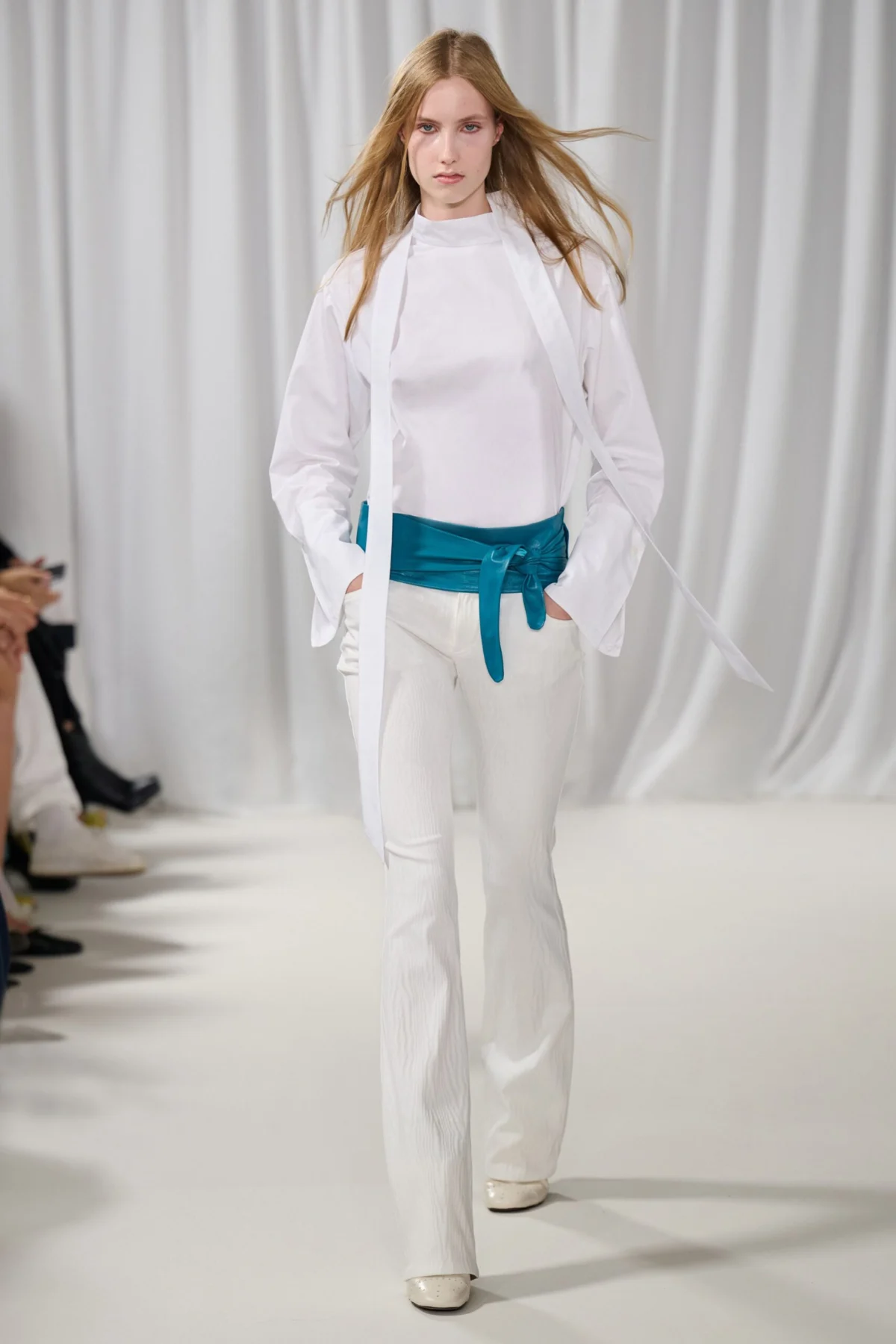
In a highly anticipated presentation, designer Talia Lipkin-Connor recently unveiled her spring collection, signaling a sophisticated evolution in her distinctive aesthetic. The collection, which emerged from an initial, almost monastic focus on the color white, ultimately blossomed into a nuanced exploration of tailored silhouettes, innovative textures, and a profound understanding of the contemporary woman. Lipkin-Connor’s design philosophy, characterized by a meticulous deconstruction and reconstruction process, has positioned her brand as a compelling voice within the global fashion landscape, particularly noted for its blend of historical sensibility with cutting-edge modernity.
The Genesis of a Collection: From Purity to a Curated Palette
The conceptual genesis of Lipkin-Connor’s spring offering began with a starkly monochromatic vision. "I wanted to make everything white," the designer revealed during a preview, a statement that might initially suggest an expansion of her successful bridal arm. However, she quickly clarified that while the idea was singular-minded, it served as a critical parameter for the initial design phase. This rigorous approach, stripping back color to focus solely on form and construction, proved invaluable. It mirrored the meticulous process she employs in her pre-nuptial appointments, where the absence of color allows for an unadulterated assessment of silhouette, drape, and tailoring. "I could very clearly see what I liked and what I didn’t," she explained, highlighting the clarity this constraint provided.
This initial ‘white canvas’ approach is a recognized methodology in design, often employed to highlight the purity of form and the intricacies of construction without the distraction of hue or pattern. For Lipkin-Connor, this foundational exercise allowed for a proper re-evaluation of her core design codes, ensuring that every seam, every cut, and every proportion was intentional and purposeful. While an entirely white collection was ultimately vetoed, a substantial portion retained pristine ivory and "Tipp-Ex shades," providing a serene, sophisticated base that underscored the collection’s refined nature. This strategic evolution from a singular concept to a diversified palette demonstrates a designer’s ability to balance creative purity with commercial viability and the practicalities of consumer appeal. The decision, informed by the practical insights of her studio team—affectionately dubbed her "studio coven"—underscored a collaborative spirit essential to bringing a cohesive collection to fruition.
Sculpting the Modern Silhouette: Tailoring, Texture, and Timelessness
The collection showcased Lipkin-Connor’s mastery of tailoring and her keen eye for detail, manifesting in a series of garments that exuded both confidence and understated allure. A standout proposition was a pair of pristine, "airbrush-tight" low-rise trousers featuring a subtle flare. Rendered in a mottled wood-like jacquard and a shiny-matte stripe, these trousers gleamed with a quiet authority on the runway. The designer confidently declared them "major," a sentiment echoed by fashion observers who noted their impeccable fit and innovative textural play. The re-emergence of low-rise silhouettes in contemporary fashion often signals a return to a more daring aesthetic, and Lipkin-Connor’s interpretation felt both timely and sophisticated, sidestepping nostalgia for a fresh, modern appeal. These trousers were styled dynamically, some paired with a striking teal leather cummerbund, others anchored by dark-hued, studded belts, showcasing their versatility and potential for varied personal expression.
Fitted jackets, presented in the collection’s signature milky palette, were another testament to Lipkin-Connor’s sartorial prowess. These garments adhered to close-cut silhouettes, revealing enchanting details upon closer inspection: subtly cropped peplum waists, ever-so-slightly peaked shoulders, and intricate button and hook-and-eye closures. These closures echoed the delicate fastenings seen on the wispy, pointelle-flourished corsets worn beneath, creating a cohesive and thoughtfully layered aesthetic. The jackets also appeared in bolder iterations of magnetic hot pink and classic black, some featuring dramatic ruffles sprouting from seams, others showcasing neatly-undone frayed edging. This juxtaposition of structured tailoring with delicate details and controlled deconstruction underscored a design philosophy that is both "historic-leaning but modern," a characteristic that resonates deeply with a demographic seeking enduring style infused with contemporary relevance. The blend of traditional craftsmanship with subtle subversive elements is a hallmark of Lipkin-Connor’s growing brand identity, appealing to those who appreciate garments with a story and a distinctive edge.
The Muse: An Ever-Evolving Woman
At the heart of Lipkin-Connor’s spring collection lies a profound dedication to "the woman." "We went hard in on the woman," she articulated, elaborating on her belief that "the world, the woman, it’s ever evolving—that’s what you’re selling." This philosophical underpinning highlights her approach to design not merely as creating clothes, but as crafting expressions for a dynamic, multifaceted individual. The physical presence and energy of her clientele, the "coterie she dresses," directly informed the collection, reflecting a designer deeply attuned to the desires and lifestyles of her wearers. This intimate connection with her audience, particularly through her bridal appointments, allows her to gauge what women are drawn to, especially when making significant investments in their wardrobe.
This insight translated into a range of pieces designed for comfort, versatility, and sophisticated ease. The collection introduced semi-sheer mohair cable-knit jumpers in soft, baby tones, signaling a continued embrace of luxurious comfort in everyday wear. Alongside these, a new "striped regalia" emerged, featuring polo tops, a dress, and generously-fit trousers – a deliberate antithesis to her typically skinny silhouettes. This move towards more relaxed proportions reflects broader shifts in fashion towards comfort and inclusivity, offering choices that cater to diverse body types and preferences without sacrificing elegance. These pieces were thoughtfully paired with a super-dark navy colorway of her previously "sell-out V-neck jumper," demonstrating a strategic understanding of commercial success and the desire to evolve popular items. Further reinforcing the collection’s practical yet stylish ethos were cargo trousers and miniskirts crafted from a structured, yet not-too-rigid, twill. These items felt perfectly suited for the relaxed, contemporary environment of her humble East London space, which has organically evolved to double as a retail outpost, providing a direct connection between the designer and her discerning customers.
Dresses: Driving the Narrative Forward
Dresses played a significant role in this collection, serving as a powerful conduit for Lipkin-Connor’s evolving vision. "Dresses were a big drive," she affirmed, showcasing an intensified exploration of the apron silhouette that had garnered acclaim in her previous spring collection. This season, the silhouette was reinterpreted with a more daring sensibility, featuring intricate criss-cross straps, noticeably shorter hemlines, and significantly more skin on show. This progression from previous iterations suggests a designer growing in confidence and pushing the boundaries of her established codes, offering a bolder, more sensual expression of femininity.
Complementing these were hourglass jacquard minidresses, meticulously constructed with hardy internal boning. These pieces were a clear testament to the "drive" Lipkin-Connor emphasized, demonstrating her commitment to structured elegance and a celebration of the female form. The integration of internal boning, traditionally associated with corsetry, in a contemporary minidress, highlights her ability to blend historical garment construction techniques with modern aesthetics, creating pieces that are both flattering and architecturally intriguing. These dresses speak to a desire for garments that empower through their design, offering a blend of strength and allure that is characteristic of Lipkin-Connor’s distinctive style. The diverse range of dresses, from the playfully daring apron styles to the rigorously structured hourglass forms, ensures that the collection offers varied expressions of femininity, catering to different moods and occasions while maintaining a cohesive aesthetic vision.
Strategic Cadence: The Annual Show Model and Creative Immersion
In an industry often dictated by a relentless biannual (or even more frequent) show schedule, Talia Lipkin-Connor adopts a distinctive approach: she shows her main collection only once a year. This deliberate cadence is not a slowdown but a strategic decision that affords her unparalleled freedom to fully immerse herself in the research and creative process. "Showing only once a year offers Lipkin-Connor freedom to fully immerse herself in the research process," she noted, emphasizing the qualitative benefits over quantitative output. This extended incubation period allows for a deeper exploration of themes, materials, and techniques, moving beyond the immediate pressures of the fashion calendar.
Her creative journey for this collection, for instance, involved "childlike collages," a playful yet profound method that pushed her into more experimental and conceptually rich territory. This uninhibited approach fosters a sense of discovery, allowing for the emergence of ideas that might be stifled by tighter deadlines. The result, she describes, is something akin to "a bit of an oddity," a collection that feels genuinely fresh and unexpected. Flicking through her prized wares, Lipkin-Connor expressed her desire for this very outcome: "It feels fresh, I wanted it to feel unexpected." This philosophy of "the same codes, but a step change" encapsulates her brand’s evolution—a commitment to continuity while consistently introducing elements of novelty and innovation. This annual model, while less frequent than many of her peers, aligns with a growing movement within the fashion industry advocating for slower, more thoughtful production cycles, potentially contributing to more sustainable practices and a more deliberate creative output. It allows the brand to cultivate a more distinct identity, free from the pressures of constantly reinventing itself for multiple seasons within a single year.
Commercial Acumen and Market Positioning: The East London Edge
Beyond the aesthetic and conceptual brilliance, Lipkin-Connor demonstrates a shrewd commercial awareness, essential for navigating the competitive fashion landscape. Her reference to certain items, like the navy V-neck jumper, as "sell-out" successes, underscores a clear understanding of what resonates with her customer base. This commercial viability is not a compromise of her creative vision but an integration, informing her decisions about what to evolve and what new propositions to introduce.
The evolution of her "humble east London space" into a de facto "shop" is another significant strategic move. This direct-to-consumer model allows for a more intimate brand experience, fostering a loyal community around her designs. In an era where physical retail is constantly reinventing itself, a designer’s studio doubling as a curated retail environment offers a unique, immersive experience that mass-market retailers cannot replicate. It creates a personal connection, allowing customers to engage with the brand’s ethos and the designer’s world directly. While acknowledging the inherent unpredictability of market response—"You’re never sure what’s going to hit," she proffered—the confident reception to her new cargo trousers and miniskirts suggests a keen instinct for emerging trends and consumer desires. This blend of artistic integrity with commercial pragmatism ensures Lipkin-Connor’s brand is not only creatively vibrant but also sustainably growing, carving out a distinct niche within the vibrant, often avant-garde, East London fashion scene.
Broader Implications and Industry Resonance
Talia Lipkin-Connor’s spring collection is more than just a seasonal offering; it is a significant statement on the evolving landscape of contemporary fashion. Her approach, rooted in meticulous deconstruction, informed by real-world customer interactions (particularly through her bridal line), and executed with a blend of historical reverence and modern audacity, positions her as a designer of considerable influence. The collection’s emphasis on refined tailoring, versatile silhouettes, and a deep understanding of the "evolving woman" speaks directly to current consumer demands for intelligent, enduring fashion.
Her strategic decision to show annually allows for a deeper, more considered creative process, challenging the traditional, often unsustainable, pace of the fashion industry. This deliberate cadence, coupled with her direct-to-consumer retail model from her East London studio, exemplifies innovative strategies for brand building and customer engagement in the digital age. Lipkin-Connor’s work signals a compelling direction for independent designers: one that prioritizes thoughtful design, embraces collaborative evolution, and remains profoundly connected to the real needs and aspirations of its discerning clientele. The spring collection, with its "same codes, but a step change," not only reaffirms her distinct aesthetic but also solidifies her position as a thoughtful innovator poised for continued impact in the global fashion conversation.
