
 By admin
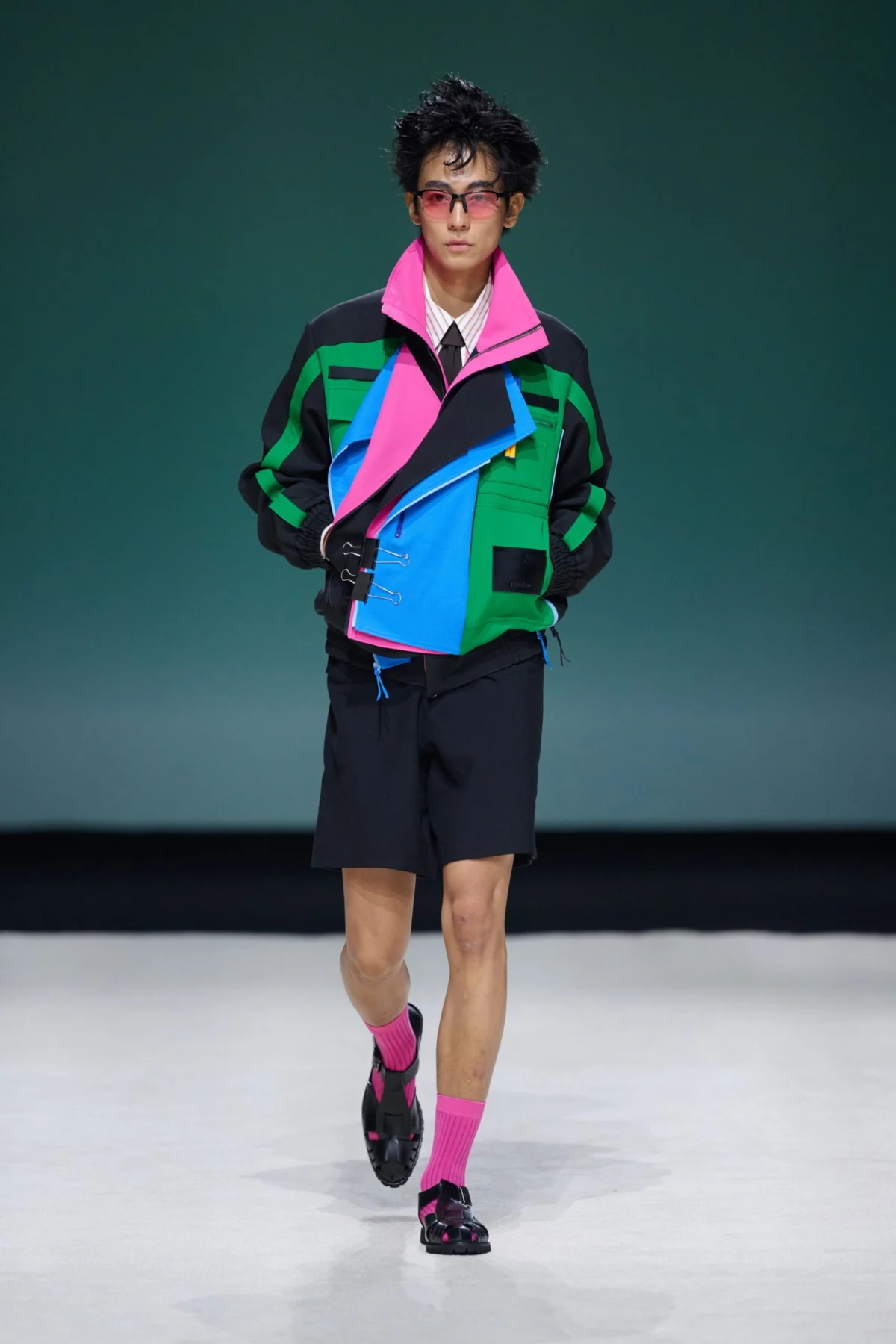
Staffonly, the avant-garde fashion house known for its intellectual and often provocative takes on contemporary culture, recently unveiled its Spring/Summer 2025 collection, "No Duty to Be Cute." The presentation, a highlight of the season, served as a potent commentary on the modern workplace, using a compelling zoological metaphor to explore themes of conformity, individuality, and the subtle acts of rebellion within structured environments. While the collection’s theoretical underpinnings were notably intricate, the garments themselves articulated the narrative with a clarity and subversive charm that resonated immediately, making a powerful case for sartorial expression as a form of dissent.
The Conceptual Framework: A Zoological Metaphor for the Modern Workplace
The inspiration for "No Duty to Be Cute" stems from a profound observation: the modern workplace often functions much like a zoo, where individuals, akin to animals in captivity, are expected to adhere strictly to predefined specifications and roles dictated by those in authority. This metaphor extends beyond mere structure, touching upon the subtle pressures to perform, to fit a certain aesthetic, and to suppress authentic individuality in favor of corporate uniformity. The title itself, "No Duty to Be Cute," encapsulates a defiant stance against superficial expectations, advocating for an authenticity that transcends mere pleasantness or aesthetic compliance.
The collection’s unveiling was accompanied by a meticulously staged performance designed to underscore its theoretical premise. This dramatic interlude delved into the rigorous processes of casting and conformity, vividly illustrating the persistence of rules and the often-absurd demands placed upon individuals to assimilate. Performers navigated scenarios that mirrored corporate interviews, team-building exercises, and hierarchical interactions, all subtly hinting at the suppression of unique traits in favor of a homogenized ideal. The performance aimed to create a visceral understanding of the collection’s message, perhaps at times even overstating the point for maximum impact, ensuring the audience grasped the designers’ critical perspective on contemporary professional life.
Deconstructing the Uniform: Anarchy in the Seams
In stark contrast to the performance’s overt messaging, the clothes of "No Duty to Be Cute" communicated their narrative with a nuanced subtlety that required less explanation and invited closer inspection. The collection presented a series of colorful, slightly preppy uniforms that, at first glance, evoked the structured attire of an eccentric academic institution or a particularly unconventional office environment. However, upon closer examination, these seemingly conventional garments revealed a meticulously crafted subversion, a rebellion embedded within the very fabric and construction.
The classic elements of corporate wear were systematically sabotaged and reinterpreted. Shirt fronts were twisted, plackets skewed, and pockets displaced from their traditional positions, creating an immediate sense of delightful disarray. Sleeves, instead of falling neatly, were gathered into irregular pleats, introducing an organic, almost anarchic texture. Ties, quintessential symbols of corporate formality, were worn backward, transforming an emblem of compliance into a statement of playful defiance. Layered collars and cuffs added volumetric complexity and visual interest, suggesting multiple layers of identity or the careful construction of a public persona.
The genius of the collection lay in its innovative use of contrasting panels and fabrics, often designed to be folded and fixed into new, unconventional shapes. This modularity allowed for dynamic silhouettes that possessed an inherent off-kilter charm. From a distance, the overall effect was one of deceptive order—a well-dressed individual navigating the professional landscape. Yet, as one approached, the intricate details of deliberate disruption became apparent: the slightly askew lines, the unexpected textures, the subtle twists that hinted at a personality refusing to be entirely contained. These garments represented conformity with a few objections eloquently lodged in the seams, a quiet yet persistent protest against absolute assimilation, embodying the spirit of individuality that refuses to be completely tamed by institutional dictates. The fabrication choices were equally deliberate, featuring crisp cotton poplins that held their manipulated shapes, structured wool blends for tailored pieces that still allowed for fluidity, and unexpected technical fabrics providing a modern edge to traditional silhouettes.
Staffonly’s Design Philosophy and Brand Trajectory
Staffonly, founded by Shimo Zhou and Yushan Li, has consistently distinguished itself within the global fashion landscape since its inception in 2015. The brand, often showcasing its collections during London Fashion Week and Shanghai Fashion Week, is celebrated for its intellectual rigor and conceptual depth, frequently blurring the lines between menswear and gender-fluid expression. Zhou and Li are known for their ability to translate complex philosophical and sociological ideas into tangible, wearable art, often exploring themes of identity, societal pressure, and individual freedom. Their design ethos is characterized by meticulous tailoring, innovative fabric manipulation, and a playful yet profound approach to deconstruction.
Previous collections have delved into diverse inspirations, from the psychological impact of digital interfaces to the societal implications of uniform culture, always maintaining a distinctive aesthetic that combines avant-garde experimentation with a foundational understanding of garment construction. This consistent intellectual curiosity and commitment to narrative-driven design have garnered Staffonly a dedicated following among fashion critics, industry insiders, and a discerning clientele who appreciate clothing that speaks to more than just aesthetics. "No Duty to Be Cute" serves as a logical progression in their brand narrative, further solidifying their reputation as designers who are not afraid to use fashion as a powerful medium for social commentary and critical inquiry.
The Broader Discourse: Fashion as Social Commentary
The "No Duty to Be Cute" collection transcends mere aesthetic presentation; it actively participates in a broader societal discourse about the nature of work, personal identity, and the pervasive pressures to conform in an increasingly structured world. In an era where corporate culture often champions homogeneity and quantifiable metrics, the collection poses a fundamental question: at what cost does this conformity come to individual expression and mental well-being?
The metaphorical "zoo" of the workplace speaks to a universal experience, resonating with individuals across diverse industries who grapple with the tension between professional expectations and personal authenticity. Staffonly’s approach provides a sartorial vocabulary for this struggle. By subtly disrupting the very symbols of corporate uniformity—the shirt, the tie, the tailored jacket—the collection offers a quiet yet powerful form of resistance. It suggests that even within the most rigid frameworks, there exists space for individual expression, for "objections lodged in the seams," that can affirm one’s identity without outright rebellion. This nuanced perspective offers a more sustainable form of individuality, one that acknowledges the necessity of fitting in while simultaneously asserting the right to stand out, even if only through a subtly skewed placket or a backward tie. This engagement with contemporary social issues positions Staffonly not just as a fashion brand, but as a cultural commentator.
Industry Reception and Future Implications
The "No Duty to Be Cute" collection has been met with significant critical acclaim, solidifying Staffonly’s position as a leading voice in conceptual fashion. Industry analysts lauded the brand for its intellectual depth and its ability to seamlessly integrate profound social commentary with highly desirable and innovative garment design. Buyers and retailers are anticipated to respond positively to the collection’s unique blend of wearability and avant-garde appeal, recognizing its potential to resonate with a demographic that seeks clothing with both aesthetic merit and intellectual substance. The collection’s clear narrative and distinctive visual language are also expected to perform strongly in digital media, generating significant engagement and reinforcing Staffonly’s brand presence.
For Staffonly, this collection marks another successful chapter in its ongoing evolution. It reinforces their commitment to pushing creative boundaries and using fashion as a tool for dialogue. The success of "No Duty to Be Cute" is likely to further cement their reputation among fashion-forward consumers and critics alike, attracting new audiences who are drawn to the brand’s unique blend of artistic integrity and social consciousness. Moreover, the collection contributes to a growing trend within the fashion industry towards greater introspection and social engagement, where designers are increasingly using their platforms to address pressing contemporary issues. This move towards more thoughtful and purpose-driven design ensures that Staffonly remains not only relevant but also influential in shaping the future discourse of fashion. The continued exploration of themes such as identity, conformity, and rebellion through their distinct design language promises an exciting trajectory for the brand in the seasons to come, further establishing Staffonly as a thought leader in the intersection of fashion, culture, and social critique.
