
 By admin
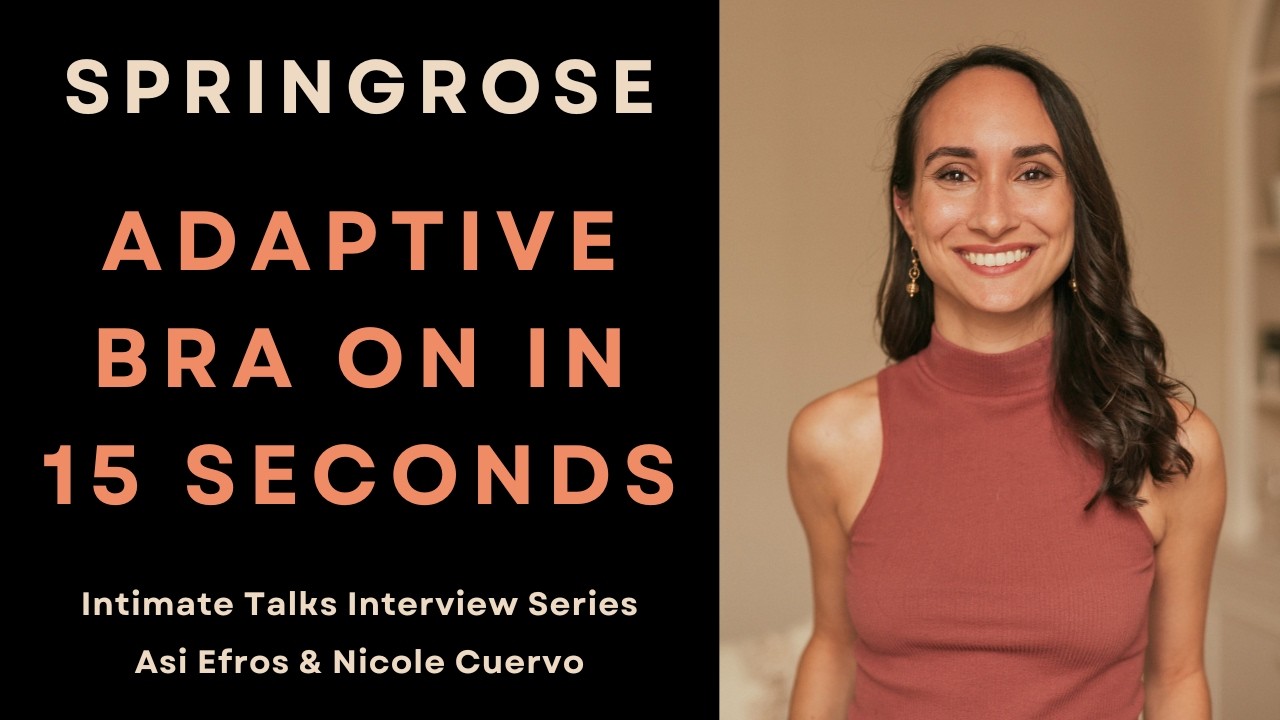
The landscape of the global intimate apparel industry is undergoing a significant transformation as brands shift their focus from purely aesthetic considerations to functional inclusivity. At the forefront of this movement is Springrose, an adaptive intimates brand founded by Nicole Cuervo. What began as a personal observation during a family visit has evolved into a sophisticated enterprise dedicated to restoring independence for women living with physical challenges. By bridging the gap between medical necessity and fashion, Springrose is addressing a historically underserved segment of the market: the millions of women for whom the simple act of putting on a bra is a daily struggle.
The genesis of Springrose can be traced back to 2015, during a traditional Argentine afternoon snack, or merienda, between Cuervo and her grandmother, Rose. While massaging her grandmother’s shoulders, Cuervo noticed deep indentations caused by bra straps. Upon further inquiry, she discovered that Rose, who suffered from arthritis, found her undergarments to be a source of constant physical pain. Despite the discomfort, Rose had resigned herself to the situation, viewing it as an inevitable part of aging and disability. When Cuervo attempted to purchase a more comfortable, accessible alternative as a gift, she found the market severely lacking. The only available options were utilitarian, shapeless, and lacked the dignity of traditional lingerie. This realization served as the catalyst for the founding of Springrose, a name chosen to honor both the season of renewal and the woman who inspired the venture.
The Economic and Social Context of Adaptive Fashion
The emergence of Springrose coincides with a broader recognition of the "inclusive economy." According to data from the Centers for Disease Control and Prevention (CDC), approximately one in four adults in the United States—roughly 61 million people—lives with a disability. Within this demographic, arthritis remains a leading cause of disability, affecting over 58 million adults. Furthermore, the global adaptive clothing market is projected to reach a valuation of nearly $400 billion by 2026, driven by an aging population and a growing demand for products that accommodate various physical needs without sacrificing style.
Historically, the fashion industry has treated "adaptive" and "attractive" as mutually exclusive categories. Traditional bras, with their complex back closures and thin, high-tension straps, require a level of manual dexterity and shoulder range of motion that many individuals do not possess. For those recovering from surgery, living with chronic pain, or managing age-related mobility issues, these design flaws represent a barrier to autonomy. Springrose enters this space not merely as a clothing brand, but as a solution-oriented design firm that utilizes human-centered design principles to solve specific physiological challenges.
A Chronology of Iteration and Research
The development of the Springrose flagship product was not an overnight success; it was the result of a rigorous, multi-year research and development phase. Between the initial idea in 2015 and the official company launch in 2020, Nicole Cuervo engaged in extensive fieldwork. This involved interviewing and surveying hundreds of women, as well as consulting with physical and occupational therapists to understand the biomechanics of dressing.
This research phase revealed critical data points that would dictate the brand’s design philosophy. Of the first 60 women interviewed, 58 expressed a strong dislike for underwire, citing it as a primary source of discomfort. Additionally, 75 percent of participants requested straps that could be adjusted from the front, rather than the back, to eliminate the need for over-the-shoulder reaching. These insights led to a commitment to wire-free construction and front-adjusting hardware across the entire product line.
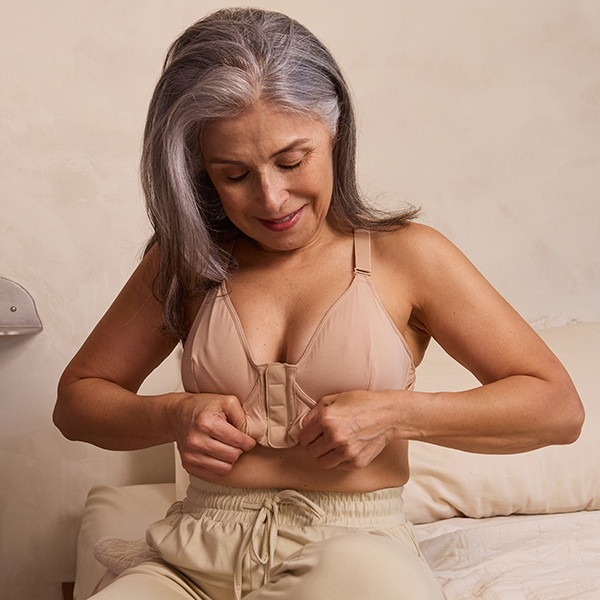
The transition from concept to consumer-ready product required three years of prototyping. Cuervo maintained a "box of prototypes" containing over 20 different versions of the bra. Each iteration addressed specific feedback from user testing. For instance, early prototypes featured blunt Velcro closures that were difficult for users with hand tremors to align. In response, the design was updated to include pointed tips, which naturally guide the material into the sliders. This level of granular detail exemplifies the brand’s commitment to functionality.
Technical Engineering of the Adaptive Bra
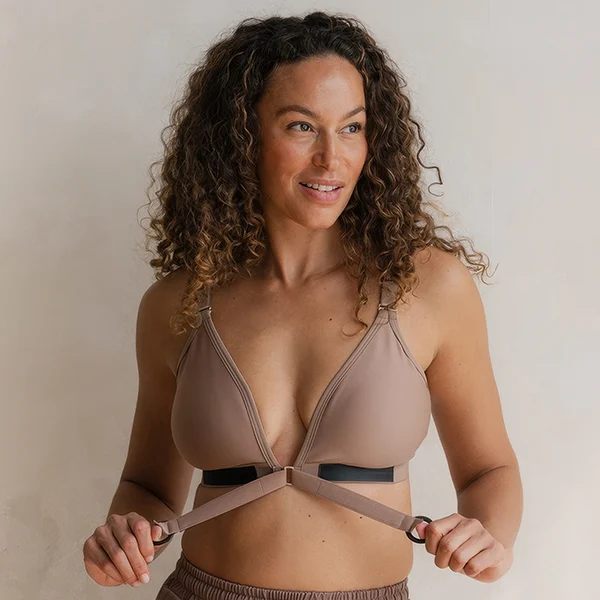
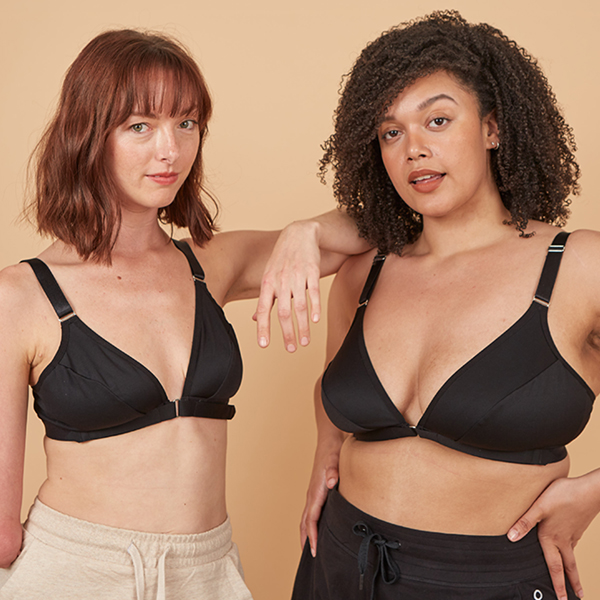
The hallmark of the Springrose design is its versatility. The flagship bra is engineered to be put on in eight different ways, accommodating a wide range of physical limitations. Whether a user needs to step into the garment, pull it over their head, or fasten it at the front or side, the architecture of the bra allows for a tailored dressing experience that can be completed in under 15 seconds.
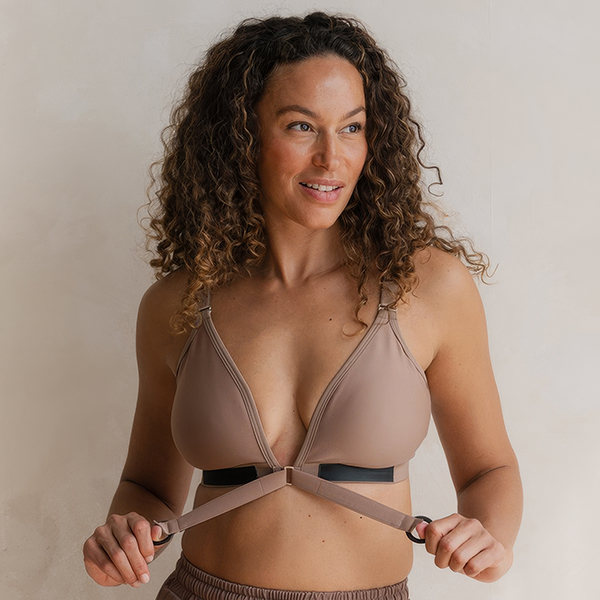
Sourcing the components for such a specialized garment presented significant logistical hurdles. Cuervo noted that finding trims that were functional yet aesthetically pleasing was a major challenge. The "gripping rings"—an optional feature suggested by hand therapists for users with limited grip strength—underwent 17 different versions from various industrial and textile suppliers before the final design was approved. Similarly, the center sliders were redesigned after clinical feedback indicated that clear silicone was difficult for individuals with low vision to see. The resulting hardware is high-contrast and tactile, ensuring ease of use for a diverse user base.
Clinical Implications and User Impact
The impact of Springrose extends beyond the realm of retail into the psychological well-being of its customers. By providing garments that allow for independent dressing, the brand addresses the loss of dignity often associated with physical disability. Cuervo recalls a poignant communication from a customer who shared that the bra had changed her morning routine. Prior to using Springrose, the woman would sit on the edge of her bed and cry, knowing she had to ask her adult son to help her dress. The ability to put on her own bra restored a sense of privacy and self-sufficiency that had been missing for years.
Currently, Springrose serves customers living with more than 50 different medical conditions. These range from chronic issues like rheumatoid arthritis, multiple sclerosis, and fibromyalgia to temporary recovery needs following mastectomies, rotator cuff surgeries, or open-heart procedures. The brand has also seen an uptick in interest from individuals dealing with "long COVID" symptoms, such as extreme fatigue and joint pain, which can make traditional dressing exhausting.
Strategic Expansion and Industry Outlook
As Springrose moves into its next phase of growth, the company is focusing on increasing physical accessibility and product variety. While the brand initially operated primarily through a direct-to-consumer e-commerce model, it is now expanding into independent lingerie boutiques across the United States. This move allows customers to experience the product in person and receive professional fittings, which is particularly important for the adaptive community.
Furthermore, Springrose is preparing for international expansion, with a trial run scheduled for the Australian market. This expansion is supported by a robust product roadmap that seeks to address other "ignored categories" in adaptive apparel. Following the success of their everyday bras, the company has announced plans to launch an adaptive sports bra in early 2027, followed by a swim collection in 2028. These additions will ensure that women with mobility challenges have access to supportive, functional, and stylish options for every aspect of their lives.
The success of Springrose serves as a case study for the broader fashion industry. It demonstrates that inclusive design is not merely a niche market or a charitable endeavor, but a viable and necessary business strategy. As consumers increasingly demand products that reflect the reality of human diversity, the industry must move away from "one-size-fits-all" mentalities.

Analysis of the Adaptive Movement
The rise of brands like Springrose signals a shift in how society views aging and disability. By prioritizing human-centered design, Nicole Cuervo has highlighted a critical intersection between healthcare and fashion. The implications of this are twofold: first, it encourages other manufacturers to reconsider their own design processes; and second, it empowers consumers to demand better from the brands they support.
In conclusion, Springrose is more than a lingerie brand; it is an advocate for independence and a pioneer in the field of adaptive design. Through a combination of rigorous research, technical innovation, and a deep-seated commitment to user dignity, the company is proving that functional clothing can—and should—be beautiful. As the brand continues to grow and diversify its offerings, it remains anchored by the quiet observation made over a meal with a grandmother: that everyone deserves to feel comfortable and capable in their own skin. The story of Springrose is a testament to the power of listening and the transformative potential of inclusive innovation in the modern marketplace.
