
 By admin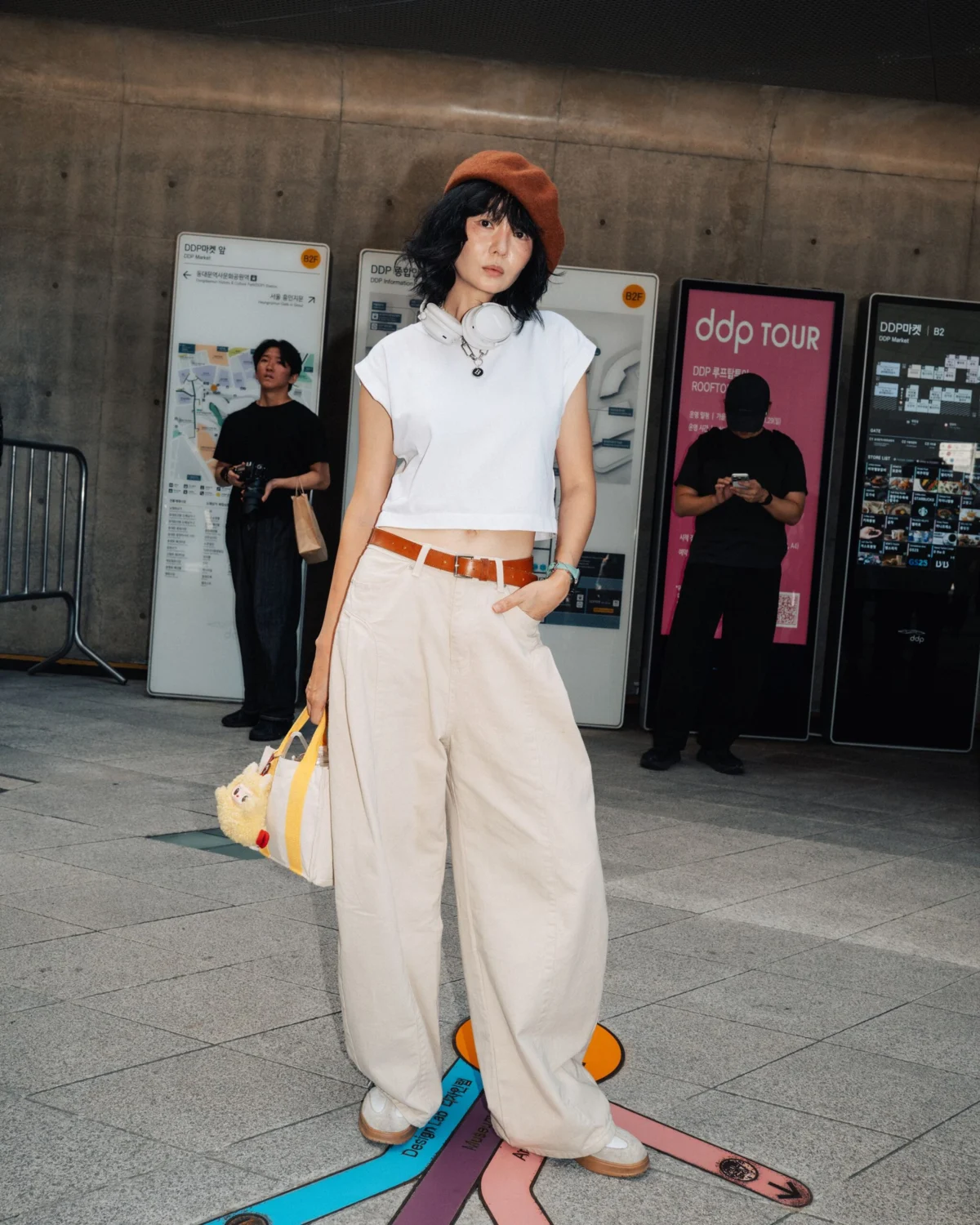
The dynamic heart of Seoul’s fashion scene, the iconic Dongdaemun Design Plaza (DDP), once again buzzed with an electrifying energy as Seoul Fashion Week (SFW) descended upon the city for its Spring/Summer 2027 showcases. This season, the convergence of global K-pop phenomena and the city’s most discerning fashion enthusiasts created a vibrant spectacle, not just on the runways but, crucially, on the streets surrounding the DDP. As designers unveiled their intrepid visions for SS27, it was the attendees’ street style that offered an immediate, tangible glimpse into the evolving landscape of global fashion, cementing Seoul’s reputation as a pivotal trendsetter. The observations from the streets pointed towards a fascinating blend of established K-beauty innovation, a resurgence of gothic aesthetics, and bold sartorial experimentation, pushing boundaries further than ever before.

The atmosphere at the Zaha Hadid-designed DDP was a microcosm of Seoul’s cultural dynamism, drawing an international crowd eager to witness the cutting edge of Korean design. Beyond the curated collections, the attendees themselves became a living runway, showcasing trends that ranged from the meticulously crafted to the provocatively unconventional. Among the most prominent statements observed were the sophisticated evolution of custom nail art, a palpable undercurrent of gothic influences, the enduring appeal of coordinated ensembles, and an intriguing embrace of garments worn in unexpected, even reversed, configurations. These stylistic choices were frequently accented by an array of accessories, from sharp neckties to intricate chain jewelry, adding a layer of deliberate edge to otherwise minimalist or classic outfits. This rich tapestry of individual expression offered a compelling narrative of contemporary fashion.

The Rise of Hyper-Personalized K-Beauty: Custom Nail Art
Custom nail art has long been a hallmark of the expansive K-beauty phenomenon, renowned globally for its innovation and meticulous attention to detail. However, this season at Seoul Fashion Week, street stylers elevated this trend to unprecedented levels of artistry and complexity. What began as a popular aesthetic choice has transformed into a sophisticated form of self-expression, with nails becoming miniature canvases for intricate designs, three-dimensional embellishments, and thematic narratives. This season, observers noted an explosion of micro-trends within nail art itself, ranging from minimalist geometric patterns to elaborate, hand-painted scenes, and even designs incorporating delicate pearls, crystals, or metallic accents.

The proliferation of bespoke nail art reflects a broader cultural inclination in South Korea towards personalized aesthetics and accessible luxury. Data from industry reports consistently highlight the exponential growth of the global nail care market, with South Korea often at the forefront of innovation. Market research firm Statista projected the global nail care market to reach approximately USD 15.6 billion by 2027, with Asian markets, particularly South Korea, acting as key drivers due to their high consumer engagement with beauty trends and rapid adoption of new techniques. The intricate nail designs seen on the streets of Seoul underscore not just a fashion statement, but a testament to the advanced skill of Korean nail technicians and the consumers’ willingness to invest in unique, temporary body adornment. This trend signifies a deeper integration of beauty practices into overall fashion identity, where every detail, no matter how small, contributes to the overarching sartorial message.

A Whisper of Darkness: The Gothic Revival
Amidst the vibrant hues and experimental silhouettes, a distinct "whiff of the gothic" permeated the streets around the DDP. This wasn’t the stereotypical, overtly dramatic gothic of previous decades, but rather a nuanced, sophisticated interpretation infused with modern sensibilities. Elements of this aesthetic manifested in various forms: deep, muted color palettes dominated by black, charcoal, and dark burgundy; the strategic use of sheer fabrics and lace to create an air of mystery; and heavier, more structured silhouettes that evoked a sense of dark romanticism. There was a notable emphasis on layering, with elongated coats, oversized blazers, and flowing skirts contributing to a dramatic, almost theatrical, presence.

This contemporary gothic trend often featured subtle nods to Victorian-era styling, such as high necklines, ruffled collars, or delicate embroidery, juxtaposed with decidedly modern elements like utilitarian hardware or futuristic accessories. The integration of this aesthetic suggests a broader shift in fashion towards a more introspective and perhaps even melancholic mood, potentially reflecting global socio-cultural undercurrents. Fashion analysts have noted a cyclical nature in the resurgence of gothic aesthetics, often emerging during periods of introspection or cultural shift. The Korean interpretation, however, often blends this darkness with an inherent sleekness and precision, avoiding overt maximalism in favor of a refined, edgy elegance. This particular strain of gothic style appears to be less about rebellion and more about a sophisticated embrace of depth and complexity in personal presentation.

Coordinated Chic: The Enduring Appeal of Matching Sets
Matching sets, a perennial favorite, continued their strong presence at Seoul Fashion Week, showcasing their versatility and adaptability to diverse personal styles. From impeccably tailored suits in unconventional fabrics to relaxed, oversized tracksuits rendered in luxurious materials, the coordinated ensemble proved its status as a foundational element of contemporary street style. This season, however, the trend moved beyond simple uniformity, with fashionistas experimenting with varied textures, unexpected color combinations within a cohesive palette, and deconstructed forms of traditional matching pieces.

The appeal of matching sets lies in their inherent ability to convey a polished and intentional aesthetic with minimal effort, while also allowing for individual expression through accessorizing or layering. On the streets of Seoul, these sets were observed in a spectrum of iterations: vibrant graphic prints that commanded attention, minimalist monochrome designs that exuded understated sophistication, and even hybrid forms blending casual and formal elements. For instance, a tailored blazer might be paired with relaxed, wide-leg trousers in the same fabric, or a structured top with a matching skirt featuring asymmetrical cuts. This trend reflects a desire for cohesive yet comfortable dressing, aligning with a broader global movement towards functional elegance. Its prominence at SFW underscores a practical approach to high fashion, where versatility and effortless chic are highly valued.

Deconstructed Norms: The Intrigue of Backwards Clothing
Perhaps one of the most intriguing and forward-thinking trends spotted on the streets was the deliberate wearing of clothing backwards. This avant-garde styling choice, seen on a variety of garments from shirts and jackets to sweaters, transforms familiar silhouettes into something entirely new and unexpected. It challenges conventional notions of design and wearability, creating altered necklines, unexpected drapery, and a playful subversion of traditional garment construction.

This trend is more than a mere stylistic quirk; it represents a bold statement against conformity and a celebration of creative deconstruction. By reversing a garment, street stylers effectively reinterpret its original intent, creating a fresh perspective on form and function. A button-down shirt worn backwards, for instance, might feature a plunging backline or an artful gathering of fabric at the front, turning a mundane item into a piece of conceptual art. This daring approach aligns with Seoul’s reputation as a city that embraces innovation and pushes boundaries in fashion. It suggests an underlying philosophy of sartorial playfulness and a desire to challenge the status quo, reflecting a deeper engagement with clothing as a medium for artistic expression rather than just functional attire. This trend, while perhaps not mainstream, is highly influential among fashion-forward individuals and often signals the early stages of broader design shifts.

The Edgy Embellishment: Accessories Imparting Extra Edge
Complementing these diverse sartorial choices, accessories played a crucial role in imparting an "extra edge" to outfits, particularly those leaning towards sleek minimalism. Neckties, traditionally symbols of formality, were repurposed and recontextualized, often worn loosely, as chokers, or in unconventional materials and patterns, adding a touch of rebellious sophistication. Similarly, chain jewelry, from delicate layered necklaces to chunky industrial-inspired bracelets and waist chains, provided a metallic glint and an undeniable sense of urban cool.

These accessories served as focal points, transforming otherwise understated ensembles into statements of refined individuality. The interplay between sharp, tailored neckties and the raw, industrial aesthetic of chain jewelry created a compelling tension, reflecting a modern sensibility that blends elegance with a subtle subversion. This emphasis on impactful accessories highlights a consumer trend towards investing in versatile pieces that can drastically alter the mood and character of an outfit. The careful selection and styling of these elements underscore the meticulous attention to detail that characterizes Seoul’s street style, where every component is thoughtfully chosen to contribute to the overall narrative of the look.

Seoul Fashion Week: A Global Platform for Innovation
The Dongdaemun Design Plaza (DDP), a masterpiece of parametric architecture designed by the late Zaha Hadid, serves as the central stage for Seoul Fashion Week. Its fluid, futuristic form, often described as a spaceship, perfectly encapsulates the innovative spirit of the event. Inaugurated in 2014, the DDP has become a cultural landmark and a symbol of Seoul’s commitment to design, creativity, and technological advancement. Hosting SFW within its avant-garde walls reinforces the event’s identity as a forward-looking fashion hub.

Seoul Fashion Week, which has steadily grown in international stature since its inception in 1987, is now a cornerstone of the global fashion calendar, alongside established events in New York, London, Milan, and Paris. Its strategic timing allows international buyers, press, and influencers to attend after the main European shows, making it a critical platform for discovering emerging Korean talent. The event is a semi-annual affair, showcasing Autumn/Winter collections in March and Spring/Summer collections in October, though the observation here is specifically for SS27, implying a forward-looking assessment of trends. The current reporting of SS27 trends, seen on the streets, implies a keen eye on how future collections will interact with current street narratives.

The event is not merely a showcase for designers but a vibrant cultural festival that permeates the entire city. The synergy between SFW and the broader Korean Wave (Hallyu) is undeniable. K-pop idols, actors, and other celebrities are omnipresent, both on the front rows of runway shows and as muses for street style photographers. Their global influence amplifies the trends emerging from Seoul, disseminating them to millions of fans worldwide. This symbiotic relationship provides unparalleled exposure for Korean designers and solidifies Seoul’s position as a trendsetting capital, particularly among younger demographics. According to reports from the Korea Creative Content Agency (KOCCA), the global reach of K-pop and K-dramas has led to a significant increase in interest in Korean fashion and beauty products, with exports of fashion-related goods seeing steady growth year-on-year.

Broader Implications: From Street to Mainstream
The street style observations from Seoul Fashion Week are more than just snapshots of individual expression; they serve as critical indicators for future mainstream trends and consumer behavior. Fashion analysts and trend forecasters meticulously document these emerging styles, as they often represent the earliest adoption of new aesthetics before they hit mass retail. The pronounced gothic elements, for example, suggest a potential shift towards darker palettes and more structured forms in upcoming collections, while the experimentation with backwards clothing points to a growing demand for conceptual design and customizable wear.

The economic implications of a thriving fashion week are also substantial. Beyond direct sales for designers, SFW boosts tourism, generates revenue for local businesses (hospitality, retail, F&B), and enhances Seoul’s global brand image. Organizers, such as the Seoul Design Foundation, which manages the DDP and oversees SFW, consistently emphasize the event’s role in nurturing domestic talent and fostering international collaborations. While no specific official statements for SS27 are available, the consistent messaging from past events highlights their commitment to positioning Seoul as a creative hub that marries tradition with innovation.

The continued prominence of K-beauty trends, particularly custom nail art, demonstrates the enduring power of Korean cultural exports. These micro-trends often diffuse globally, influencing beauty standards and consumer preferences far beyond Asia. The sophisticated interpretation of the gothic, the practical elegance of matching sets, and the avant-garde spirit of reversed garments collectively paint a picture of a fashion landscape that is increasingly fluid, personal, and globally interconnected. Seoul’s ability to synthesize these diverse influences into a coherent, yet eclectic, street style narrative underscores its unique contribution to the global fashion dialogue.

Conclusion
As the Spring/Summer 2027 shows at Seoul Fashion Week conclude, the vivid display of street style at the Dongdaemun Design Plaza leaves an indelible impression of innovation, individuality, and cultural fusion. The emergence of elevated custom nail art, the sophisticated reinterpretation of gothic aesthetics, the enduring appeal of coordinated ensembles, and the bold experimentation with avant-garde silhouettes like backwards clothing collectively affirm Seoul’s position as a vital incubator of global fashion trends. These observations, meticulously captured by photographers like Young Chul Kim, provide invaluable insights into the evolving desires of the fashion-conscious, offering a compelling preview of what lies ahead for the industry. Seoul Fashion Week continues to be a dynamic testament to the city’s creative prowess, demonstrating how local cultural phenomena, amplified by global influences like K-pop, can shape the future of fashion worldwide. The streets of Seoul, in their vibrant and often surprising expressions, remain the most immediate and authentic barometer of fashion’s ever-shifting horizon.
