
 By admin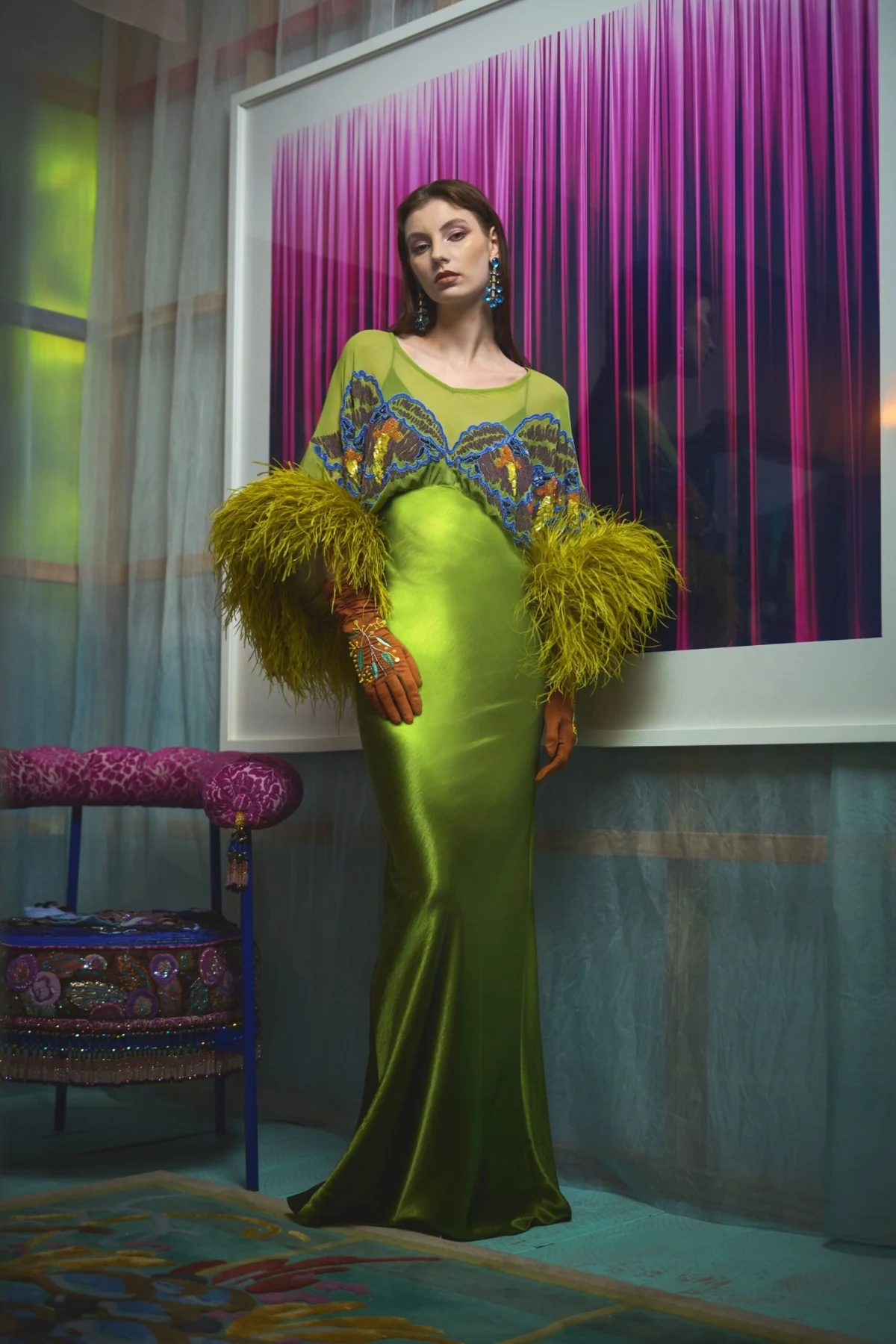
In a notable departure from the conventional spectacle of Australian Fashion Week (AFW), Sydney-based fashion house Romance Was Born (RWB), which celebrated its 20th anniversary last year, opted for a strategic shift in its presentation strategy, choosing to stage an immersive exhibition at Melbourne Design Week (MDW). This move, underscoring a broader industry trend towards sustainability and diversified brand engagement, saw designers Luke Sales and Anna Plunkett collaborate with Cultivated—Cult Furniture’s innovative in-house program dedicated to sustainable furniture refurbishing—to showcase a collection of upcycled pieces imbued with their signature extravagant embellishment. The decision highlights a maturing brand vision, balancing artistic expression with a conscious approach to design and production, signaling a significant evolution for one of Australia’s most distinctive labels.
A Strategic Shift in Presentation
The absence of Romance Was Born from the traditional AFW runway schedule sparked considerable discussion among fashion commentators and enthusiasts alike. For two decades, RWB has been a fixture, renowned for its fantastical, often theatrical presentations that pushed the boundaries of fashion as performance art. Their shows were typically a highlight, a riot of color, texture, and narrative that transcended mere clothing to create an immersive experience. Luke Sales articulated the rationale behind this pivot, stating, "It was an exciting project. It’s something we’ve always wanted to do—we did a really amazing show last year for our 20th anniversary, and decided to focus on [Design Week] instead." This statement not only clarifies the brand’s immediate motivations but also hints at a deeper, long-term strategy to explore alternative platforms for creative expression and commercial outreach. Despite this temporary hiatus from the runway, Sales assured "dedicated Romantics" that seasonal collections remain an integral part of their ongoing strategy, suggesting a re-evaluation of how and where these collections are presented, rather than a cessation of their core design work.
Two Decades of Avant-Garde Vision
Romance Was Born was founded in 2005 by Luke Sales and Anna Plunkett, two graduates of the prestigious Sydney Institute of Technology’s Fashion Design Studio. From their inception, the duo carved out a unique niche in the Australian and international fashion landscape, characterized by a maximalist aesthetic, intricate handcraftsmanship, and a profound reverence for art, nature, and fantasy. Their early collections, often infused with whimsical narratives and a playful disregard for conventional fashion norms, quickly garnered critical acclaim and a devoted following. Over the past two decades, RWB has consistently challenged perceptions of Australian fashion, moving beyond the stereotypes of minimalist resort wear to present a vibrant, imaginative, and culturally rich alternative.
Their 20th anniversary in 2023 was marked by a celebratory collection that encapsulated their journey, featuring retrospective elements alongside new designs, reinforcing their legacy as pioneers of avant-garde Australian fashion. This milestone provided a natural juncture for reflection and strategic realignment. The brand’s evolution has seen them collaborate with a diverse array of artists, institutions, and commercial partners, from iconic Australian artists like Del Kathryn Barton and Jenny Kee to major retailers, consistently demonstrating their versatility and commitment to interdisciplinary creative endeavors. This history of pushing boundaries and embracing collaborative projects made their pivot to Melbourne Design Week a logical, if unexpected, next step in their storied trajectory.
The Powerhouse Museum: A Nexus of Inspiration
A pivotal aspect of Romance Was Born’s enduring creative process and this latest collection is their unique residency within the Powerhouse Museum in Sydney. This extraordinary arrangement grants Sales and Plunkett unparalleled access to the museum’s extensive archives, a treasure trove of historical textiles, decorative arts, and design artifacts. This immersive environment serves as a constant wellspring of inspiration, allowing the designers to directly engage with centuries of human creativity. As Sales noted, their studio location enables them "full access to a wide breadth of historical textiles."
For this particular collection, two distinct historical influences emerged as primary inspirations. The first was traditional French lace, an embodiment of intricate craftsmanship and timeless elegance, hinting at the potential for delicate, layered textures. The second, and more pronounced, was the handmade Art Deco wallpaper designed by Auguste Thomas. Thomas, a prominent figure in the Art Deco movement, was known for his geometric precision, opulent materials, and sophisticated use of color and pattern, epitomizing the elegance and modernity of the 1920s and 30s. The ability to study such artifacts firsthand allowed Sales and Plunkett to deeply internalize the patterns, motifs, and ethos of the era, translating these historical elements into a contemporary fashion narrative. This symbiotic relationship with the Powerhouse Museum underscores RWB’s commitment to thoughtful, research-driven design, distinguishing their work from purely trend-driven collections.
Cultivating Circularity: The Partnership with Cultivated
The collaboration with Cultivated, Cult Furniture’s in-house sustainable furniture refurbishing program, marks a significant foray for Romance Was Born into the realm of circular design. Cult Furniture, a prominent name in Australia’s design industry, established Cultivated as a direct response to the growing imperative for environmental responsibility within the furniture sector. The program focuses on salvaging, repairing, and reimagining pre-existing furniture pieces, diverting them from landfills and extending their lifespan. This initiative aligns perfectly with broader global efforts to reduce waste and promote resource efficiency, moving away from a linear "take-make-dispose" model towards a more regenerative "circular" economy.
For Romance Was Born, the partnership offered a unique opportunity to apply their distinctive aesthetic beyond apparel, transforming discarded or pre-loved furniture into functional art pieces. The synergy was evident: Cultivated provided the canvas of sustainable, refurbished furniture, while RWB brought their unparalleled skill in embellishment, textile manipulation, and fantastical storytelling. This collaboration served not only as an artistic endeavor but also as a powerful statement on the potential for cross-industry partnerships to drive sustainable innovation. Industry analysts view such collaborations as crucial in demonstrating tangible pathways for circularity, inspiring both designers and consumers to reconsider the lifecycle of products. The exhibition at Melbourne Design Week provided a high-profile platform to showcase the tangible results of this innovative alliance, drawing attention to both the aesthetic possibilities and the environmental benefits of upcycling.
The Exhibition: A Tapestry of Upcycled Elegance
The exhibition at Melbourne Design Week was conceived as an immersive experience, a vibrant world-building exercise that blurred the lines between fashion, art, and interior design. Unlike the ephemeral nature of a runway show, the exhibition allowed for sustained engagement with the pieces, encouraging visitors to appreciate the intricate details and the narrative woven into each creation. The setting itself was carefully curated to reflect RWB’s signature maximalist style, creating an environment that felt both fantastical and intimately personal.
Central to the exhibition were the recycled furniture pieces, given new life through Sales and Plunkett’s unique vision. Imagine an antique armchair, once destined for obsolescence, now upholstered in a rich tapestry of repurposed fabrics, adorned with hand-stitched embroidery, sequins, and perhaps a flourish of feathers. A simple wooden side table might be transformed with a mosaic of vintage brooches or a painted motif inspired by Auguste Thomas’s Art Deco designs. Sales highlighted one particular piece: "one embroidered patchwork jacket with a fuchsia feather collar that, upon second glance, matches the upcycled couch next to it." This deliberate juxtaposition and thematic resonance between the fashion garments and the furniture pieces created a cohesive, visually striking narrative, inviting viewers to explore the connections and appreciate the holistic vision. The entire setup evoked the feeling of a "silent film restored by modern technology," a testament to RWB’s ability to infuse historical references with contemporary vitality, creating a sense of timeless yet forward-looking design.
The Collection: Modern Antiquity and Whimsical Craftsmanship
The accompanying fashion collection showcased RWB’s multidisciplinary interests and their ability to translate diverse inspirations into wearable art. The "modern antiquity" aesthetic was a pervasive theme, manifesting in garments that felt simultaneously historical and utterly contemporary. A standout element was the use of slender bias-cut dresses crafted from vintage Italian bedspreads. The choice of vintage bedspreads is significant: it speaks to a commitment to resourcefulness, transforming discarded domestic textiles into high fashion. The bias cut, a technique popularized in the 1930s, allowed the fabric to drape sensuously, accentuating the body’s natural curves while imbuing the dresses—some caped, some sleeveless—with an elegant, almost ethereal quality.
Further enriching the collection were luxurious details such as feathered trims, adding a touch of old-world glamour and tactile opulence, and evening gloves, a classic accessory reimagined with RWB’s signature flair. These elements drew direct parallels to the elegance of the Art Deco era and the romanticism of historical couture. Counterbalancing these antique-inspired pieces were more contemporary offerings, demonstrating the brand’s versatility. An embellished denim pencil skirt, a staple of modern casualwear, was elevated through intricate detailing and paired unexpectedly with a flannel shirt, creating a playful juxtaposition of high and low fashion. Another piece, a totally mod mini-dress, was styled over contrasting coral tights, injecting a vibrant, youthful energy that recalled the bold aesthetics of the 1960s. This eclectic mix underscored Sales and Plunkett’s design philosophy, which embraces a "weird humor" and an "over-the-top" nature, often blurring the lines between irony and genuine artistic expression. The entire collection was photographed within the Powerhouse Museum, strategically positioning the garments alongside the museum’s historical artifacts and the collaborative furniture pieces, reinforcing the collection’s narrative and contextualizing its inspirations.
Sustainability at the Forefront: Industry Implications
Romance Was Born’s pivot to a sustainable design exhibition at Melbourne Design Week holds significant implications for the broader fashion and design industries. In an era increasingly defined by environmental consciousness and the urgent need for sustainable practices, RWB’s collaboration with Cultivated serves as a powerful case study for integrating circularity into high fashion. The industry is under immense pressure to reduce its environmental footprint, from material sourcing and production processes to consumption patterns and waste management. Upcycling and refurbishment, as demonstrated by this partnership, offer viable pathways to extend product lifecycles and reduce landfill waste.
This strategic move by a prominent brand like Romance Was Born sends a clear message: sustainability is not merely a trend but a fundamental shift in design philosophy. It highlights that creativity and luxury can coexist with ethical and environmentally responsible practices. Fashion critics and sustainability advocates have lauded the initiative, viewing it as an example of how established brands can innovate beyond traditional models. It also encourages consumers to consider the provenance and lifecycle of their purchases, fostering a greater appreciation for craftsmanship, longevity, and the transformative potential of repurposing. The exhibition serves as an educational tool, illustrating that "recycled" does not equate to "lesser quality" or "less stylish," but can instead signify unique artistry and a commitment to a better future.
The Evolving Landscape of Fashion Showcases
The decision by Romance Was Born to bypass the traditional Australian Fashion Week runway also speaks to the evolving landscape of fashion showcases globally. Fashion weeks, while still vital platforms for industry visibility and commerce, are undergoing a significant transformation. Brands are increasingly exploring alternative formats—digital presentations, intimate appointments, experiential installations, and cross-disciplinary collaborations—to connect with audiences and convey their brand narratives more effectively. The rigid, often costly, and environmentally intensive nature of traditional runway shows is being re-evaluated.
For RWB, choosing Melbourne Design Week over AFW allowed them to tap into a different, yet highly relevant, audience—one attuned to design, innovation, and sustainability. It offered a more intimate and sustained engagement with their work, contrasting with the rapid-fire nature of runway presentations. This strategic diversification of presentation platforms reflects a broader industry trend where brands seek to maximize impact and resonance by aligning their showcases with their core values and current creative focus. It suggests a future where fashion presentations are less confined to a single format or calendar and more tailored to the specific story a brand wishes to tell, fostering greater creativity and flexibility.
Looking Ahead: Romance Was Born’s Enduring Legacy
As Romance Was Born enters its third decade, this strategic pivot to a sustainable design exhibition marks a new chapter in its illustrious history. While the immediate future promises the continuation of seasonal collections, the manner in which these collections are presented and the underlying philosophies driving their creation may well continue to evolve. The collaboration with Cultivated and the focus on upcycled furniture signals a deepening commitment to circular design principles, which could increasingly influence their apparel collections, perhaps leading to more extensive use of repurposed materials, modular designs, or made-to-order models.
The brand’s enduring appeal lies in its ability to consistently surprise, challenge, and delight. Luke Sales and Anna Plunkett have built a legacy on their unique artistic vision, their commitment to craftsmanship, and their fearless exploration of creativity. By embracing sustainability and exploring new presentation formats, Romance Was Born not only reinforces its position as an avant-garde leader but also contributes meaningfully to the ongoing dialogue about the future of fashion. Their journey continues to be one of constant reinvention, demonstrating that true innovation lies not just in what is created, but also in how it is created and presented to the world. Their "weird humor" and "over-the-top" design nature, far from being mere eccentricity, are revealed as core components of a sophisticated, evolving brand identity that continues to captivate and inspire.
