
 By admin
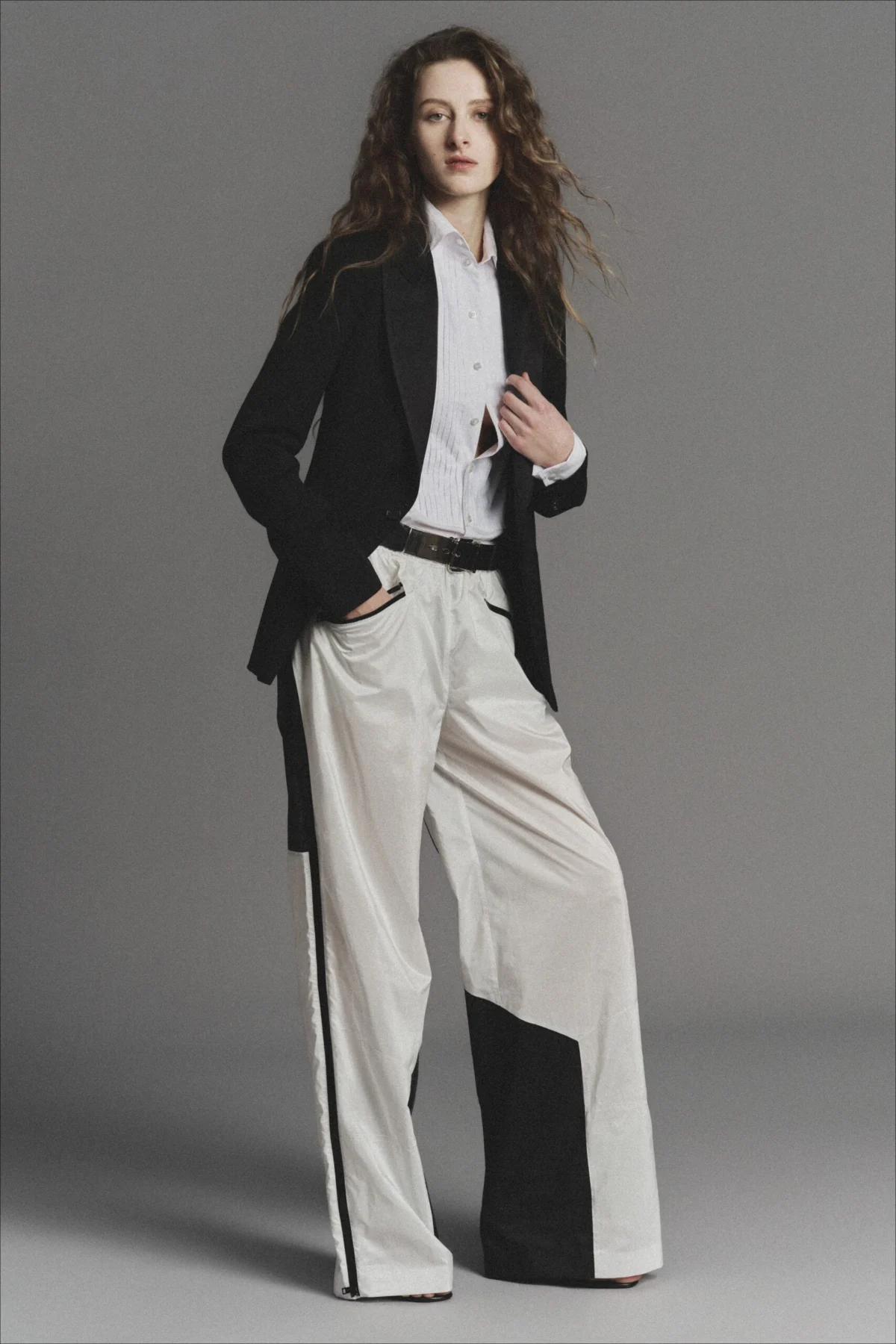
Ralph Lauren recently claimed the prestigious Menswear Designer of the Year Award at the Council of Fashion Designers of America (CFDA) Awards, a testament to his unparalleled, enduring influence on the global fashion landscape. This significant recognition marks not only his continued relevance but also echoes a historic win from 1981, when he received the organization’s inaugural men’s prize. This remarkable chronology firmly positions Lauren at the apex of American fashion, with a career span that predates the birth of many of today’s celebrated designers and even other CFDA honorees. In an industry perpetually driven by the relentless churn of trends and the pursuit of novelty, the arduous task of not merely building a legacy but also consistently renewing and maintaining its vitality is a challenge few have mastered. Yet, as the Ralph Lauren brand approaches its monumental 60th anniversary, its founder demonstrates an undiminished capacity to capture and hold the fashion world’s attention, innovating through heritage and setting new benchmarks for brand engagement.
A Legacy Honored: Dual CFDA Recognition
The CFDA Awards, often hailed as the "Oscars of Fashion," stand as the industry’s most esteemed accolades in the United States, recognizing excellence in design across various categories. For Ralph Lauren to secure the Menswear Designer of the Year award in the contemporary era, nearly 42 years after clinching the very first men’s category award, underscores an extraordinary feat of consistent creativity, business acumen, and cultural impact. This dual recognition highlights a career defined by groundbreaking vision and steadfast adherence to a distinctive aesthetic that has transcended generations. The CFDA, founded in 1962, has historically championed American design, and Lauren has been a pillar of its mission, embodying the aspirational spirit of American style for over half a century. His recent win was not merely an acknowledgment of a specific collection but a broader celebration of his continuous contribution to menswear, which has profoundly shaped how men dress and perceive fashion globally. Industry observers and critics alike noted that while many designers struggle to maintain relevance for a single decade, Lauren’s ability to remain at the forefront speaks volumes about the timelessness of his vision and the strength of his brand’s identity.
The Genesis of an Empire: Ralph Lauren’s Visionary Journey
The narrative of Ralph Lauren is synonymous with the American Dream itself. Born Ralph Rueben Lifshitz in the Bronx, New York, in 1939, his journey began not in haute couture ateliers but as a tie salesman. It was his audacious vision for wider, more luxurious ties that led him to establish his own company, Polo Fashions, in 1967. From this humble beginning, he rapidly expanded into a full menswear line, followed by women’s wear, home furnishings, and fragrances, meticulously crafting an entire lifestyle rather than merely selling clothes.
Key milestones in his chronology include:
- 1967: Founds Polo Fashions, selling men’s ties.
- 1968: Launches his first full menswear collection.
- 1971: Introduces a women’s shirt tailored in the classic men’s style and opens his first stand-alone store in Beverly Hills.
- 1972: The iconic Polo pony logo debuts on the cuff of a mesh pique shirt, available in 24 colors.
- 1974: Designs the costumes for Robert Redford in The Great Gatsby, solidifying his connection to classic American elegance.
- 1981: Opens the first international store in London and receives the inaugural CFDA Menswear Designer of the Year Award.
- 1983: Launches Ralph Lauren Home, extending the lifestyle concept into interiors.
- 1997: Ralph Lauren Corporation becomes a publicly traded company on the New York Stock Exchange.
- 2015: Steps down as CEO, appointing Stefan Larsson, but remains Executive Chairman and Chief Creative Officer, ensuring his creative vision continues to steer the brand.
Lauren’s philosophy has always centered on creating enduring style rather than chasing fleeting trends. He envisioned an aspirational world – one of equestrian pursuits, collegiate charm, rugged Americana, and refined elegance – and then brought that world to life through his collections. This unwavering commitment to a consistent, recognizable aesthetic has been instrumental in his longevity, allowing the brand to evolve without losing its core identity. In an era where "fast fashion" cycles dominate and brands often struggle with identity crises, Ralph Lauren’s steadfast approach offers a powerful counter-narrative, proving that authenticity and heritage can be the most potent forms of innovation.
PoloFest: A Blueprint for Engaging the Next Generation
A vivid demonstration of Ralph Lauren’s innovative approach to brand engagement and legacy renewal was PoloFest, the vintage marketplace orchestrated by the company in Tokyo last month. This groundbreaking event was far more than a retail pop-up; it was an immersive cultural experience that drew an astounding 10,000 visitors and showcased 5,000 specially selected archival Polo pieces. The immense success of PoloFest is not merely a marketing triumph but a strategic masterclass in how established brands can effectively connect with younger, digitally native generations while simultaneously celebrating their rich heritage.
The event tapped into several burgeoning cultural phenomena:
- The Vintage Market Boom: With increasing awareness of sustainability and a desire for unique, authentic pieces, the vintage clothing market has exploded. PoloFest legitimized and elevated this trend, offering curated, authenticated archival items directly from the brand.
- Archival Appreciation: Fashion archives, once viewed primarily as historical resources, are now recognized as powerful assets for storytelling and brand building. By presenting thousands of pieces from its past, Ralph Lauren showcased the depth and breadth of its design history, demonstrating how its iconic styles have stood the test of time.
- Experiential Retail: In an age dominated by e-commerce, physical retail spaces must offer more than just products. PoloFest created a vibrant, interactive environment that fostered community, offered unique discoveries, and provided a memorable brand experience, cementing an emotional connection with attendees.
The ripple effect of PoloFest is already being felt across the business, with industry analysts predicting it is "bound to spawn imitators." This innovative model provides a compelling blueprint for other heritage brands seeking to leverage their archives, engage new demographics, and redefine the boundaries of retail in a post-digital world. It underlines a crucial insight: for brands with a substantial history, their past is not merely a record but a dynamic resource for future growth and relevance.
The Pre-Fall Collection: Iconic Codes Reimagined
While PoloFest generated significant public "noise," Ralph Lauren’s latest pre-fall collection quietly reinforces the brand’s foundational principles through its meticulous design. This collection, much like everything Ralph Lauren undertakes, is deeply rooted in the brand’s enduring iconography, offering fresh interpretations of classic motifs.
Consider the glen plaid pantsuit presented in look 3. This ensemble is not simply a nod to tradition but a direct homage to a sartorial staple frequently worn by Lauren himself. Crafted by master tailors in Italy, it exemplifies the specialized techniques that lend men’s suiting its characteristic sharp lines and impeccable structure. This piece speaks volumes about the brand’s commitment to quality, its appreciation for classic craftsmanship, and its seamless integration of personal style into its wider aesthetic. It’s a statement of timeless elegance, designed to be worn for decades, embodying a form of sustainable luxury through enduring design.
Similarly, the inclusion of track pants in look 1 is another quintessential "Ralph tic." Lauren has long been a pioneer in the art of mixing casual and formal, "low and high" aesthetics – a juxtaposition that has become a hallmark of modern dressing. Before it became a mainstream trend, Lauren championed the pairing of relaxed sportswear with sophisticated tailoring, blurring traditional boundaries and establishing a distinctly American approach to effortless style. This intentional blend reflects a practical elegance, recognizing that modern life demands versatility without sacrificing sophistication.
The color palette for this season features purple as a prominent accent, alongside a refreshing minty green. While purple is indeed a prevailing current across much of contemporary fashion, one cannot attribute this choice to mere trend-following for Ralph Lauren. Famously, Lauren "pays no heed to trends," instead drawing from an extensive and consistent brand universe where colors are chosen for their evocative power and their ability to complement the established aesthetic. Purple, in the Ralph Lauren lexicon, often signifies luxury and depth, frequently appearing in his more opulent collections, while mint green offers a fresh, unexpected counterpoint.
Further demonstrating his independent spirit and the brand’s rich archives, a silvery plunge-front halter top in the collection is a direct "lift from his own 1990s archives." This practice of revisiting and reinterpreting past designs is a powerful testament to the brand’s enduring vision. It not only highlights the cyclical nature of fashion but also underscores the foresight of Lauren’s original designs, proving their timeless appeal. It allows new generations to discover pieces that were groundbreaking decades ago, reinforcing the idea that true style is never truly out of fashion. This strategic use of the archive serves as both a creative wellspring and a narrative device, connecting the brand’s past with its present and future.
Industry Reactions and Tributes
The announcement of Ralph Lauren’s CFDA Menswear Designer of the Year award was met with widespread acclaim and affirmation across the fashion industry.
Ralph Lauren (Inferred Statement): "It is a profound honor to receive this award, especially after so many years. To be recognized by my peers at the CFDA once again is truly humbling. From the very beginning, my vision has been about more than just clothes; it’s about a lifestyle, a dream, and creating something timeless. This award is a tribute to the incredible team who brings that vision to life every day, and to all those who have embraced the world of Ralph Lauren. Our journey continues, driven by the same passion for authenticity, quality, and enduring style."
CFDA Representative (Inferred Statement): "Ralph Lauren’s latest CFDA Menswear Designer of the Year award is not just a recognition of his current collection but a testament to an unparalleled career that has defined American style for over half a century. His initial win in 1981 marked a new era for menswear, and his continued influence today proves that true genius transcends time. He is a visionary, a pioneer, and an icon whose dedication to craftsmanship, storytelling, and brand building sets the gold standard for designers worldwide. We are incredibly proud to honor his enduring legacy."
Fashion Industry Analyst (Inferred Statement): "What Ralph Lauren has achieved is extraordinary. In an industry notoriously fickle, his brand has not only survived but thrived for almost six decades. His ability to consistently interpret and reinterpret his core iconography, to innovate through heritage, as seen with initiatives like PoloFest, and to maintain a powerful aspirational narrative is a masterclass in brand longevity. This CFDA award isn’t just about design; it’s about business acumen, cultural relevance, and the creation of an enduring global empire. He’s not just selling clothes; he’s selling a dream, and people are still buying into it, generation after generation."
Younger Designer (Inferred Statement): "Ralph Lauren is an absolute inspiration. In a world of fleeting trends, his commitment to timelessness and building a complete world around his brand is something every designer aspires to. Seeing him win a major award again, decades after his first, reminds us that authentic vision and consistency are truly the keys to lasting impact. He shows us that you don’t always have to reinvent the wheel; sometimes, perfecting your own distinct aesthetic is the most revolutionary act."
The Enduring Blueprint: Ralph Lauren’s Impact on Modern Fashion
Ralph Lauren’s continued prominence, highlighted by his recent CFDA triumph, offers a compelling blueprint for the future of fashion. His approach to design and brand management provides invaluable lessons for an industry grappling with sustainability, digital transformation, and shifting consumer values.
Firstly, his unwavering focus on timelessness over trends is a powerful argument for sustainable fashion. By creating garments designed to last and remain stylish for years, even decades, Ralph Lauren inherently promotes a more conscious consumption model, counteracting the disposability inherent in fast fashion. His collections, whether through classic glen plaid suits or archival revivals, are investments in style, not fleeting fads.
Secondly, the brand’s strategic utilization of its archives—exemplified by PoloFest and the pre-fall collection’s archival lifts—demonstrates that heritage is not a static concept but a dynamic resource for innovation. In an era of increasing brand fatigue, the ability to tap into a rich history and recontextualize it for contemporary audiences offers a distinct competitive advantage and a powerful narrative. This approach fosters a sense of authenticity and depth that newer brands often struggle to cultivate.
Thirdly, Lauren’s mastery of experiential retail and community building (as seen with PoloFest) sets a new standard for engaging consumers beyond transactional exchanges. In an increasingly digital world, creating memorable physical experiences that foster emotional connections and celebrate brand culture is paramount. This strategy builds loyalty and transforms customers into brand advocates.
Finally, Ralph Lauren’s ability to maintain a strong multi-generational appeal is perhaps his most remarkable achievement. His brand resonates with original admirers from the 70s and 80s, their children, and now their grandchildren, demonstrating that a consistent vision, when executed with quality and aspirational messaging, can bridge demographic divides.
As the Ralph Lauren brand approaches its 60th anniversary, its founder stands not merely as a fashion designer but as a cultural architect whose influence extends far beyond clothing. His journey from selling ties to building a global lifestyle empire, punctuated by historic awards and innovative brand engagement strategies, serves as an enduring testament to the power of vision, authenticity, and the timeless pursuit of the American Dream. His legacy continues to shape the past, define the present, and inspire the future of fashion.
