
 By admin
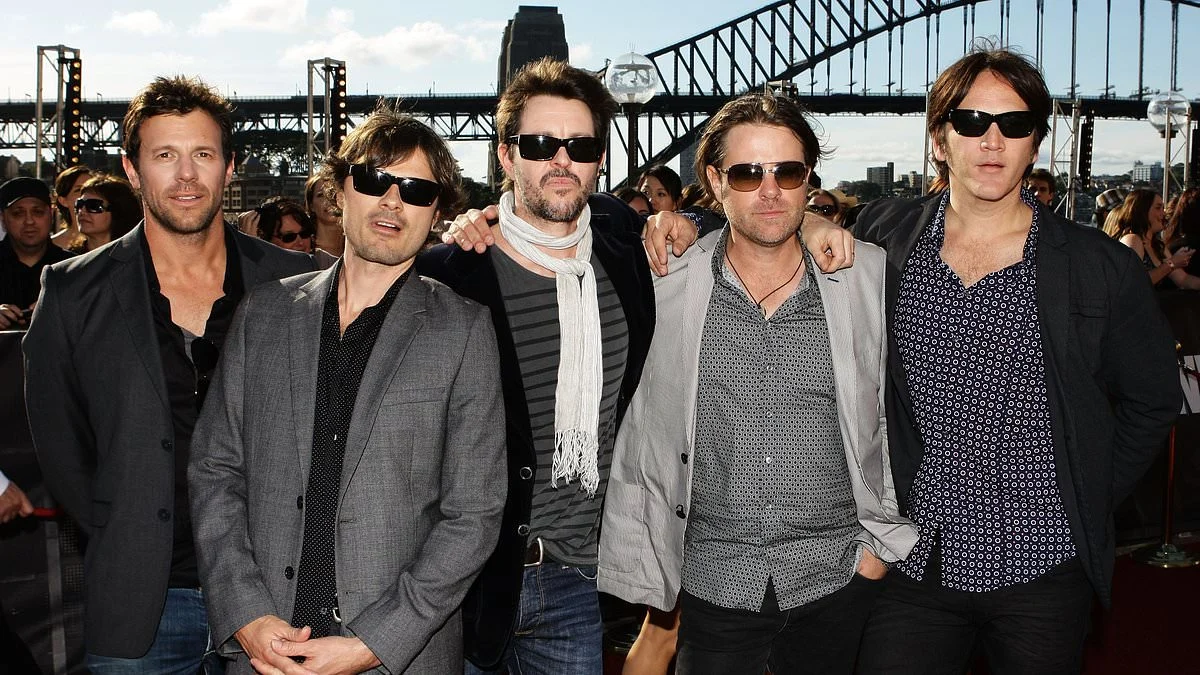
The announcement that iconic Australian rock band Powderfinger will return to the stage in 2027 for their first national tour in 17 years was initially met with a wave of national nostalgia and excitement. However, that sentiment shifted for many on Monday as tickets officially went on sale to the general public. While the "Live 27" tour promises a historic return for one of the country’s most beloved musical acts, the cost of attendance has ignited a fierce debate regarding the accessibility of live music during a period of sustained economic pressure. As fans navigated digital queues numbering in the tens of thousands, the realization that tickets were priced significantly higher than during the band’s previous outings led to a polarized reaction across social media platforms and music industry forums.
The Financial Reality of the Live 27 Tour
The pricing structure for the 2027 reunion tour reflects a broader trend of escalating costs within the global touring industry, yet for many long-term Powderfinger supporters, the figures represented a "sticker shock" that was difficult to reconcile. Standard tickets for the various stadium and arena dates are priced between $141 and $233, depending on the venue and the proximity to the stage. For those seeking a premium experience, VIP packages have been listed at approximately $510.
These figures stand in stark contrast to the ticket prices of the 1990s and 2000s, the era in which Powderfinger cemented their status as a household name. During their 2010 "Sunsets Farewell Tour," tickets were generally available for under $100, a benchmark that many fans still hold as the standard for domestic acts. The jump to a $200 average for "good seats" has led to accusations of the band becoming a "corporate sellout," with some critics arguing that the pricing excludes the very working-class and student demographics that helped the band rise to fame with albums like Internationalist and Odyssey Number Five.
On social media, the backlash was immediate. One disgruntled fan noted that the cost of seeing a domestic band now exceeds the price of many international acts, despite the latter having to account for the massive logistical expenses of freighting equipment and transporting large crews to Australia. Another observer pointed out the irony of such high prices during a "cost of living crisis," questioning how tens of thousands of people could justify a $200-plus expenditure for a single evening of entertainment.
A Legacy Interrupted: The Path to 2027
To understand the intensity of the reaction, one must look at the historical significance of Powderfinger in the Australian cultural landscape. Formed in Brisbane in 1989, the lineup of Bernard Fanning, Ian Haug, Darren Middleton, John Collins, and Jon Coghill became the definitive sound of Australian rock for over a decade. They secured 18 ARIA Awards and multiple number-one albums before announcing their disbandment in 2010. At the time, the band insisted they were leaving on a high note to preserve their legacy, a promise they largely kept for nearly two decades.
Aside from a brief, one-off virtual performance titled "One Night Lonely" during the COVID-19 lockdowns in 2020—which was held to raise funds for the music industry charity Support Act—the band has remained inactive. This 17-year hiatus created a massive vacuum of demand. When rumors of a 2027 reunion were finally confirmed by bassist John Collins, the anticipation was arguably higher than for any other Australian band reunion in recent history.
The "Live 27" tour is scheduled to begin in September 2027, starting in the band’s hometown of Brisbane before traveling to Cairns, Perth, Sydney, Adelaide, and Melbourne. The choice of venues suggests a large-scale production, likely utilizing major stadiums or outdoor spaces to accommodate the expected crowds. This scale of production is often cited by industry experts as a primary driver of modern ticket prices.
Market Demand vs. Public Sentiment
Despite the vocal criticism regarding the "obscene" cost of tickets, the commercial reality of the sale tells a different story. Within hours of the general public release, most dates on the Live 27 tour were reported as completely sold out. The high demand resulted in digital "waiting rooms" where fans reported thousands of people ahead of them in the queue.
The phenomenon highlights a growing divide in the live entertainment market: while many consumers are frustrated by rising prices, there remains a significant portion of the population willing to pay a premium for "event" concerts. For Powderfinger, the 17-year absence has turned their return into a "must-see" event, similar to the recent global tours of international superstars where high prices did little to dampen sell-out rates.
However, for the fans who missed out, the frustration was twofold. Not only were the prices high, but the speed at which tickets disappeared left many feeling alienated. One fan shared their experience of joining the queue with fewer than 1,000 people ahead of them, only to find that no tickets remained by the time they reached the checkout. Another lamented the loss of the "standing room" experience, noting that even the most basic access was priced at nearly $200 for a Monday evening performance in some cities.
Industry Factors Driving Ticket Inflation
The controversy surrounding the Powderfinger tour does not exist in a vacuum. The Australian live music industry has faced significant headwinds over the last several years. According to industry analysts, several factors contribute to the current pricing tiers seen in 2026 and 2027 schedules:
- Logistics and Labor: The cost of stage production, including lighting, sound engineering, and security, has risen by an estimated 30-50% since the pandemic.
- Insurance and Liability: Public liability insurance for large-scale events has become increasingly expensive, often representing a significant percentage of the total tour budget.
- The "Reunion Premium": Historic reunions often command higher prices due to the one-off nature of the event and the significant costs involved in re-assembling a band’s infrastructure after nearly two decades of dormancy.
- Streaming Economics: With the decline of physical album sales and the relatively low revenue generated from streaming services, touring has become the primary source of income for professional musicians.
While these factors explain the business logic behind a $200 ticket, they do little to satisfy the "average" fan who views music as a community experience rather than a luxury commodity. The complaint from an older fan regarding the lack of comfortable, affordable seating highlights a demographic shift; the audience that grew up with Powderfinger is now in their 40s and 50s, often balancing mortgage payments and family expenses with their desire to revisit their youth through music.
The Broader Implications for Australian Music
The "Powderfinger effect" serves as a case study for the future of the Australian music industry. As major domestic acts move toward stadium-level pricing, there are concerns that smaller, emerging artists may be squeezed out of the market. If a consumer spends $500 on a single VIP experience for a reunion tour, they may have less disposable income to spend on multiple tickets for local club shows or smaller festivals.
Furthermore, the backlash suggests a potential breaking point for consumer patience. While the Live 27 tour has successfully sold out, the reputational risk to heritage acts is real. Labels such as "corporate sellout" can tarnish a legacy built on authenticity and a connection to the "everyman."
However, there is another side to the sentiment. Many fans expressed pure joy at the opportunity to see the band one last time, regardless of the cost. For these supporters, the chance to hear hits like "My Happiness," "These Days," and "Sunsets" in a live setting is a priceless experience that outweighs the immediate financial burden. "There has always been one band I regretted never seeing live," wrote one fan. "This morning I got tickets… Happy days!"
Conclusion and Looking Ahead to 2027
As the dust settles on the initial ticket sale, the focus will likely shift from the cost of the tickets to the quality of the upcoming performances. Powderfinger has a reputation for being one of the most disciplined and powerful live acts in Australian history, and expectations for the 2027 tour are immense.
The band has yet to issue a formal response to the pricing complaints, but the sell-out status of the tour confirms that their market power remains undiminished after 17 years. Whether this tour marks a permanent return or a final, lucrative farewell remains to be seen. What is clear, however, is that the conversation around the "Live 27" tour has touched a nerve in the Australian public, reflecting broader anxieties about the economy, the value of culture, and the changing nature of the music industry in the late 2020s.
For now, those who secured tickets are counting down the months until September 2027, while those who didn’t are left to hope for additional dates or a more affordable secondary market—though the latter remains unlikely given the strict anti-scalping measures currently in place across Australian states. The Powderfinger reunion is set to be the definitive musical event of 2027, but it will also be remembered as the moment the cost of nostalgia reached a new, and for many, uncomfortable peak.
