
 By admin
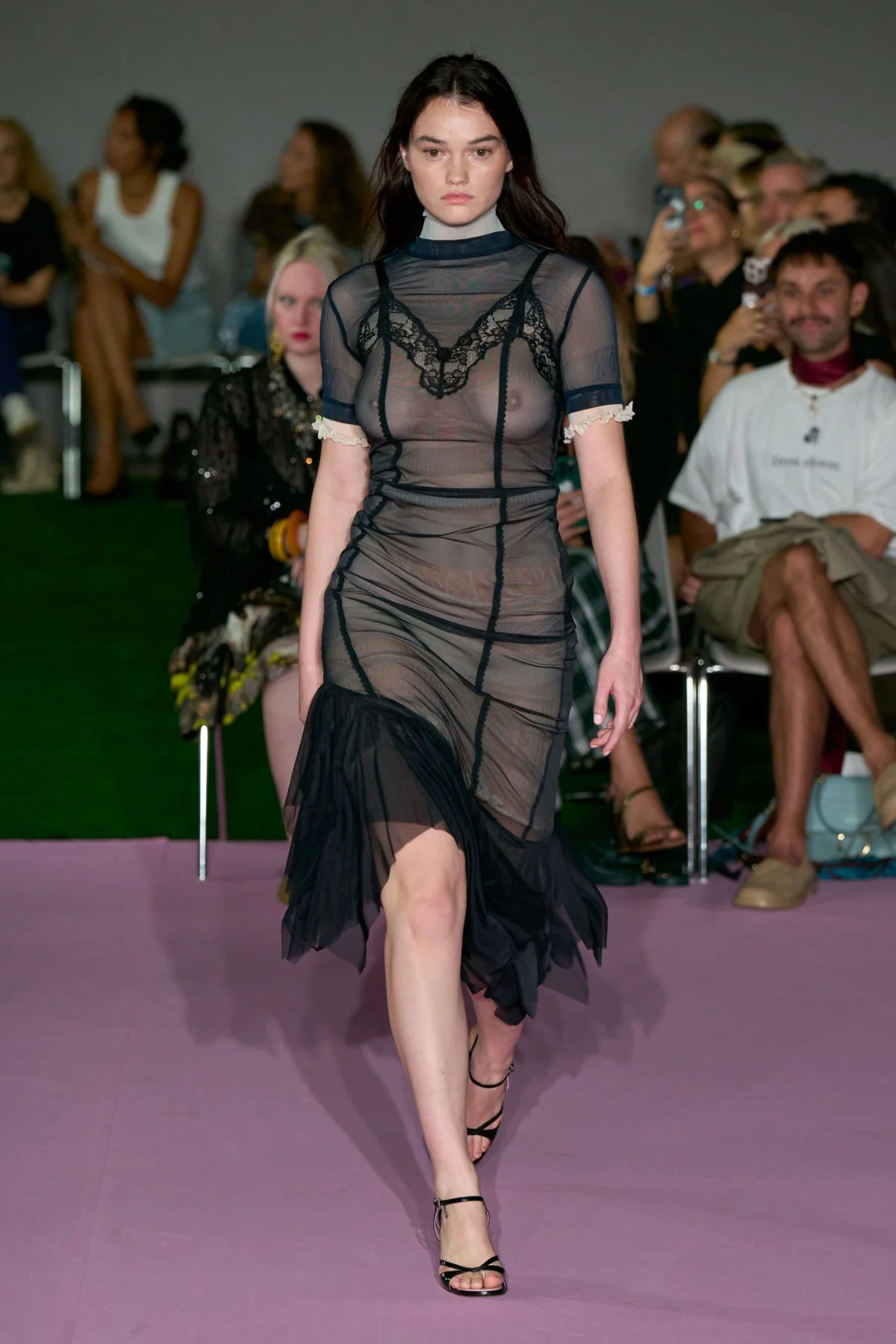
Paris Fashion Week (PFW) 2026 concluded its highly anticipated run, signaling a definitive paradigm shift within the global luxury industry. The week-long event, which wrapped up on October 1st, transcended traditional showcases of haute couture and ready-to-wear, becoming a prominent platform for environmental responsibility, ethical production, and technological innovation. Designers, industry leaders, and emerging talents alike converged to present collections that prioritized eco-conscious materials, circular design principles, and immersive digital experiences, marking a crucial turning point for a sector long criticized for its environmental footprint. The Fédération de la Haute Couture et de la Mode (FHCM), organizers of Paris Fashion Week, had notably encouraged participants to integrate sustainable practices and digital innovation, setting a tone that resonated throughout the presentations and ancillary events.
A Chronology of Transformation: From Concept to Runway
The groundwork for PFW 2026’s transformative agenda began long before the first runway show. Over the past several years, increasing public scrutiny, coupled with scientific reports on climate change, has intensified pressure on the fashion industry to adopt more sustainable operational models. Consumer awareness, particularly among younger demographics, has surged, demanding transparency and ethical sourcing from their preferred brands.
Pre-PFW Buzz (Early September 2026): Leading up to the event, industry analysts and fashion critics widely anticipated a strong focus on sustainability. Reports from consultancies like McKinsey & Company had projected that the sustainable fashion market would grow at a Compound Annual Growth Rate (CAGR) of 15-20% through 2030, reaching an estimated value of $150 billion globally. This forecast fueled significant investment in green technologies and materials, creating a fertile ground for innovation to be unveiled at PFW. Speculation mounted regarding which established houses would lead the charge and which emerging designers would set new benchmarks. The FHCM released a comprehensive guide for participants, outlining best practices for reducing waste, minimizing carbon emissions, and promoting ethical labor, underscoring their commitment to fostering a more responsible industry.
Opening Days: Subtle Shifts and Grand Statements (September 25-27): The initial days of PFW 2026 saw traditional luxury powerhouses subtly yet significantly integrating sustainable elements into their collections. Chanel, under the creative direction of Virginie Viard, presented a collection featuring tweed woven from recycled wool and organic cotton blends, alongside signature pieces crafted from upcycled vintage materials. Dior, led by Maria Grazia Chiuri, showcased garments utilizing innovative bio-fabrics derived from algae and mushrooms, a move lauded by environmental advocates. Louis Vuitton’s menswear collection, overseen by Pharrell Williams, incorporated regenerated nylon from ocean plastics into outerwear and accessories, accompanied by a compelling digital campaign highlighting the lifecycle of these materials. These established brands demonstrated that luxury and sustainability were not mutually exclusive but rather increasingly intertwined, setting a sophisticated precedent for the week.
Mid-Week Momentum: Pioneers and Innovators (September 28-29): The middle of the week brought forth designers who have long championed sustainability, as well as a new wave of innovators. Stella McCartney, a perennial leader in ethical fashion, presented a collection that was 95% free of virgin synthetic materials, featuring groundbreaking alternatives like plant-based leather and fully compostable footwear. Her show was accompanied by an immersive digital experience that allowed attendees to trace the origin of every material used. Emerging talents, such as Parisian designer Céleste Dubois, garnered significant attention for her collection crafted entirely from pre-consumer textile waste, demonstrating remarkable creativity in upcycling techniques. Her use of advanced textile shredding and re-weaving technologies transformed discarded fabric scraps into luxurious, textured garments, challenging conventional notions of waste. Another standout, the London-based label "BioFuture," debuted a line of digitally printed garments using waterless dyeing techniques and pigments derived from natural sources, significantly reducing water consumption and chemical runoff.
Closing Days: Digital Frontier and Future Visions (September 30 – October 1): The latter half of PFW 2026 underscored the burgeoning role of digital integration in fashion. Several designers incorporated Augmented Reality (AR) and Virtual Reality (VR) into their presentations, allowing remote viewers to experience shows with unparalleled immersion. Balenciaga, known for its avant-garde approach, launched a parallel digital collection of NFTs (Non-Fungible Tokens) alongside its physical runway show, with select digital garments unlockable for virtual try-ons in metaverse platforms. These NFTs, designed to complement their physical counterparts, were quickly snapped up by collectors, demonstrating the growing convergence of luxury fashion and Web3 technologies. Additionally, several brands, including Prada and Hermès, unveiled initiatives leveraging blockchain technology to enhance supply chain transparency, allowing consumers to scan QR codes on garments to verify the ethical sourcing and manufacturing journey of their purchases. This move aimed to build greater trust and accountability within the industry.
Supporting Data and Industry Context
The emphasis on sustainability and digital integration at PFW 2026 is not merely a trend but a strategic imperative driven by compelling data and evolving market dynamics.
A recent report by the Global Fashion Agenda (GFA) indicated that the industry’s carbon footprint, while showing signs of improvement, still accounts for approximately 4% of global greenhouse gas emissions. However, the report also highlighted that brands actively investing in circularity and renewable energy sources saw an average reduction of 15% in their operational emissions over the past three years. This data provides a strong incentive for widespread adoption of sustainable practices.
Consumer behavior statistics further underscore this shift. A 2025 survey conducted by Euromonitor International revealed that 68% of Gen Z and 55% of millennial consumers globally prioritize purchasing from brands with strong environmental and ethical credentials. Furthermore, 45% of these demographics stated a willingness to pay a premium of 10-20% for sustainable products. This demographic pressure is a key driver for brands to innovate and adapt.
The digital realm also presents significant opportunities. Market research firm Statista projected that the global metaverse market, including virtual fashion, could reach $678.8 billion by 2030. Investment in fashion technology (fashion tech) startups has surged, with venture capital funding increasing by 35% in 2025 compared to the previous year, totaling over $5 billion globally. This influx of capital is fueling advancements in AI-driven design, 3D garment rendering, virtual try-on technologies, and blockchain-based authentication systems, all of which were prominently featured at PFW 2026. The adoption of these technologies not only enhances consumer engagement but also offers potential pathways to reduce physical sampling and waste in the design and production process.
Official Responses and Industry Perspectives
The concerted effort at PFW 2026 drew significant praise and commentary from various stakeholders.
Bruno Pavlovsky, President of Fashion at Chanel and President of the FHCM, addressed the closing press conference: "Paris Fashion Week 2026 has unequivocally demonstrated that the future of luxury is intertwined with responsibility and innovation. Our designers have shown immense creativity in embracing new materials and digital tools, proving that elegance and sustainability are not mutually exclusive. The FHCM remains committed to fostering an ecosystem where ethical practices are not just an aspiration but a fundamental aspect of design and production."
Stella McCartney remarked on her collection: "For years, we’ve advocated for a fashion industry that respects our planet. This season, seeing so many incredible talents push the boundaries with bio-materials and waste reduction, it truly feels like a turning point. It’s about moving beyond simply ‘doing less harm’ to actively ‘doing good’—creating beautiful fashion that regenerates, rather than depletes."
Dr. Anya Sharma, a leading sustainable fashion consultant, provided an external perspective: "What we witnessed at PFW 2026 was a crucial validation of the industry’s evolving conscience. The integration of robust supply chain traceability, the embrace of circular design, and the genuine efforts to minimize environmental impact are no longer niche concerns but central tenets of luxury fashion. However, the challenge remains in scaling these innovations across the entire value chain, from raw material extraction to consumer end-of-life solutions."
Antoine Dubois, CEO of LuxTech Innovations, a company specializing in blockchain solutions for luxury brands, commented on the digital aspect: "The luxury consumer of 2026 demands not just exquisite products, but also trust and transparency. Blockchain offers an immutable record of a product’s journey, from atelier to customer. PFW showcased how brands are leveraging this to build unprecedented levels of authenticity and ethical assurance, particularly important for resale markets and circular business models."
Broader Impact and Implications
The success and direction of Paris Fashion Week 2026 are expected to have profound and lasting implications across several dimensions of the global fashion industry.
Supply Chain Transformation: The increased demand for ethically sourced and sustainable materials will necessitate a radical overhaul of existing supply chains. This will drive further investment in innovative material science, bio-manufacturing, and advanced recycling technologies. Manufacturers and suppliers who can meet these new demands for transparency, traceability, and environmental compliance will gain a significant competitive advantage. Brands will increasingly forge direct partnerships with sustainable farmers, innovators, and certified recyclers, shortening and de-risking their supply chains.
Evolving Consumer Expectations: The visibility of sustainable and digitally integrated collections at PFW 2026 will further educate and empower consumers. Expect a continued rise in demand for products with clear sustainability certifications, carbon footprint labels, and verifiable ethical production claims. The novelty of digital fashion and NFTs will also likely transition into a more mainstream expectation, with consumers seeking hybrid physical-digital assets and immersive brand experiences. This will push brands to communicate their sustainability efforts more effectively and authentically, avoiding "greenwashing" at all costs.
Regulatory Landscape: The industry’s proactive embrace of sustainability may influence future regulatory frameworks. Governments and international bodies, seeing the luxury sector take tangible steps, may be encouraged to introduce stricter environmental and labor regulations, potentially including mandatory extended producer responsibility (EPR) schemes for textiles, carbon pricing, and enhanced transparency requirements across global supply chains. This could standardize sustainable practices and create a more level playing field.
Economic Shifts and New Job Creation: The pivot towards sustainable and digital fashion will spur economic growth in specialized areas. New job roles are emerging in areas such as material science research, circular design, textile recycling engineering, blockchain development for supply chain management, AI-driven design, and metaverse content creation. This shift represents a significant opportunity for innovation and diversification within traditional fashion economies. Investment in green manufacturing facilities and research and development will also generate new capital flows.
Creative Evolution and Innovation: For designers, the constraints of sustainability are proving to be powerful catalysts for creativity. The challenge of working with innovative bio-materials, upcycled textiles, and digital mediums is pushing aesthetic boundaries and fostering new forms of artistic expression. The integration of AI in design processes, for instance, allows for rapid prototyping and material optimization, opening up entirely new creative avenues that were previously unimaginable. The industry is moving beyond the traditional seasonal cycle, embracing more fluid and responsive design paradigms.
The Future of Fashion Events: PFW 2026 has set a new benchmark for how major fashion weeks can evolve. Future events are likely to continue this trajectory, integrating more digital components, focusing on impact-driven narratives, and fostering global collaboration on sustainable solutions. The traditional runway show may transform into a hybrid experience, blending physical presentations with global virtual access, interactive digital showcases, and educational forums on responsible consumption and production.
In conclusion, Paris Fashion Week 2026 was more than just a showcase of upcoming collections; it was a powerful statement of intent. It solidified the luxury industry’s commitment to a future where aesthetic excellence coexists with environmental stewardship and technological innovation, laying down a blueprint for a more responsible, transparent, and digitally forward fashion landscape. The reverberations of this transformative week are expected to shape the industry for years to come, influencing design, production, consumption, and the very definition of luxury itself.
