
 By admin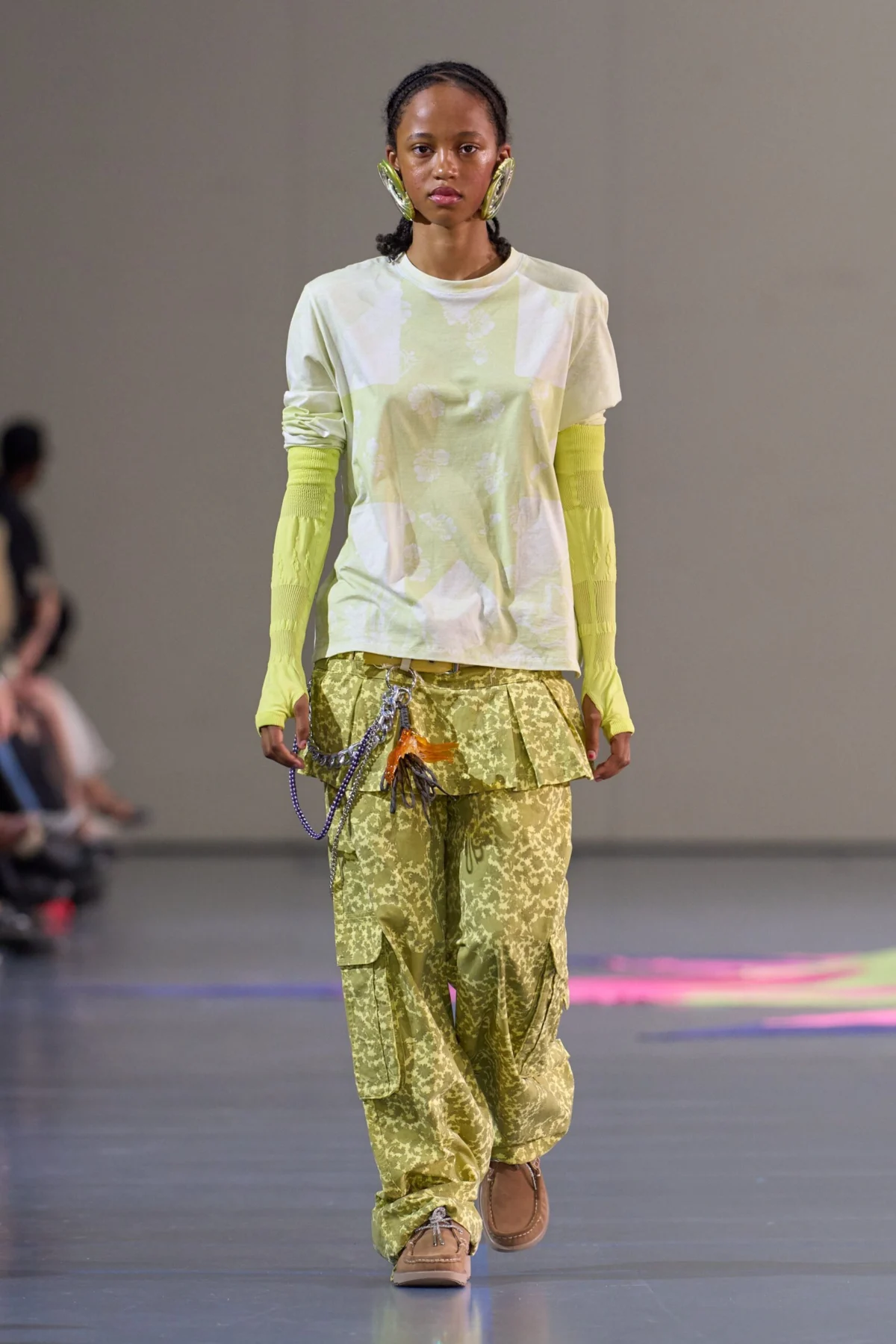
The fashion landscape often serves as a mirror to societal shifts and individual introspection, and Paolina Russo’s Spring 2027 collection, unveiled at Copenhagen Fashion Week, masterfully encapsulated this dynamic through a narrative rich in youthful duality, community celebration, and an unwavering commitment to environmental stewardship. From the vibrant energy of the runway to the meticulously crafted garments, the London-based brand, helmed by designers Paolina Russo and Lucile Guilmard, presented a vision that was both deeply personal and universally resonant, marking a significant moment in contemporary fashion.
The Narrative of Duality: From Grandma’s House to the Skate Park
The core of the collection’s narrative revolves around a fictional heroine, whose journey mirrors the tumultuous yet transformative period of adolescence and the perennial quest for self-identity. Last season, the Paolina Russo heroine was depicted on a school trip to Copenhagen’s French Embassy, a setting that hinted at structured learning and perhaps a nascent sense of exploration within a formal European context. For Spring 2027, the narrative shifts dramatically as school is decidedly out, and her summer unfolds in a setting that juxtaposes two distinct worlds: the comforting, traditional embrace of her grandmother’s house and the edgy, rebellious allure of the local skate park. This dichotomy is not merely a backdrop but the very engine of the collection’s aesthetic and thematic exploration.
At her grandmother’s, the heroine embodies the archetype of a doting granddaughter, enveloped by the tactile comforts of chintzy florals and intricate patchwork "Lone Star" quilts. These elements evoke a profound sense of heritage, domesticity, and a bygone era, speaking to tradition, familial bonds, and inherited aesthetics. This portrayal taps into a collective memory of summer holidays and the unique comfort found in intergenerational spaces. Yet, as night falls, a different persona emerges. She covertly slips away to the local skate park, shedding her daytime guise for a realm of angsty rebellion, propelled by the raw energy of teen spirit and a fierce desire for self-discovery. "She has this secret life," Russo articulated, explaining the character’s internal drive, "driven by a desire to find herself." This quest for identity, navigating the spectrum between conformity and defiance, forms the emotional core of the collection, reflecting a universal adolescent experience.
As the summer progresses, the collection’s aesthetic ingeniously melds these two seemingly disparate worlds, creating a sartorial language that speaks of hybridity and transformation. The result is a series of garments that are both familiar and strikingly innovative. A prim pea coat, traditionally associated with classic, structured elegance and a sense of formality, is boldly reinterpreted with clashing ditsy floral prints, a direct visual nod to the grandmother’s house. This unexpected pairing of structured silhouette with whimsical patterns is further softened by its rendering in a hazy cargo green, a color that subtly references utilitarian wear and an adventurous, outdoorsy spirit, effectively bridging the gap between delicate domesticity and robust functionality. Folkloric wooden buttons, reminiscent of handcrafted heirlooms and traditional craftsmanship, are unexpectedly laced with psychedelic rainbow embroidery thread, injecting a vibrant burst of youthful, counter-cultural energy into otherwise conventional elements. This detail perfectly symbolizes the heroine’s journey—a grounding in heritage with a rebellious, colorful twist, reflecting the vibrant internal world of a teenager.
The brand’s signature laser print jeans, a staple known for their modern edge and technological innovation, have been reimagined this season with geometric shapes meticulously borrowed from traditional quilting patterns. This innovative fusion transforms a contemporary garment into a wearable piece of art that simultaneously honors historical craft and embraces modern technology. The intricate patterns, usually associated with cozy, homespun textiles, are given a sharp, futuristic edge through the precise laser printing technique, creating a visual dialogue between past and present. Lucile Guilmard, co-founder of Paolina Russo, reflected on this profound fusion, stating, "It’s a fantasy, because it’s not necessarily what we’re living today, but it’s a story we lived before, growing up in small towns. There’s an element of nostalgia and shared memories." This statement underscores the collection’s grounding in a collective human experience, tapping into the universal longing for simpler times while acknowledging the complexities of modern youth. The designs are not just clothes; they are narratives woven into fabric, inviting wearers to explore their own multifaceted identities and the nostalgic echoes of their own coming-of-age stories.
Accessories: Artifacts of Play, Subculture, and Artistic Transformation
The collection’s narrative extends seamlessly into its accessories, which serve as potent symbols of nostalgia and youthful rebellion, transforming everyday objects and childhood relics into high-fashion statements. This season, Paolina Russo deepened its collaborative ethos, partnering with visionary artists and designers to create pieces that are both whimsical and thought-provoking, pushing the boundaries of conventional jewelry design.
The Japanese spinning top Beyblade toys, which Paolina Russo and Lucile Guilmard themselves played with as children, were ingeniously reimagined by artist Yuma Burgess as melted plastic earrings. These unique pieces, suspended like modern Neolithic medallions, gleamed in vivid bubblegum pink and acid green, colors that evoke the playful, often irreverent spirit of youth culture and pop art. The transformation of a mass-produced toy into a unique, handcrafted piece of jewelry speaks directly to the collection’s overarching theme of finding beauty and meaning in unexpected places, and the alchemical process of turning cherished childhood memories into contemporary art. Burgess’s work here is a testament to the power of upcycling and recontextualizing familiar objects, imbuing them with new cultural and aesthetic significance within the high-fashion context.
Further cementing this theme of transforming everyday objects, jewelry designer Florence Tétier embarked on a similar creative journey, turning discarded skateboard wheels—emblems of skate park culture, urban rebellion, and a distinct youth subculture—into chunky, statement necklaces. These pieces were further adorned with plastic cutlery, meticulously melted and manipulated into trippy neon flowers, creating a striking contrast between the gritty, industrial nature of the wheels and the delicate, yet vividly artificial, blooms. Tétier’s contribution highlights a punk-rock sensibility fused with a playful, almost psychedelic aesthetic, perfectly aligning with the heroine’s "secret life" persona and her nocturnal adventures. The innovative use of melted plastic cutlery also subtly nods to sustainability through creative reuse, transforming potential waste into compelling, wearable art.
The brand’s signature skater girl belt chains also made a prominent appearance, serving as an enduring symbol of the brand’s identity and its connection to youth subcultures. These chains, jangling with an eclectic assortment of keys and found objects, serve as tangible representations of individuality and personal narrative. Each attached item could metaphorically tell a story, reflecting the wearer’s adventures, secrets, and personal treasures, further deepening the collection’s thematic exploration of self-discovery and unique personal expression.
For the footwear, Paolina Russo partnered with show sponsor Ecco, a distinguished Danish footwear brand renowned for its innovative approach to comfort, durability, and sustainable leather production. Ecco’s classic Joke shoes, known for their timeless appeal and ergonomic design, were given a distinct Paolina Russo makeover. They were "souped up" with bedazzled rhinestone laces, adding a glamorous, almost playful sparkle to a traditionally understated and functional design. This collaboration exemplifies how a brand rooted in sustainability and classic design can be infused with the avant-garde spirit of a younger label, creating a product that bridges functionality with high-fashion flair. This partnership also underscores Ecco’s commitment to engaging with contemporary designers and trends, showcasing the versatility and adaptability of their core product lines within a broader fashion narrative.
A Celebration of Community: The Show as a Shared, Immersive Experience
Beyond the captivating garments and innovative accessories, Paolina Russo’s Spring 2027 show was a powerful testament to the brand’s core philosophy: an unwavering belief in community and inclusivity. In an industry often perceived as exclusive and hierarchical, Russo and Guilmard deliberately dismantled traditional barriers, transforming their runway presentation into a vibrant, communal celebration that redefined the fashion show experience. "Paolina Russo is nothing without its community," Russo asserted, a statement that was vividly brought to life by the show’s unique and open format.
The designers threw open the doors of their spring 2027 show, inviting not just the usual contingent of industry insiders, buyers, and critics, but hundreds of their devoted fans to join the party. This bold move, a significant departure from conventional fashion presentations, fostered an atmosphere of genuine excitement, accessibility, and belonging. The decision to make the show accessible to a broader audience reflects a growing trend in fashion towards democratizing the experience, moving away from an ‘insider-only’ mentality and recognizing the power of direct consumer engagement. After the initial industry guests had departed, an even larger wave of fans poured in for a second, equally enthusiastic showing, further amplifying the sense of shared experience and direct engagement with the brand. "Our clothes are a uniform for belonging," Russo declared, articulating the brand’s mission to create apparel that fosters connection, while Guilmard added, "Everyone is welcome." These sentiments are not mere platitudes; they are foundational principles embedded in the brand’s identity, manifesting in a tangible, inclusive event that resonated deeply with attendees.
The setting of Copenhagen Fashion Week (CPHFW) itself provides a rich context for this community-centric approach. CPHFW has, in recent years, distinguished itself as a leading global platform for brands that prioritize not only design innovation but also ethical practices and social responsibility. Paolina Russo’s embrace of inclusivity aligns perfectly with CPHFW’s progressive ethos, which actively encourages a more diverse, accessible, and responsible fashion ecosystem. Industry observers note that such initiatives are vital for fostering brand loyalty among younger generations who increasingly value authenticity, connection, and purpose from the brands they choose to support. This approach positions Paolina Russo at the forefront of a new wave of brand-building that prioritizes shared values and direct engagement over traditional exclusivity.
The celebratory atmosphere of the show was further intensified by an unconventional staging choice: alongside the catwalk, the designers orchestrated a dynamic "battle of the bands." This live musical showdown added a layer of raw energy and performance art, transforming the fashion presentation into a truly multi-sensory spectacle. On one side of the stage stood Grace Ives, a pink-haired synth-pop singer who shares a personal connection with Russo, having attended school together. Ives, an artist on the cusp of wider recognition, is notably slated to open for global pop sensation Olivia Rodrigo, adding a significant buzz and cultural currency to her performance. Her energetic synth-pop provided a pulsating soundtrack, mirroring the collection’s youthful spirit and rebellious undertones. Facing her was Haloplus+, a Copenhagen-based band whose music held a special significance for the designers, as it was a constant companion and source of inspiration during the meticulous process of shaping their latest collection. Their presence underscored the deep connection between music, creativity, and the design process, offering an intimate glimpse into the brand’s inspirations. This "battle" was not about competition but about a vibrant confluence of creative energies, enhancing the immersive experience for all attendees and reinforcing the idea that fashion is part of a larger, interconnected cultural conversation.
Pioneering Sustainability: A New Benchmark in Fashion
While the vibrant designs and community engagement garnered significant attention, one of the most profound achievements of Paolina Russo’s Spring 2027 collection lay in its quiet yet resolute commitment to sustainability, particularly behind the scenes. This enhanced focus is a direct continuation of their trajectory since winning the prestigious Zalando Visionary Award in 2023, an accolade that propelled Copenhagen into becoming the brand’s "second home" and solidified Copenhagen Fashion Week’s stringent minimum sustainability standards as their guiding principles.
The Zalando Visionary Award, established by one of Europe’s leading online fashion platforms, recognizes emerging brands that demonstrate exceptional creativity, innovative design, and a clear vision for the future of fashion, with a strong emphasis on sustainability. Winning this award positioned Paolina Russo as a brand not only with aesthetic prowess but also with a profound sense of responsibility towards the planet. This recognition provided them with crucial mentorship, resources, and a prominent platform to further integrate advanced sustainable practices into their entire operational framework. A spokesperson for Zalando, while not commenting directly on the show, would likely reiterate their commitment to fostering sustainable innovation within the fashion industry and praise award recipients who continue to push boundaries.
Copenhagen Fashion Week’s sustainability standards are globally recognized as among the most ambitious in the industry. They require participating brands to meet a comprehensive set of criteria across various stages of their value chain, including material choices, design practices, working conditions, and waste reduction. For instance, brands are encouraged to use at least 50% certified materials, implement circular design strategies, ensure fair labor practices, and reduce their carbon footprint. By adopting these standards as their "guiding principles," Paolina Russo committed to a path of continuous improvement, setting a high bar for themselves and inspiring their peers. Experts in sustainable fashion often cite CPHFW as a model for how fashion weeks can drive industry-wide change, making Paolina Russo’s adherence to these standards particularly noteworthy.
This season, the brand announced a remarkable milestone: for
