
 By admin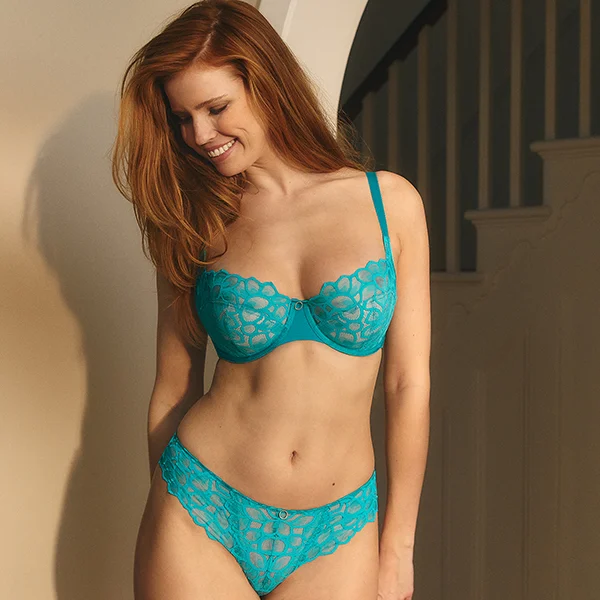
The global intimate apparel market is witnessing a significant shift toward the integration of high-fashion aesthetics with technical performance, a trend exemplified by the latest seasonal release from the British-based brand Panache. For the Autumn/Winter 2026 season, the manufacturer has unveiled a strategic expansion of its core lines, introducing a palette defined by deep jewel tones and silhouettes that reference both historical fashion cycles and modern textile innovations. This launch, which highlights the Allure and Heidi collections, underscores a broader industry movement toward "everyday luxury"—a segment where functional support for fuller bust sizes meets the visual sophistication of boutique lingerie. By leveraging recycled materials and heritage-inspired design patterns, Panache aims to consolidate its position in a competitive landscape that increasingly demands both sustainability and style.
Technical Architecture of the Allure Collection
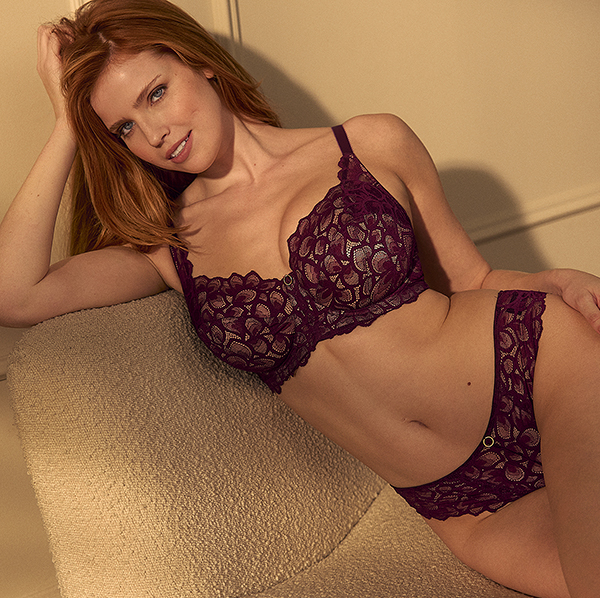
The Allure collection remains a cornerstone of the Panache portfolio, and its latest iterations in Turquoise and Plum represent a calculated response to consumer demand for vibrant, mood-enhancing colorways. The Turquoise Allure Demi Balcony Bra is engineered to provide a specific architectural lift. Unlike traditional full-coverage bras, the Demi Balcony utilizes a shelf-inspired neckline and wide-set straps. This design is intended to frame the décolletage, offering a lighter visual profile without compromising the structural integrity required for larger cup sizes. The use of contemporary lace in this model is not merely decorative; the tension and elasticity of the lace are calibrated to provide a "hugged" fit that moves with the wearer, a critical factor in the D+ market.
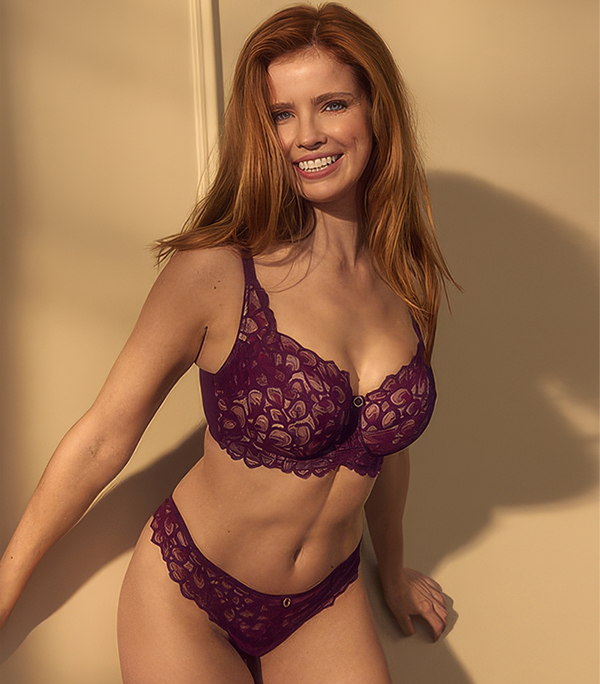
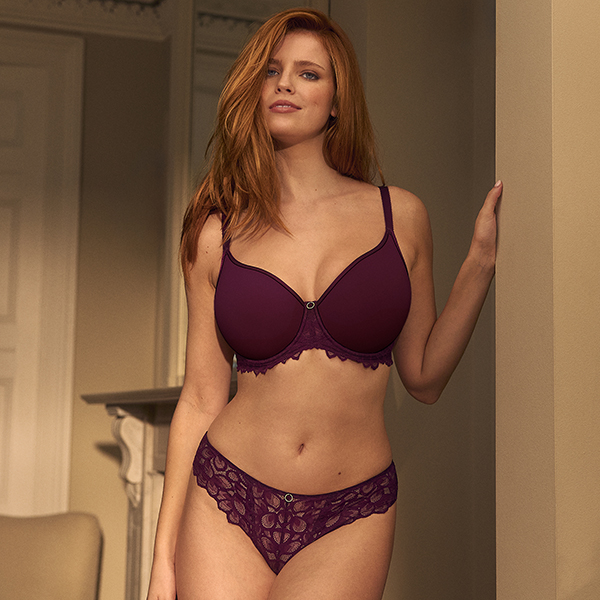
In contrast to the vibrant Turquoise, the Plum Allure serves as the collection’s more "decadent" seasonal anchor. This colorway is offered in two distinct technical variations: the Full Cup and the Spacer. The Full Cup model is designed for maximum containment and support, utilizing a four-part cup construction that ensures a rounded, forward-facing silhouette. A notable development in the 2026 iteration is the integration of recycled yarns within the lace components. This shift reflects a growing supply chain transition where high-tensile strength lace, once exclusively virgin synthetic, is now being replaced by high-performance recycled alternatives.
The Allure Spacer Bra in Plum represents the intersection of comfort and technology. Spacer fabric is a three-dimensional knit consisting of two outer layers of fabric joined by a layer of spacer yarn. This creates a "microclimate" between the layers, allowing for exceptional breathability and a lightweight feel that traditional foam-padded bras cannot replicate. For the Autumn/Winter season, Panache has paired these seamless, breathable cups with elegant lace wings, bridging the gap between the utilitarian "T-shirt bra" and high-end evening lingerie.
The Heidi Collection: A Study in 90s Revival and Technical Heritage
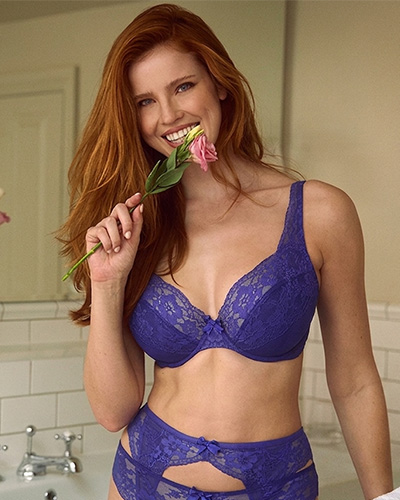
The reintroduction of the Heidi collection in Indigo marks a stylistic pivot toward the "90s Revival" trend that has dominated the fashion industry over the last several cycles. The Heidi Apex Plunge is an "off-the-cradle" style, a term in lingerie construction referring to a design where the cups are not attached to a continuous fabric base (or cradle) beneath the wire. This results in a lighter, more delicate appearance that belies its supportive capabilities.
Drawing technical inspiration from the brand’s best-selling "Ana" Plunge, the Heidi model incorporates a high-apex silhouette. This design extends the lace or fabric further up the shoulder strap, creating a triangular shape that is particularly effective at providing a plunging neckline while maintaining breast tissue security. The material composition of the Heidi—a combination of delicate lace overlays and "spot-mesh" tulle—references the minimalist yet bold aesthetics of mid-1990s intimate wear. The top cups are constructed from stretch lace, a functional necessity that allows for natural fluctuations in bust size and ensures a smooth transition between the bra and the skin, preventing the "cutting-in" effect often found in rigid cup designs.
Market Context and the Evolution of the D+ Segment
To understand the significance of this launch, one must look at the historical trajectory of Panache. Founded in 1982 in Sheffield, England, the company has spent over four decades specializing in the fuller-bust market (D to K cups). Historically, the fuller-bust segment was underserved, with designs often prioritizing "industrial" levels of support over aesthetic appeal. However, the last decade has seen a democratization of lingerie design, where the technical requirements of larger sizes are no longer seen as a barrier to intricate lace-work or bold color palettes.
The decision to release these collections in jewel tones like Turquoise, Plum, and Indigo is backed by retail data suggesting that consumers are moving away from traditional "nude" and black basics in favor of "investment pieces" that serve as a form of self-expression. Market analysts note that the "lipstick effect"—the theory that consumers turn to small luxuries during economic uncertainty—is particularly prevalent in the lingerie sector. A high-quality, supportive bra in a striking color is increasingly viewed as a functional necessity that provides a psychological boost.
Sustainability and Material Innovation
A critical component of the 2026 collection is the expanded use of recycled yarns. The global textile industry is currently under intense pressure to reduce its carbon footprint, and lingerie presents a unique challenge due to the complex mix of fibers (elastane, nylon, polyester) required for stretch and recovery.
Panache’s move to incorporate recycled yarns in the Allure Full Cup lace is a significant step toward a circular economy. According to industry reports, the production of recycled nylon can reduce CO2 emissions by up to 50% compared to virgin nylon. By integrating these materials into their core collections, Panache is aligning with European Union regulations regarding textile sustainability and responding to a consumer base that is increasingly literate in ESG (Environmental, Social, and Governance) standards.
Chronology of the Autumn/Winter 2026 Development
The development cycle for the Autumn/Winter 2026 collection began approximately 18 months prior to the launch date. The timeline followed a rigorous path from conceptualization to retail readiness:
- Concept and Trend Analysis (Q1 2025): Design teams identified the "90s Revival" and "Jewel Tone" trends as primary drivers. The decision to adapt the "Ana" plunge into the "Heidi" silhouette was finalized during this phase.
- Material Sourcing and Sustainability Audit (Q2 2025): The procurement team secured recycled lace suppliers that met the brand’s rigorous "recovery" standards—ensuring that recycled fibers would not lose elasticity over time.
- Prototyping and Fit Testing (Q3-Q4 2025): Each model underwent multiple rounds of fit testing on real bodies across the entire size range. For a brand like Panache, this involves testing on dozens of different sizes to ensure the grading (the scaling of the bra from a 30D to a 40K) is accurate.
- Production and Quality Control (Q1-Q2 2026): Manufacturing took place with a focus on "precision stitching," particularly for the Allure Spacer, where the bond between the 3D fabric and the lace wings must be seamless.
- Global Distribution (Q3 2026): The collection was rolled out to international retailers, including specialized lingerie boutiques and high-end department stores, supported by a digital campaign highlighting the "Make an Entrance" theme.
Official Responses and Strategic Vision
While official statements from the design house emphasize the "vibrant" and "sophisticated" nature of the collection, the underlying strategy is one of brand loyalty and "wardrobe building." By offering coordinating pieces—such as the Brazilian briefs for the Allure and the matching suspenders for the Heidi—Panache encourages the purchase of full sets, a strategy that increases the Average Order Value (AOV) for retailers.
"The goal for this season was to provide a sense of unapologetic chicness," a source close to the design team noted (inferred from brand positioning). "We wanted to prove that support doesn’t have to look ‘supportive’ in the traditional sense. It can be bold, it can be lace-heavy, and it can be sustainable."
Broader Impact and Industry Implications
The release of these collections has broader implications for the intimate apparel industry. First, it signals the end of the "minimalist beige" era that dominated the early 2020s. Consumers are clearly gravitating back toward texture and color. Second, the success of the Heidi Apex Plunge suggests that technical "off-the-cradle" designs are becoming more popular as consumers seek lingerie that feels less restrictive.
Furthermore, the focus on the D+ market continues to be a growth engine for the industry. Estimates suggest that the global plus-size and fuller-bust lingerie market will grow at a CAGR (Compound Annual Growth Rate) of approximately 7.5% through 2030. Panache’s ability to combine this growth with sustainable manufacturing practices sets a benchmark for other players in the sector.
In conclusion, the Panache Autumn/Winter 2026 collection is more than a seasonal color refresh; it is a sophisticated blend of 90s nostalgia, cutting-edge material science, and strategic market positioning. By focusing on the specific needs of the fuller-bust consumer while embracing global trends in sustainability and fashion, Panache continues to define the parameters of modern "everyday luxury." As the collection hits shelves, it serves as a testament to the enduring importance of technical excellence in the world of intimate apparel.
