
 By admin
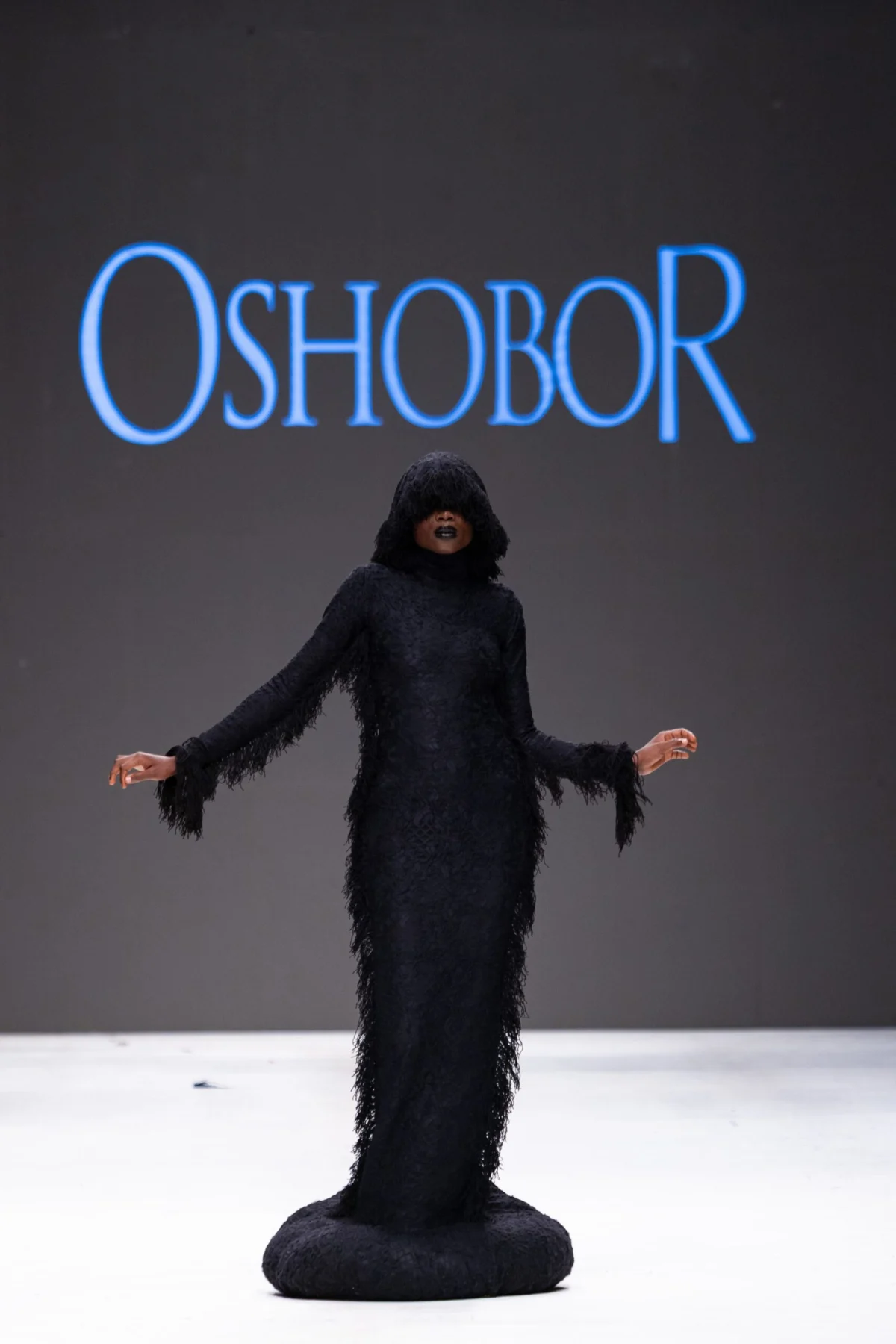
The latest presentation from the Oshobor brand, helmed by its enigmatic founder and creative director Peter Oshobor, has once again affirmed its reputation as a purveyor of high drama and unapologetic maximalism within the global fashion landscape. Unveiled as part of the highly anticipated Fall/Winter 2026 season, this collection serves as a direct continuation of the thematic explorations initiated in his previous offerings, delving deeper into realms of mystery, spiritual awakening, and an overarching sense of magic. Oshobor, a vocal proponent against the "less is more" mantra, boldly declared, "I’m a maximalist, and I like to believe there are many other maximalists out there too," setting the stage for a collection that not only embraces but celebrates extravagance. The show itself commenced on an undeniably strange and eerie note, meticulously designed to echo the haunting final moments of his Spring 2026 collection, which famously concluded with a model shrouded in an all-black wool ensemble, her face obscured by stark black paint, walking a desolate runway. This deliberate callback immediately signaled Oshobor’s commitment to a cohesive, evolving narrative, positioning his brand as a storyteller as much as a designer.
The Theatrical Overture: Unpacking Oshobor’s Vision
Peter Oshobor’s creative philosophy consistently blurs the conventional boundaries between high fashion and performance art, transforming each runway presentation into a deeply immersive theatrical experience. This latest collection, presented at a venue that mirrored its conceptual depth, underscored this commitment with palpable intensity. The opening sequence, intentionally unsettling, saw a lone figure emerge, mirroring the striking finale of the Spring 2026 show. This initial tableau, devoid of traditional runway exuberance, immediately captivated and challenged the audience, compelling them to consider the narrative beyond mere garments. The all-black, face-painted figure served as a powerful symbol—perhaps of anonymity, transformation, or a ritualistic cleansing—setting a somber yet intriguing tone for the maximalist spectacle that was to follow. This deliberate pacing, from an austere beginning to an explosion of form and color, is a hallmark of Oshobor’s design language, inviting viewers on a journey rather than simply showcasing clothes.
The designer’s declared themes—mystery, spiritual awakening, and magic—are not merely abstract concepts but are meticulously woven into the fabric and form of the collection. Mystery is evoked through obscured faces, voluminous silhouettes that hide the body, and unexpected textural contrasts. Spiritual awakening manifests in the transformative quality of the garments, suggesting a rebirth or an altered state of being. Magic, perhaps the most encompassing theme, is seen in the sheer impossibility and fantastical nature of many pieces, pushing the limits of what is traditionally considered wearable and instead embracing the fantastical. Oshobor’s approach resonates with a growing segment of the fashion consumer base that seeks authenticity and storytelling beyond fleeting trends, desiring pieces that provoke thought and emotional response.
A Deep Dive into Exaggeration and Avant-Garde Silhouettes
The Oshobor Fall/Winter 2026 collection is an unabashed celebration of exaggerated forms and audacious silhouettes, pushing the very definition of sartorial architecture. Peter Oshobor’s eagerness to take these forms to "a new level" was evident in every stride down the runway. Among the most striking examples were the heavily padded skirts, which transcended mere volume to become architectural statements, creating an almost sculptural presence around the wearer. These skirts, often crafted from robust, structured fabrics, defied gravity and conventional tailoring, suggesting a reinterpretation of historical court attire through a futuristic lens.
Equally compelling was the "elephantine coat," a piece that epitomized the collection’s maximalist ethos. This monumental garment, likely constructed from dense wools or innovative synthetic blends, featured an imposing, almost spherical silhouette that enveloped the model, creating a sense of dramatic grandeur and protective majesty. Such pieces are not merely clothing; they are mobile sculptures, demanding attention and challenging perceptions of scale and wearability. Other notable elements included dramatically oversized shoulders, cascading capes that billowed with every movement, and intricate layering that built immense visual depth. The construction of these garments likely involved advanced pattern-making techniques and significant material manipulation, underscoring the brand’s commitment to craftsmanship despite its avant-garde aesthetic.
Beyond the sheer volume, the collection was "heavily punctuated with extravagant and ostentatious looks" that demanded attention. The color palette, while punctuated by moments of muted tones, was dominated by vibrant, almost electric hues such as bright yellow and intense purple. These colors were not merely decorative but were employed strategically to amplify the dramatic impact of the silhouettes, creating visual focal points that popped against a more subdued backdrop. The use of such bold colors in combination with exaggerated forms creates a sensory overload that is characteristic of Oshobor’s maximalist vision, appealing to those who view fashion as a powerful form of self-expression rather than mere utility. The choice of yellow often symbolizes energy, creativity, and spiritual enlightenment, while purple traditionally denotes royalty, mystery, and magic – aligning perfectly with the collection’s stated themes.
The Balancing Act: Artistry Versus Commercial Viability
Amidst the audacious displays of avant-garde artistry, Oshobor made a deliberate, albeit subtle, attempt to introduce more commercially viable and wearable pieces. This strategic inclusion, described as being "sandwiched between the drama," featured items such as muted T-shirts and ivory-colored shorts. This juxtaposition highlights a recurring tension in high fashion: the delicate balance between artistic expression and market demand. For a brand like Oshobor, which thrives on pushing boundaries, the integration of these more accessible items is crucial for broadening its appeal beyond the niche of experimental fashion enthusiasts and attracting a wider consumer base.
The muted T-shirts, likely crafted from high-quality cotton or silk blends, offered a respite from the collection’s visual intensity, providing a canvas for potential brand recognition through subtle branding or unique textural details. Similarly, the ivory-colored shorts, suggesting clean lines and versatile wearability, present an opportunity for consumers to engage with the Oshobor brand in a less intimidating, more everyday context. This dual approach allows Oshobor to maintain its artistic integrity while simultaneously exploring avenues for sustained growth and commercial success. It suggests a pragmatic understanding that while theatricality garners headlines, commercial pieces ultimately drive revenue and allow for further investment in boundary-pushing design. This strategy is common among designers who wish to maintain an avant-garde edge while also building a sustainable business, often creating "diffusion lines" or including "gateway pieces" within their main collections.
Strategic Intent: Taking Up Space and Challenging Norms
Peter Oshobor’s explicit motivation for this collection, and indeed his broader brand philosophy, is to "take up space" and showcase the full breadth of his creativity. This ambition is not merely artistic; it is a strategic declaration in a crowded and often homogenous fashion industry. By intentionally pushing the brand out of its "comfort zone," Oshobor aims to offer the market something genuinely new and, crucially, to garner significant attention. In an era saturated with content and competing aesthetics, a designer’s ability to differentiate and create memorable moments is paramount. Oshobor’s disorienting and sometimes confusing moments within the collection are not accidental flaws but rather deliberate provocations. He acknowledges that this approach might challenge conventional aesthetic sensibilities, but it is precisely this challenge that fuels the brand’s identity and appeal.
This strategy taps into a broader industry trend where spectacle and narrative are increasingly valued alongside garment quality. Fashion shows are no longer just about presenting clothes; they are about creating an experience, generating buzz, and articulating a distinct brand philosophy. For an emerging, Lagos-based brand, this approach is particularly effective. Lagos Fashion Week, a prominent platform for African designers, has seen a surge in international interest, and Oshobor’s bold vision undoubtedly contributes to the global conversation about the continent’s vibrant creative scene. By consistently delivering a distinct and dramatic vision, Oshobor positions itself not merely as a fashion label but as a cultural provocateur, carving out a unique identity that stands apart from the minimalist mainstream.
Industry Context and Broader Implications
The Oshobor brand’s latest collection arrives at a pivotal moment for the global fashion industry, which is grappling with questions of authenticity, sustainability, and the role of creativity in a commercialized world. Oshobor’s maximalist approach, while seemingly niche, speaks to a growing consumer desire for individuality and expressive clothing that transcends transient trends. In a market often driven by fast fashion and replicable styles, brands like Oshobor offer an alternative – meticulously crafted, conceptually rich garments that are designed to be collected and cherished, rather than simply consumed.
The critical reception of such a collection is often polarized, which Oshobor likely anticipates. While some critics and fashion enthusiasts will laud the artistic daring and conceptual depth, others might echo the sentiment that moments felt "disorienting and confused." However, in today’s digital landscape, even "confusion" can generate conversation and virality, fulfilling Oshobor’s aim to "garner attention." This deliberate provocation forces audiences to engage on a deeper level, to question and interpret, rather than passively consume. This engagement is invaluable for an emerging brand seeking to establish a lasting presence.
The long-term implications for the Oshobor brand are significant. By consistently challenging norms and investing heavily in artistic expression, Peter Oshobor is building a legacy as a designer who prioritizes vision over immediate commercial appeal. This strategy, while riskier in the short term, can lead to a stronger, more enduring brand identity that resonates with a dedicated following. The brand’s commitment to its Lagos roots, combined with its global aspirations and avant-garde aesthetic, positions Oshobor as a compelling voice in the evolving narrative of contemporary fashion. His refusal to conform to prevailing minimalist trends is not just a design choice; it is a statement about the power of fashion to inspire, provoke, and ultimately, transform. The Fall/Winter 2026 collection is a testament to Peter Oshobor’s unwavering commitment to pushing the boundaries of creativity, solidifying Oshobor’s place as a truly distinctive and influential force in the maximalist movement.
