
 By admin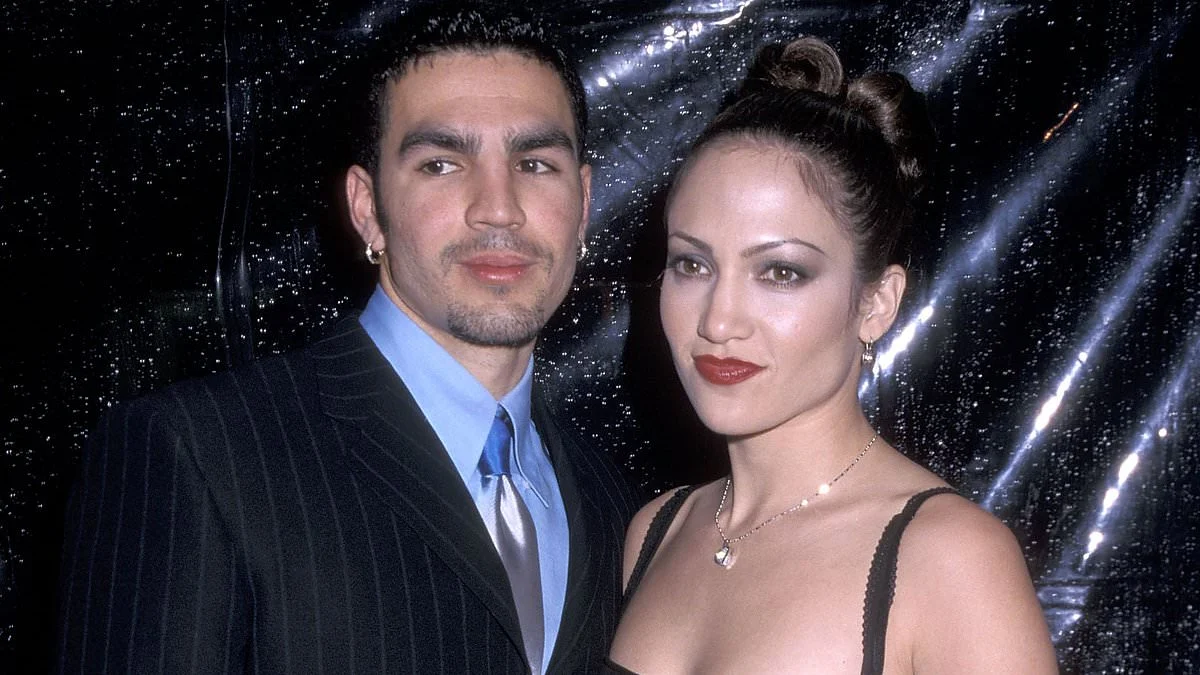
The intricate history of Jennifer Lopez’s romantic life has long been a subject of public fascination, but recent claims by her first husband, Ojani Noa, have cast a new and more somber light on the period surrounding her rise to global superstardom. In a series of detailed disclosures, Noa has alleged that a direct and heated confrontation occurred between himself and the music mogul Sean "Diddy" Combs during the late 1990s. Noa claims the altercation was sparked by his discovery of an alleged affair between Combs and Lopez while the latter was still married to Noa. These allegations, which involve claims of infidelity, verbal abuse, and intimidation, provide a rare glimpse into the private tensions that existed during the foundational years of Lopez’s career.
Ojani Noa and Jennifer Lopez were married for 11 months, from early 1997 to 1998. At the time, Lopez was transitioning from a successful dancer and actress—having recently starred in the biopic Selena—into a multi-hyphenate entertainment icon. Noa, who met Lopez while working as a waiter at a restaurant in Miami, has frequently described their early relationship as a whirlwind romance that was eventually strained by the pressures of sudden, immense fame. According to Noa’s latest account, the collapse of their marriage was not merely a result of professional schedules, but was exacerbated by the interference of Sean Combs, who was at the time producing Lopez’s debut studio album, On the 6.
The Los Angeles Confrontation and Allegations of Infidelity
According to Noa, the tension between himself and Combs reached a breaking point at a high-profile industry party in Los Angeles. Noa describes "squaring up" to the rapper and producer after becoming convinced that Combs was romantically involved with his wife. The confrontation was reportedly explosive, with Noa telling Combs to "f*** off" after the mogul allegedly dismissed Noa’s presence.
Noa detailed the exchange, stating that when he confronted Combs about the alleged affair, the situation nearly escalated into physical violence. "I went over to him and told him to leave and he told me to back off," Noa recalled. "He asked me who I was, to which I replied, ‘F*** you.’ I told him he had slept with my wife." According to Noa, Lopez attempted to intervene in the dispute, promising that Combs would depart the venue. However, Noa claims that Combs remained, and the night ended with Lopez leaving the event in Combs’ vehicle, a moment that Noa suggests signaled the definitive end of his marital bond with the singer.
Beyond the allegations of infidelity, Noa has brought forward claims regarding Lopez’s state of mind during her subsequent professional and personal association with Combs. He alleges that Lopez expressed significant fear regarding Combs’ behavior. According to Noa, the singer confided in him that she felt "in fear of her life" following instances of alleged verbal abuse and threats directed at her and her family. One specific incident cited by Noa involved Combs appearing at Lopez’s residence and shouting her name, an event that reportedly left the singer "terrified" and prompted her to seek Noa’s assistance.
The Evolution of a Megastar and the "Mr. Cinderella" Dynamic
To understand the context of these allegations, one must examine the rapid trajectory of Jennifer Lopez’s career in the late 1990s. When Noa and Lopez married in February 1997, she was a respected actress on the verge of a breakthrough. By the time they divorced in 1998, she was a household name. Noa has previously described his experience during this era as feeling like "Mr. Cinderella," noting that while they fell in love before her peak fame, the transition to "megastar" status created an insurmountable rift.
The professional collaboration between Lopez and Combs was a pivotal moment in music history. Combs, through his Bad Boy Records imprint, was the architect of the "Shiny Suit Era" of hip-hop and R&B. His involvement in On the 6 helped craft the "Jenny from the Block" persona that would define Lopez’s brand for decades. However, Noa claims this professional necessity was often used as a shield for personal impropriety. He alleges that when he questioned Lopez about her frequent public appearances and dates with Combs, she characterized the relationship as purely business-driven, citing the requirements of her management and label.
The strain was further compounded by disagreements regarding their future. Noa has claimed that despite initial discussions about starting a family, Lopez eventually demurred, citing concerns that pregnancy would derail her burgeoning career. This conflict, combined with the presence of Combs, created a volatile environment that ultimately led to the couple’s legal separation.
Chronology of Relationships and Legal Developments
The timeline of Jennifer Lopez’s relationships following her divorce from Noa illustrates a period of high-profile romances that were often intertwined with her professional life. Following her split from Noa, Lopez publicly dated Sean Combs from 1999 to early 2001. This era was marked by significant media scrutiny, culminating in the December 1999 shooting incident at a Manhattan nightclub. While both were arrested, Lopez was quickly cleared of any involvement, while Combs was eventually acquitted of all charges related to the incident in 2001.
Following her breakup with Combs, Lopez married dancer Cris Judd in 2001, a union that lasted until 2003. She subsequently married singer Marc Anthony in 2004, with whom she shares two children; they divorced in 2014. Most recently, Lopez made headlines for her rekindled romance and marriage to actor Ben Affleck, though that relationship has also been the subject of recent divorce filings.
While Lopez’s personal life has remained in the spotlight, Sean Combs has faced a drastically different trajectory in recent years. The music industry veteran, once celebrated for his business acumen and cultural influence, has been embroiled in severe legal challenges. In October 2025, Combs was sentenced to four years and two months in federal prison. This sentencing followed a conviction on two counts of transportation for prostitution in violation of the federal Mann Act. Additionally, he was ordered to serve five years of supervised release and pay a $500,000 fine. These legal outcomes have prompted a widespread re-evaluation of his past interactions and professional conduct within the entertainment industry.
Supporting Data and Industry Analysis
The allegations made by Ojani Noa reflect broader themes often discussed in the context of celebrity culture and the power dynamics of the 1990s music industry. During this period, the influence of major producers and label heads over the personal and professional lives of female artists was substantial. Analysts suggest that the "business necessity" cited by Lopez, according to Noa’s claims, was a common pressure point used to justify intensive marketing campaigns that often blurred the lines between private and public personas.
Furthermore, the legal troubles currently facing Sean Combs have led to an increase in individuals coming forward with retrospective accounts of his behavior. The federal Mann Act, under which Combs was convicted, specifically addresses the transportation of individuals across state lines for immoral purposes, highlighting a pattern of conduct that federal prosecutors argued was systemic. In this climate, Noa’s claims of intimidation and verbal abuse align with a broader narrative currently being examined by legal experts and cultural historians.
From a public relations perspective, Jennifer Lopez has historically maintained a policy of silence regarding Ojani Noa. Over the years, she has engaged in various legal actions to prevent Noa from releasing intimate details or video footage from their marriage, citing confidentiality agreements. This long-standing legal battle underscores the sensitivity of the information Noa possesses and the lengths to which the Lopez estate has gone to protect her public image.
Official Responses and Broader Implications
As of the latest reports, representatives for Jennifer Lopez have not issued a formal statement regarding Noa’s recent interview with The Sun on Sunday. Historically, Lopez’s legal team has dismissed Noa’s claims as opportunistic and legally prohibited by previous settlements. Similarly, lawyers for Sean Combs, who is currently serving his federal sentence, have not provided a specific rebuttal to these decades-old allegations of infidelity and a Hollywood bust-up.
The implications of these claims extend beyond mere celebrity gossip. They touch upon the vulnerabilities of young artists entering the upper echelons of the entertainment industry and the potential for powerful figures to exert undue influence over their personal lives. As the industry continues to grapple with the legacy of the late 20th-century music business, the accounts provided by those who were present during the "golden age" of Bad Boy Records and the rise of the modern pop star provide essential, if uncomfortable, context.
Ojani Noa’s narrative serves as a reminder of the human cost that often accompanies the construction of a global brand. While Jennifer Lopez remains a titan of the industry, the shadows of her past—and the figures who inhabited them—continue to emerge, challenging the polished narrative of her ascent to fame. As the legal system continues to process the actions of Sean Combs, it is likely that more voices from the past will contribute to a more complex and critical understanding of this era in Hollywood history.
