
 By admin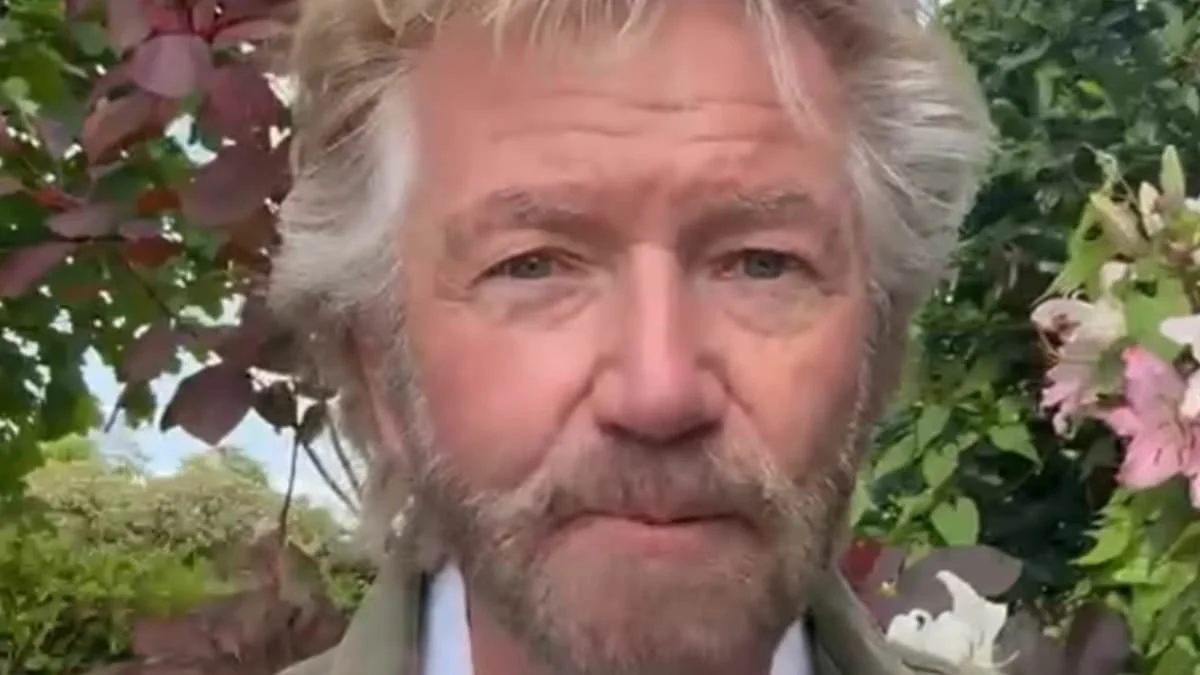
Noel Edmonds, the veteran television presenter best known for his long-running tenure on Deal Or No Deal, has issued a comprehensive public response following a wave of criticism regarding his decision to purchase and release live lobsters into the sea. The 77-year-old broadcaster became the center of a heated environmental debate after sharing a video on social media depicting himself and his wife, Liz, returning two crustaceans to the waters of Peel Harbour on the Isle of Man. While intended as an act of animal rescue, the gesture was met with significant pushback from marine experts and members of the public who raised concerns regarding the biological risks and survival rates associated with releasing captive-reared or store-bought marine life into the wild.
The controversy began earlier this week when Edmonds posted a clip of the release, which he framed as a compassionate intervention. However, the move quickly drew scrutiny from conservationists and followers who pointed out that lobsters held in commercial tanks often suffer from physiological stress, making them ill-equipped to survive in a natural habitat. Furthermore, experts noted that releasing such animals can inadvertently introduce foreign pathogens or disrupt the delicate balance of local marine ecosystems. In response to the escalating "hot water" surrounding the event, Edmonds released a follow-up video, titled "lobsters and pork pies are on the menu today," in an attempt to clarify the circumstances and address what he described as misinformation.
The Genesis of the Incident: A Shopping Trip in Peel
According to Edmonds, the decision to release the lobsters was spontaneous and rooted in his wife’s emotional response to seeing the animals in a retail environment. The couple was visiting a farm shop owned by their friend, Matt Harrison, a local businessman on the Isle of Man. During the visit, Liz Edmonds observed two lobsters in a display tank and expressed sympathy for their condition. Edmonds recounted that Harrison noted she was not the first customer to voice such feelings.
Although the shop owner reportedly offered the lobsters as a gift, the couple insisted on paying for them to ensure the transaction was official. Edmonds emphasized that once the purchase was complete, the lobsters were their legal property, and they felt a moral obligation to return them to their natural environment. The presenter detailed how they were provided with a transport box and advised by the shop owner that the tank’s water temperature—maintained between 7.1°C and 7.4°C—was consistent with the current sea temperatures at Peel on the west coast of the island.
Despite these precautions, Edmonds acknowledged in his secondary address that the survival of the lobsters was far from guaranteed. Conceding that he may have "only delayed the inevitable," he nonetheless defended the spirit of the act. "Maybe those two lobsters are still out there… having a wonderful time," he remarked, while admitting he was not an expert on crustacean behavior.
Scientific Concerns and Ecological Risks
The primary driver of the backlash against Edmonds’ actions lies in the complex biology of decapod crustaceans and the strict protocols governing marine conservation. Marine biologists and environmental agencies generally discourage the release of lobsters purchased from shops or supermarkets for several critical reasons.
Firstly, the physiological impact of captivity is significant. Lobsters in commercial tanks are often kept in high-density environments which can lead to muscle atrophy and a suppressed immune system. When suddenly introduced to the wild, these "stressed" animals may lack the strength to find food or defend themselves against predators. Furthermore, the transition from a controlled tank environment to the open sea—even if the temperatures are similar—can cause thermal shock, which is often fatal to marine invertebrates.
Secondly, there is the risk of "bio-security" breaches. Even if a lobster is caught locally, as was the case with the animals Edmonds purchased, the time spent in a commercial tank exposes them to water systems that may contain different bacteria or parasites. Releasing these animals back into the ocean can introduce diseases to the local population, potentially devastating regional fisheries. In many jurisdictions, including parts of the United Kingdom, the unauthorized release of captive animals into the wild can be a violation of environmental protection laws, such as the Wildlife and Countryside Act 1981, which seeks to prevent the introduction of non-native species or the spread of disease.
The Retailer’s Perspective and Operational Changes
Matt Harrison, the owner of the farm shop from which the lobsters were purchased, has also found himself at the center of the debate. Harrison clarified that the lobsters were sourced locally by a young shellfish fisherman from the Peel area, as part of an effort to support small-scale local industry. He defended the shop’s maintenance of the animals, noting that the tank featured charcoal filtration and was monitored weekly for salinity and temperature to mirror the conditions of the surrounding Irish Sea.
However, the public reaction to Edmonds’ video has prompted Harrison to reconsider the placement of live seafood in his establishment. Following the incident, he moved the lobster tank to a less prominent location and indicated that he is contemplating its permanent removal. "I’m sensitive to people’s feelings," Harrison stated, acknowledging that while many customers support the sale of local produce, the visual of live animals in tanks is increasingly polarizing. He noted that the lobsters are typically rotated through the tank every one to two weeks, ensuring they are not held in captivity for extended periods.
The Isle of Man: A Unique Environmental Context
The location of the incident adds another layer of complexity to the narrative. The Isle of Man is a UNESCO Biosphere reserve, a designation that highlights its commitment to balancing conservation with sustainable development. The island’s marine territories are strictly managed to protect biodiversity and support the local fishing economy, which is a vital part of its cultural and economic fabric.
Edmonds, who owns a holiday home on the island, used his response video to praise the local community and the "old-fashioned" values he perceives there. "I really like the Isle of Man, it’s how England used to be before it became what it is now," he commented, citing the strong sense of community and the pride residents take in their environment. This affinity for the island appears to have influenced his desire to "save" part of its natural fauna, though critics argue that true appreciation for the island’s ecosystem should involve following established scientific guidelines for conservation.
Analysis: Celebrity Influence and Environmental Ethics
The incident involving Noel Edmonds highlights the often-fraught intersection between celebrity influence and environmental ethics. While the presenter’s intentions were rooted in compassion—a sentiment shared by many who find the practice of keeping live food in tanks distressing—the execution of the rescue lacked the necessary scientific rigor.
In recent years, the legal status of lobsters and crabs has evolved. In the United Kingdom, the Animal Welfare (Sentience) Act 2022 formally recognized decapod crustaceans as sentient beings, capable of feeling pain and distress. This legislative shift has emboldened animal rights advocates but has also placed a greater responsibility on the public to handle these creatures in ways that do not cause further harm.
Experts suggest that for those concerned with the welfare of lobsters in shops, the most effective course of action is not to buy and release them, but to support organizations that advocate for improved welfare standards in the seafood industry or to boycott establishments that display live animals. The "release" of a single animal, while emotionally satisfying for the individual, rarely contributes to the health of the species and often results in a slow death for the animal in question.
Conclusion and Future Implications
As the dust settles on the "lobster gate" controversy, the conversation has moved toward a broader discussion on how the public interacts with marine life. For Noel Edmonds, the event served as a reminder of the scrutiny that accompanies public life, especially when engaging with sensitive environmental issues. His admission that the lobsters may not have survived reflects a growing awareness of the complexities of marine biology, even if his initial actions were driven by impulse.
For the local business community on the Isle of Man, the incident serves as a catalyst for re-evaluating how local produce is marketed and sold. The potential removal of the lobster tank at Matt Harrison’s farm shop suggests that public sentiment is shifting away from the display of live animals, even in traditional fishing communities.
Ultimately, the case underscores the importance of "informed compassion." While the desire to alleviate the suffering of an animal is a noble human trait, in the context of the natural world, such actions must be tempered by ecological knowledge to ensure that a gesture of kindness does not result in an environmental casualty. The lobsters of Peel Harbour may or may not be "having a wonderful time," but the debate they sparked will likely influence environmental discourse on the island and beyond for some time to come.
