
 By Nila Kartika Wati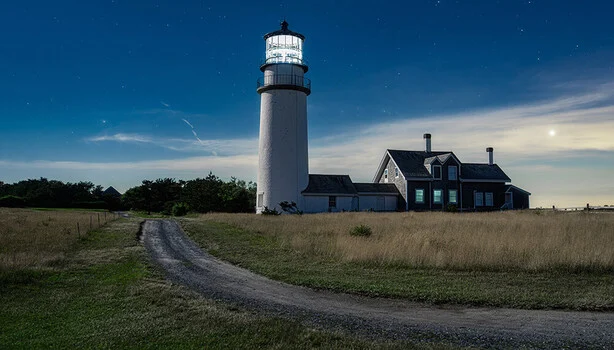
The Enduring Allure of Coastal Nightscapes
The ocean, with its boundless expanse and rhythmic movements, holds a profound draw for many, and this inherent connection translates powerfully into the realm of night photography. Unlike the stillness of a desert or the imposing grandeur of mountains, the coast at night offers a dynamic yet profoundly calming environment. The infinite waters transform into a vast, magical mirror, reflecting the celestial ballet of moonlight and starlight. This unique characteristic, coupled with the relative ease of access compared to remote astrophotography locations, positions coastal areas as ideal settings for exploring the evocative art of nocturnal imaging. The appeal extends beyond mere aesthetics; the quiet solitude, the crisp sea air, and the immersive soundscape of crashing waves provide a multi-sensory experience that enhances the creative process, often cited by photographers as a meditative pursuit.
In recent years, night photography, particularly astrophotography, has seen a surge in popularity. This trend is largely driven by advancements in digital camera technology, which now allows for cleaner images at increasingly high ISO sensitivities, making it easier to capture faint starlight. Additionally, the widespread sharing of breathtaking celestial vistas through social media platforms has inspired a new generation of photographers to explore this challenging yet rewarding genre. However, the perception often remains that such photography demands arduous hikes into designated dark-sky preserves, often far from urban centers. Coastal regions, with their often-developed infrastructure and inherent natural beauty, offer a compelling counter-narrative, proving that world-class night images can be achieved with minimal logistical hurdles, making it an accessible frontier for a wider audience.
Chronology of Coastal Expeditions: A Tale of Two Coasts
A recent series of photographic excursions, undertaken within a month of each other, served as compelling case studies for the accessibility and diversity of coastal night photography. The first leg focused on the historic and charming shores of Cape Cod, Massachusetts, followed by an exploration of the rugged and dramatic Central Coast of California near Cambria. This sequential approach allowed for a direct comparison of distinct coastal personalities, each presenting unique photographic challenges and rewards. The relative proximity of photographic subjects to parking areas and public access points was a consistent theme throughout both expeditions, reinforcing the central premise of ease and accessibility. This structured approach, moving from the Atlantic to the Pacific, highlighted the varied characteristics of different coastlines under the night sky.
Case Study 1: Cape Cod, Massachusetts – A Blend of History and Celestial Wonders
Cape Cod, renowned for its quaint villages, maritime history, and pristine beaches, provides a fertile ground for night photographers. Its geography, characterized by a hook-shaped peninsula jutting into the Atlantic, offers numerous vantage points with diverse subjects. The presence of historic lighthouses, unique architectural features, and relatively accessible dark skies makes it a particularly attractive destination. According to the Cape Cod Chamber of Commerce, the region welcomes millions of visitors annually, many drawn to its scenic beauty, which extends well into the night.
Falmouth’s Architectural Anomalies and Tranquil Shores
The exploration of Cape Cod commenced in Falmouth, guided by local night photographer Tim Little, whose intimate knowledge of the area proved invaluable. One standout location was Surf Drive, home to a series of distinctive stilt bungalow houses. These structures, elevated above the sand, present an intriguing visual motif against the night sky, their stark silhouettes offering a compelling foreground element. Access to these houses was notably straightforward, requiring only a short walk from an empty public parking lot. This immediate accessibility is a hallmark of many Cape Cod photographic sites, allowing for quick setup and extended shooting sessions without extensive travel time.
Photographing on the beach in Falmouth highlighted the unique atmospheric qualities of the coast at night. The calm, cool air contributes to a serene photographic experience. Technologically, the long exposures inherent in night photography offer an additional benefit: the smoothing effect on water. Even with minimal effort, the moving water of the surf transforms into a dreamy, ethereal confection in a long-exposure photograph. For images captured around the stilt bungalows, typical settings included a 30-second exposure at f/6.3 and ISO 800, facilitated by ambient moonlight. The proximity of Martha’s Vineyard also meant distant lights added a subtle glow to the horizon, enriching the scene. Furthermore, the remains of old dock supports along the Falmouth coastline provided strong leading lines, directing the viewer’s eye towards Martha’s Vineyard and the expansive night sky, often adorned with dramatic cloud formations and visible stars.
Iconic Lighthouses: Sentinels of the Night
A visit to Cape Cod is incomplete without capturing its iconic lighthouses under the cloak of night. These historic navigational aids, many still operational, serve as powerful symbols of maritime heritage and offer compelling photographic subjects. The accessibility of many Cape Cod lighthouses, such as Nobska Light and Highland Light, is a significant advantage, with parking lots often situated just a short walk from the structures themselves, facilitating ease of setup even in darkness. These structures, dating back to the 18th and 19th centuries, offer a tangible link to the region’s rich seafaring past.
Highland Light, Truro: Situated on a dramatic bluff in Truro, Highland Light (also known as Cape Cod Light) stands as the oldest and tallest lighthouse on Cape Cod, first established in 1797. Its operational beam provides a strong focal point, warning ships of the treacherous shoals. While ambient light often suffices, selective light painting—the technique of using a portable light source to illuminate specific parts of a scene during a long exposure—can enhance detail and provide a sense of depth and direction to the overall illumination, as demonstrated in some of the captured images. A notable technical observation at Highland Light concerned its distinctive cool color temperature in photographs, appearing bluish despite not looking so to the naked eye. This phenomenon, often due to a custom white balance setting (e.g., 3,800 K) chosen for astronomical elements, necessitated post-processing adjustments to selectively warm the light, achieving a more naturalistic representation of the lighthouse’s beam.
Nobska Light, Falmouth: Nobska Lighthouse, located at the southwestern tip of Cape Cod in Falmouth, near Woods Hole, was established in 1829. It presented a unique set of photographic challenges due to its intense illumination and blinking sequence. The extreme dynamic range between the bright light and the surrounding darkness required a multi-exposure approach. By taking several exposures at varying shutter speeds, photographers can leverage software like Adobe Lightroom Classic to blend these images, creating a final photograph that more accurately mirrors the human eye’s perception of the scene. However, the intermittent blinking of Nobska’s light introduced a specific complication for automated blending processes. In such instances, manual blending in software like Adobe Photoshop, selecting the optimal single exposure for the light source itself and layering it, becomes a necessary technique to achieve a flawless result, ensuring the light’s presence without overexposure.
It is worth noting that while other prominent lighthouses, such as Nauset Lighthouse (famously depicted on Cape Cod Potato Chips packaging), were visited during the trip, their night photography was deferred, indicating the vast potential for future explorations across the peninsula’s numerous historic beacons.
Astrophotography at Woods Hole: A Stairway to the Stars
Before the moon cast its dominant glow, an opportunity arose to photograph the Milky Way at Woods Hole in Falmouth. The presence of bathhouses at this location created a natural frame for the Milky Way core, visually suggesting a "stairway to the stars." This experience underscored another significant advantage of coastal night photography: the relative ease of accessing dark skies. While desert environments often necessitate considerable drives away from light pollution, certain coastal areas, like Woods Hole, offer surprisingly clear views of the cosmos with minimal travel. The option to light-paint foreground elements versus relying on subtle ambient light provides creative flexibility, allowing photographers to tailor their images to a desired aesthetic, often favoring the more naturalistic ambient illumination for a subtle effect. This accessibility, combined with the calming influence of the ocean air, made the pursuit of astrophotography feel particularly rewarding and effortless, contrasting with the logistical demands often associated with deep-sky imaging.
Case Study 2: Cambria, California – Rugged Beauty Under Starlight
Transitioning from the gentle slopes of Cape Cod to the dramatic cliffs of the Central California Coast, Cambria offered a starkly different yet equally captivating nocturnal landscape. This small, picturesque town, situated just south of San Simeon and the iconic Hearst Castle, embodies the raw energy of the Pacific. The expedition here, integrated into a family vacation, allowed for three consecutive nights of dedicated night photography, with the added benefit of early return, often before midnight. The California Central Coast, renowned for its Highway 1 vistas and natural beauty, attracts millions of tourists annually, with a growing segment interested in its photographic potential.
San Simeon Pier: A Gateway to the Pacific Night
The initial night photography session in Cambria focused on San Simeon Pier, conveniently located across from the Hearst Castle. Accessibility was again paramount, involving a simple walk from street parking through an open park gate. A notable difference from the Atlantic coast was the amplified soundscape of the Pacific; the less obstructed ocean movements resulted in a perceptibly louder and more powerful surf. The constant roar of the waves is a signature element of this coastline.
The pier itself, devoid of artificial lighting, presented an ideal environment for long-exposure photography. This lack of light simplifies exposure calculations, allowing the natural ambient light from the moon and stars to dominate. The intense sound of the surf, however, proved to be an unexpected element, masking the approach of a fisherman and providing a momentary surprise—a reminder of the immersive, sometimes disorienting, nature of night photography by the sea.
From beach level, the pier offered equally compelling compositions. Experimentation with extremely long exposures, such as a five-minute shot, demonstrated the profound smoothing effect on the tumultuous Pacific waters, transforming them into a glassy expanse. Serendipitous moments, such as the capture of a meteor during a one-minute exposure, underscore the element of luck and wonder inherent in night sky photography. The presence of a full moon also contributed significantly to the ambient illumination, casting dramatic shadows and highlighting details that would otherwise remain hidden, creating a scene of stark beauty.
Moonstone Beach and Leffingwell Landing: The Rugged Shoreline
The Central Coast of California is celebrated for its rugged shoreline, and while Cambria might not possess the dramatic grandeur of its northern neighbor, Big Sur, it offers its own unique rugged beauty. Moonstone Beach, evocatively named, provided several accessible photographic locations. Ample parking directly by the beach, coupled with a lack of gates or entry fees, further highlighted the ease of access. A boardwalk spanning the length of Moonstone Beach, with multiple access points and beautifully weathered wooden steps, invited both photographers and the public. During early evening hours, the beach and boardwalk often buzz with locals and tourists, testament to the area’s inherent appeal as a tranquil evening stroll destination.
Further south, Leffingwell Landing presented another accessible entry point to the rocky coast. While the main gate closes after a certain hour (typically dusk), a simple workaround—parking just south of the landing and walking back—maintained accessibility. Stairs leading down to the water’s edge allowed photographers to capture the dramatic interaction between the powerful Pacific surf and the ancient rock formations, creating dynamic foregrounds that are highly prized in night landscape photography. The interplay of moonlight with the wet rocks and crashing waves creates a sense of primal energy, a stark contrast to the calmer, more subdued aesthetic often found on the Atlantic coast, showcasing the diverse personalities of America’s coastlines.
Technical Considerations and Best Practices for Coastal Night Photography
Achieving compelling coastal night photographs, while surprisingly accessible, still benefits from adherence to certain technical principles and best practices. These guidelines, often shared by experienced night photographers, aim to optimize image quality and ensure safety.
Essential Gear:
- Sturdy Tripod: Non-negotiable for long exposures, a robust tripod provides the necessary stability. Pushing tripod legs firmly into the sand or positioning them on solid rock provides additional stability against wind and subtle ground shifts.
- Camera: A DSLR or mirrorless camera capable of good high-ISO performance (e.g., modern full-frame or APS-C sensors) is ideal for capturing faint starlight and details in low light.
- Wide-Angle Lens: Essential for capturing expansive night skies and dramatic foregrounds, typically with a fast aperture (f/2.8 or wider) to maximize light gathering.
- Remote Shutter Release: Minimizes camera shake during long exposures, preventing blur that can compromise image sharpness.
- Headlamp/Flashlight: With a red-light option to preserve night vision, crucial for navigating in darkness without affecting one’s own or other photographers’ low-light adaptation.
- Warm Clothing: Coastal nights can be surprisingly cold, even in temperate climates, due to sea breezes and temperature drops after sunset. Layers are highly recommended.
- Extra Batteries: Long exposures consume battery power rapidly, especially in cold conditions.
Optimal Settings:
- Aperture: Generally wide open (e.g., f/2.8 to f/4) to gather maximum light for stars. This maximizes the amount of light hitting the sensor, crucial for capturing faint celestial objects.
- ISO: Adjusted based on ambient light; higher ISO (e.g., 800-3200) for darker skies (Milky Way), lower for moonlit scenes to preserve detail and minimize noise.
- Shutter Speed: Varies widely. For capturing sharp stars, typically 15-30 seconds (using the "500 Rule" or "NFP Rule" to prevent star trailing). For smoothing water, minutes-long exposures (e.g., 1-5 minutes) are common to create an ethereal, misty effect. For lighthouses, shorter exposures or exposure bracketing might be necessary due to their intense brightness.
- White Balance: Often custom-set (e.g., 3800K for cooler, bluer tones for astrophotography, 4500K for more neutral moonlight) or adjusted
