
 By Jia Lissa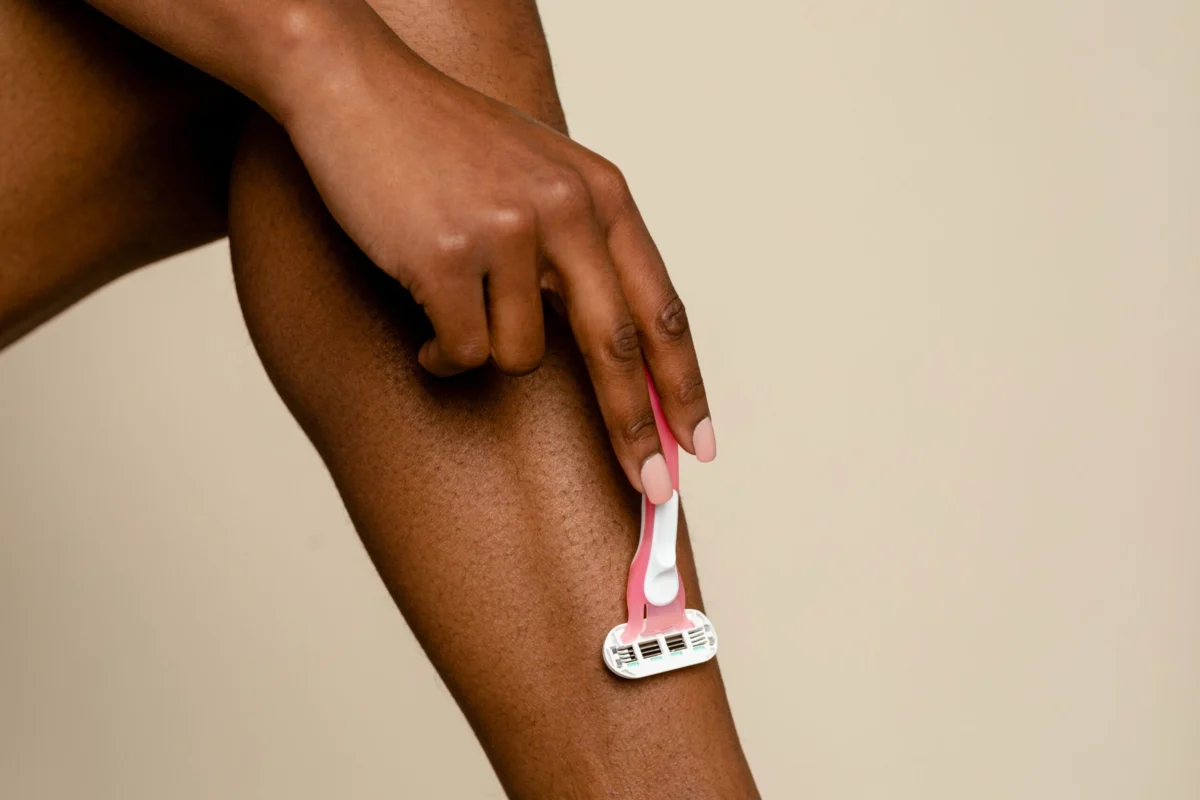
The quest for smooth, hair-free skin can present unique challenges for individuals managing psoriasis, a chronic autoimmune condition affecting millions worldwide. While often perceived as a purely cosmetic concern, hair removal for those with psoriasis requires careful consideration to avoid exacerbating their condition. Dermatologists emphasize that with proper management and informed choices, most individuals with psoriasis can safely remove unwanted hair, though vigilance is paramount, especially during active flare-ups.
"The truth is that most people with psoriasis are not tremendously bothered by gentle hair removal as long as their psoriasis is controlled," states Dr. Shira Y. Wieder, MD, a board-certified dermatologist at Montefiore Einstein Advanced Care in New York City. This sentiment is echoed by other experts in the field, who underscore the critical role of psoriasis management in determining the safety and efficacy of various hair removal techniques. For individuals whose psoriasis is well-managed through prescription treatments, the risks associated with common hair removal methods like shaving, waxing, and laser treatments are significantly reduced.
However, the landscape shifts dramatically for those experiencing active psoriasis flares or who have yet to find an effective treatment regimen. "Anyone who hasn’t found an effective method to ward off their psoriasis flares should take serious precautions before doing any type of hair removal, as it carries a real risk of triggering new plaques even in areas that weren’t affected before," warns Dr. Divya Shokeen, MD, a board-certified dermatologist and founder of OSVI Dermatology and Surgical Institute in California. She further clarifies that while the risk of triggering new plaques diminishes with controlled psoriasis, it does not entirely disappear.
The underlying mechanism that makes hair removal potentially problematic for individuals with psoriasis is known as the Koebner phenomenon, or Koebnerization. Dr. Shokeen explains, "It’s one word: Koebnerization." This phenomenon, prevalent in various inflammatory conditions, occurs when minor skin trauma stimulates the immune system to develop new psoriatic lesions, even in previously unaffected areas. "In other words, if your psoriasis is active and you suffer any sort of minor skin injury (like a nick from a razor or a burn from too-hot wax), you could trigger more psoriasis—especially if it’s close to a psoriatic plaque," she adds. It is crucial to understand that this does not signify the "spreading" of an infectious disease, as psoriasis is not contagious. Instead, it represents an inflammatory response to skin injury.
Furthermore, individuals with psoriasis often contend with a compromised skin barrier due to inherent dryness. This compromised barrier makes the skin more susceptible to irritation. "This means the skin can become irritated fairly easily," Dr. Shokeen notes. "As a result, it tends to develop more redness, stinging, or lingering marks from things that a non-psoriatic patient would tolerate."
The cornerstone of safe hair removal for individuals with psoriasis, therefore, lies in effective disease management. "The first step in safe hair removal should be to manage your psoriasis with prescription treatments, many of which can completely eliminate symptoms," advises Dr. Shokeen. This is particularly true for those undergoing treatment with injectable medications like biologics, such as Humira or Skyrizi. While psoriasis is a manageable condition rather than a curable one, successful treatment significantly lowers the risk of Koebnerization from hair removal.
Conversely, for those still navigating the process of finding a suitable psoriasis treatment, all hair removal methods carry a heightened risk. "Anything that’s causing repeated, mechanical trauma could potentially trigger your psoriasis," Dr. Shokeen states.
The Best Hair Removal Methods for Psoriasis-Prone Skin
When psoriasis is well-controlled and hair removal is performed with care, dermatologists generally agree that most methods can be safely employed. However, consulting with one’s own doctor before trying any new technique is always recommended. Ultimately, finding the most suitable method often involves a process of trial and error.
Shaving: A Generally Safe Option
Among the common hair removal techniques, shaving is frequently cited as one of the safest for individuals with psoriasis, provided it is done with care. "With shaving, you’re [removing hair] above the follicle, not pulling it out," explains Dr. Tracy Evans, MD, a board-certified dermatologist and medical director of Pacific Skin and Cosmetic Dermatology in California.
Dr. Wieder further emphasizes the importance of using a sharp razor and shaving in the direction of hair growth to minimize skin irritation, a key factor in preventing Koebnerization. For those needing to navigate around existing psoriatic plaques, extreme caution is advised. "Avoid shaving off the scales, because it’ll bleed underneath," Dr. Wieder cautions. The risk of accidental nicks and cuts, which can cause skin trauma, remains the primary concern with this method.
Laser Hair Removal: A Promising, Yet Nuanced, Approach
While the term "laser" might initially suggest a high risk of trauma, dermatologists indicate that laser hair removal can be a safe and effective option for psoriasis patients when administered correctly. "Even though you would think [a laser] would be traumatic to the hair follicle, it does seem to be safe," notes Dr. Wieder, referencing studies that explore the potential therapeutic benefits of lasers in treating psoriasis. Dr. Evans concurs, stating that heat and light do not appear to be significant issues for individuals with psoriasis.
"I do laser hair removal on psoriasis patients all the time," says Dr. Shokeen. She often utilizes long-pulsed Nd:YAG lasers (1064 nm), though diode lasers (around 800 to 810 nm) can also be effective if settings are adjusted appropriately. The critical factor for success lies in precise calibration of the laser’s energy levels. If the energy is too low, hair regrowth can occur. "It’s complicated to treat a psoriatic patient [with lasers], to say the least," she acknowledges.
Given this complexity, Dr. Shokeen strongly advocates for laser hair removal to be performed in a "physician-supervised, medical-grade setting rather than a standard laser chain." This recommendation stems from concerns about the training and expertise of personnel in the burgeoning number of medical spas, ensuring that practitioners are adequately equipped to handle the specific needs of psoriasis patients.
Hair Removal Methods to Approach With Caution
Even when psoriasis is well-controlled, certain hair removal methods warrant a higher degree of caution due to their inherent potential for skin irritation or trauma.
Depilatories: A Patch Test is Essential
Hair removal creams, also known as depilatories, can be a viable option for individuals with psoriasis, as they, like shaving, do not involve pulling the hair from the follicle. However, Dr. Wieder points out that these products can be irritating to many individuals, regardless of whether they have psoriasis. A thorough patch test on a small, inconspicuous area is therefore strongly recommended before applying the cream to larger or more sensitive regions. For facial use, testing on spots under the chin is advised to gauge skin tolerance.
Waxing: A Method Requiring Diligence
While waxing is not entirely off-limits for individuals with psoriasis, it is arguably the method that carries the most significant risk. "Waxing could pull on the skin and create microabrasions or tears," warns Dr. Evans. Such minor injuries can potentially trigger new psoriatic lesions, even in areas not previously affected.
Shailer Carruth, a Vermont-based esthetician specializing in Brazilian waxing, emphasizes the importance of a thorough skin examination before any waxing procedure. "The first thing I do if I’m going to wax someone who has psoriasis is check for any broken skin," she states. For at-home waxing, Carruth recommends using hard wax, which adheres primarily to the hair rather than the surrounding skin. In contrast, strip waxes can exfoliate the top layer of skin, potentially exacerbating a psoriatic flare-up.
Tweezing: A Delicate Procedure
"Plucking is very traumatic to the hair follicles," Dr. Wieder states, advising caution for those who prefer this method. While psoriasis is less common on the face, it is not impossible. Therefore, individuals prone to developing plaques on their face should carefully consider the risks associated with tweezing.
What to Do If Hair Removal Causes a Psoriasis Flare-Up
Despite taking all necessary precautions, there remains a small possibility that micro-injuries sustained during hair removal could trigger a psoriasis flare-up. In such instances, Dr. Evans suggests using prescribed topical medications to treat the affected area. If the flare-up persists or worsens, it is essential to consult with a dermatologist for further guidance and treatment adjustments.
The relationship between psoriasis and hair removal highlights the complex interplay between skin health and aesthetic preferences. By understanding the underlying mechanisms, prioritizing disease management, and making informed choices about hair removal techniques, individuals with psoriasis can navigate these challenges more effectively, aiming to maintain both comfortable skin and their desired appearance. Continued research into novel treatments and patient-specific approaches will undoubtedly further refine the safety and efficacy of hair removal for this patient population.
