
 By Jia Lissa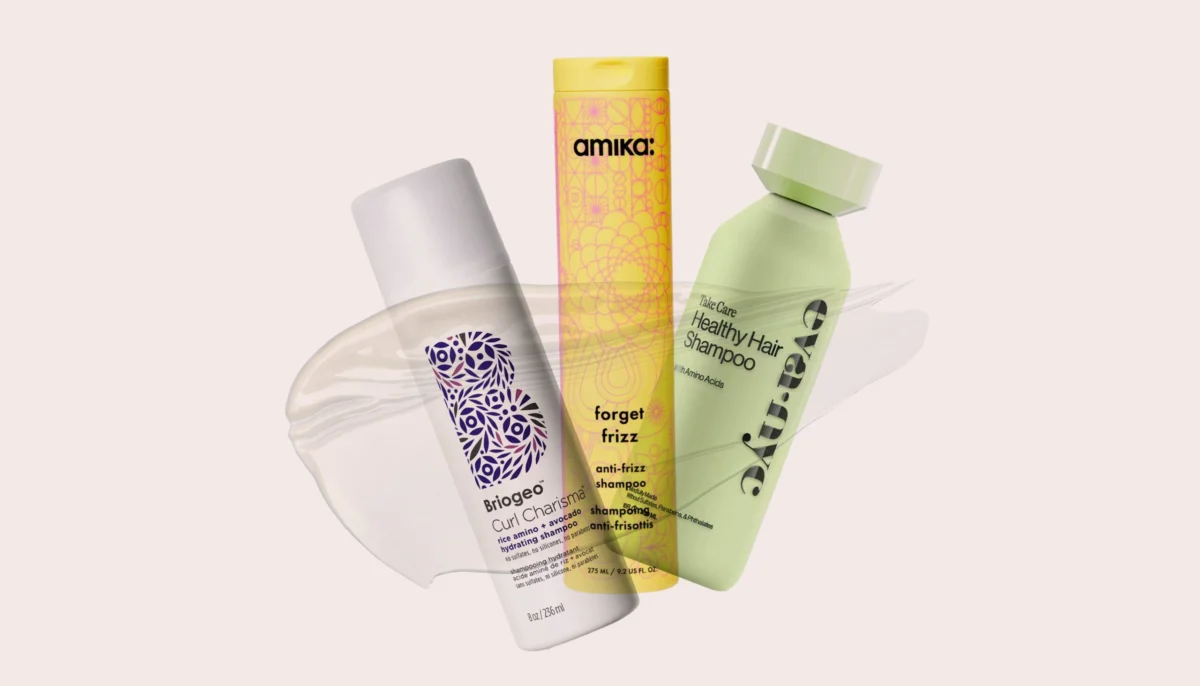
Wavy hair, often perceived as a desirable middle ground between straight and curly textures, presents its own unique set of challenges. Frizz, dryness, and a struggle for consistent definition are common concerns for individuals with this hair type. To address these issues, a nuanced approach to hair care, particularly in shampoo selection and hydration techniques, is crucial. Industry experts emphasize the importance of understanding the specific needs of wavy hair and selecting products and methods that cater to its delicate balance of moisture and structure.
The Foundation of Wavy Hair Care: Strategic Shampoo Selection
The quest for optimal wavy hair begins in the shower, with the choice of shampoo playing a pivotal role. According to leading hairstylists, the ideal shampoo for wavy hair should prioritize gentle cleansing and light hydration to avoid weighing down the natural texture.
"Light hydrators and gentle cleansers are important components to consider in a shampoo for wavy hair because they gently cleanse and moisturize without weighing waves down," explains Eric Marshall, a Nashville-based hairstylist. He highlights key ingredients that are universally beneficial for all wave types. "Humectants like glycerin and hyaluronic acid, ceramides, amino acids, proteins, and conditioning ingredients are universally supportive for all wave types, helping waves feel soft (not crunchy) and also look more polished without sacrificing movement or volume," Marshall states. These ingredients work synergistically to draw moisture into the hair shaft, improve its elasticity, and fortify its structure, leading to a more cohesive and manageable wave pattern.
The specific formulation of a shampoo should also be tailored to the density and coarseness of an individual’s waves. "Someone with very fine, loose waves probably doesn’t need the same rich formula as someone with thick, coarse waves," notes Chase, another industry expert cited in the discussion. For finer waves, the emphasis should be on lightweight hydrators that provide moisture without contributing to flatness. Conversely, those with coarse or dry wavy hair benefit from more nourishing ingredients. "If it’s coarse or dry, look for more nourishing oils and conditioning ingredients," advises Hong, a stylist specializing in textured hair. This personalized approach ensures that the shampoo effectively addresses the unique requirements of each wave type, promoting health and enhancing natural beauty.
Hydration Strategies: Nourishing Waves Without the Weight
The overarching goal for maintaining healthy and vibrant wavy hair is to achieve optimal hydration without compromising the hair’s natural volume and definition. This principle extends beyond shampoo selection and influences the entire hair care routine.
Experts unanimously agree that the cleansing process itself should be mindful of where moisture is most needed. "As you cleanse, focus on the scalp over the lengths, and apply conditioners from the mid-length down where it matters most for wavy hair," recommend the stylists. This targeted application ensures that the scalp’s natural oils are effectively distributed while preventing the lengths of the hair, which are often drier and more prone to frizz, from being overwhelmed.
Post-shower, the application of styling products is another critical juncture. The consensus among professionals is that a minimalist approach often yields the best results. "Less is more for styling products," emphasizes Hong. When selecting styling aids, the focus should be on products that offer multiple benefits, such as enhancing elasticity, providing control, and delivering hydration simultaneously. Marshall specifically recommends products like curl creams, hair oils, and texturizing sprays, noting their ability to "help with elasticity, control, and hydrate at the same time." These products are formulated to enhance the natural wave pattern, reduce frizz, and add a healthy sheen without creating a heavy or stiff finish.
Ultimately, an effective routine for wavy hair is a harmonious blend of hydration, definition, and strengthening. This multifaceted approach ensures that waves are not only moisturized but also possess the resilience and structure to maintain their shape and bounce.
A notable revelation from the experts is the permission to deviate from the conventional advice of stretching out wash days for textured hair. Chase advocates for a more responsive approach: "You don’t need to stretch out wash days just because you have textured hair." Washing hair when it feels it needs it can actually promote a healthier scalp environment and encourage a more consistent and well-defined wave pattern. This challenges the long-held notion that less frequent washing is universally beneficial for textured hair and suggests that understanding individual hair needs is paramount.
The Science Behind the Shine: Understanding Key Ingredients
The efficacy of hair care products for wavy hair hinges on the strategic inclusion of specific ingredients. A deeper dive into these components reveals why they are so vital for managing frizz, dryness, and definition.
-
Humectants (Glycerin, Hyaluronic Acid): These powerful ingredients act like magnets for moisture, drawing water from the atmosphere into the hair shaft. Glycerin is a natural humectant derived from plant oils, while hyaluronic acid, a substance naturally found in the skin and connective tissues, can hold up to 1,000 times its weight in water. For wavy hair, which can be prone to losing moisture, humectants are essential for maintaining hydration and suppleness. They help to plump the hair shaft, reducing the appearance of frizz and enhancing the natural elasticity of waves.
-
Ceramides: These are lipid molecules that are naturally present in the hair’s cuticle. They act as the "glue" that holds hair cells together, forming a protective barrier. Over time, and due to environmental stressors, ceramides can be depleted, leading to weakened hair and increased porosity. In shampoos and conditioners, ceramides help to repair and reinforce the hair’s natural barrier, sealing in moisture, smoothing the cuticle, and improving overall hair strength and resilience. This is particularly beneficial for wavy hair, which can be more susceptible to damage due to its structure.
-
Amino Acids: These are the building blocks of proteins, and consequently, the building blocks of hair. When incorporated into hair care products, amino acids can penetrate the hair shaft to strengthen and repair it from within. They contribute to improved elasticity, increased moisture retention, and enhanced shine. Different amino acids offer varying benefits, but collectively, they play a crucial role in maintaining the structural integrity of wavy hair, making it less prone to breakage and frizz.
-
Proteins (Hydrolyzed Wheat Protein, Keratin, Silk Protein): Proteins are fundamental to hair structure. When hair is damaged or stressed, its protein content can be compromised. Shampoos and conditioners containing hydrolyzed proteins can help to fill in gaps in the hair cuticle, effectively strengthening the hair shaft and improving its texture. For wavy hair, proteins can provide the necessary structure to hold the wave pattern, preventing it from falling flat or becoming unruly. They also contribute to a smoother, more polished appearance. However, it’s important to note that an excess of protein can sometimes lead to hair feeling stiff or brittle, so finding the right balance is key.
-
Conditioning Agents (Plant Oils, Butters, Silicones): These ingredients primarily work on the surface of the hair to smooth the cuticle, reduce friction, and enhance shine. Natural oils like argan oil, jojoba oil, and coconut oil provide nourishment and lubrication. Shea butter offers deep conditioning and moisture. While some silicones can be beneficial for smoothing and detangling, others can lead to buildup over time, so ingredient lists should be carefully reviewed. For wavy hair, conditioning agents are vital for managing frizz and improving combability, contributing to a softer and more manageable mane.
Expert Testing and Methodology: Ensuring Product Efficacy
The rigorous process of identifying effective hair care products, particularly for specific hair types like wavy hair, involves a comprehensive testing and review methodology. The goal is to ensure that recommended products deliver on their promises and cater to the diverse needs of consumers.
"We always enlist a range of testers for our makeup vertical, but hair-care products and tools are another story," explains the editorial team behind the product reviews. This acknowledges the highly individualized nature of hair care. While some products have universal appeal, many are formulated to address specific concerns or work best with particular hair textures, lengths, curl patterns, thicknesses, and colors.
The testing process for wavy hair shampoos, for instance, involves a diverse group of participants, including editors, writers, contributors, and professional hairstylists. This ensures that a wide spectrum of experiences and perspectives is captured. Testers evaluate products across four primary categories:
- Efficacy: This assesses how well the shampoo cleanses the hair and scalp, its ability to hydrate, and its impact on frizz and definition without causing buildup.
- Texture and Experience: This category focuses on the sensorial aspects of using the shampoo, including its lathering properties, how it feels on the hair and scalp during washing, and its rinsability.
- Fragrance: The scent of a product is a significant factor for many consumers, and this category evaluates the fragrance profile, its intensity, and its longevity.
- Packaging: This considers the practicality, aesthetics, and sustainability of the product’s packaging.
The editorial team emphasizes the importance of testing products on hair types that genuinely align with the product’s intended use. "You wouldn’t want to pick up a purple shampoo that’s only been reviewed by someone with, say, auburn hair, or a diffuser that’s never been tested by anyone with curls," they state, underscoring the commitment to providing relevant and reliable recommendations. This dedication to thorough and inclusive testing is a cornerstone of their commitment to consumer trust and product excellence. Further details on their comprehensive review process and methodology are available on their dedicated page.
A Diverse Approach: The Role of Staff and Testers in Product Evaluation
The personal nature of beauty purchases necessitates a diverse and representative testing panel. Allure, in its product reviews, recognizes that a "one-size-fits-all" approach is inadequate when it comes to beauty products. This principle is particularly relevant to hair care, where individual needs and experiences can vary dramatically.
"A beauty product is a personal purchase," the publication states, acknowledging that consumers seek solutions for specific concerns, whether it’s persistent dryness, the desire for new self-care rituals, or simply staying abreast of the latest market innovations. To meet these diverse needs, Allure emphasizes the critical role of a varied team of writers, editors, and external testers.
The publication poses a critical question: "Can we really say a skin-care product is the ‘best’ for people over 50 if the only testers we’ve solicited opinions from folks who have yet to hit 30?" This highlights the ethical imperative to include individuals of different ages, skin tones, hair textures, genders, and backgrounds in the evaluation process. Similarly, they question the validity of recommending an expensive hair tool without testing it on the intended hair type, such as curls.
Allure takes pride in its staff’s diversity, stating, "We’re proud that our staff spans a wide range of ages, skin tones, hair textures, genders, and backgrounds, which means that we are able to fairly assess any beauty product that comes into the beauty closet." This commitment to inclusivity ensures that product recommendations are not only effective but also relevant and trustworthy for a broad audience. By leveraging the collective experiences of a diverse testing pool, Allure aims to empower consumers to make informed decisions and achieve their desired beauty outcomes, ensuring that they "love anything we recommend in our stories."
The implication of this approach is a more equitable and effective beauty landscape. When products are tested by a representative sample of the population they are intended for, the resulting recommendations are more likely to be accurate and beneficial. This not only builds trust between consumers and publications but also encourages brands to develop products that cater to a wider range of needs, ultimately fostering greater inclusivity within the beauty industry.
