
 By Nila Kartika Wati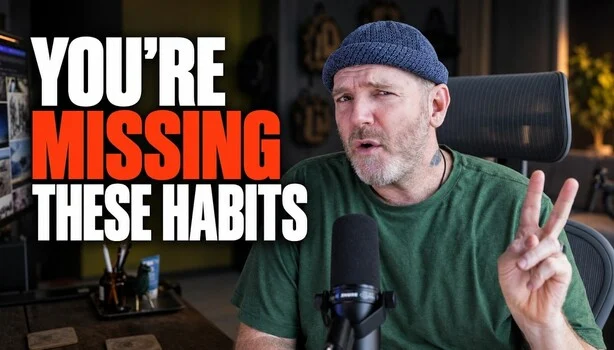
Talent gets discussed constantly, but the photographers who keep landing work tend to share a set of habits that have nothing to do with raw skill. The difference shows up in how they practice, prepare, and handle the people around them. In an industry increasingly defined by rapid technological advancements and fierce competition, the discerning eye often seeks more than just technical proficiency; it looks for reliability, foresight, and an innate understanding of human dynamics. This perspective, cultivated over nearly two decades at the forefront of editorial and commercial photography, offers a critical lens through which to view sustained success in the visual arts.
Justin Mott, a seasoned editorial and commercial photographer with a distinguished career spanning nearly 20 years and extensive experience running a prominent production company in Vietnam, has garnered significant acclaim for his visual storytelling prowess. His work, frequently featured in esteemed publications like The New York Times, underscores a profound understanding of what distinguishes enduring professionals from transient talents. Mott’s insights, shared through his platform AskMOTT, delve beyond the superficial allure of a striking portfolio, instead dissecting the fundamental behavioral traits that underpin consistent client acquisition and career longevity. His analysis serves as a practical blueprint for aspiring and established photographers alike, emphasizing that mastery is often less about inherent aptitude and more about disciplined, strategic execution.
The Unpaid Lab: Cultivating Skill Through Personal Projects
The first trait Mott identifies, seemingly obvious yet frequently overlooked, is the unwavering commitment of exceptional photographers to shoot even when no immediate remuneration is involved. Personal projects, he argues, are not mere hobbies but indispensable laboratories where ideas are rigorously tested, creative boundaries are pushed, and mistakes are made without the watchful, often critical, gaze of a paying client. This dedicated practice outside the commercial sphere is critical for several reasons. Firstly, it fosters genuine artistic exploration, allowing photographers to develop a unique voice and style unconstrained by client briefs or market trends. Secondly, it serves as a crucial arena for skill refinement, enabling the experimentation with new techniques, equipment, and storytelling approaches that might be too risky on a paid assignment.
Mott exemplifies this through his self-funded project documenting the last two northern white rhinos. This endeavor, born from personal conviction rather than commercial demand, not only imparted profound meaning to his career but also became a crucible for developing sophisticated storytelling techniques that he subsequently applied to lucrative commercial assignments. The project, undertaken in Kenya, showcased his ability to craft compelling narratives through imagery, a skill highly valued in both editorial and advertising contexts. While not every photographer can embark on an international expedition, Mott is direct in his assessment: many early-career photographers struggle to secure paid work precisely because they fail to dedicate sufficient time to unpaid, personal practice. In an era where digital tools have democratized photography, consistent, deliberate practice is the differentiating factor, building a robust portfolio of diverse work that demonstrates range and commitment. Data suggests that photographers who regularly engage in personal projects are more likely to report higher levels of job satisfaction and creative fulfillment, often leading to a more distinctive and marketable body of work.
Meticulous Preparation: Building Resilience Against the Unforeseen
Running close behind the imperative of continuous practice is the absolute necessity of meticulous preparation. Mott’s professional philosophy rejects the notion of "hoping for the best." Instead, he advocates for an exhaustive planning process that anticipates every conceivable contingency. During his assignments for The New York Times, known for their demanding logistical requirements and often unpredictable environments, Mott habitually constructed not just a Plan A, but also Plans B and C, complete with backup strategies for each. This proactive approach accounted for potential challenges such as unexpected access restrictions, adverse weather conditions, or equipment failures, ensuring that a viable path to mission accomplishment always existed.
This level of preparation is not merely about avoiding problems; it’s about building a robust operational framework that instills confidence in both the photographer and the client. In a field where tight deadlines and high stakes are common, the ability to adapt swiftly and effectively to unforeseen circumstances is paramount. A 2022 industry survey indicated that client satisfaction is significantly correlated with a photographer’s perceived reliability and organizational skills, directly linking thorough preparation to repeat business and positive referrals. Mott’s methodology transforms potential crises into manageable deviations, safeguarding the integrity of the shoot and the client relationship. This foresight extends beyond technical considerations to understanding the cultural nuances of a location, the personality of subjects, and the specific brand messaging a commercial client aims to convey, ensuring every element is considered long before the shutter clicks.
The Audacity of Vision: Embracing Calculated Risks
Exceptional photographers, Mott posits, are not merely reactive but proactive—they embrace calculated risks. He recounts a pivotal experience involving a shoot that commenced at 4:00 a.m., a direct result of him pitching a bold, unconventional idea he was initially apprehensive to present to a brand-new client. The process began with self-persuasion, convincing himself of the idea’s merit, before confidently selling it to the client. This daring move paid dividends: six years later, that client remains his biggest, frequently referencing that singular, impactful image. This anecdote underscores the power of conviction and the courage to propose innovative solutions that transcend conventional expectations.
Taking chances in photography involves stepping outside one’s comfort zone, whether it’s experimenting with a novel lighting setup, suggesting an unusual location, or proposing an unconventional narrative angle. In a competitive market, such initiatives differentiate a photographer, demonstrating creative leadership and a willingness to push boundaries. However, Mott emphasizes that these are calculated risks, underpinned by thorough preparation and a clear understanding of the potential rewards versus pitfalls. This entrepreneurial mindset, where photographers actively shape opportunities rather than passively waiting for them, is a hallmark of enduring success. The ability to articulate and advocate for a unique vision, even when it feels daunting, often leads to the most memorable and impactful work, fostering deep client loyalty.
The Art of Effective Communication: Beyond Mere Talkativeness
Communication, Mott stresses, is the invisible thread that ties all these traits together. He draws a critical distinction between being merely talkative and communicating effectively. The latter involves clarity, precision, and an empathetic understanding of others’ perspectives, particularly in high-pressure environments. He illustrates this with a challenging shoot in Vanuatu, where a local team insisted on using a friend as the lead model, despite Mott’s professional reservations about the individual’s suitability. The situation devolved, necessitating a resolution. Mott’s approach was not to utter an "I told you so," but to meticulously document the initial decision-making process and then efficiently resolve the problem. This incident became a powerful lesson in managing expectations, documenting decisions transparently, and rectifying issues collaboratively without assigning blame.
Effective communication in photography encompasses active listening, clear instruction, diplomatic negotiation, and providing constructive feedback. It is crucial for managing client expectations, coordinating with diverse crew members, and eliciting authentic performances from models. Poor communication can lead to misunderstandings, project delays, and strained relationships, ultimately damaging a photographer’s reputation. Mott’s experience highlights the importance of emotional intelligence—the ability to navigate complex social situations with tact and professionalism. In an industry heavily reliant on teamwork and interpersonal dynamics, the capacity for clear, empathetic, and solution-oriented communication is as vital as any technical skill. It builds trust, fosters collaboration, and ensures that everyone involved in a project remains aligned with the overarching vision.
Strategic Collaboration: Surrounding Oneself with Excellence
Two additional traits round out Mott’s list, both speaking to a fundamental humility and strategic foresight. Firstly, exceptional photographers consciously surround themselves with individuals who are better than they are in specific domains. Mott is refreshingly candid about his own limitations. He readily admits he is not a top-tier retoucher, so rather than attempting to master an area where he isn’t an expert, he hires one and integrates their fees into his project quotes. Similarly, describing himself as a "simple man with camera menus," he gravitates towards user-friendly systems like Leica, Hasselblad, and Sony, while his assistant skillfully manages the more complex, buried settings that might otherwise distract him from the creative flow.
This strategic delegation is a testament to effective team building and resource allocation. It acknowledges that no single individual can excel at every facet of a complex production. By leveraging the specialized skills of others—be it a retoucher, a lighting technician, or a digital assistant—a photographer can elevate the overall quality of their output while focusing on their core strengths: composition, lighting, and directing. This collaborative approach not only produces superior results but also cultivates a network of skilled professionals, which is invaluable for future projects. Industry statistics confirm that creative professionals who actively collaborate and delegate tasks often achieve higher rates of client satisfaction and project success, demonstrating the power of collective expertise.
The Open Mind: Embracing Serendipity and New Ideas
Secondly, Mott underscores the importance of maintaining an open mind, a willingness to adapt and incorporate unexpected ideas. He recalls a shoot in the Maldives where a last-minute setup on a pristine patch of white sand was threatened by tight timing constraints. It was the model who suggested a spontaneous solution: running directly off the catamaran onto the beach. The idea, though unplanned, worked perfectly, resulting in a delighted client and a valuable lesson banked by Mott. This adaptability was again demonstrated on a later shoot for the same client, where a stiffly posed family on a chair came alive when Mott, inspired by a sudden idea, had them play tag around it. This dynamic image ultimately ran in a global advertising campaign and was even renewed during the COVID-19 pandemic, proving its timeless appeal and versatility.
An open mind allows photographers to embrace serendipity, turn challenges into opportunities, and integrate fresh perspectives into their work. It signifies a willingness to abandon preconceived notions and react creatively to the unfolding realities of a shoot. In a fast-evolving visual landscape, the ability to remain flexible and receptive to new ideas—whether from a model, a crew member, or a spontaneous observation—is crucial for generating innovative and impactful imagery. This trait fosters resilience, enhances creative problem-solving, and ensures that a photographer’s work remains dynamic and relevant.
The Enduring Power of Reputation: Professionalism as a Marketing Asset
The overarching through-line connecting all of Mott’s insights is the critical importance of building an unassailable professional reputation that precedes you. The photography industry operates heavily on referrals, and its interconnectedness has only grown, with producers, art directors, and agencies communicating across diverse markets. Every interaction, every decision, contributes to this cumulative reputation. Mott recounts a telling instance in Indonesia where he declined a fixer’s offer to stage a scene for a more dramatic effect. The writer he was collaborating with never witnessed the exchange, but heard about it later, mentioning it to an editor. That quiet, ethical decision, rooted in integrity, subsequently led to years of assignments, illustrating how unseen acts of professionalism can yield significant long-term benefits.
The practical takeaway is profound: a photographer’s conduct on every shoot is being meticulously logged by people who may never be directly pitched. The way a nervous model is treated, how a green client is guided, or the respect shown to a crew member at 4:00 a.m. – these actions become an indelible part of one’s professional portfolio, regardless of intent. Treating professionalism not as a tedious chore but as a potent marketing asset is one of the most useful reframes a working photographer can adopt. It encompasses punctuality, ethical conduct, respect for all collaborators, and grace under pressure. In a field where portfolios can look similar, character and conduct become powerful differentiators.
The Uncoachable Trait: Integrity and Professional Demeanor
That last trait, acting professionally in every facet of the job, is the one Mott states he cannot coach. It is an intrinsic quality, a default setting that defines how one navigates the pressures and complexities of the creative world. His advice is starkly simple yet profoundly impactful: be early, plan for the worst, and treat everyone with kindness. This unwavering commitment to courtesy and respect is paramount because, as Mott emphasizes, "everyone is watching how you respond to pressure." If a photographer’s default inclination is to be difficult or confrontational, he urges them to, at the very least, learn to bury that side of themselves. Experience, while valuable, cannot rectify a fundamentally difficult disposition; it is the one impediment that even extensive skill and talent cannot overcome.
In conclusion, Justin Mott’s comprehensive breakdown transcends the conventional wisdom of photographic excellence. It reveals that sustained success in this demanding field is a multifaceted construct, built upon a foundation of relentless practice, meticulous preparation, courageous vision, empathetic communication, strategic collaboration, open-minded adaptability, and, most importantly, an unwavering commitment to professionalism and ethical conduct. These are the traits that cultivate not just stunning images, but also a reputation that travels far and wide, opening doors to enduring opportunities and solidifying a photographer’s legacy in the annals of visual storytelling.
