
 By admin
The international beachwear industry converged in Florence this past July for Maredamare, the premier trade fair dedicated to the sector, revealing a market in the midst of a profound transformation. While the event has historically served as a platform for the latest trends in bikinis and one-pieces, the most recent iteration underscored a significant shift toward the "total look" and the elevation of beachwear into the realm of high-end resortwear. This evolution is driven by a distinct Italian approach to design that prioritizes individuality, artisanal craftsmanship, and the seamless integration of swimwear into a broader fashion wardrobe. Industry observers and buyers noted that the distinction between functional swim attire and eveningwear is increasingly blurred, with Italian designers leading the charge through sophisticated fabric research and construction techniques that emphasize the "Made in Italy" pedigree.
The Strategic Importance of Maredamare in the Global Fashion Calendar
Held annually at the historic Fortezza da Basso, Maredamare is organized by Underbeach and has established itself as the leading international salon in Italy for beachwear, surfwear, and accessories. The July event serves as a critical juncture for the Spring/Summer 2026 and 2027 buying cycles, attracting over 200 brands and thousands of international visitors. The show’s significance extends beyond mere aesthetics; it is a vital economic engine for the Italian textile sector. According to data from SMI (Sistema Moda Italia), the Italian beachwear and hosiery sector has shown remarkable resilience, with exports continuing to drive growth despite global economic fluctuations.
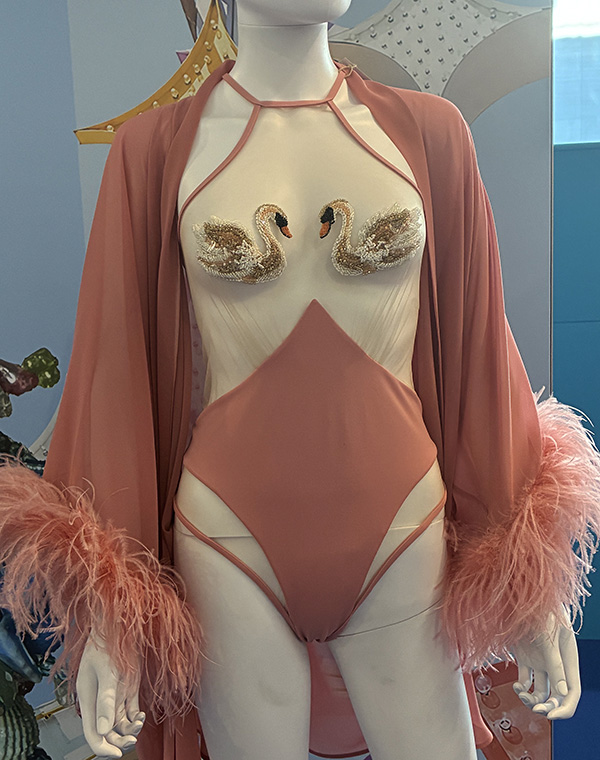
The 2024 edition highlighted a move toward "slow fashion" and durability. Designers are no longer producing garments meant for a single season; instead, they are creating versatile pieces that transition from the beach to social settings, such as the traditional Italian aperitivo or formal evening events. This shift is a response to a global consumer base that increasingly values quality over quantity and seeks garments that offer multiple use cases.
Chronology of Innovation: The Evolution of the Italian Beachwear Identity
The trajectory of Italian beachwear can be traced through several decades of technical and stylistic evolution. In the late 20th century, the focus was primarily on functional elasticity and basic silhouettes. However, the mid-1990s marked a turning point as designers began to apply the principles of haute couture and fine lingerie to the swimwear category.
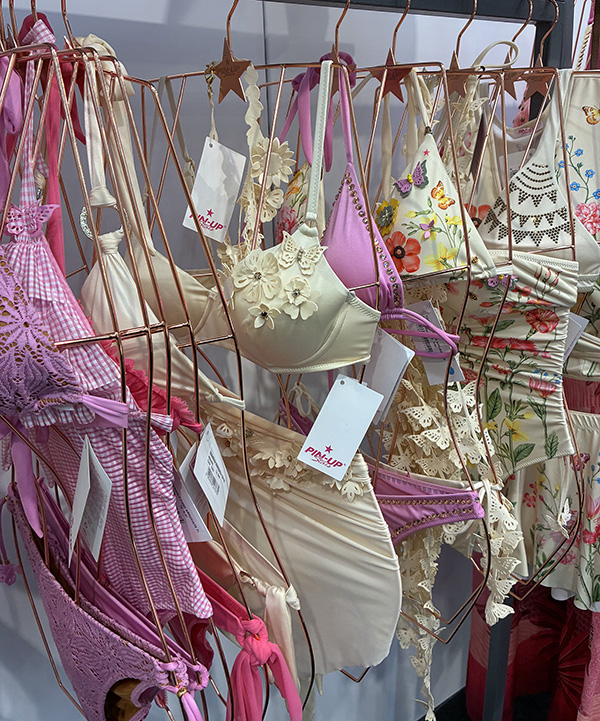
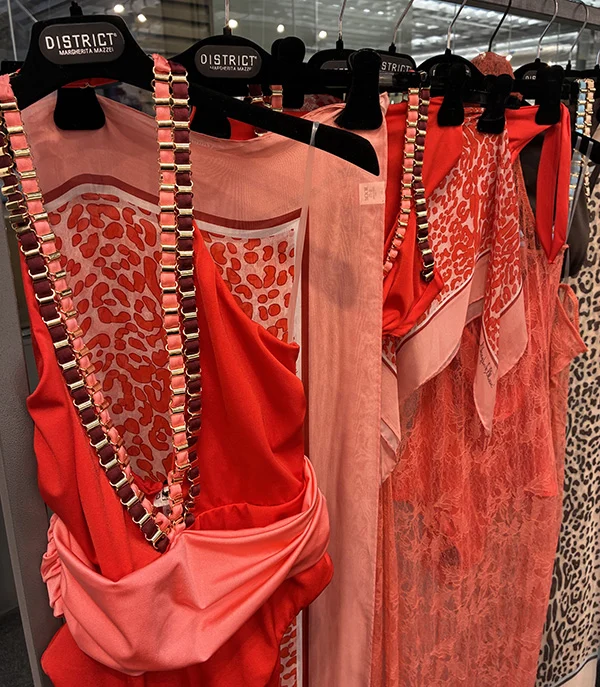
- The Mid-1990s Emergence: Labels like Margherita Mazzei’s District (established in 1995) began to bridge the gap between beachwear and corsetry. This era introduced the concept of the "body-conscious" swimsuit, utilizing sophisticated prints and transparencies that were previously reserved for high-end lingerie.
- The Early 2000s Glamour Boom: Designers like Jerry Tommolini with Pin-Up Stars revolutionized the industry by introducing jewelry-inspired details and sculptural embellishments. This period saw the swimsuit move from the pool to the "boat-to-evening" category, emphasizing luxury and exuberance.
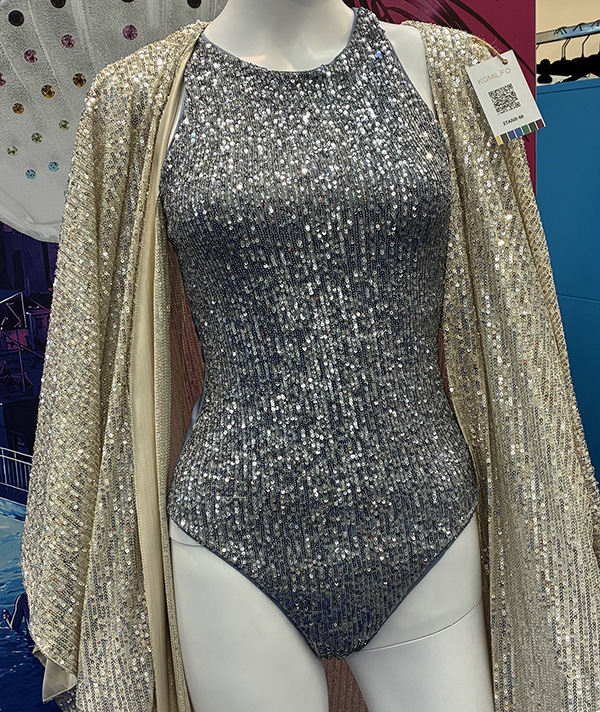
- The 2020s Resortwear Integration: The current era, as seen at the recent Maredamare show, focuses on the "total look." Collections now routinely include fluid caftans, macramé jackets, and embroidered skirts that are designed to be worn alongside or over the swimwear, creating a cohesive aesthetic that spans the entire day.
Profiles in Craftsmanship: Leading Designers at Maredamare
The July exhibition featured a diverse array of creative voices, each contributing to the narrative of Italian excellence. Three designers, in particular, illustrated the breadth of the current market: Margherita Mazzei, Raffaela D’Angelo, and Jerry Tommolini.
Margherita Mazzei and the District Label
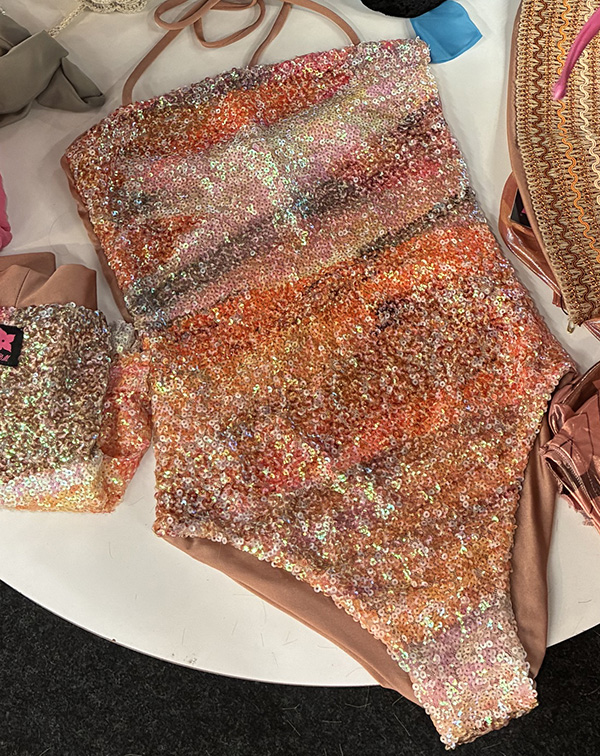
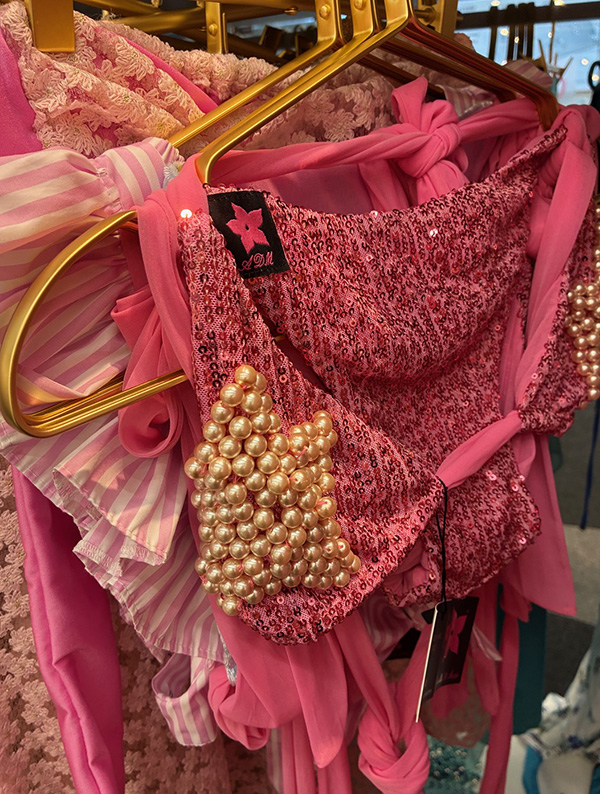
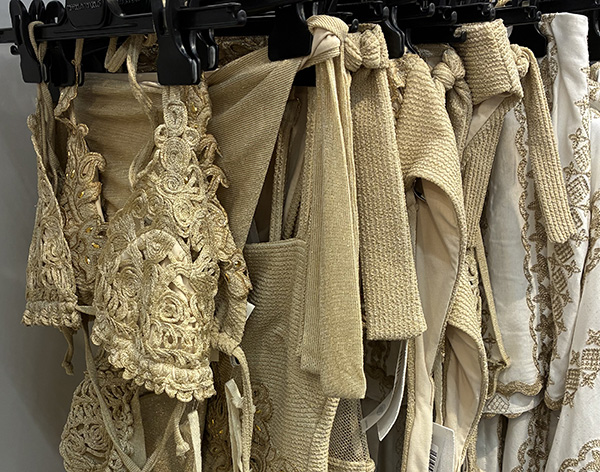
Margherita Mazzei’s District label remains a cornerstone of the artisanal aesthetic. Her approach is characterized by an intimate knowledge of the female form, derived from her background in lingerie and corsetry. At Maredamare, Mazzei showcased collections that utilized intricate macramé flowers and delicate transparencies. Her designs are not merely about coverage; they are about construction. The use of sophisticated prints and color palettes allows her bikinis and one-pieces to function as foundational garments that can be paired with kimonos or pareos for a complete ensemble.
Raffaela D’Angelo’s Couture Influence
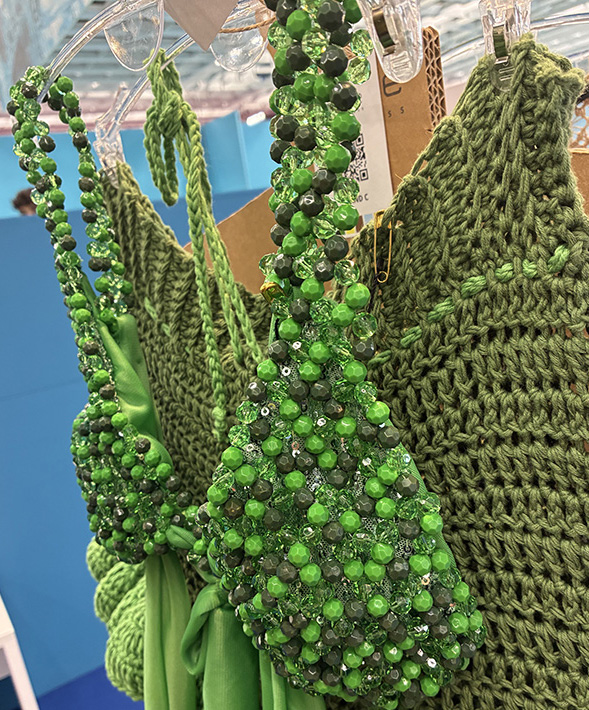
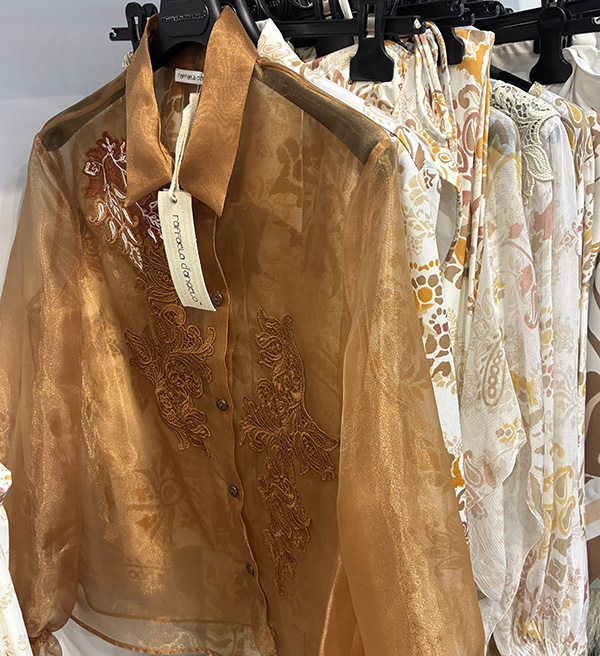
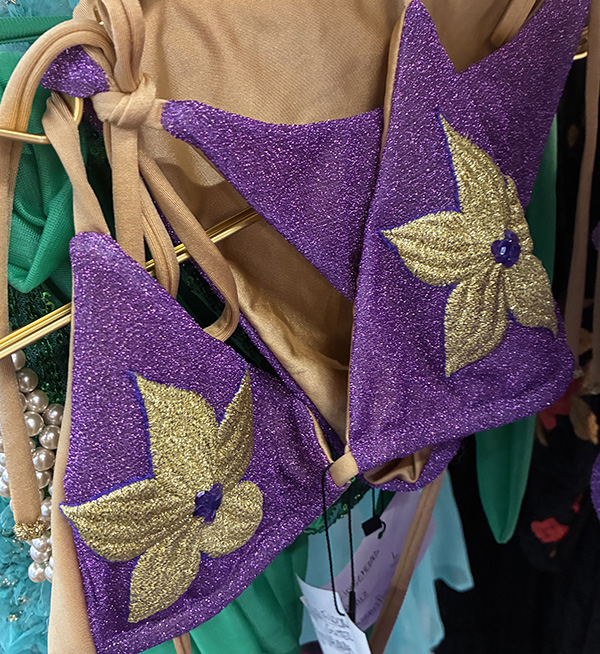
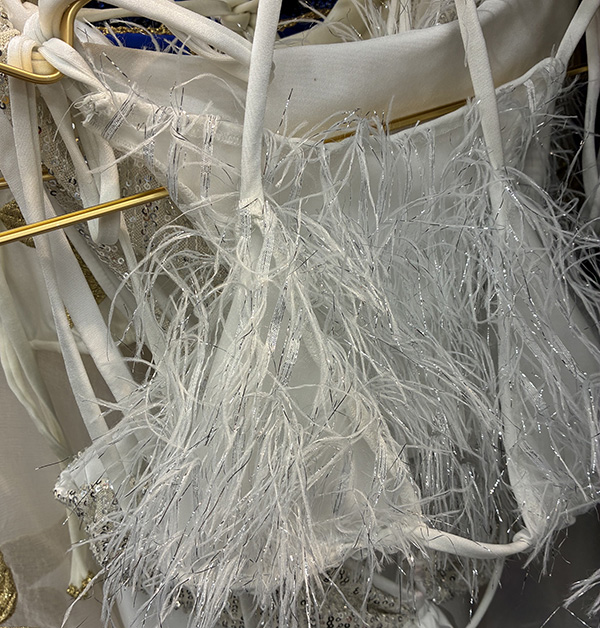
Raffaela D’Angelo presented a vision for Spring/Summer 2027 that drew heavy inspiration from the natural beauty and artisanal traditions of Bali. Her work represents the "couture-minded" segment of the market, where natural fabrics are combined with complex net techniques, embroidery, and three-dimensional floral applications. D’Angelo’s collections are notable for their inclusion of non-swim pieces—jackets, shirts, and skirts—that extend the brand’s narrative into the lifestyle and resort categories. This approach caters to a high-end demographic that views beachwear as a component of a sophisticated travel wardrobe.
Pin-Up Stars by Jerry Tommolini
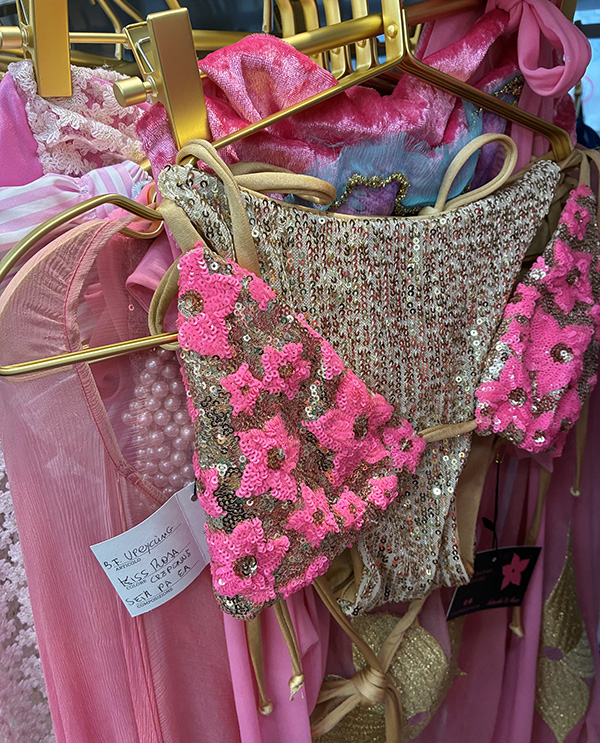
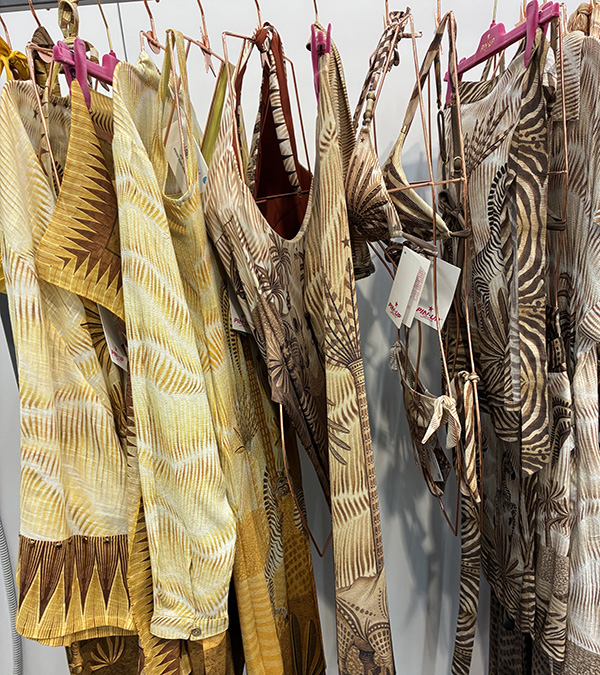
Jerry Tommolini’s Pin-Up Stars continues to represent the more glamorous and high-energy side of the Italian market. The collections featured at Maredamare utilized floral imagery and jewelry-inspired accents to create a sense of "preciousness." Tommolini’s work is a testament to the technical expertise required to apply heavy embellishment to elasticated fabrics without compromising fit or comfort. His resort pieces are designed for high-visibility environments, such as luxury yachts and exclusive beach clubs, where the garment must perform as a fashion statement as much as a swimsuit.
Supporting Data: The Economic and Technical Landscape
The Italian beachwear market’s strength lies in its specialized supply chain. Unlike mass-market competitors, Italian designers benefit from proximity to the world’s leading textile mills in regions like Lombardy and Tuscany.
- Export Strength: Italy remains one of the top exporters of high-end swimwear in the world. Industry reports suggest that "Made in Italy" beachwear commands a price premium of 20-30% in international markets due to perceived quality and design heritage.
- Fabric Innovation: A significant portion of the innovation seen at Maredamare involves fabric technology. Designers are increasingly using eco-compatible fibers, recycled polyesters, and ultra-chlorine-resistant Lycra. The technical challenge lies in maintaining a soft, "silk-like" hand feel while ensuring the garment can withstand salt, sun, and chemicals.
- Segment Growth: The "Resortwear" segment has seen an estimated 15% year-over-year growth within the broader beachwear category. This is attributed to the rise of luxury travel and the consumer desire for "transitional" clothing.
Official Responses and Industry Sentiment
Representatives from the exhibiting brands and trade organizations at Maredamare expressed a collective confidence in the future of the "Made in Italy" label. Many noted that in a globalized market where trends are replicated almost instantly by fast-fashion entities, the only sustainable competitive advantage is individuality and technical complexity.
"The swimsuit is no longer a standalone item," noted one industry consultant during the event. "It is the anchor of a lifestyle. Our buyers are looking for pieces that tell a story of craftsmanship. They want to see the hand of the artisan in the embroidery and the research of the chemist in the fabric."
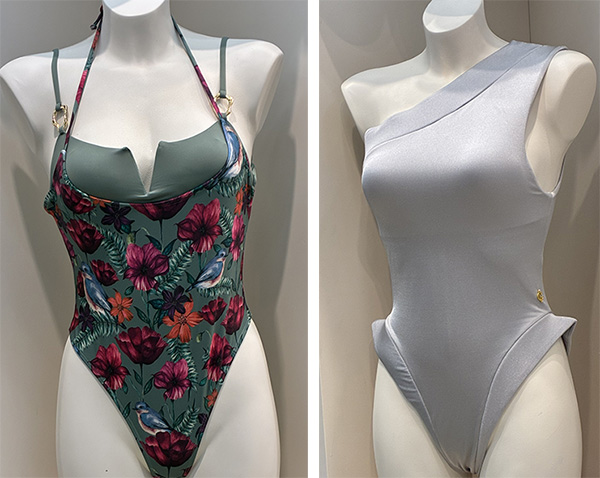
Furthermore, the emphasis on "individuality as the real luxury" was a recurring theme. Designers argued that the global market is saturated with familiar silhouettes, making the unique "language" of a specific designer—such as the artisanal flowers of Mazzei or the Balinese textures of D’Angelo—the primary driver of consumer loyalty.
Broader Impact and Global Implications
The trends observed at Maredamare have significant implications for the global fashion industry. As Italian designers successfully transition swimwear into the resortwear and eveningwear categories, they are redefining the seasonal nature of the business. This "de-seasonalization" allows retailers to maintain higher margins and reduces the need for aggressive discounting, as the garments are viewed as enduring fashion pieces rather than disposable summer goods.
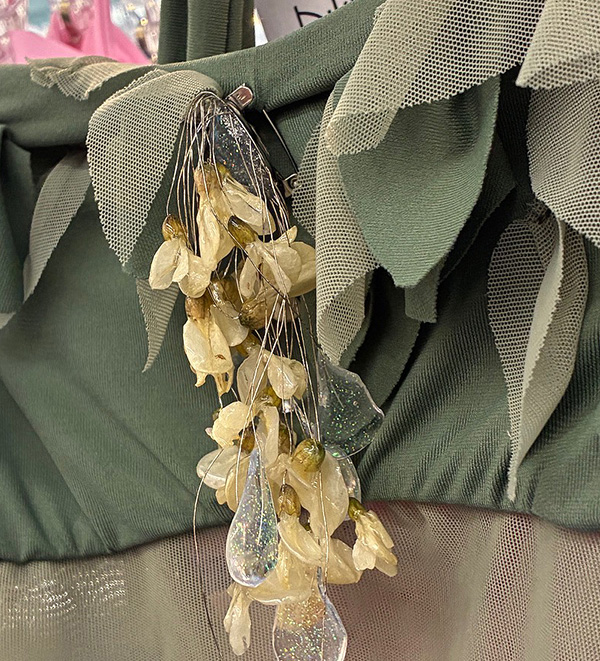
Moreover, the focus on artisanal techniques like macramé, 3D applications, and intricate embroidery serves as a protective barrier for the Italian industry. These elements are difficult to automate and require a skilled workforce, ensuring that the production remains rooted in regions with a long history of textile excellence.
The success of Maredamare 2024 demonstrates that while the global beachwear market is increasingly competitive, there remains a robust and growing demand for products that offer a blend of technical performance and high-fashion aesthetics. The Italian approach, which treats the swimsuit as a canvas for artisanal expression, continues to set the standard for the rest of the world.
Conclusion: The Future of Italian Beachwear
As the industry looks toward the 2026 and 2027 seasons, the legacy of the Maredamare show in Florence remains clear. The future of beachwear lies not in the simplification of the garment, but in its enrichment. By integrating the disciplines of lingerie, couture, and eveningwear, Italian designers have ensured that the "Made in Italy" mark remains synonymous with luxury and innovation. The shift from a seasonal necessity to a year-round fashion statement is nearly complete, driven by a commitment to craftsmanship that remains the hallmark of the Italian textile tradition. For the designers showcased at Maredamare, the swimsuit is indeed only the beginning of a much larger and more enduring fashion conversation.
