
 By Nana Wu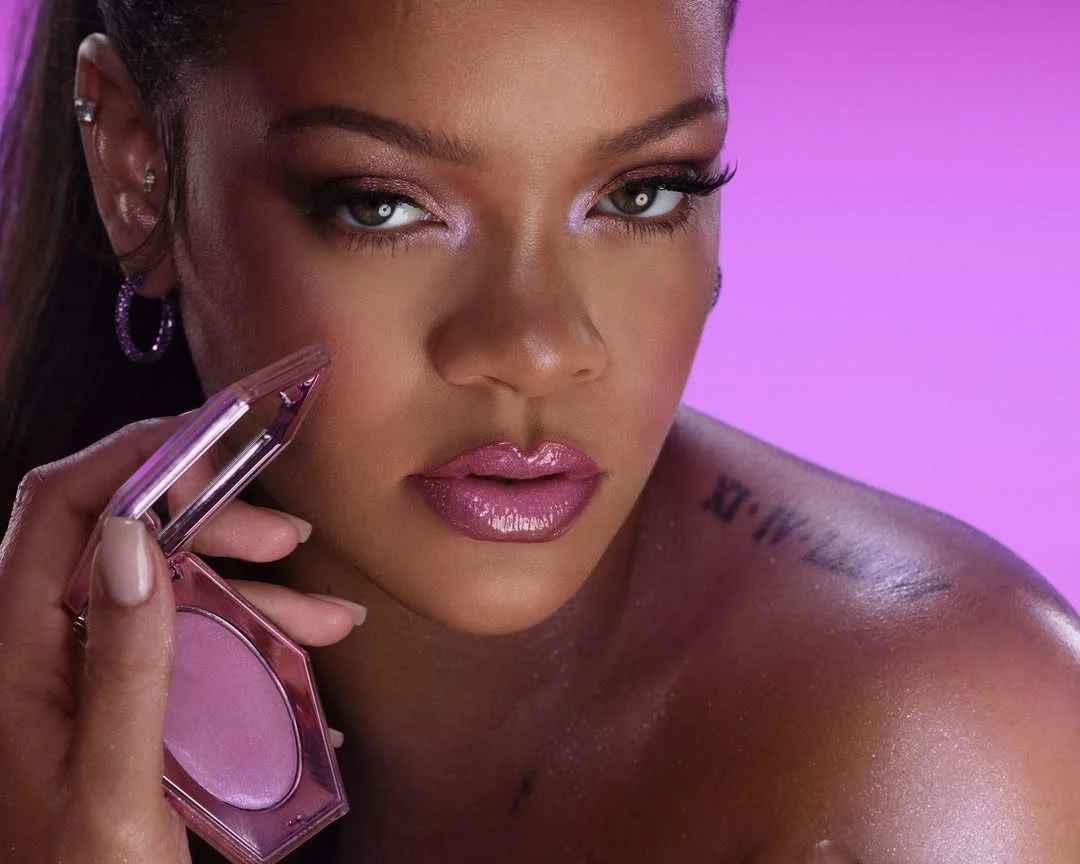
The French luxury conglomerate Louis Vuitton Moët Hennessy (LVMH) is reportedly exploring the sale of its 50% stake in Fenty Beauty, the cosmetics powerhouse it co-owns with global superstar and entrepreneur Rihanna. According to reports from Reuters, the Moët Hennessy Louis Vuitton SE group has engaged the services of the investment bank Evercore to advise on the potential transaction. This move marks a significant pivot for the luxury giant, which has spent the last several years aggressively expanding its footprint in the prestige beauty and celebrity-led retail sectors.
The potential divestment comes at a time of broader strategic recalibration within the LVMH empire, overseen by Chairman and CEO Bernard Arnault. As the global luxury market faces a cooling period characterized by shifting consumer habits and macroeconomic headwinds, LVMH appears to be streamlining its portfolio to focus on its most profitable, wholly-owned "heritage" maisons. The exploration of a Fenty Beauty sale suggests that even the most successful joint ventures are being scrutinized for their long-term alignment with the group’s core objectives.
The Genesis and Impact of the Fenty Beauty Partnership
Fenty Beauty was launched in September 2017 under the umbrella of Kendo Brands, LVMH’s internal incubator designed to develop and scale innovative beauty concepts. From its inception, the brand was positioned as a disruptive force in the cosmetics industry. While many established brands offered limited shade ranges for foundations and concealers, Fenty Beauty debuted with an unprecedented 40 shades (later expanded to 50), specifically targeting underserved skin tones.
This strategy, which the industry later dubbed "The Fenty Effect," forced competitors across the global beauty market to broaden their inclusivity standards. The brand’s marketing, heavily influenced by Rihanna’s personal brand and massive social media following, emphasized diversity and accessibility within a prestige price point. The partnership was initially seen as a masterclass in modern brand building, combining Rihanna’s cultural capital with LVMH’s sophisticated supply chain, manufacturing capabilities, and primary retail channel, Sephora.
By the end of its first full year of operation, Fenty Beauty had generated approximately $550 million in annual revenue, an achievement that solidified its status as one of the most successful beauty launches in history. Since then, the brand has expanded into Fenty Skin and Fenty Hair, further diversifying the "Fenty" ecosystem and cementing Rihanna’s status as a billionaire entrepreneur.
Financial Performance and Valuation Metrics
Current estimates suggest that Fenty Beauty generated approximately $450 million in sales in 2024. While these figures remain robust, they reflect a maturing brand within a highly saturated market. Analysts specializing in the beauty and personal care sector suggest that the brand could command a valuation between $1 billion and $2 billion, depending on the structure of the deal and the level of future involvement guaranteed by Rihanna.
A valuation of $2 billion would represent a significant multiple of its annual revenue, a standard premium for brands that maintain high cultural relevance and strong digital engagement. For LVMH, offloading its 50% stake at this valuation would provide a substantial liquidity injection, allowing the group to reinvest capital into internal projects or acquire emerging brands that offer higher growth potential or greater operational control.
The involvement of Evercore, a premier independent investment banking advisory firm, indicates that LVMH is seeking a sophisticated exit strategy. Evercore has a history of managing complex mergers and acquisitions within the retail and consumer goods sectors, and their appointment suggests that LVMH is looking for a buyer—potentially a private equity firm or another global beauty conglomerate—that can manage the unique challenges of a celebrity-partnered entity.
A Pattern of Strategic Divestments
The reported exploration of a Fenty Beauty sale is not an isolated event but rather part of a discernible trend within LVMH’s recent corporate activity. Over the past year, the group has moved to shed brands that do not fit the "high-margin, high-growth, high-synergy" criteria required for its long-term vision.
In early 2024, LVMH finalized the sale of Off-White, the streetwear-influenced luxury label founded by the late Virgil Abloh, to Bluestar Alliance. This followed the 2019 decision to sell its stake in Stella McCartney back to the designer, ending a 17-year partnership. Furthermore, industry rumors have persisted regarding the potential sale of Marc Jacobs, another brand where LVMH holds a majority stake but has faced challenges in maintaining consistent growth across all product categories.
These moves signal a "portfolio cleanup." During the decade of low interest rates and rapid Chinese luxury expansion, LVMH aggressively diversified. However, in the current economic environment—marked by a slowdown in Chinese consumer spending and a "normalization" of luxury growth in the West—the group is prioritizing its "Power Houses." Brands like Louis Vuitton, Christian Dior, and the retail giant Sephora remain the primary engines of profit for the group. By exiting shared-ownership models or lower-growth labels, LVMH can focus its management resources and capital on the brands that define the pinnacle of the luxury pyramid.
Internal Competition and the Rise of La Beauté Louis Vuitton
One of the most compelling reasons for LVMH’s potential exit from Fenty Beauty is the emergence of competing internal priorities. The group has recently signaled a desire to bring more beauty production and brand development directly under the wings of its namesake maisons.
A primary example of this is the debut of "La Beauté Louis Vuitton," a high-end makeup line led by the legendary makeup artist Pat McGrath. Unlike Fenty Beauty, which was developed through the Kendo incubator as a standalone entity, La Beauté Louis Vuitton is deeply integrated into the Louis Vuitton brand identity. It focuses on extreme craftsmanship, innovative packaging, and sustainability, aligning it more closely with the group’s "ultra-luxury" positioning.
The internal success of this line has reportedly demonstrated to LVMH leadership that they can achieve high margins and brand prestige by developing beauty products for their existing fashion houses rather than relying on external celebrity partners. This strategy allows LVMH to maintain 100% ownership and control over the brand’s image, distribution, and intellectual property, avoiding the complexities that often arise in 50/50 joint ventures.
Market Implications and the Future of Celebrity Brands
The potential sale of LVMH’s stake in Fenty Beauty serves as a litmus test for the celebrity beauty market. For years, the success of Fenty Beauty and Kylie Jenner’s Kylie Cosmetics (majority-sold to Coty in 2019) fueled a gold rush of celebrity-led launches. However, as the market has become crowded with brands from Selena Gomez (Rare Beauty), Ariana Grande (r.e.m. beauty), and Hailey Bieber (Rhode), consumer fatigue has begun to set in.
If LVMH exits Fenty, it may signal to the market that the "celebrity incubator" model has reached its peak utility for traditional luxury conglomerates. While Fenty Beauty remains a category leader, the operational friction of managing a partnership with a global star—whose time is divided between music, other business ventures, and personal life—can be significant compared to the streamlined management of a traditional heritage brand.
Furthermore, the sale would raise questions about the future of Fenty Beauty’s distribution. Currently, the brand enjoys a symbiotic relationship with Sephora, which is owned by LVMH. If a different conglomerate or a private equity firm acquires LVMH’s stake, the brand’s "exclusive" status at Sephora could potentially be renegotiated, or it could expand into other major retailers like Ulta Beauty or department store counters, which could either dilute its prestige or drive a new wave of growth.
Chronology of LVMH and Fenty Beauty’s Relationship
- 2016: Reports surface that Rihanna has signed a deal with LVMH’s Kendo division to develop a beauty line.
- September 2017: Fenty Beauty officially launches globally across 17 countries and 1,600 stores. The 40-shade foundation range becomes an instant sensation.
- 2018: The brand wins numerous awards, including Time Magazine’s "Best Inventions of 2017." Revenue exceeds expectations, totaling over $500 million.
- 2019: LVMH and Rihanna expand their partnership by launching "Fenty," a luxury fashion house. This marks the first time LVMH has built a fashion brand from scratch since Christian Lacroix in 1987.
- 2020: Fenty Skin is launched, expanding the brand into the skincare category.
- 2021: LVMH and Rihanna announce the "suspension" of the Fenty fashion house to focus on the high-performing beauty and lingerie (Savage X Fenty) sectors.
- 2023: Rihanna’s Super Bowl halftime performance features a high-profile Fenty Beauty product placement, leading to a massive surge in search traffic and sales.
- 2024: Fenty Hair is launched. Reports emerge that LVMH is exploring a sale of its 50% stake in the beauty division, hiring Evercore to lead the process.
Industry Reaction and Potential Outcomes
While neither LVMH nor Rihanna’s representatives have issued a formal statement confirming the sale, the news has sparked intense speculation among industry insiders. Financial analysts suggest that the move is a pragmatic one for LVMH. "LVMH is in the business of building forever brands," noted one luxury retail analyst. "While Fenty is a phenomenal success, it is inherently tied to the persona of Rihanna. For a group that thinks in terms of centuries, transitioning toward 100%-owned, maison-led beauty lines is a more stable long-term play."
For Rihanna, the sale of LVMH’s stake could offer several paths. She could potentially partner with a new strategic investor who is willing to fund even more aggressive global expansion into emerging markets. Alternatively, she could seek to buy back the stake herself, though the $1 billion-plus price tag would require significant capital.
As the luxury landscape continues to evolve, the Fenty Beauty story remains a pivotal chapter in the intersection of celebrity, inclusivity, and corporate strategy. Whether LVMH ultimately sells its stake or decides to retain it, the exploration of the deal alone highlights a significant shift in how the world’s largest luxury group views the future of its portfolio. The focus has clearly shifted back to the "core," where craftsmanship and heritage take precedence over the fleeting nature of celebrity influence.
