
 By Jia Lissa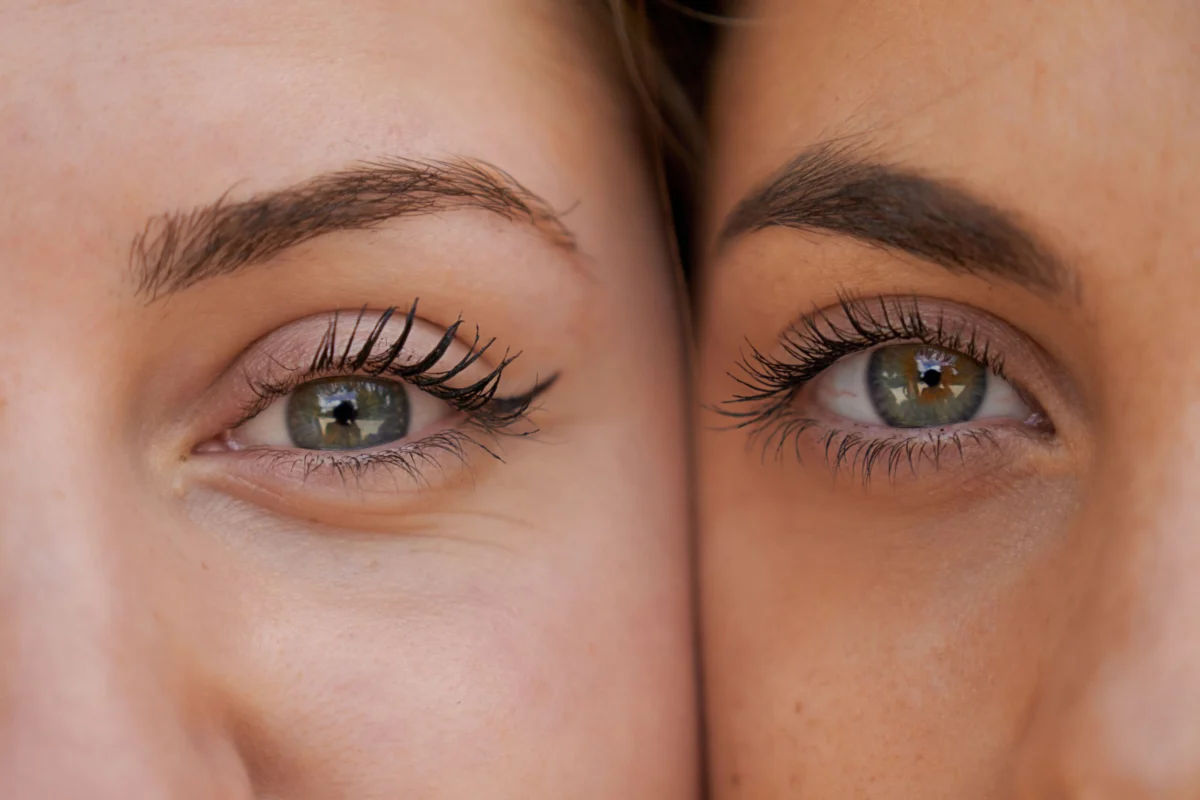
For years, the beauty industry, and specifically publications like Allure, have grappled with a persistent, albeit often unpopular, opinion regarding mascara: that the design of the wand itself has minimal impact on application performance. The prevailing wisdom suggested that any clumping or uneven application was a direct result of the mascara formula, not the applicator. Whether a brush boasted traditional spoolie-like bristles, modern silicone spikes, a uniform shape, or a spiraling design, the formula was deemed the sole culprit for a less-than-perfect lash look. However, a recent shift in makeup artistry, amplified through social media and championed by seasoned professionals, is challenging this long-held belief. It appears there is indeed a mascara application tool that dramatically alters results, and it’s not what you’d expect; it’s a separate tool entirely, bearing little resemblance to the wand that accompanies your mascara. This technique, termed "lash painting," is rapidly gaining traction for its ability to deliver exceptionally clean, separated, and defined lashes, particularly on challenging areas like the lower lash line.
The Genesis of Lash Painting: Beyond the Mascara Wand
The concept of "lash painting" is not entirely new but has experienced a significant resurgence and popularization in recent years, largely driven by the savvy application techniques of professional makeup artists who have long employed specialized tools for intricate lash work. Historically, makeup artists have utilized lash fans, also known as mascara fan brushes, for notoriously difficult areas, most notably the lower lashes. These specialized brushes, characterized by their fine, fanned bristles and long, slender handles, offer a level of precision and control that traditional mascara wands often lack.
Rose Siard, a prominent figure in the beauty community and founder of Rose and Ben Beauty, articulates the common frustration with applying mascara to the lower lashes: "If you hate bottom-lash mascara, it’s because most wands deposit a ton of product." This over-application can lead to spider-like lashes, smudging, and an overall less refined appearance. Siard explains that a lash fan fundamentally alters this experience by providing superior control over product distribution. Instead of the typical scooping motion that loads a mascara wand with excess product, the lash fan allows users to delicately dip the brush onto the sides of the wand, picking up just the right amount of mascara. This controlled pickup is crucial for achieving a clean, feather-light application.
Furthermore, Siard highlights the hygienic advantages of this method. "This is something pros use all the time, and obviously, it’s a lot more hygienic because we can clean it afterwards," she states. Unlike the mascara wand, which must be returned to its tube, potentially introducing bacteria and air, a separate lash fan brush can be thoroughly cleaned and disinfected after each use, ensuring a more sanitary application process, especially for artists working with multiple clients. This emphasis on hygiene, coupled with the superior application results, has propelled lash painting into the mainstream beauty conversation.
Mastering the Technique: Precision from Base to Tip
The effectiveness of lash painting lies in its methodical approach, starting with a foundational application at the lash base. Makeup artist Kate Talbert, an early advocate and demonstrator of the lash painting technique, emphasizes the importance of this initial step. "Starting at the base of the lashes," Talbert advises, "is going to give them a little bit of a tightline effect, so it’s going to add some definition." This precise placement at the root of the lashes not only enhances definition but also ensures that every single lash is coated evenly. The fanned bristles of the lash fan are instrumental in this process, acting as tiny rakes that catch and separate each individual lash, preventing the dreaded clumpiness that often results from the thicker, more densely packed bristles of traditional mascara wands. This meticulous separation from the base outward guarantees a full, yet distinct, lash line.
Beyond the lower lashes, the lash painting technique proves invaluable for other hard-to-reach areas. Siard points out that the elongated handle and fine bristles of a lash fan offer exceptional control for coating the inner and outer corners of the upper lashes, zones that are frequently missed or over-applied with conventional wands. "You have a lot more control because you have length," she explains, referring to the long, slender design of the mascara fan brush. This increased length and maneuverability allow for precise application even in the tightest of spaces, ensuring a uniform and complete mascara coverage across the entire lash line.
For those seeking an amplified look, particularly a boost in volume and fullness, the lash painting technique can be seamlessly integrated with traditional mascara application. Talbert suggests a complementary step for achieving extra fluff: after applying mascara with the lash fan, she recommends holding a standard mascara wand vertically and lightly brushing through the lashes. This technique helps to further separate and lift the lashes, adding a final touch of volume and definition without the risk of over-application or clumping. This dual-approach allows users to leverage the precision of the lash fan for a clean base and then enhance with the volume-building capabilities of a traditional wand, all while maintaining control.
Recommended Tools for the Lash Painting Revolution
The growing popularity of lash painting has led to an increased demand for specialized tools, and several options have garnered significant attention from beauty professionals and enthusiasts alike. For those eager to experiment with this technique, Kate Talbert recommends the Bdellium 730 Bent Lash Fan. This particular brush, priced affordably at $14, is lauded for its ergonomic design and effective bristle arrangement, making it an accessible entry point for mastering lash painting.
Allure‘s editorial team has also identified and endorsed several other tools that enhance the lash painting experience. The Kevyn Aucoin Angled Fan Mascara Brush is a favorite due to its innovative dual-tip applicator, offering versatility and precision. For individuals seeking maximum control over their mascara application, the Melt Cosmetics 99 Mascara Fan Brush stands out with its angled tip, which further aids in reaching and defining each lash with remarkable accuracy.
The consensus among practitioners is that the minor investment in a dedicated lash fan brush is overwhelmingly worthwhile. "Does it take an extra two, three seconds? Maybe, not really," remarks Talbert, underscoring the minimal time commitment required to integrate this technique into one’s routine. "But it’s 100% worth it," she concludes, emphasizing the significant improvement in lash appearance and the reduction of common mascara application woes.
To further optimize the lash painting process, Allure editors suggest incorporating other high-performance beauty tools. The Shu Uemura Iconic Eyelash Curler is highly recommended for its ability to effectively lift and prep lashes before mascara application, creating a perfect canvas for the painting technique. A well-curled lash provides a superior base for even mascara distribution and helps to enhance the overall length and lift achieved through lash painting.
In instances where mascara application might be slightly overdone, the Tweezerman Folding I-Lash Comb serves as an indispensable tool for correction. This compact comb is designed to delicately separate and remove any excess mascara, ensuring that each lash remains distinct and clump-free. This combination of precision application tools and effective correction instruments empowers users to achieve professional-quality lash results at home.
The Broader Impact: A Shift in Makeup Application Philosophy
The rise of lash painting signifies a broader shift in how makeup consumers and professionals approach application. It challenges the notion that the inherent design of a product’s applicator is immutable or that the provided tool is always the optimal choice. This movement encourages a more discerning and customized approach to beauty routines, where individuals are empowered to seek out and utilize supplementary tools that enhance performance and address specific application challenges.
The accessibility of information through social media platforms like Instagram and TikTok has played a pivotal role in democratizing advanced makeup techniques. What was once a guarded secret among professional artists is now readily available for millions to learn and replicate. This has fostered a more informed consumer base that is less likely to accept suboptimal results and more inclined to seek out solutions that deliver superior outcomes.
The implications of lash painting extend beyond mere aesthetics. The emphasis on precision and control can lead to a more efficient and enjoyable makeup application process, reducing frustration and enhancing user confidence. For individuals who have struggled with mascara application, particularly those with sensitive eyes or specific lash types, this technique offers a viable and effective alternative.
Furthermore, the focus on hygiene, as highlighted by Rose Siard, aligns with a growing awareness of personal health and safety in beauty practices. The ability to maintain a cleaner application process is a significant benefit that resonates with a health-conscious public.
As the beauty industry continues to evolve, techniques like lash painting demonstrate the power of innovation and the willingness of consumers to embrace new methods that promise tangible improvements. The enduring belief that the mascara wand itself is the sole determinant of performance is being effectively dismantled, replaced by a more nuanced understanding of how specialized tools can revolutionize even the most commonplace beauty rituals. The lash painting technique, with its promise of clump-free, precisely defined lashes, is poised to become a staple in makeup arsenals worldwide, proving that sometimes, the best tool isn’t the one that comes in the box.
