
 By admin
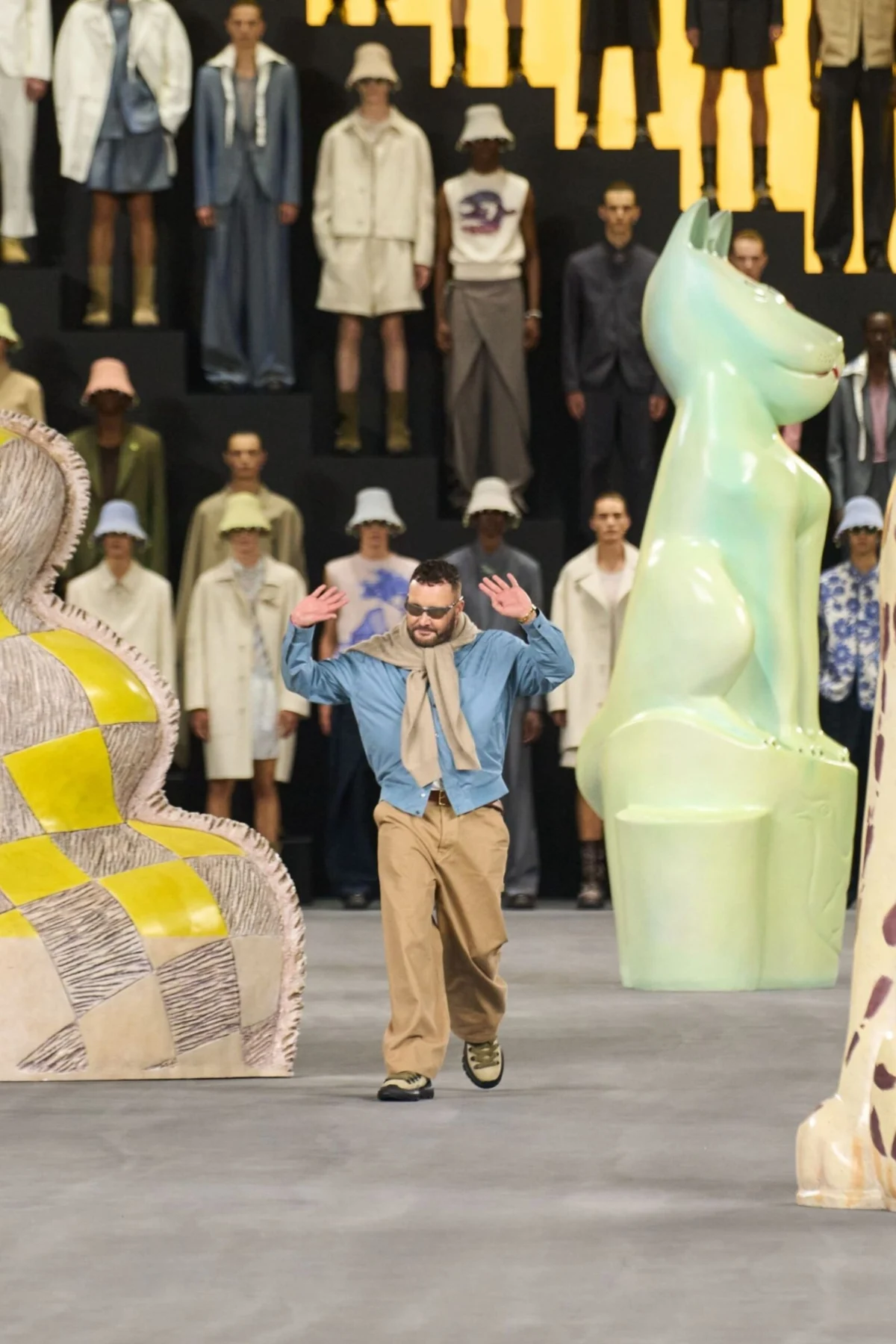
Widely regarded as one of the most influential forces in modern menswear, Kim Jones is launching his eponymous brand, a move that culminates years of transformative work at global luxury houses and signals a strategic pivot towards the dynamic Asian market. This highly anticipated venture will make its debut in a surprising yet deeply significant location: Hong Kong, a city increasingly asserting its place in the global luxury landscape. The announcement marks a pivotal moment for both the esteemed designer and the evolving luxury retail ecosystem in Asia.
A New Chapter: The Kim Jones Brand Emerges
The new Kim Jones label is set to launch in mid-2027 through its dedicated e-commerce platform, concurrently opening a flagship standalone store at Hong Kong’s ambitious Central Yards. This dual-pronged approach reflects a contemporary retail strategy, blending digital accessibility with a robust physical presence in a key global hub. Jones’s return to an independent label after a prolific career steering major luxury houses underscores a desire for unbridled creative expression. In a statement, Jones articulated his motivation: “After many years working with incredible houses and collaborators, it feels like the right moment to do something under my own name again. This brings together the things I’ve always been interested in — fashion, art and design — and gives me the space to work with people I admire and explore new ideas. I’m excited about what comes next.” This statement highlights a vision that transcends traditional fashion boundaries, promising a holistic creative platform that integrates diverse artistic disciplines.

The brand’s offerings will be characterized by a "broader wardrobe unrestricted by traditional categories," suggesting a fluid, genderless approach to design, a hallmark of modern luxury that appeals to an increasingly diverse global consumer base. Production will predominantly take place in Japan, renowned for its meticulous craftsmanship and innovative textile technologies, while leather goods will be crafted in Italy, leveraging its heritage in luxury leather artistry. The brand aims for a "considered price point," signaling an intention to occupy a specific, accessible niche within the luxury market, appealing to a wider demographic while maintaining quality and exclusivity. Beyond clothing, the brand’s release hints at Jones’s potential expansion into other creative mediums, aligning with his stated interest in fashion, art, and design. Following the initial launch, the brand plans to expand its reach with additional stockists across Asia and selected global retail partners, laying the groundwork for a comprehensive international presence.
Hong Kong: A Strategic Launchpad at Central Yards
The choice of Hong Kong, specifically the Central Yards development, as the initial physical retail location is a bold statement. Central Yards, an ambitious $8 billion mixed-use project spearheaded by property developer Henderson Land, is designed to redefine Hong Kong’s urban fabric. The first phase of this colossal undertaking is scheduled to open in October 2027, perfectly aligning with the Kim Jones brand’s physical store debut. Dubbed a "groundscraper," the development will stretch approximately 400 meters horizontally along the iconic Victoria Harbour, directly adjacent to the high-end shopping mall IFC, an established luxury retail destination. This prime location ensures maximum visibility and access to a discerning clientele, both local and international. Henderson Land is reportedly planning an event on October 13, 2027, to mark its 50 years in business, a potential occasion for further details regarding the partnership with Kim Jones to be unveiled.
While Hong Kong has traditionally been recognized more as a financial and trading hub, its strategic geographic and economic proximity to mainland China, coupled with historic cultural ties to the West, has positioned it as an indispensable gateway to the broader Asian market. This contrasts with established fashion capitals like Shanghai, Seoul, or Tokyo, which might seem more intuitive choices for a luxury fashion launch. However, Hong Kong’s recent initiatives, such as the restructured Hong Kong Fashion Fest, have actively fostered a growing local creative scene, laying a foundation for its emergence as a significant fashion player.

Kim Jones’s Deep-Rooted Connection to Asia
Jones’s decision to anchor his new brand in Asia is not an impulsive one but rather the culmination of a deeply personal and professional connection to the continent. In an October 2025 interview with the Financial Times, Jones emphatically stated, “Asia is the future.” This belief has consistently permeated his work throughout his tenure as creative director at revered European luxury houses, including Dior Homme and Fendi. At these houses, Jones masterfully blended their rich European heritage with Asian craftsmanship and cultivated high-profile regional collaborations. For instance, during his time at Dior, he partnered with prominent Asian creatives such as Japanese artist Hajime Sorayama and Korean-American designer Yoon Ahn. He also famously collaborated with K-pop sensation BTS, designing custom stage outfits for their world tour, marking an unprecedented moment for the French luxury house. Similarly, at Louis Vuitton, his collaboration with Hiroshi Fujiwara for the SS16 menswear show highlighted his engagement with Japanese street culture, and his historic partnership with Supreme during his tenure set a new blueprint for luxury streetwear collaborations that resonated profoundly with Asian youth. At Fendi, Jones’s haute couture collections, such as the FW22 show, incorporated traditional craftsmanship from Kyoto, Japan, further illustrating his commitment to integrating Asian artistry.
This deep engagement with Asia intensified following his departures from Fendi in 2024 and Dior Homme in 2025. Jones deliberately pivoted his career to focus on the East, seeking new consumer bases and fostering cultural exchanges through his creative platform, Kim Jones Studio. This strategic shift saw him collaborate with Chinese electric car manufacturer Avatr on a limited-edition Avatr 012 luxury sedan in 2024, signaling his interest in cross-industry innovation. In October 2025, he was appointed creative director of Areal, a sub-brand of Shanghai-based outerwear label Bosideng, a move that underscored his commitment to Chinese market engagement and technological advancement in fabrications. Last June, he unveiled his first capsule collection for Aman Essentials, the lifestyle and wellness brand associated with Aman’s ultra-luxurious hotels and resorts, many of which are located in Asia. These endeavors collectively paint a picture of a designer who views Asia not merely as a market, but as a fertile ground for innovation, collaboration, and creative growth.
Hong Kong’s Resurgent Luxury Market and Strategic Advantages

The timing of Jones’s launch capitalizes on Hong Kong’s robust economic recovery and its enduring status as a luxury consumption powerhouse. Following the challenges posed by the Covid-19 pandemic, Hong Kong’s retail sales have enjoyed a strong, multi-month recovery, as noted by Deloitte’s 2026 Hong Kong Retail Sales Forecast. This resurgence has been significantly propelled by high-spending tourism, a calendar of mega-events, and resilient demand for hard luxury items such as jewelry and watches.
Hong Kong remains a formidable wealth hub in Asia, consistently ranking high globally. The 2026 Julius Baer Global Wealth and Lifestyle Report placed Hong Kong fourth globally as the costliest city for wealthy individuals to "live well," and it is consistently listed as one of the most expensive housing markets in the world. This concentration of wealth translates directly into a powerful luxury consumer base. Kieran Ho, a veteran in the Hong Kong fashion industry, emphasizes this point: “Hong Kong remains the definitive strategic gateway to the Asian luxury market. We are currently witnessing a quality-of-life renaissance in the city; with Hong Kong recently securing top global rankings for the world’s best hotel and the world’s best bar, we are seeing a significant influx of high-net-worth travelers who are spending intentionally.”
Furthermore, Hong Kong offers unparalleled operational advantages. Ho highlights the "one country, two systems" framework, which positions the city as an ideal testing ground and launchpad for international companies and designers aiming to enter the vast mainland Chinese market, as well as a platform for broader regional expansion. “From a business perspective, Hong Kong’s infrastructure and unique tax position, specifically its status as a free port, make it an unparalleled experimental playground,” Ho asserts. This favorable business environment, coupled with a sophisticated consumer base, mitigates some of the perceived risks of entering the broader Asian market.
Jones himself possesses a longstanding personal and professional relationship with Hong Kong. During his tenure as creative director of the British tailoring brand Dunhill from 2008 to 2011, he spent significant time in the city, stating in the 2025 Financial Times interview that he “actually learned most of what [he] knows about the tailoring business here.” Hong Kong subsequently served as a major commercial hub for collections he designed for Louis Vuitton and Fendi. The city was even selected as the venue for the Dior Men’s Pre-Fall 2024 show, though it was ultimately postponed. These historical ties underscore Hong Kong’s intrinsic value to Jones’s career trajectory and strategic thinking.

Broader Trends: Western Luxury’s Eastward Gaze
Kim Jones is not alone in his strategic pivot towards Asia. This move is indicative of a broader industry trend where high-profile Western fashion designers are increasingly seeking opportunities in the East. In January 2026, Francesco Risso, the former creative director of Marni, became the creative director for casualwear brand GU, owned by Uniqlo’s parent company, Fast Retailing. Similarly, in September 2025, the Chinese fashion brand Icicle, part of the ICCF Group (which also owns French fashion label Carven), announced it had hired former Gucci designer Sabato de Sarno as its creative director.
These appointments reflect a significant shift in the global luxury paradigm. Asia, with its burgeoning middle class, digitally native consumers, and rapid technological advancements, represents the future of luxury consumption. Victoria Tang-Owen, co-founder and creative director of Victoria Tang Studio and Thirty30 creative, who advises Western figures on creative collaborations in China, affirms, “I think we are way past the point of questioning Asia as a luxury market. The designers who are committing to learning about the various Asian markets are the ones who are going to successfully navigate the next iteration of luxury consumption.” This sentiment is echoed by Justine Lee, a Hong Kong-based stylist and consultant, who notes that when designers expand into Asia, “it’s no longer just about fashion. They’re also partnering with brands at the forefront of technology and innovation.” She recalls Jones being "impressed by Bosideng’s advancements in fabrications" during his visit to Hong Kong, highlighting the region’s pioneering spirit in material science and production.
The Kim Jones Advantage: Cult Status and Youth Resonance

Kim Jones possesses a unique advantage in this landscape. He is widely credited with shaping modern menswear, moving away from the rigid, ultra-skinny silhouettes favored by predecessors like Hedi Slimane towards relaxed proportions that prioritize ease, movement, and a sophisticated integration of streetwear elements. This aesthetic has profoundly resonated with young consumers globally, particularly in Asia, where casual dressing, practical layering (to combat humid weather), and statement sneakers are pervasive on city streets from Hong Kong to Tokyo.
Jones himself is a cult figure, commanding a vast fanbase that few designers can rival. His continuous creative director changes and aggressive rebrands within the luxury sector have made it challenging for consumers to keep pace, but his individual brand equity remains exceptionally high. In Asia, his past collaborations—whether with BTS at Dior or Louis Vuitton’s groundbreaking partnership with Supreme—have struck a deep chord with the region’s youth, establishing him as a tastemaker with an innate understanding of contemporary culture. Kieran Ho aptly summarizes this influence: “Kim’s tenure at Louis Vuitton and Dior didn’t just set the blueprint for how Western luxury interacts with Eastern youth culture. His brand equity here is immense. Given his recent activity and collaborations in the region, Hong Kong is uniquely primed for this debut.” The Hong Kong Trade Development Council reports that the Asian fashion market is valued at over $730 billion, commanding over half the global market value, underscoring the immense potential Jones is tapping into.
Implications and Future Outlook for Hong Kong and Global Luxury
The Kim Jones brand launch is a significant coup for Central Yards and for Hong Kong’s burgeoning status as a luxury destination. While it remains unclear whether Henderson Land and Jones struck a special retail agreement—such as reduced base rents with a percentage of store sales or generous fit-out allowances, common incentives for high-profile tenants—the prestige and foot traffic generated by a designer of Jones’s caliber are invaluable. The second phase of Central Yards is expected to be completed in 2032, and the presence of such a prominent brand from its inception will undoubtedly elevate the development’s profile.

The launch also signifies a broader renewal within Hong Kong’s Central district. Justine Lee observes that the area is “going through quite a big refresh right now,” with numerous flagships under renovation, hinting at substantial luxury investment flowing into the city. “We’ll really get to see a new, refreshed face of Hong Kong starting in 2027,” Lee predicts, suggesting a transformative period for the city’s retail landscape. Victoria Tang-Owen adds that Hong Kong’s identity is “rooted in being makers,” a legacy of local factories and master tailors that built the city, making its current ecosystem possible. She notes that more international brands are looking to Hong Kong, and homegrown talents are also gaining global recognition, creating a vibrant, synergistic environment.
Kim Jones’s decision to launch his eponymous brand in Hong Kong is more than just a new business venture; it is a powerful statement about the shifting dynamics of the global luxury industry. It underscores Asia’s undeniable future as the epicenter of luxury consumption and innovation, and Hong Kong’s strategic importance as a sophisticated gateway to this vast and diverse market. By embracing the East with his new brand, Jones is not only charting a new course for his creative legacy but also setting a precedent for how Western luxury will engage with and thrive in the Asian century.
