
 By admin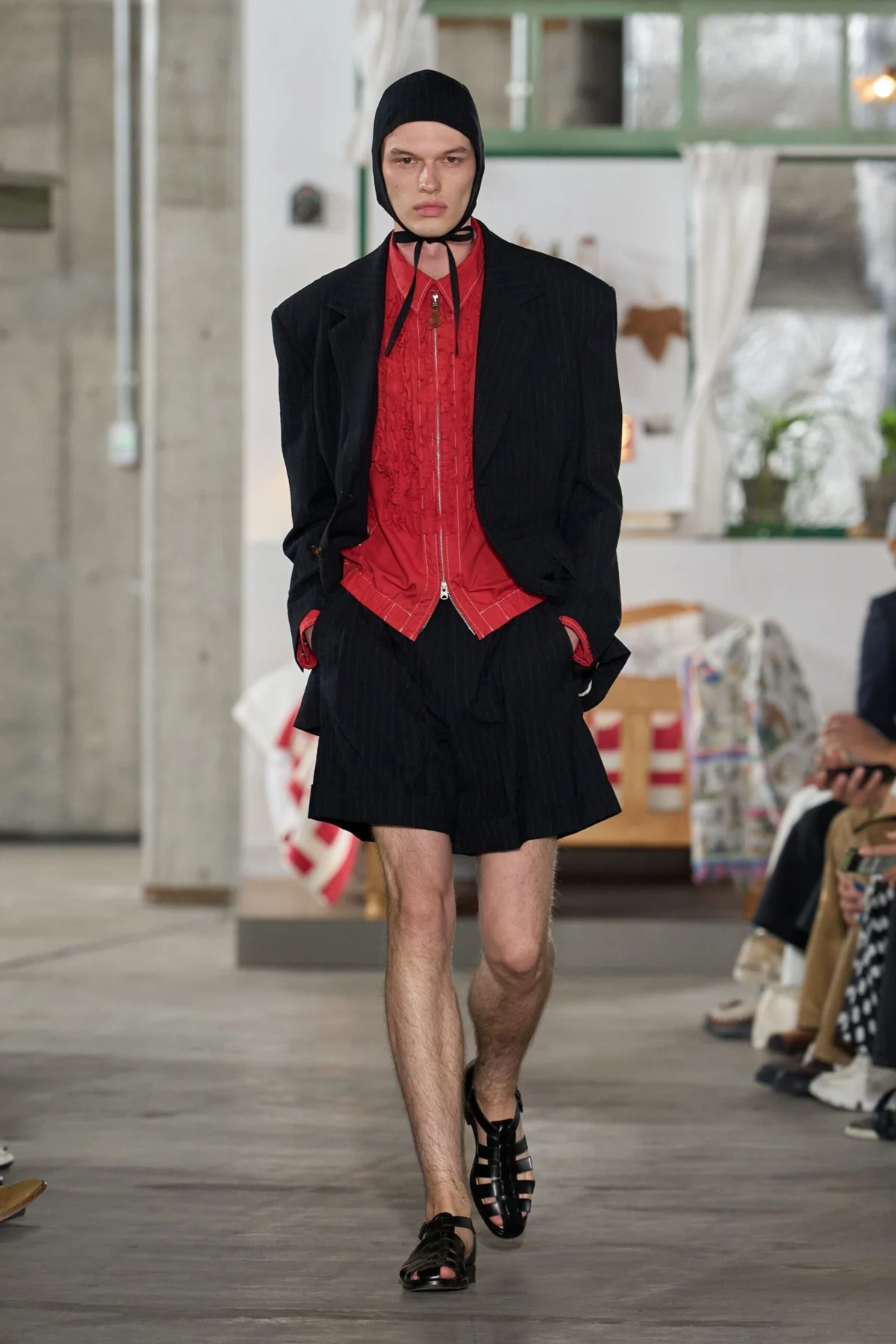
In a Tokyo Fashion Week that many industry observers noted as being more spatially dispersed and stylistically muted than in previous seasons, the menswear brand Khoki emerged as a definitive highlight, injecting a palpable sense of excitement and creative discourse into the schedule. The label, rapidly cultivating a dedicated cult following, staged its third full-scale runway presentation, benefiting significantly from the strategic support of Rakuten’s ByR initiative. This particular show not only underscored Khoki’s burgeoning influence within the contemporary menswear landscape but also served as a compelling testament to the efficacy of programs designed to uplift and spotlight promising Japanese design talent on both national and international stages.
Tokyo Fashion Week: Navigating a Shifting Landscape
Tokyo Fashion Week, officially known as Rakuten Fashion Week TOKYO (RFWT), has long been a vital platform for showcasing Japanese creativity and sartorial innovation. Traditionally held twice a year, it serves as a crucial barometer for local trends and a launchpad for designers aiming for global recognition. However, like many international fashion weeks, RFWT has faced evolving challenges in recent years. The global pandemic necessitated a pivot to digital formats, altering presentation dynamics and audience engagement. While a return to physical shows has largely occurred, the landscape remains fluid, with some established designers opting to show off-schedule or in more intimate settings, leading to a perception of a more subdued overall week. This context makes Khoki’s ability to generate significant "buzz" even more noteworthy, highlighting the brand’s inherent magnetism and the strategic execution of its presentation. The average number of participating brands in RFWT typically ranges from 40 to 50, but the distribution of impact and media attention can vary significantly, often gravitating towards shows that offer unique conceptual depth or strong commercial appeal. Khoki’s recent show managed to achieve both, resonating deeply with critics and buyers alike.
Rakuten’s ByR Initiative: Catalyzing Emerging Design
Khoki’s runway success was notably bolstered by its inclusion in Rakuten’s ByR initiative. Launched by the e-commerce giant Rakuten, the ByR (by R) program is an ambitious endeavor aimed at discovering, nurturing, and promoting emerging Japanese designers. The initiative provides comprehensive support, encompassing financial assistance, logistical expertise for runway shows, marketing and public relations amplification, and invaluable mentorship. The goal is to provide a robust infrastructure that allows creative talents to focus on their artistic vision without being overwhelmed by the commercial and operational complexities of launching a brand. This strategic investment by Rakuten underscores a broader commitment to strengthening the domestic fashion industry and enhancing Japan’s cultural influence globally. For a nascent brand like Khoki, such backing is transformative, offering the resources to execute a vision that might otherwise be financially or logistically prohibitive. The program’s previous successes include elevating other notable Japanese brands, establishing a precedent for its effectiveness in bridging the gap between artistic potential and commercial viability. Industry analysts often cite such corporate sponsorship as critical for the sustained growth and international competitiveness of regional fashion ecosystems.
The Immersive World of Khoki’s Show: A Journey into Memory
The chosen venue for Khoki’s third runway presentation was a sprawling concrete warehouse nestled in Tokyo Bay – a stark, industrial backdrop that, in typical fashion, served to amplify the unexpected intimacy and conceptual richness of the interior design. Within this austere shell, designer Koki Abe meticulously recreated elements from his family home in Yamanashi Prefecture, transforming the vast space into a series of highly detailed, almost hyper-real domestic vignettes. This elaborate stage design was far more than a mere backdrop; it was an integral narrative component, inviting attendees into a deeply personal and nostalgic world.
The show space featured replicas of rooms, adorned with an eclectic mix of household items and bric-a-brac from Abe’s childhood. These were not generic props; they were a carefully curated blend of authentic family heirlooms and meticulously chosen reproductions. Antique furniture pieces sat alongside vintage toys, evoking a sense of lived history and personal narrative. Critically, items like house slippers, arranged neatly at the entrance, and a crumpled T-shirt casually discarded in a laundry basket, provided a disarming level of authenticity. These seemingly mundane details served to ground the fantastical elements of the collection in a tangible, relatable reality. Abe himself emphasized the painstaking effort involved: “The whole production team visited [my home], and we recreated the layout, like how things were arranged on the tables, exactly as they were.” This dedication to verisimilitude created an almost voyeuristic experience for the audience, blurring the lines between private memory and public spectacle. Adding another layer of personal significance, the exterior wall of the recreated set was a faithful replica of the flower shop operated by Abe’s mother back home, further cementing the theme of personal origins and familial ties. This highly personal and immersive setting contrasted sharply with the often sterile and ephemeral nature of traditional fashion show venues, leaving a lasting impression on attendees and reinforcing Khoki’s unique brand identity.
A Journey Through Design: Evolution and Signature Elements
Khoki’s Spring/Summer collection presented a mature yet consistently imaginative progression of its design language, effectively addressing a past critique regarding the brand’s sometimes "vague" overall direction. This season, the collection showcased a refined articulation of Khoki’s aesthetic, building upon familiar touchpoints from previous seasons while introducing subtle yet impactful innovations. The brand demonstrated a clear trajectory towards establishing a distinctive and recognizable sartorial vocabulary.
Key elements from previous collections reappeared, reinterpreted with fresh perspectives. Knee-length shorts, a staple for the brand, were updated with sophisticated laser-cut hems, adding a contemporary edge to a classic silhouette. Gray pinstripe tailoring, a nod to traditional menswear, was reimagined with bulked-out shoulders, imparting a sense of exaggerated proportion and modern power. Relaxed-fit jeans featured strategically placed holes, through which peeked unexpected patches of leopard print and delicate broderie anglaise – a characteristic Khoki juxtaposition of raw masculinity with intricate, often feminine, detailing. Geometric prints, which had previously adorned shirts, were innovatively integrated into a paneled wrap skirt, paired unexpectedly with rich brown leather, showcasing a confident evolution in material and form. This iterative development, where signature motifs are consistently refined and recombined, is crucial for a brand to solidify its identity and cultivate a loyal following. It allows customers to recognize the brand’s DNA while anticipating fresh interpretations each season. This deliberate progression marks Khoki’s journey from an emerging talent to a brand with a clear, evolving narrative.
Theatricality, Androgyny, and Fantasy: Pushing Boundaries
Beyond its evolving design language, Khoki’s enduring magnetism stems from its collective team’s unwavering commitment to infusing an element of fun, fantasy, and theatricality into its presentations and garments. This season, this commitment was more pronounced than ever, particularly through the collection’s embrace of anachronistic androgynous flourishes. The show featured ruffled shirts, fitted corset jackets paired with sumptuous velvet opera gloves, and a doublet-style camo-print garment adorned with gold buttons and glittering trims. These pieces deliberately challenged conventional menswear norms, introducing elements traditionally associated with historical costume or womenswear into a contemporary male wardrobe.
Koki Abe himself shed light on this creative direction, stating, "I’ve been collecting vintage stage costumes as a personal hobby, and I thought adding them would make the show more interesting and theatrical, and give it some spice." This personal passion translated into a collection that blurred the lines between fashion and performance art. The inclusion of corsets, despite being menswear, and pieces inspired by military stage costumes underscored a desire to push aesthetic boundaries and invite viewers to reconsider established sartorial categories. Further emphasizing the theatrical and fantastical elements, models wore tights and catsuits printed with patterns reminiscent of old-fashioned floral wallpaper – a direct visual echo of the domestic setting, where a book by the iconic textile designer William Morris was strategically placed in one of the recreated "rooms." This detailed layering of visual references created a rich tapestry of historical and personal narratives. In a playful subversion of expectations, a leather-collared workwear jacket featured an image of Disney’s Dumbo, an unexpected pop-culture reference that added a layer of innocent charm and whimsical fantasy to the collection. This blend of historical grandeur, gender fluidity, and pop-cultural nods positions Khoki as a brand that is not merely designing clothes but crafting immersive, imaginative worlds.
Strategic Growth: Commercial Acumen and Womenswear Expansion
While Khoki’s runway shows are often celebrated for their conceptual depth and artistic expression, the brand also demonstrates a keen understanding of commercial viability. This season’s collection included several pieces poised to become best-sellers, most notably the intricately designed patchwork jackets seen in looks 10 and 19. These pieces exemplify the brand’s ability to translate its unique aesthetic into garments that resonate with a broader consumer base, balancing avant-garde elements with wearability. The strategic inclusion of such commercially appealing items is crucial for sustainable growth, allowing the brand to capitalize on its increasing visibility and cult status.
A particularly significant development observed this season was Khoki’s notable effort to expand its offerings into womenswear. While primarily known for its menswear, the subtle integration of pieces and styling cues appealing to a female audience signals a strategic move towards a more inclusive market presence. This expansion is not merely about increasing sales but also about affirming the brand’s inherently gender-fluid aesthetic, allowing a wider demographic to engage with its distinctive design philosophy. By consciously broadening its appeal, Khoki positions itself for greater market penetration and long-term brand building, moving beyond a niche menswear label to a more comprehensive lifestyle brand. This strategic pivot aligns with global trends in fashion, where traditional gender boundaries are increasingly dissolving, and consumers seek versatility and individual expression regardless of conventional classifications.
Symbolism and Aspiration: The Dumbo Narrative
The show culminated in a powerful symbolic statement, encapsulated by the Dumbo motif and its accompanying message. The image of Disney’s Dumbo, the famous flying elephant, prominently featured on a leather-collared workwear jacket, served as a poignant visual metaphor. Beneath this iconic character were the uplifting words of encouragement spoken by Timothy Q. Mouse as Dumbo prepares for flight: "You’re Makin’ History." This particular detail resonated deeply, drawing a parallel between Dumbo’s journey of self-discovery and triumph over adversity, and Khoki’s own trajectory within the competitive fashion industry.
The message "You’re Makin’ History" can be interpreted as a direct affirmation of Khoki’s impact and a hopeful declaration of its future potential. It speaks to the brand’s burgeoning influence, its ability to challenge norms, and its aspiration to leave a lasting mark on the fashion world. For Koki Abe and his collective, it likely represents a recognition of their dedication and the unique narrative they are weaving through their designs. In a broader context, it also serves as an inspiring message for emerging designers in general, emphasizing the power of creativity, perseverance, and daring to dream big. This thoughtful integration of pop culture, personal narrative, and aspirational messaging provided a memorable and emotionally resonant conclusion to the show, leaving attendees with a sense of optimism and excitement for Khoki’s continued evolution.
Khoki’s Trajectory and Future Outlook
Khoki’s latest presentation at Tokyo Fashion Week cemented its position as a serious contender and a brand to watch. The combination of a deeply personal and immersive show concept, a refined yet imaginative collection, and a clear strategic vision for growth suggests a brand that is maturing gracefully without sacrificing its inherent spirit of playfulness and fantasy. The celebratory atmosphere that permeated the post-show mingling reflected the overwhelmingly positive reception from critics, buyers, and fellow designers. This level of industry recognition and positive sentiment is invaluable for a relatively young brand.
Looking ahead, Khoki is well-positioned to further expand its influence. Its unique blend of commercial appeal and avant-garde artistry resonates with a global audience increasingly seeking authenticity and narrative in their fashion choices. The continued support from initiatives like Rakuten’s ByR will undoubtedly provide the necessary infrastructure for sustained growth, allowing Khoki to explore new avenues for creative expression and market expansion. The brand’s commitment to pushing boundaries in menswear, coupled with its strategic foray into womenswear, indicates a proactive approach to evolving market demands.
Broader Implications for Japanese Fashion
Khoki’s success story holds broader implications for the Japanese fashion industry and Tokyo Fashion Week itself. In an era where global fashion weeks compete for attention and talent, the emergence of strong, distinct voices like Khoki is crucial. It reaffirms Tokyo’s status as a hub of innovation and creativity, capable of fostering brands that can captivate both local and international audiences. The positive attention generated by Khoki’s show serves as a powerful advertisement for the vibrancy of Japanese design.
Furthermore, the effectiveness of Rakuten’s ByR initiative, exemplified by Khoki’s trajectory, highlights the vital role of corporate patronage in nurturing creative industries. Such programs are essential for ensuring a pipeline of fresh talent and for maintaining the cultural relevance and economic contribution of the fashion sector. As the industry continues to navigate challenges posed by globalization, digitalization, and sustainability demands, the ability to produce brands that are both artistically compelling and commercially astute will be paramount. Khoki, with its blend of nostalgic intimacy, theatrical flair, and strategic growth, stands as a beacon of this evolving landscape, demonstrating that originality, when supported effectively, can indeed make history.
