
 By admin
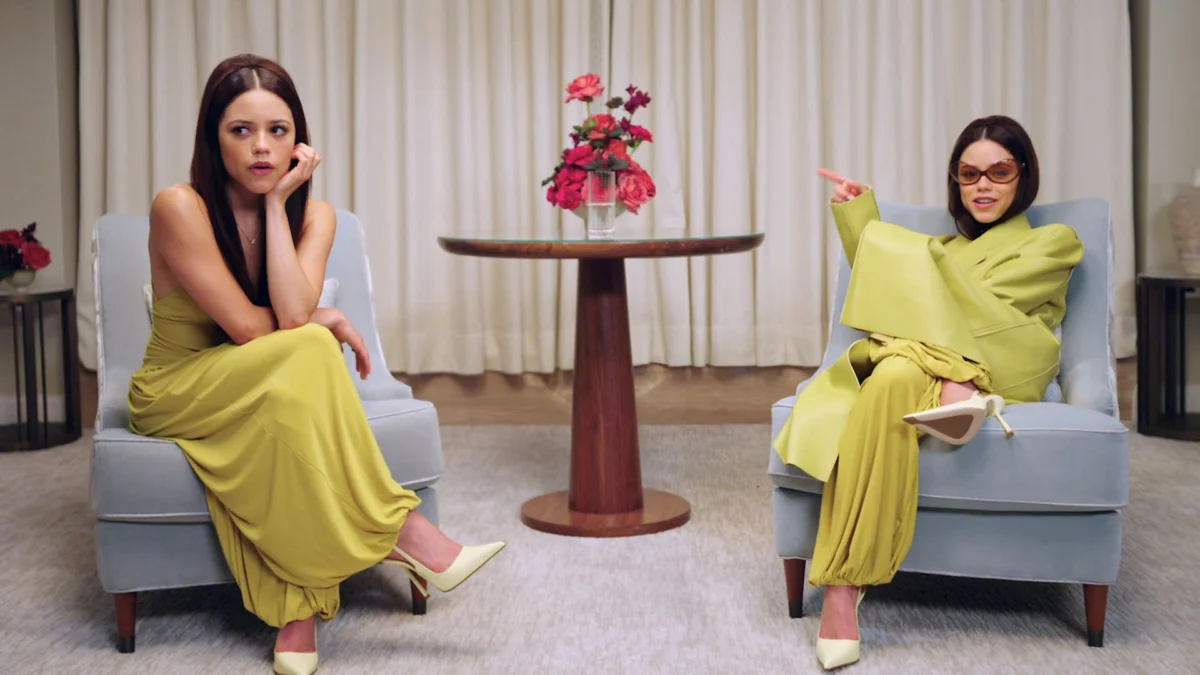
The intricate landscape of celebrity media often presents a carefully curated facade, but a recent digital feature accompanying Vogue‘s November cover story on actress Jenna Ortega has offered an unusually candid glimpse into the internal world of one of Hollywood’s rising stars. In a novel and highly conceptual video, Ortega, known globally for her titular role in Netflix’s Wednesday, engages in a literal one-on-one conversation with her own inner voice, exploring themes of self-criticism, public image, and personal vulnerability. This innovative approach by Vogue not only spotlights Ortega’s unique persona but also signifies a broader trend in media towards authentic, introspective celebrity portrayals that resonate deeply with contemporary audiences.
The Concept: A Dialogue with the Self
The video, a pivotal component of Vogue‘s comprehensive November cover package, deviates sharply from traditional celebrity interview formats. Instead of answering questions posed by an external interviewer, Ortega is shown interacting directly with an unseen, yet audibly present, manifestation of her internal monologue. This "inner self," as described in the accompanying article, serves as a critical, sometimes empathetic, but always frank commentator on Ortega’s thoughts, actions, and public perception. This creative conceit effectively externalizes a universal human experience: the constant, often unsolicited, internal dialogue that shapes our self-perception and decision-making.
Psychologically, the concept of an "inner voice" or "self-talk" is well-documented. It encompasses the stream of thoughts, feelings, and beliefs that run through an individual’s mind, influencing everything from mood to performance. For public figures like Ortega, this internal monologue can be particularly intense, often amplified by external scrutiny and the pressures of maintaining a public image. The video’s premise, therefore, taps into a relatable aspect of the human condition, making Ortega’s experience accessible and empathetic to a wide audience. The inner voice challenges Ortega on various fronts, from her preparation methods for acting roles – "When I prepare for a scene, I just think of every embarrassing thing that you’ve ever done, because there’s a lot," the inner self remarks – to her distinctive sense of style and even her emotional responses, such as her tendency to cry when fatigued. This unflinching honesty, filtered through the personification of her self-criticism, provides a raw and unfiltered look at the mental landscape of a successful young actress.
Jenna Ortega’s Ascendancy and Public Persona
Jenna Ortega’s journey to becoming Vogue‘s November cover star is a testament to her burgeoning career and significant cultural impact. Born on September 27, 2002, Ortega began her acting career at a young age, gaining recognition for roles in Disney Channel’s Stuck in the Middle and the Netflix thriller You. However, it was her portrayal of Wednesday Addams in Tim Burton’s 2022 Netflix series Wednesday that catapulted her to global superstardom. The series became one of Netflix’s most-watched shows, with Ortega’s deadpan delivery, gothic aesthetic, and iconic dance sequence sparking a global phenomenon.
Beyond her acting prowess, Ortega has cultivated a distinct public persona characterized by a blend of dark romanticism, authenticity, and a refreshingly direct communication style. She has become a fashion icon, often seen embracing a sophisticated yet edgy aesthetic that mirrors her on-screen character’s allure while maintaining her individual flair. Her influence extends beyond entertainment, with a significant social media presence that often sees her engaging with fans on topics ranging from mental health to social justice. This confluence of talent, style, and genuine engagement has made her a compelling figure in contemporary culture, precisely the kind of star Vogue seeks to feature on its coveted covers. The November cover feature and accompanying video serve to further solidify her status not just as an actress, but as a cultural touchstone capable of sparking meaningful conversations. Her willingness to participate in such an unconventional and vulnerable format underscores her commitment to authenticity, a quality highly valued by younger demographics.
Vogue’s Evolving Digital Strategy and Content Innovation
Vogue, a cornerstone of fashion and lifestyle journalism since its inception in 1892, has continually adapted its publishing strategy to remain relevant in an ever-evolving media landscape. In recent years, the publication has significantly invested in its digital platforms, transforming its website and YouTube channel into dynamic hubs for celebrity interviews, behind-the-scenes content, fashion tutorials, and unique narrative features. The "73 Questions" series, where celebrities answer rapid-fire questions in their homes, became a viral sensation, setting a new standard for intimate celebrity access.
The Jenna Ortega "inner voice" video represents a further evolution of this digital strategy. It moves beyond the observational format of "73 Questions" to a more conceptual and interactive narrative, demonstrating Vogue‘s commitment to innovative storytelling. By commissioning a video that delves into the psychological underpinnings of celebrity, Vogue not only provides exclusive content but also positions itself at the forefront of cultural commentary, using its platform to explore deeper human experiences through the lens of high-profile personalities. This approach aligns with broader industry trends where digital video content is increasingly crucial for audience engagement, especially among younger demographics who consume media primarily through platforms like YouTube and TikTok. Such creative projects help Vogue maintain its authoritative voice while expanding its reach beyond traditional print readership. The production values evident in the video, from direction to cinematography, underscore Vogue‘s commitment to quality across all its media offerings, ensuring that even experimental formats meet the brand’s high standards.
Behind the Scenes: Crafting the Narrative and Production Excellence
The creation of such a nuanced and visually engaging piece requires a significant collaborative effort, and the production credits listed by Vogue highlight the extensive team involved. Director Emily McDonald and Director of Photography Niall Kenny spearheaded the visual execution, tasked with bringing the abstract concept of an inner voice to life in a tangible, cinematic way. Their work is complemented by Editor Evan Allan, who skillfully weaves together Ortega’s performance with the implied presence of her inner critic, shaping the narrative flow and emotional arc of the video.
The production team, including Producer Rashida Josiah and Associate Producer Anisa Kennar, alongside a comprehensive crew covering camera operation, lighting (Gaffer Joe Nkadi), and audio (Liam Charles-Pellegrini), ensured the smooth execution of the shoot. The choice of Claridge’s, a renowned luxury hotel, as the filming location adds a layer of sophisticated elegance, contrasting with the intimate and often self-deprecating nature of Ortega’s internal dialogue. The opulent setting provides a visually rich backdrop that elevates the overall aesthetic, reinforcing Vogue‘s brand image of aspirational luxury, even when dealing with deeply personal themes. The meticulous attention to detail extends to Ortega’s styling, makeup, and hair, handled by Stylist Enrique Melendez, Makeup Artist Melanie Inglessis, and Hairstylist Cesar Deleon Ramirez, respectively. Their contributions are integral to crafting Ortega’s on-screen presence, ensuring she looks polished and iconic even while discussing her vulnerabilities. The extensive post-production team, led by Supervising Editor Kameron Key and Post Production Supervisor Alexa Deutsch, further refined the video, demonstrating the multi-layered process involved in delivering a high-caliber digital asset. This detailed breakdown of credits serves as a reminder of the significant human and creative capital invested in producing content that appears effortlessly engaging.
The Dialogue’s Resolution: A Detente with the Self
The video’s narrative arc culminates in a "detente" between Ortega and her inner self. This resolution, while not explicitly detailing the terms of their truce, suggests a moment of acceptance or understanding. The inner voice, initially critical and probing, eventually expresses satisfaction, with one party proclaiming, "I think that this has gone pretty well." This implied harmony is a powerful message about self-acceptance and the ongoing journey of navigating one’s internal critics. For Ortega, a public figure constantly under scrutiny, reaching such a detente, even symbolically, speaks to the maturity and self-awareness required to thrive in a demanding industry.
This ending resonates with audiences because it offers a glimmer of hope and relatability. Many individuals grapple with self-doubt and criticism, and witnessing a celebrity openly acknowledge and navigate these internal struggles can be incredibly validating. It humanizes Ortega beyond her on-screen roles and red-carpet appearances, presenting her as a complex individual who, like everyone else, is striving for internal peace and self-understanding. The video, therefore, transcends mere entertainment, becoming a commentary on mental wellness and the importance of fostering a constructive relationship with one’s inner voice.
Broader Implications: Authenticity, Celebrity, and the Digital Age
The Vogue feature with Jenna Ortega carries several significant implications for the entertainment industry, celebrity culture, and digital media. Firstly, it reinforces the growing demand for authenticity from public figures. In an age of pervasive social media and instant information, audiences are increasingly savvy about distinguishing genuine expression from manufactured personas. Videos like Ortega’s, which dare to expose vulnerability, are highly valued for their perceived honesty and courage. This trend encourages other celebrities and media outlets to explore more unconventional and authentic storytelling formats.
Secondly, it highlights the power of digital platforms, particularly YouTube, as primary vehicles for long-form, narrative-driven content that complements traditional print journalism. Vogue‘s success in this arena demonstrates how legacy media brands can innovate and expand their reach by embracing new technologies and creative approaches. The accessibility of such content also allows for broader global engagement, extending the reach of Vogue‘s influence beyond its traditional readership.
Finally, the video contributes to a larger cultural conversation about mental health and self-acceptance. By externalizing the internal dialogue, the feature normalizes the experience of self-criticism and implicitly encourages introspection and self-compassion. For young fans of Ortega, witnessing their idol engage with her inner voice in such a direct manner can be an empowering experience, fostering a greater understanding of their own mental landscapes. This kind of content, while entertaining, also serves an educational and destigmatizing function, subtly promoting a more open dialogue about the challenges of self-perception in an increasingly public world.
In conclusion, Jenna Ortega’s Vogue November cover feature, particularly the innovative video where she confronts her inner voice, represents a landmark moment in celebrity journalism. It expertly blends high fashion with profound introspection, leveraging Ortega’s star power to explore universal themes of self-criticism and authenticity. Through cutting-edge production and a conceptually rich narrative, Vogue has not only delivered compelling content but has also set a new standard for how celebrities can engage with their public image in the digital age, proving that true resonance often comes from embracing vulnerability and the complex internal dialogues that define us all.
