
 By admin
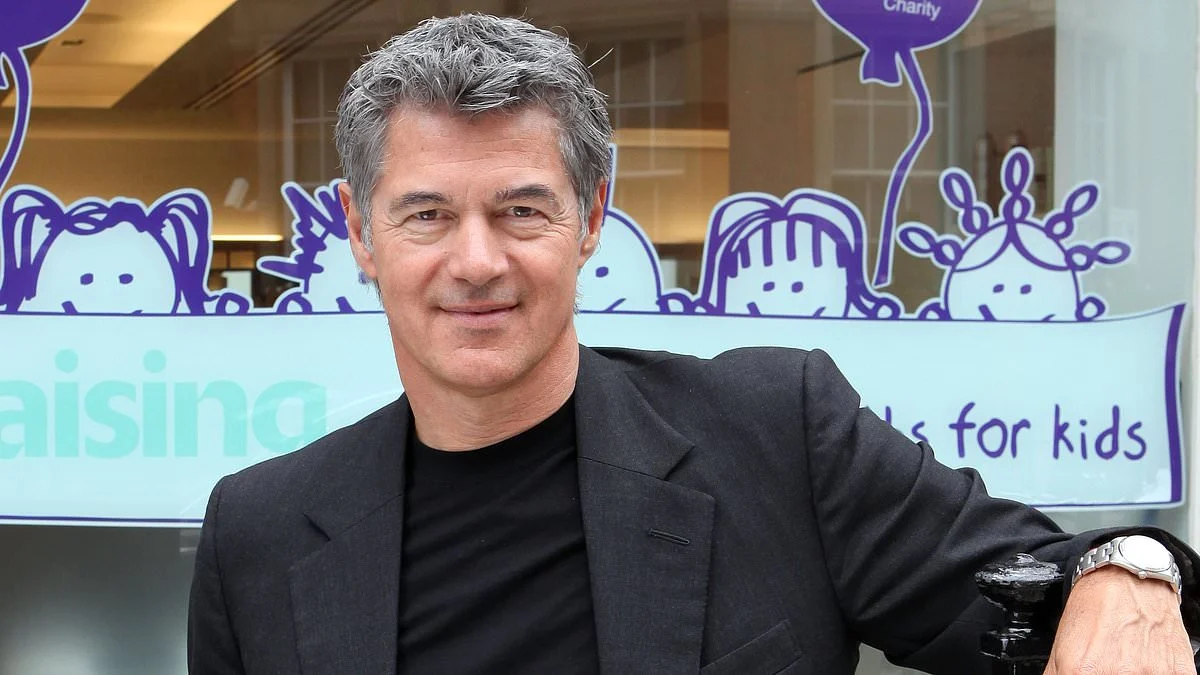
John Frieda, the visionary British hair stylist and entrepreneur who revolutionized the global beauty market with his eponymous hair care empire, has died at the age of 75. The news of his passing was confirmed via a statement released on his official social media channels on Tuesday evening, noting that he died peacefully surrounded by his family. Frieda, whose name became synonymous with salon-quality products accessible to the masses, was a central figure in the beauty industry for over five decades, transitioning from a high-profile celebrity stylist in London to one of the most successful business leaders in the United Kingdom.
The announcement of his death has prompted a wave of tributes from the industry he helped shape. The statement shared by his team characterized Frieda not merely as a business leader but as a transformative mentor. "John was more than a mentor to us; he was a true icon of the hair industry," the tribute read. "He was the person who taught us everything, believed in us, and made us better. His talent and passion touched so many, and his legacy will live on in every single one of us."
The Early Years and the Rise of a Stylist
Born in London in 1951, John Frieda was destined for a career in the hair industry. His father, Isidore Frieda, was a successful salon owner, providing John with early exposure to the craft. Frieda was privately educated at King’s School in Harrow, but his interest in the family trade saw him working part-time in his father’s salon while still a student. This foundational period allowed him to develop a technical understanding of hair texture and the chemistry of styling, which would later become the cornerstone of his business philosophy.
By his mid-20s, Frieda had established himself as a formidable talent in the London salon scene. He opened his first flagship salon in the 1970s, quickly attracting a clientele that included some of the most influential figures of the era. His ability to create modern, manageable looks made him a favorite among the elite, but it was his move into product development that would eventually secure his place in the annals of business history.
The Innovation of Frizz Ease and Brand Expansion
Frieda’s primary contribution to the beauty industry was the insight that hair care should be prescriptive rather than generic. In the 1980s and early 1990s, most commercial shampoos and conditioners were marketed as "one size fits all." Frieda challenged this paradigm by identifying specific hair concerns that were not being addressed by existing products.
In 1988, he launched John Frieda Professional Hair Care Inc., and shortly thereafter, introduced the product that would change the industry: Frizz Ease. At a time when the "big hair" trends of the 1980s were giving way to the sleeker looks of the 1990s, Frizz Ease offered a solution for managing unruly hair textures. The serum became a global sensation, effectively creating a new category in the retail hair care market.
Following the success of Frizz Ease, Frieda expanded the brand’s reach by targeting specific hair colors. The "Sheer Blonde" range, launched in the late 1990s, was a breakthrough in the industry. It was formulated not just to clean hair, but to brighten and enhance blonde tones, addressing the specific chemical needs of color-treated hair. This was followed by the "Brilliant Brunette" and "Radiant Red" lines. Heather Warnke, a long-time director of marketing for the brand, noted that Frieda’s insistence on categorizing hair types by color was a revolutionary step that forced competitors to rethink their own formulations.
The £260 Million Sale and Economic Legacy
The commercial success of the John Frieda brand culminated in one of the most significant acquisitions in the beauty sector. In 2002, Frieda sold his company to the Japanese consumer goods giant Kao Corporation for approximately £260 million ($450 million at the time). The sale did not end Frieda’s involvement in the industry; rather, it cemented his status as a titan of British business.
Even after the sale, the brand continued to grow under the Kao umbrella, maintaining the "John Frieda" name and the founder’s core philosophy of innovation. By 2025, Frieda’s personal fortune and the continued success of his business ventures saw him ranked fourth on the list of the United Kingdom’s wealthiest beauty industry leaders. He shared this elite status with other modern icons such as makeup mogul Charlotte Tilbury and the founders of major retail chains like The Fragrance Shop. His financial success served as a blueprint for other stylists looking to transition from the salon floor to the corporate boardroom.
Personal Life and High-Profile Connections
Beyond his business acumen, John Frieda was a fixture in British popular culture, largely due to his high-profile marriage to the Scottish singer and actress Lulu. The pair married at the Hampstead Register Office in October 1976, a union that brought together two of the most recognizable figures in the London creative scene. During their marriage, which lasted until 1992, they had one son, Jordan Frieda, who would later pursue a career in acting and the hospitality industry.
The divorce from Lulu was a significant event in the tabloid history of the early 90s. Lulu later described the separation as "excruciating," reflecting on the deep personal impact of the split. Despite the end of the marriage, both remained influential figures in their respective fields, and Frieda’s reputation as a "stylist to the stars" only grew.
Among his most notable clients was Diana, Princess of Wales. Frieda’s work with the Princess contributed to some of her most iconic looks during the 1980s, a period when her style was scrutinized and emulated by millions of women worldwide. His ability to maintain the privacy of his royal and celebrity clients while building a public-facing brand was a testament to his professional discretion and personal charm. Other long-term clients included actress Joanna Lumley, who remained a friend and advocate of his work for decades.
A Chronology of Achievement
The trajectory of John Frieda’s career reflects the broader evolution of the British beauty industry:
- 1951: Born in London to Isidore and Hannah Frieda.
- 1970s: Begins his professional career, training under his father and eventually opening his own salon in London.
- 1976: Marries pop superstar Lulu in a high-profile ceremony.
- 1988: Establishes John Frieda Professional Hair Care Inc. in the United States, seeking to bring salon-quality chemistry to the retail market.
- 1990: Launches Frizz Ease, which becomes a cult product and a staple of the 1990s beauty aesthetic.
- 1992: Divorces Lulu; continues to expand his business presence internationally.
- 1998: Introduces the "Sheer Blonde" range, pioneering the concept of color-specific hair care.
- 2002: Sells the John Frieda brand to Kao Corporation for £260 million, marking one of the largest beauty acquisitions of the decade.
- 2010s–2020s: Continues to act as a consultant and industry elder statesman, while his brand expands into new markets including South America and Asia.
- 2025: Recognized as one of the top five wealthiest individuals in the UK beauty industry.
- 2026: Passes away at age 75, leaving behind a global legacy.
Industry Impact and Analytical Perspective
The death of John Frieda marks the end of an era for the "founder-stylist" model. Analysts suggest that Frieda was instrumental in shifting the power dynamic of the beauty industry. Before Frieda, large conglomerates dictated trends. Frieda proved that a stylist with a deep understanding of the consumer’s daily struggles—specifically frizz and color maintenance—could build a global empire from the ground up.
His impact on the retail landscape is equally significant. By placing high-performance serums and specialized shampoos in drugstores and supermarkets, he "democratized" luxury hair care. Today, the "premium-mass" category of beauty products, which sits between budget brands and high-end department store lines, owes its existence largely to the success of the John Frieda brand.
Furthermore, Frieda’s focus on the "science of hair" helped move the conversation away from purely aesthetic marketing toward functional benefits. This shift paved the way for the contemporary "skinification" of hair care, where consumers look for active ingredients and targeted treatments.
Tributes and Final Farewells
As news of his passing spreads, the global beauty community has begun to reflect on Frieda’s contributions. Industry peers have noted his rare combination of artistic talent and commercial foresight. The Instagram tribute from his company concluded with a poignant message: "Our thoughts are with John’s family and everyone who loved him. Rest in peace, John. You will be forever in our hearts."
Frieda is survived by his son, Jordan, and his extended family. While the brand that bears his name continues to operate as a multi-million-pound entity under the Kao Corporation, the loss of the man behind the label is felt as a profound shift in the landscape of British entrepreneurship. John Frieda did not just style hair; he engineered a way for millions of people to manage their identity through their appearance, leaving an indelible mark on both the mirror and the marketplace.
