
 By admin
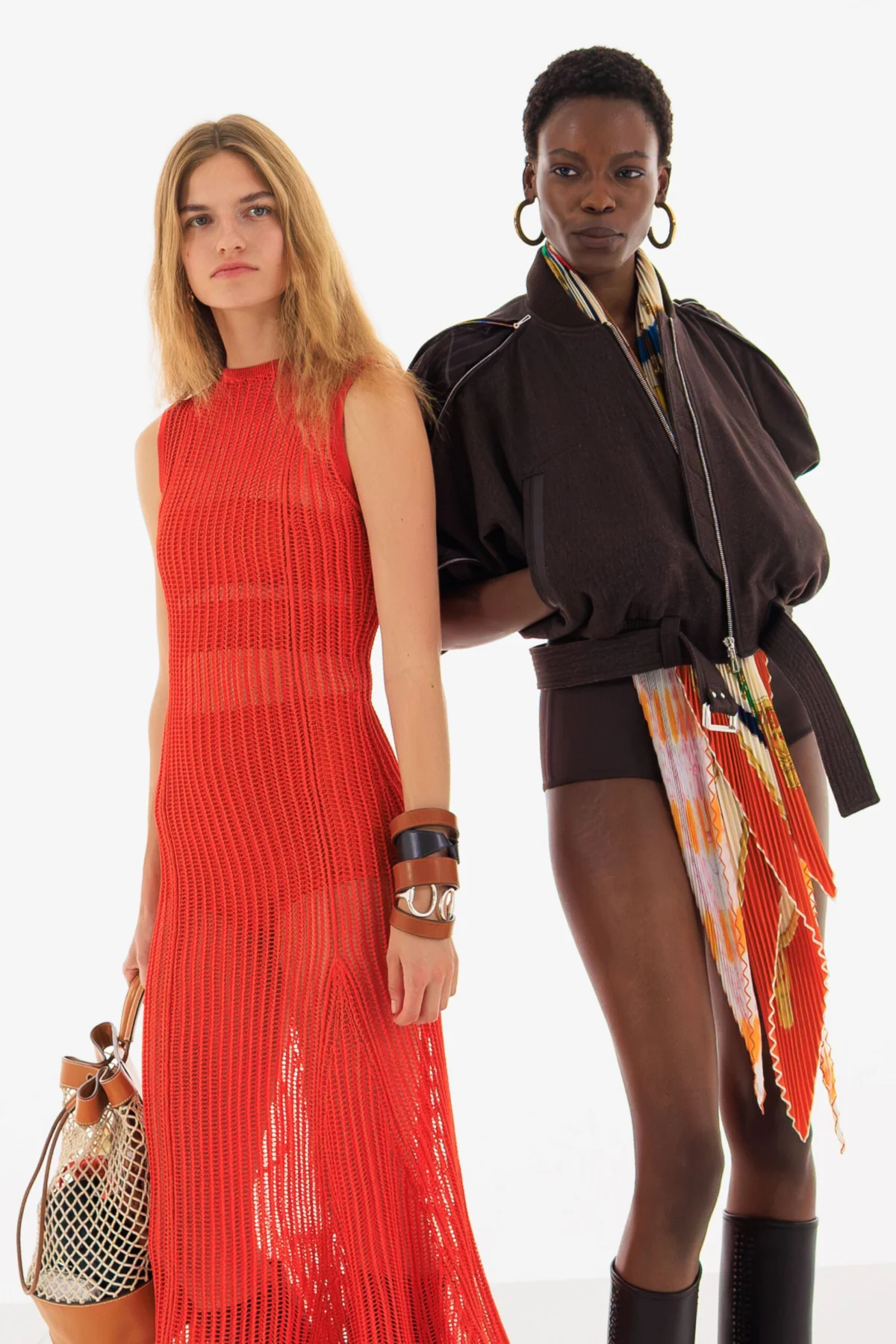
Hermès International, the Parisian purveyor of luxury goods, reported a notable deceleration in its third-quarter 2026 sales growth, signaling a potentially more challenging environment for the high-end sector. For the three months ending September 30, 2026, the company recorded sales of €4 billion, marking an increase of 4.3% at constant exchange rates. This figure fell below market expectations, which had anticipated a growth rate of 5.2%, and represents a significant slowdown from the 6.7% growth achieved in the second quarter of the same year. The results underscore a period of increasing complexity for luxury brands, as macroeconomic headwinds and shifting consumer behaviors begin to temper the robust growth seen in previous periods.
Management Commentary on Resilience and Long-Term Vision
Despite the observed deceleration, Hermès executive chair Axel Dumas projected a tone of steadfast confidence and strategic resolve. In a statement accompanying the earnings release, Dumas affirmed, “Despite a complex environment, Hermès continues its profitable growth and maintains its course.” His remarks emphasized the enduring strength of the brand’s foundational principles. “Convinced of the strength and relevance of our artisanal model, we see our vision as firmly rooted in the long term, and we look to the future with confidence.” This assertion highlights Hermès’ distinctive business philosophy, which prioritizes meticulous craftsmanship, exclusivity, and a deliberate pace of expansion over rapid market saturation, a strategy that has historically provided a degree of insulation from broader economic fluctuations.
Dumas further elaborated on forthcoming creative initiatives designed to invigorate key product categories and sustain the brand’s momentum. “It is with great enthusiasm that we prepare for a new year rich in creation, with the first men’s ready-to-wear collection signed by Grace Wales Bonner and the introduction of couture by Nadège Vanhée next January.” These strategic appointments and collections are poised to inject fresh artistic vision into the brand’s offerings, particularly in segments that experienced a downturn in the recent quarter, and reinforce Hermès’ commitment to creative innovation alongside its heritage.
Regional Performance: Pockets of Strength and Areas of Concern
The third-quarter results presented a varied geographical landscape, with strong performances in certain key markets offsetting stagnation and declines elsewhere. Growth was notably robust in the Americas, where sales climbed by 8.8%, reflecting continued demand from discerning consumers in North and South America. Japan also emerged as a significant growth driver, reporting an impressive 9.6% increase, a testament to the strong affinity for Hermès’ products within the affluent Japanese market and possibly a beneficial exchange rate environment. Europe, a traditionally strong market for luxury, contributed steadily with a 7.2% rise in sales, indicating sustained local demand and a rebound in tourism across the continent.
However, the picture was less sanguine in other critical regions. Asia-Pacific, excluding Japan, reported flat sales performance, a development that aligns with broader industry trends signaling a sequential deceleration in the vital Chinese luxury market. This stagnation in a region historically crucial for luxury growth underscores the impact of China’s economic uncertainties, including challenges in its property sector and fluctuating consumer confidence. Other regions, encompassing the Middle East and Africa, experienced a decline of 4.5%, suggesting localized economic pressures or shifts in consumer spending priorities in these diverse markets. The uneven regional performance underscores the fragmented nature of the global luxury market in 2026, where localized economic conditions and geopolitical factors play an increasingly significant role in shaping demand.
Category Performance: Leather Goods Anchor, Other Divisions Face Headwinds
A granular examination of sales by product category reveals a distinct divergence in performance, highlighting the enduring strength of Hermès’ core business while exposing vulnerabilities in other segments. Leather goods and saddlery, the bedrock of the Hermès empire, demonstrated remarkable resilience and reacceleration, with sales surging by 10.8% to reach €1.91 billion. This robust growth in its signature category, which includes iconic handbags like the Birkin and Kelly, underscores the brand’s unparalleled pricing power, the continued allure of its most exclusive items, and the effective management of its supply chain to meet persistent high demand. The exceptional craftsmanship and limited availability inherent in these products often shield them from wider economic pressures, positioning them as investment pieces for many clients.
Conversely, several other categories experienced significant headwinds. Ready-to-wear and accessories, a segment critical for fashion relevance and broader market appeal, saw a 2% decline in sales, settling at €1.14 billion. This contraction is particularly noteworthy given the upcoming creative injections from Grace Wales Bonner and Nadège Vanhée, suggesting that the current offerings may have struggled to capture consumer interest amidst evolving fashion trends or a more cautious spending environment for non-core luxury items. Other business sectors, a diverse category including jewelry and homeware, also recorded a slight decrease of 1.1% to €486 million. The watchmaking division faced a more pronounced challenge, with sales plummeting by 6% to €125 million, reflecting a broader slowdown in the luxury watch market which has been observed across the industry. Silk and textiles, often a bellwether for aspirational luxury purchases, posted a modest increase of 1.4% to €214 million, indicating some sustained interest but without the vigor seen in leather goods. On a positive note, the perfume and beauty segment continued its upward trajectory, achieving a healthy 7.5% rise in sales to €128 million, highlighting the accessibility and consistent appeal of these entry-level luxury products.
Broader Luxury Market Context and Analyst Perspectives
The deceleration reported by Hermès is not an isolated incident but rather indicative of broader challenges sweeping across the global luxury sector in late 2026. Analysts had widely predicted that the third-quarter luxury earnings season would be challenging, primarily due to a sequential deceleration in China. These predictions have largely materialized, with several major luxury conglomerates reporting subdued results. The macroeconomic landscape, characterized by persistent inflation, rising interest rates, and geopolitical uncertainties, has begun to temper the exuberant post-pandemic spending spree that propelled luxury sales to unprecedented heights. Consumers, particularly in aspirational luxury segments, are becoming more discerning, and high-net-worth individuals are exhibiting greater caution in certain discretionary spending categories.
Competitive analysis further contextualizes Hermès’ performance. LVMH Moët Hennessy Louis Vuitton, the world’s largest luxury group, had previously reported a 5% sales decrease in its fashion and leather goods division for Q3, signaling a significant shift from prior periods of robust growth. Similarly, Moncler, the Italian luxury outerwear brand, saw its brand revenues fall by 1% in the third quarter. These comparative figures suggest that the slowdown is systemic, affecting even the most dominant players. Investors and market observers are now keenly awaiting further insights from other luxury titans, with Kering, Prada, and Zegna scheduled to report their Q3 earnings on Thursday, followed by Richemont on November 13. The collective performance of these industry giants will provide a clearer picture of the luxury market’s trajectory as it heads into the crucial holiday season and the new year.
Analysts have been quick to dissect Hermès’ latest figures. Jefferies analysts, including James Grzinic, noted the stark contrast within Hermès’ portfolio. "Leather has reaccelerated to almost 11% but the lag in other categories has also worsened to unprecedented levels. Investors will be especially keen on any context for Q4," they wrote in a recent research note. This sentiment underscores a key concern: while Hermès’ core strength in leather goods remains formidable, the weakening performance in other categories raises questions about the brand’s ability to drive diversified growth in a more challenging market. Investors will be looking for clear strategies to revitalize these underperforming segments and maintain overall growth momentum.
Strategic Vision and Future Initiatives
Hermès’ management continues to uphold the brand’s distinctive artisanal model as its fundamental pillar of strength and long-term viability. Axel Dumas’s emphasis on the "strength and relevance of our artisanal model" is not merely rhetoric; it reflects a business strategy deeply rooted in meticulous craftsmanship, controlled production, and the preservation of rare skills. This approach enables Hermès to maintain high perceived value, exclusivity, and pricing power, which are critical differentiators in an increasingly competitive luxury landscape. The limited availability of its most coveted items, a consequence of this artisanal approach, fuels desirability and often creates waiting lists, further solidifying its unique position.
The upcoming creative initiatives, notably the debut men’s ready-to-wear collection by Grace Wales Bonner and the introduction of couture by Nadège Vanhée in January, are strategically positioned to address some of the challenges observed in the third quarter. Grace Wales Bonner, known for her sophisticated blend of European and Afro-Atlantic aesthetics, is expected to bring a fresh, contemporary vision to Hermès men’s ready-to-wear, a segment that requires constant innovation to capture evolving consumer tastes. Similarly, Nadège Vanhée’s foray into couture signals an elevated commitment to craftsmanship and design at the pinnacle of fashion, potentially drawing renewed attention and prestige to the brand’s apparel offerings, and perhaps even inspiring a halo effect across its wider ready-to-wear and accessories lines. These moves are not just about new designs; they are about reaffirming Hermès’ position as a leader in fashion innovation while staying true to its heritage of exceptional quality. The investment in these high-profile creative endeavors underscores Hermès’ long-term outlook and its confidence in its ability to adapt and thrive even amidst a "complex environment."
Implications and Outlook for the Luxury Sector
The latest earnings report from Hermès, alongside those of its peers, carries significant implications for investor confidence and the broader market sentiment surrounding the luxury sector. While Hermès’ results were not as stark as some competitors, the clear deceleration signals that even the most resilient luxury houses are not immune to the prevailing economic headwinds. This trend may lead to a reassessment of growth projections for the luxury market as a whole, potentially dampening enthusiasm that characterized the post-pandemic recovery. Investors will scrutinize upcoming reports for further evidence of stabilization or continued contraction, which could influence capital allocation decisions across the sector.
Despite the challenges, the resilience of Hermès’ unique business model remains a defining characteristic. The continued strong performance of its leather goods division, which constitutes a significant portion of its revenue, underscores the power of its brand equity, its control over the supply chain, and its ability to maintain demand for its most exclusive products. This core strength provides a crucial buffer against volatility in other segments and positions Hermès more favorably than some competitors who might have greater exposure to more cyclical or aspirational luxury categories.
Looking ahead, the luxury sector faces the complex task of navigating a landscape marked by persistent economic uncertainty, evolving consumer preferences, and geopolitical shifts. Brands will need to strategically adapt their offerings, marketing, and distribution to appeal to a more discerning and value-conscious global clientele. The shift towards "quiet luxury" and timeless investments, rather than overt displays of wealth, could further benefit brands like Hermès that inherently embody these characteristics. For Hermès, the challenge will be to leverage its core strengths while successfully revitalizing its underperforming categories through thoughtful creative direction and strategic market positioning. The announcements regarding new creative leadership signal a proactive approach, but the full impact of these initiatives will only become apparent in future quarters. The luxury market is entering a phase of recalibration, where agility, innovation, and an unwavering commitment to brand identity will be paramount for sustained success.
