
 By admin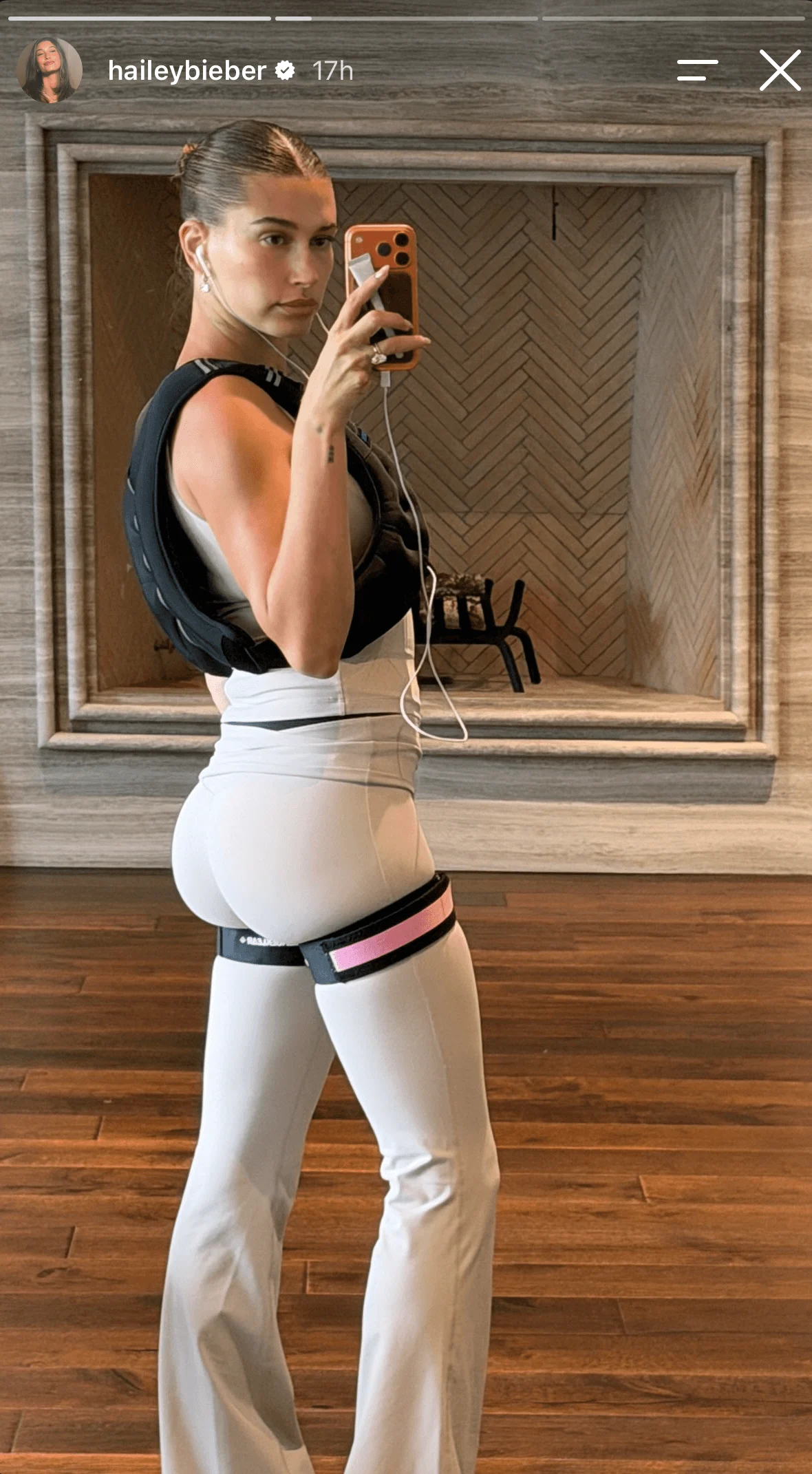
Hailey Bieber, a definitive figure in contemporary beauty and wellness, has once again captured public attention not just for her signature "glazed donut skin" aesthetic, but for an ingenious, practical application of her Rhode skincare line. The entrepreneur and model recently revealed an unexpected use for her brand’s hydrocolloid pimple patches: treating blisters. This revelation, shared via her immensely popular social media platforms, has sparked widespread interest, highlighting both Bieber’s influence as a trendsetter and the versatile nature of modern skincare technology. Her endorsement underscores a growing consumer demand for multi-functional products that bridge the gap between cosmetic appeal and practical self-care solutions, particularly for those leading active lifestyles or frequently traveling.
Hailey Bieber: A Modern Beauty Innovator
Hailey Bieber has meticulously cultivated an image at the vanguard of the beauty industry. Her brand, Rhode, launched with significant anticipation, quickly established itself by championing a minimalist yet effective approach to skincare, centered on barrier health and achieving a luminous, hydrated complexion. The "glazed donut skin" phenomenon, which she coined, became a global beauty aspiration, characterized by a dewy, almost glistening finish that suggested ultimate skin health. This aesthetic was not merely a fleeting trend but a foundational philosophy for Rhode, manifesting in buzzy products like the Peptide Glazing Fluid, Glazing Milk, and the popular Peptide Lip Tints. These products rapidly garnered a loyal following, cementing Rhode’s position in a competitive market.
Beyond product development, Bieber has also distinguished herself through remarkable transparency regarding her personal skin journey. She has openly discussed her struggles with conditions such as perioral dermatitis, a common inflammatory skin rash, sharing her flare-ups and the strategies she employs to manage them. This candidness has resonated deeply with her audience, fostering a sense of authenticity and relatability that often eludes celebrity-backed brands. Furthermore, she frequently offers insights into her broader beauty regimen, encompassing smart concealer placement, innovative blush hacks, and advanced treatments like Platelet-Rich Plasma (PRP) and Platelet-Rich Fibrin (PRF) injections, showcasing a holistic approach to beauty that extends beyond topical applications. This consistent engagement and open dialogue have solidified her status not just as a beauty entrepreneur, but as a trusted source for skincare wisdom.
The Rhode Revolution: From "Glazed Donut Skin" to Essential Patches
The launch of Rhode’s pimple patches in April marked a strategic expansion for the brand, moving beyond core complexion products into targeted treatment solutions. Developed in collaboration with her husband, Justin Bieber, these hydrocolloid-infused stickers were designed with a dual purpose: to absorb excess oil and minimize the appearance of zits, while simultaneously creating a protective barrier over blemishes. This shield guards against external stressors, prevents picking (a common habit that exacerbates acne and scarring), and facilitates a healing environment that reduces spot size, flatness, and redness.
The aesthetic design of Rhode’s patches further differentiates them in the market. Eschewing purely utilitarian appearances, the sets feature an array of playful, candy-colored shapes, including daisies, bubbles, shrooms, curves, and jelly beans. This design choice taps into a broader cultural shift that has made wearing pimple patches a socially acceptable, even fashionable, statement. What was once a discreet treatment, often applied at night or hidden away, has evolved into a whimsical accessory, particularly popular among younger demographics who embrace visible self-care. This trend aligns with a wider movement towards destigmatizing skin imperfections and celebrating self-expression through beauty products.

Hydrocolloid Patches: A Medical Innovation’s Journey to Mainstream Beauty
The technology behind pimple patches, hydrocolloid, has a rich history rooted in medical wound care. Hydrocolloid dressings have been utilized in clinical settings for decades to manage various types of wounds, from bedsores to burns. Their efficacy stems from their ability to create a moist wound environment, which is scientifically proven to accelerate healing, reduce pain, and prevent scarring more effectively than dry dressings. These patches work by absorbing exudate (fluid) from the wound, forming a gel-like substance that keeps the affected area hydrated and protected.
The transition of hydrocolloid technology from hospitals to cosmetic aisles began primarily in South Korea, a global hub for beauty innovation. K-beauty brands were among the first to miniaturize and market hydrocolloid patches specifically for acne treatment, recognizing their potential to discreetly treat blemishes while preventing users from picking or touching the affected area. This innovation rapidly gained traction worldwide, leading to a proliferation of pimple patch products across various beauty brands. The societal acceptance of these patches has grown significantly, moving from a niche product to a mainstream staple in many skincare routines. The playful designs, such as those offered by Rhode, further contributed to this shift, transforming a functional item into a personal expression.
The Unexpected Application: Blister Care on the Go
It was against this backdrop of innovation and evolving beauty norms that Hailey Bieber shared her latest "hack." In a post to her Instagram Stories, she uploaded a candid photograph of her feet, adorned not only with a trending sky-blue pedicure but also with several of Rhode’s colorful pimple patches strategically placed over what appeared to be blisters. The accompanying caption, "Can confirm works for blisters," was concise yet impactful, instantly validating an unconventional use for her product.
This discovery is particularly relevant given Bieber’s active lifestyle. She and Justin Bieber had recently been spotted vacationing on the picturesque Greek island of Spetses, enjoying what many would term a quintessential "Euro summer." Such explorations inevitably involve increased walking and movement, often in less-than-supportive footwear like flip-flops, which are notorious for causing friction and subsequent blisters. The practicality of using readily available, aesthetically pleasing patches for an everyday ailment like blisters, especially when "in a pinch on a small Mediterranean island," as the original context suggests, highlights a resourceful approach to self-care that resonates with modern consumers. This personal endorsement from a highly influential figure is poised to popularize pimple patches as a multi-functional travel essential.
Scientific Validation: How Hydrocolloid Patches Heal
The efficacy of hydrocolloid patches in treating blisters is not merely anecdotal; it is firmly rooted in established wound care science. Kasha Malyckyj, a respected facialist and founder of Syla Skin, corroborated Bieber’s observation, stating, "I’m always telling clients that it’s best to leave spots alone… Pimple patches are particularly good if you’re prone to picking (we all do it!) as they create a shield that makes it much harder to interfere with the spot, reducing the risk of scarring and helping it heal properly. The same principle applies to blisters."
When applied to a raw, sore blister, hydrocolloid patches perform several critical functions. Firstly, they actively absorb the weepy fluid (exudate) characteristic of blisters, preventing maceration of surrounding skin. Secondly, they create an optimal moist, cushioned, and sterile environment. This "protective second skin" shields the compromised area from further friction, which is paramount in blister management, and acts as a barrier against bacteria and other environmental contaminants that could lead to infection. By fostering such an environment, the patches accelerate the natural healing process, crucially preventing the formation of unsightly and uncomfortable scabs, which can be prone to cracking and further irritation. Moreover, this moist healing environment is known to significantly reduce the risk of post-inflammatory scarring.

A systematic research review from 2014, published in the National Center for Biotechnology Information (NCBI) database, further supports the broad therapeutic benefits of hydrocolloid dressings. The review concluded that hydrocolloid patches are highly effective for breaking down damaged wound tissue (autolytic debridement), providing a robust barrier to facilitate wound healing, reducing pain, and actively supporting the generation of new tissue and collagen. These scientific findings directly underpin the benefits observed when using these patches on blisters, making them a superior alternative to traditional dry bandages. Their ability to absorb wound drainage also means they can remain in place significantly longer than conventional dressings, offering extended protection and uninterrupted healing, a major convenience for users.
Beyond Beauty: Hailey Bieber’s Influence on Wellness and Practical Hacks
Hailey Bieber’s influence extends far beyond cosmetic trends; she is a recognized arbiter of holistic wellness. Her consistent advocacy for integrated health practices makes her endorsement of the blister hack particularly compelling. For instance, she has openly shared her commitment to physical fitness, posting photos wearing a weighted vest and individual glute bands during strength training sessions. She works with celebrity trainer Kirsty Godso, known for her innovative approach to strength conditioning, a program that complements Bieber’s beloved Pilates routine. This combination of activities forms a well-rounded and replicable workout regimen, emphasizing functional fitness and muscle development.
The discovery that pimple patches can serve a dual purpose for blisters seamlessly integrates into this broader wellness narrative. It highlights a pragmatic approach to daily discomforts, demonstrating that effective solutions can often be found in unexpected places, or even within existing product lines. This trend towards multi-purpose products and "beauty hacks" is gaining momentum, driven by consumers seeking efficiency, value, and simplicity in their routines. Bieber’s endorsement taps into this desire for practical, accessible solutions that enhance overall well-being, whether it’s achieving radiant skin or comfortably navigating a European vacation.
Implications for Travel, Self-Care, and the Beauty Industry
Hailey Bieber’s blister hack carries significant implications for travel essentials, personal self-care routines, and the wider beauty industry. For travelers, especially those embarking on active holidays or city explorations where increased walking is inevitable, the prospect of adding a small, lightweight, and multi-functional item like hydrocolloid patches to their carry-on is highly appealing. Blisters are a common travel nuisance, and a convenient, effective, and even aesthetically pleasing solution could transform how individuals prepare for and manage minor injuries on the go. The ease of application and long-lasting nature of these patches make them ideal for situations where access to traditional medical supplies might be limited, such as on a remote island.
For the beauty industry, this development reinforces the power of celebrity influence in driving product innovation and expanding market segments. Brands may now consider marketing hydrocolloid patches more broadly for wound care, or even developing new lines specifically designed for blisters, leveraging the scientific principles already proven. It also highlights the growing demand for transparency and authenticity from brands, as consumers increasingly trust recommendations from figures who demonstrate genuine, relatable experiences.
Ultimately, Hailey Bieber’s simple Instagram Story has done more than just share a personal tip; it has underscored the evolving landscape of beauty and wellness, where practical solutions, scientific efficacy, and celebrity endorsement converge to redefine everyday self-care. It’s a testament to the idea that sometimes, the most innovative solutions are found in repurposing what we already have, proving that even a "glazed donut skin" guru can inspire practical, down-to-earth wisdom. The question for many now is not if they will get blisters on their next adventure, but if they will remember to pack their colorful Rhode patches.
