
 By Jia Lissa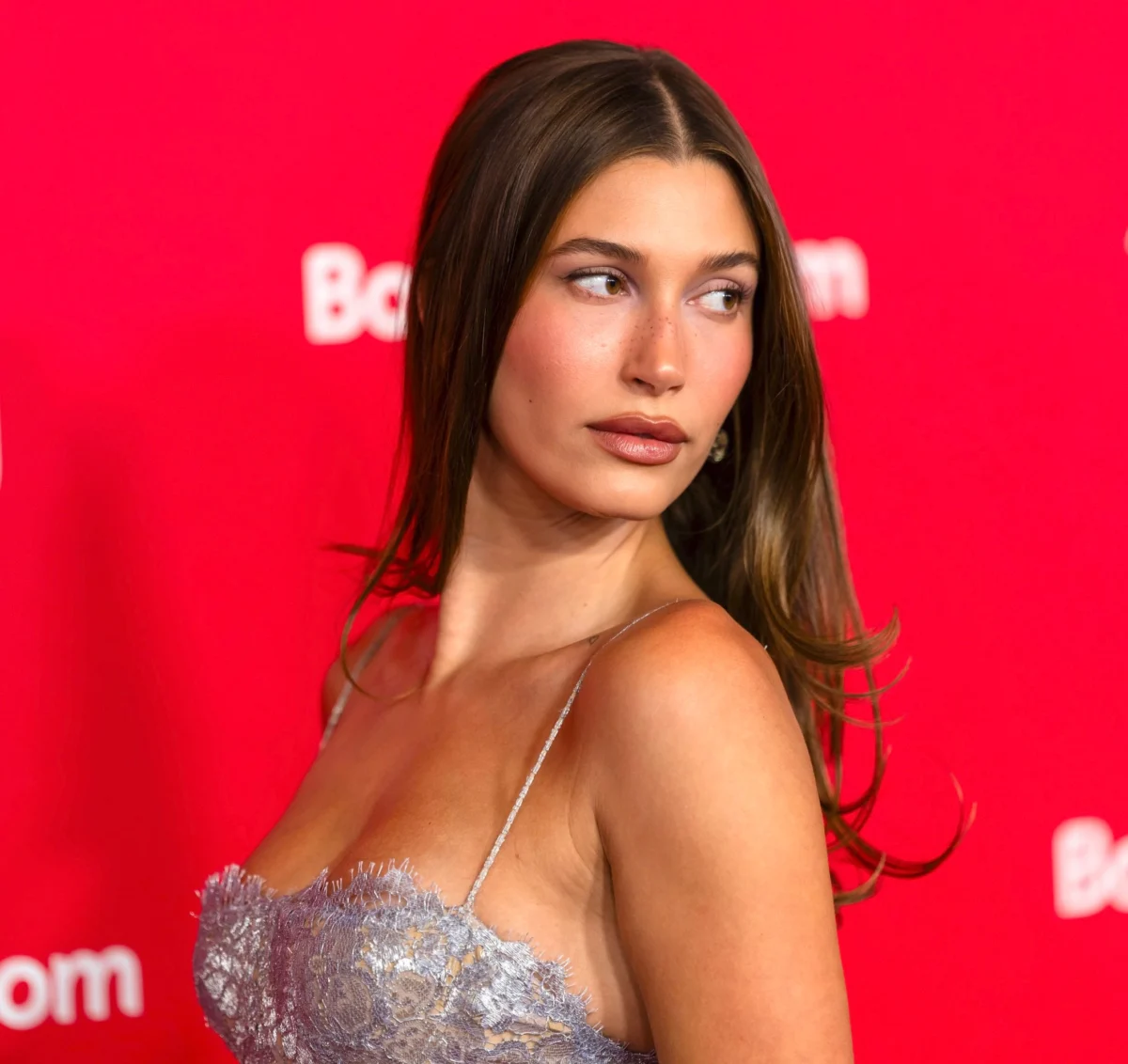
The fashion world is abuzz as Hailey Bieber, a prominent figure in both the modeling and beauty entrepreneurship spheres, has been repeatedly spotted sporting a Y2K relic: the zig-zag headband. While many might have initially attributed this trend revival to Bella Hadid, known for her adeptness at reintroducing obscure Y2K aesthetics into contemporary fashion, it is Bieber who is currently at the forefront of this nostalgic resurgence. Her consistent incorporation of the plastic scalloped comb headband into her public appearances and social media posts makes a compelling argument for revisiting forgotten accessories from the late 1990s and early 2000s.
The recent surge in attention surrounding the zig-zag headband can be directly linked to a series of Instagram posts shared by Bieber on Wednesday. In a meticulously curated photo dump, she featured no fewer than three distinct instances of her wearing the unmistakably late-’90s, early-2000s hair accessory. This strategic showcasing effectively signals the zig-zag headband’s transition from a nostalgic artifact to a bona fide stylish staple. The accessory, also known by monikers such as the "shark tooth headband" or, for those who frequented catalogs like Delia’s, simply "the headband," is now firmly re-established in the fashion lexicon.
Bieber’s Styling Strategies for the Zig-Zag Headband
Bieber’s approach to styling the zig-zag headband demonstrates its versatility and enduring appeal. In one striking mirror selfie, the matte black accessory is used to subtly pull a portion of her hair away from her face, allowing the rest to remain loose and effortlessly styled. This application highlights the headband’s capacity to provide a polished yet understated look.
In another captured moment, seemingly during a workout session while wearing a weighted vest, the zig-zag headband proves its practical utility. Here, it is employed to secure her hair neatly into a bun, emphasizing its function as a functional hair management tool that doesn’t compromise on style. This practical application underscores how the accessory can seamlessly integrate into an active lifestyle while maintaining its aesthetic contribution.
A third selfie further solidifies the Y2K association, showcasing the headband paired with tiny sunglasses and wired earbuds. This combination evokes a distinct early-aughts sensibility, adding layers of nostalgia and reinforcing the accessory’s connection to the era. These varied styling choices illustrate how the zig-zag headband can adapt to different contexts, from casual outings to more active pursuits, while consistently embodying a retro-chic vibe.
A Deeper Dive into Fashion’s Y2K Fascination
Hailey Bieber’s embrace of the zig-zag headband is not an isolated incident but rather part of a broader trend of fashion’s enduring fascination with early 2000s aesthetics. Her previous appearance in a Miu Miu campaign, where she sported a similarly nostalgic accordion-style headband, offers further evidence of this pattern. This suggests that her current embrace of the zig-zag comb is not a fleeting whim but a deliberate choice aligned with the industry’s ongoing embrace of Y2K-era accessories.
Miu Miu, in particular, has emerged as a significant proponent of Y2K revivalism in recent years. The brand’s collections have consistently drawn inspiration from the early aughts, reinterpreting iconic styles for a contemporary audience. Given Miu Miu’s influential position in shaping fashion trends, Bieber’s association with the brand and her subsequent adoption of the zig-zag headband feels strategically aligned with this pervasive fashion movement. This connection suggests a deliberate and calculated revival of these nostalgic items, propelled by influential designers and tastemakers.
The Historical Context and Evolution of the Zig-Zag Headband
The zig-zag headband, with its distinctive serrated design, first gained widespread popularity in the late 1990s and early 2000s. It was a ubiquitous accessory, found in the hair of teenagers and young adults alike. Its practicality – the ability to grip and hold hair in place – combined with its affordable price point, made it an accessible fashion statement. It was a staple in many a bathroom drawer, often alongside other iconic Y2K beauty items such as butterfly clips, roll-on body glitter, and early iterations of flip phones.
The accessory’s resurgence in 2024, spearheaded by figures like Hailey Bieber, speaks to the cyclical nature of fashion. Trends that were once commonplace can be re-contextualized and presented with a fresh perspective, appealing to a new generation while evoking fond memories for those who lived through the original era. The zig-zag headband’s current iteration feels surprisingly modern, shedding its previous associations with being a purely juvenile accessory and instead embracing a more sophisticated, albeit still playful, aesthetic.
Supporting Data and Industry Analysis
The renewed interest in Y2K fashion is not solely anecdotal. Market research and fashion industry analyses have consistently pointed to a growing demand for retro-inspired clothing and accessories. Reports from fashion analytics firms indicate a significant increase in searches and purchases of items associated with the late 1990s and early 2000s. For instance, a report by Edited, a retail analytics platform, noted a 15% year-over-year increase in product assortments featuring Y2K-inspired styles in the first half of 2023. This data supports the observation that the zig-zag headband’s comeback is part of a larger, data-driven trend.
Furthermore, the influence of social media platforms like TikTok and Instagram cannot be overstated. These platforms have become powerful engines for trend dissemination, with users frequently showcasing vintage finds and creating "haul" videos featuring Y2K fashion items. The viral nature of these platforms allows niche trends to gain widespread traction rapidly. The hashtag #Y2Kfashion, for example, has amassed billions of views on TikTok, demonstrating the immense interest in this aesthetic. Hailey Bieber’s posts, with their substantial reach, serve to amplify these existing online conversations and further propel the zig-zag headband into mainstream consciousness.
Expert Opinions and Broader Implications
Fashion commentators and stylists have weighed in on the significance of the zig-zag headband’s return. Many see it as a testament to the enduring appeal of practical yet stylish accessories. "The zig-zag headband is a perfect example of how functional items can become fashion statements," says Sarah Chen, a freelance fashion stylist. "It’s accessible, it’s versatile, and it taps into a collective sense of nostalgia. It’s not about being overly fussy; it’s about effortless cool."
The implication of this trend extends beyond just a single accessory. It signifies a broader shift in how consumers are approaching fashion. There’s a growing appreciation for items that blend functionality with a touch of playful nostalgia. This movement is also fueled by a desire for authenticity and a rejection of overly polished or ephemeral trends. The zig-zag headband, with its humble origins, represents a grounding element in a fashion landscape that can sometimes feel inaccessible.
The success of brands like Miu Miu in reinterpreting these vintage styles also highlights the economic implications of nostalgia. By successfully tapping into the desire for retro aesthetics, these brands are able to generate significant revenue and maintain relevance. The ongoing popularity of Y2K-inspired pieces suggests that this trend is likely to persist, with more forgotten accessories potentially making a comeback in the near future.
The Future of Y2K Accessories
The re-emergence of the zig-zag headband prompts speculation about what other Y2K accessories might be next in line for a revival. With the success of this trend, it is not unreasonable to expect other items that once defined the era to reappear on runways and in celebrity wardrobes. The frosted lip gloss, often associated with the same period, is already being referenced, with predictions of its return under updated monikers like "glazed" lip gloss.
The fashion industry’s current trajectory suggests a continued exploration of early 2000s aesthetics. This trend is likely to be driven by a combination of nostalgia, the desire for unique personal style, and the influence of social media and celebrity endorsements. As Hailey Bieber continues to champion the zig-zag headband, its status as a stylish staple is solidified, proving that some trends, when re-imagined with a modern sensibility, are truly timeless. The zig-zag headband’s journey from a practical drugstore find to a high-fashion accessory underscores the dynamic and often surprising nature of the fashion cycle.
