
 By admin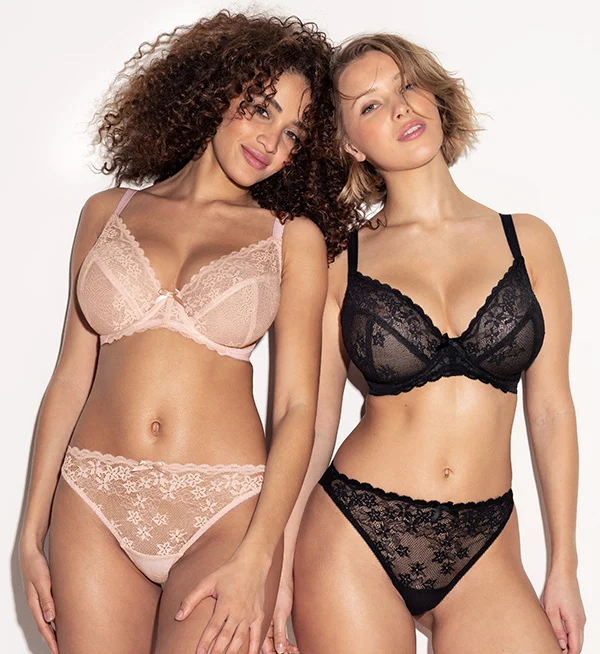
The global intimate apparel market has witnessed a significant shift toward specialized sizing and functional aesthetics, a trend further solidified by the release of the Freya Quinn collection. Designed to bridge the gap between high-fashion lace aesthetics and the rigorous structural requirements of the fuller-bust demographic, the Quinn bra has been positioned as a central pillar in Freya’s current product lineup. The collection, which features a signature underwire plunge bra and coordinating briefs, is now available through specialized retailers, including the Louisiana-based boutique chain The Bra Genie. This launch comes at a time when consumer demand for "everyday luxury"—garments that offer both visual appeal and all-day durability—is at an all-time high within the D-to-K cup market segment.
Technical Specifications and Design Architecture
The Quinn collection is engineered specifically for the 30 to 36 band size range, accommodating cup sizes from F to H. This specific targeting addresses a critical "sweet spot" in the lingerie industry where many consumers struggle to find a balance between the lightweight construction of smaller-cup fashion bras and the heavy-duty, often utilitarian construction of traditional plus-size support garments.
The Quinn Underwire Plunge Bra utilizes a multi-dimensional design approach. The primary material is a delicate floral lace that has been treated to maintain a flat profile, ensuring that the intricate patterns do not create bulk or texture visible through lightweight outer clothing. The plunge silhouette is achieved through a reinforced center gore that sits lower than a traditional full-coverage bra, allowing for versatility with various necklines without sacrificing the containment necessary for larger bust volumes.
Support is derived from a combination of high-tensile underwiring and a specific seam construction in the cups. Unlike molded bras that rely on foam for shape, the Quinn uses seamed lace to provide a natural lift and forward projection. The power-mesh wings—the bands that wrap around the ribcage—are designed to distribute weight evenly across the back, reducing the strain on the shoulder straps, a common technical failure in lower-quality intimate apparel.
The Evolution of Freya and the Fuller Bust Market
To understand the significance of the Quinn launch, one must look at the trajectory of the Freya brand. Freya is a subsidiary of Wacoal Europe, a global leader in the intimate apparel industry known for its rigorous testing and fit standards. Since its inception, Freya has carved out a niche by focusing on the "Fuller Bust" (D+) category, a segment that was historically underserved by mainstream fashion retailers.
In the early 2000s, the options for women requiring larger cup sizes were often limited to "minimizers" or bras with wide, unappealing straps and thick padding. Freya was among the first brands to introduce vibrant colors, intricate lace, and trendy patterns to the F-cup-and-above market. The Quinn collection represents the latest iteration of this philosophy, moving away from the neon palettes of the previous decade toward a more sophisticated, "cameo" aesthetic that aligns with current "quiet luxury" fashion trends.
The Role of Specialized Retail: The Bra Genie Case Study
The availability of the Quinn collection at The Bra Genie highlights the importance of the professional fitting experience in the lingerie supply chain. Founded in 2005, The Bra Genie has expanded to three physical locations in Louisiana, establishing itself as a regional authority in "bra-fitting therapy."
The business model of specialized retailers like The Bra Genie is built on the industry-wide statistic that approximately 80% of women are wearing the incorrect bra size. In the fuller-bust category, an incorrect fit is not merely a matter of discomfort; it can lead to chronic back pain, poor posture, and skin irritation. By stocking technical pieces like the Freya Quinn, these retailers provide a critical service that combines inventory management with personalized anatomical assessment.
The Bra Genie’s expansion into e-commerce also reflects a broader industry move toward "omnichannel" retail. While the physical fitting remains the gold standard, the ability for repeat customers to order proven styles like the Quinn online has allowed the company to maintain a national footprint while remaining a local Louisiana staple.
Market Data and Consumer Trends in the Lingerie Sector
The release of the Quinn collection coincides with a period of robust growth in the global lingerie market. According to recent market analysis reports, the global intimate apparel market was valued at approximately $88 billion in 2023 and is projected to reach over $140 billion by 2032, growing at a compound annual growth rate (CAGR) of roughly 5.5%.
Several factors are driving this growth:
- Inclusivity in Sizing: Brands that offer extended size ranges (F through K) are seeing faster growth rates than those limited to A through D cups.
- The "Work-from-Anywhere" Influence: Post-pandemic, consumers are prioritizing "soft support"—bras that provide shape without the restrictive feeling of traditional office-wear undergarments. The Quinn’s focus on "genuine comfort" aligns with this shift.
- Technological Integration: The use of high-performance fabrics, such as the flat-lay lace used in the Quinn, allows for more complex designs that remain functional under modern, often synthetic, clothing materials.
Furthermore, the "bridal and special occasion" sub-sector remains a strong driver for lace-heavy designs. While Quinn is marketed as an "everyday crush," its aesthetic properties make it a viable option for consumers seeking elevated basics that do not feel purely utilitarian.
The Technical Importance of the Professional Bra Fitting
The success of a product like the Freya Quinn is heavily dependent on the accuracy of the initial fitting. Professional fitters at establishments like The Bra Genie utilize a methodology that goes beyond simple tape measurements. They assess the "root" of the breast tissue, the height of the chest wall, and the width of the shoulders.
For a plunge bra like the Quinn, the fit of the underwire is paramount. If the wire is too narrow, it can pinch breast tissue (leading to discomfort and potential health issues); if it is too wide, it fails to provide the necessary "shaping" effect. By offering sizes 30-36 F-H, Freya is targeting a demographic that often has a smaller ribcage relative to their bust volume—a configuration that requires a very specific wire gauge and band tension to function correctly.
Chronology of the Quinn Launch and Brand Development
The development of the Quinn collection followed a standard 18-to-24-month design cycle typical of high-end European lingerie brands.
- Concept Phase: Designers identified a gap in the market for a lace plunge bra that offered the stability of a full-cup bra but with the aesthetic of a fashion piece.
- Prototyping: Multiple iterations were tested on live models across the entire size range (30F to 36H) to ensure that the lace did not stretch out or lose its shape over time.
- Retail Partnership: The Bra Genie, having been a partner of Freya since the retailer’s inception in 2005, was selected as a key regional launch point for the collection in the Southern United States.
- Market Release: The collection was rolled out to physical boutiques and online platforms, supported by a "Partner Spotlight" campaign to educate consumers on the technical benefits of the Quinn’s construction.
Industry Outlook and Future Implications
The introduction of the Freya Quinn is indicative of a broader trend where technical performance is no longer sacrificed for visual appeal. As the industry moves forward, analysts expect to see even more integration of "smart" fabrics and sustainable manufacturing processes.
Freya’s parent company, Wacoal, has already begun exploring ways to reduce the environmental footprint of lace production, which traditionally involves complex chemical treatments. While the Quinn currently focuses on traditional high-performance materials, the success of such "daily go-to" styles provides the financial stability for brands to invest in future R&D regarding recycled fibers and biodegradable elastics.
For retailers like The Bra Genie, the addition of the Quinn to their inventory reinforces their role as a bridge between international manufacturing and local consumer needs. As long as the "80% incorrect fit" statistic persists, the demand for high-quality, technically sound garments like the Quinn, paired with professional fitting services, is expected to remain a cornerstone of the specialized retail economy.
In conclusion, the Freya Quinn collection is more than a seasonal fashion update; it is a calculated response to the sophisticated demands of the modern consumer. By combining the aesthetic of delicate floral lace with the engineering required for F-H cup support, Freya and its retail partners like The Bra Genie are defining the future of the fuller-bust market—one where beauty, support, and comfort are treated as equally essential components of design.
