
 By admin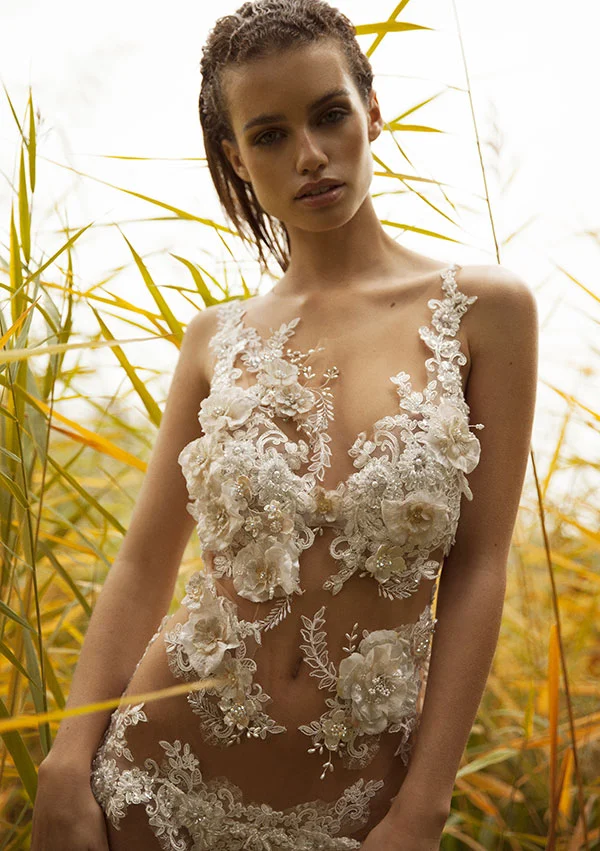
The landscape of contemporary intimate apparel is witnessing a significant shift toward artisanal production and narrative-driven design, a movement exemplified by the emergence of English designer-maker Florence Morris-Clarke. Since the founding of her eponymous label in 2022, Morris-Clarke has carved out a distinct niche within the high-end lingerie sector, producing garments that blend traditional craftsmanship with an aesthetic she describes as otherworldly and magical. By integrating complex wirework, semi-precious stones, and sustainable textiles, the designer has positioned her brand at the intersection of costume artistry and functional luxury. Operating from a studio dedicated to slow fashion principles, Morris-Clarke’s work represents a broader industry trend where independent designers are challenging mass-production models through bespoke, made-to-order services and deep-rooted cultural storytelling.
The Genesis of a Folklore-Inspired Label
Florence Morris-Clarke’s trajectory into the world of intimate apparel began at the London College of Fashion, an institution globally recognized for its rigorous technical training. Enrolled in the Contour Design program—a specialized discipline focusing on the engineering of garments that follow the human form—Morris-Clarke originally explored the field as a gateway to costume design. However, the intimate nature of lingerie quickly became her primary focus. She notes that the category offers a unique form of self-expression, functioning as a "little secret" or a private layer of identity that allows the wearer to feel empowered and curious.
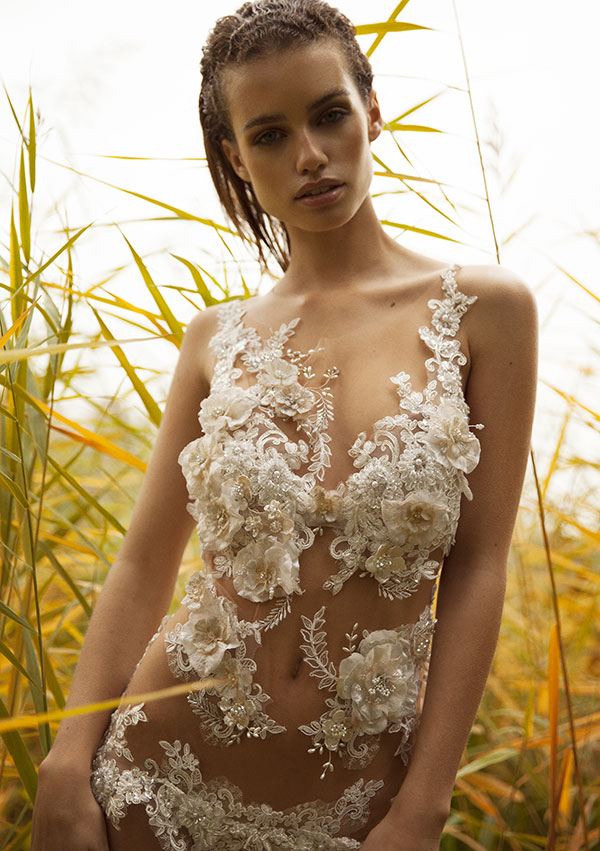
Upon graduation, Morris-Clarke did not immediately launch her brand. Instead, she spent several years honing her technical skills within established fashion houses. This period of professional maturation provided her with the industry insights necessary to navigate the complexities of supply chains and production. In 2022, she transitioned to independent practice, driven by a desire to create garments that reflected her personal fascinations with Celtic literature, folkloric art, and the intricate connections between humanity and the natural world. This thematic foundation differentiates the brand from traditional luxury labels that often prioritize conventional glamour over narrative depth.
Technical Innovation and the Integration of Jewelry Techniques
The defining characteristic of Morris-Clarke’s most celebrated collection—her wire and crystal "wearable sculptures"—arose from a combination of economic necessity and creative cross-pollination. During the early stages of her brand, the designer found that high-quality, specialized fabrics were often prohibitively expensive or unavailable in the small quantities required by an independent artisan. This constraint led to a pivotal collaboration with her mother, a professional jeweler.
By adapting traditional wirework techniques used in jewelry making, Morris-Clarke developed a method for creating structural lingerie components that mimic the fluidity of water. These pieces utilize fine wires to suspend crystals and semi-precious stones across the body, often supported by nearly invisible tulle and shimmering silver satin. The result is a collection of "crystal bras" and sheer coordinates that appear to float on the skin.
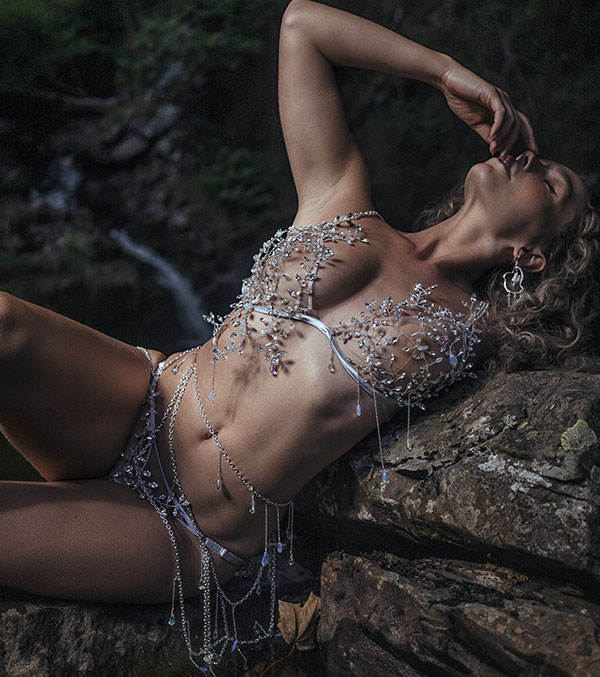
Technically, these garments represent a departure from standard lingerie construction. Every piece is hand-crafted from start to finish, involving hundreds of individual components. To ensure practicality despite the elaborate appearance, the wire and crystal elements are designed with detachable features, allowing the textile portions to be laundered safely. This hybrid approach—combining the rigidity of metal and stone with the softness of luxury fabrics—has become the signature of the Morris-Clarke brand.
Sustainability and the Slow Fashion Economic Model
The Florence Morris-Clarke brand operates on a "slow fashion" model, a deliberate response to the environmental and ethical criticisms leveled against the global garment industry. According to industry data, the fashion sector is responsible for approximately 10% of global carbon emissions and 20% of global wastewater. In contrast, Morris-Clarke’s production process is designed to minimize waste and maximize the longevity of each garment.
Every item produced by the label is made-to-order, a strategy that eliminates the need for inventory and reduces the likelihood of unsold stock ending up in landfills. Furthermore, the brand employs a zero-waste policy regarding textile remnants. Fabric scraps that are too small for garment construction are collected and sent to a local company to be upcycled into pillow stuffing.
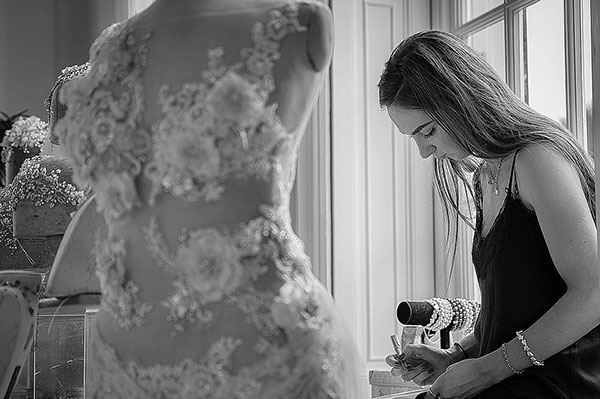
The materials selected for her collections further reflect this commitment to sustainability. Currently available designs, particularly her corsetry line, utilize:
- Natural Linen: A biodegradable fiber with a lower environmental footprint than cotton.
- Recycled-Fiber Satin: Textiles engineered from post-consumer waste to reduce the reliance on virgin petroleum-based materials.
- Luxury Deadstock Lace: High-end fabrics salvaged from larger fashion houses’ surplus, preventing them from being discarded.
- Freshwater Pearls: Natural adornments used to string together airy fabrics and hip ties.
By prioritizing these materials, Morris-Clarke aligns her brand with the growing "conscious luxury" consumer segment, which is projected to grow significantly as younger demographics seek out brands with transparent and ethical production histories.
Market Positioning and Consumer Data
The luxury lingerie market is currently experiencing a period of diversification. While mass-market brands face challenges, the "niche luxury" and "artisanal" segments are seeing increased demand. Reports suggest that the global lingerie market is expected to reach a valuation of over $94 billion by 2030, with a notable CAGR (Compound Annual Growth Rate) in the premium and bespoke categories.
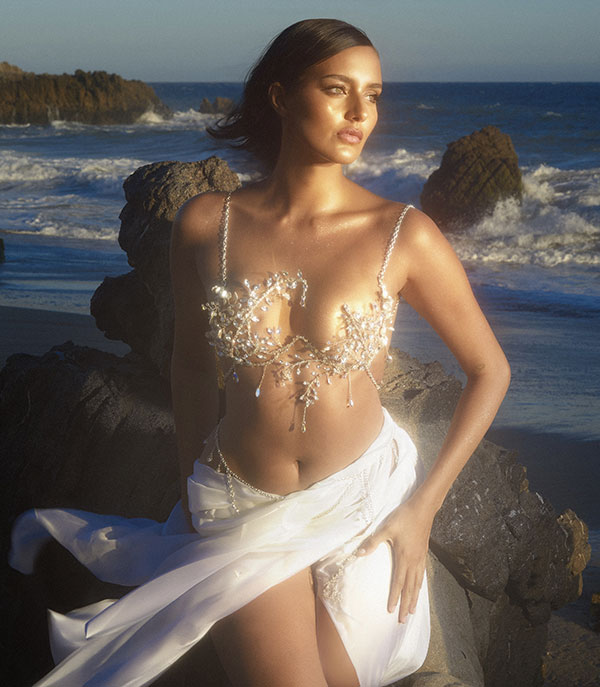
Florence Morris-Clarke’s pricing structure reflects the labor-intensive nature of her work. Her wire and crystal pieces are positioned at the high end of the luxury spectrum, with prices ranging from £385 to £1,550 (approximately $520 to $2,100). The corsetry and accompanying coordinates are more accessible but remain firmly in the premium tier, ranging from £175 to £425 (approximately $240 to $575).
The brand’s inclusivity strategy is evident in its sizing range. Unlike many high-fashion labels that limit their offerings to standard sizes, Morris-Clarke provides a range from XXS to XXL in bras and US sizes 2-16 in corsets. Because each piece is handmade, the designer can offer bespoke adjustments, catering to a diverse clientele that values fit as much as aesthetic.
Chronology of Brand Milestones
- 2018–2021: Florence Morris-Clarke completes her degree in Contour Design at the London College of Fashion and begins working within the commercial fashion industry to master production techniques.
- Early 2022: The Florence Morris-Clarke label is officially launched, debuting with a focus on folklore-inspired aesthetics.
- Mid-2022: Facing supply chain hurdles for luxury textiles, Morris-Clarke begins studying wirework under her mother’s tutelage, leading to the creation of the first crystal-encrusted prototypes.
- 2023: The brand expands its repertoire to include corsetry made from sustainable linens and deadstock lace, broadening its market appeal beyond avant-garde wearable art.
- 2024: Morris-Clarke solidifies her "slow fashion" credentials by formalizing a partnership for textile waste upcycling and expanding her global shipping capabilities to meet international demand from collectors and enthusiasts of artisanal fashion.
Broader Implications for the Fashion Industry
The success of a small-scale, highly specialized brand like Florence Morris-Clarke indicates a shift in consumer values. In an era dominated by artificial intelligence and automated manufacturing, there is a growing premium placed on the "human touch." Morris-Clarke’s philosophy—that the world does not need more "stuff," but rather things that are "really special"—resonates with a movement toward intentional consumption.
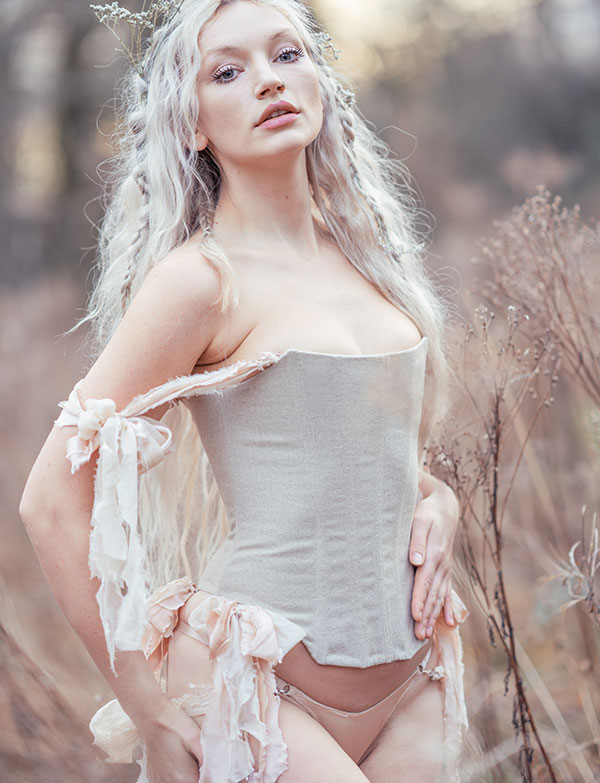
Industry analysts suggest that independent designers are becoming the primary drivers of innovation in the fashion world. While large corporations often prioritize trend-following and cost-cutting, independent "designer-makers" like Morris-Clarke are free to experiment with unconventional materials and narrative-heavy designs. This experimentation eventually trickles up to the wider industry, influencing mainstream trends in texture, transparency, and the use of jewelry-inspired hardware.
Furthermore, Morris-Clarke’s use of Celtic and folkloric themes taps into a cultural zeitgeist often referred to as "Fairycore" or "Cottagecore," which gained massive popularity during the early 2020s. By elevating these aesthetics through high-level technical skill and luxury materials, she has successfully bridged the gap between internet-driven subcultures and the traditional luxury market.
As the fashion industry continues to grapple with its environmental impact, the model provided by Florence Morris-Clarke—small-scale, made-to-order, and deeply artisanal—offers a potential blueprint for a more sustainable future. Her work suggests that the future of luxury may not lie in the volume of production, but in the depth of the story and the precision of the craft. For the modern consumer, the "magic" of a garment lies as much in its ethical origin and the hands that made it as it does in the final, shimmering result.
