
 By Nana Wu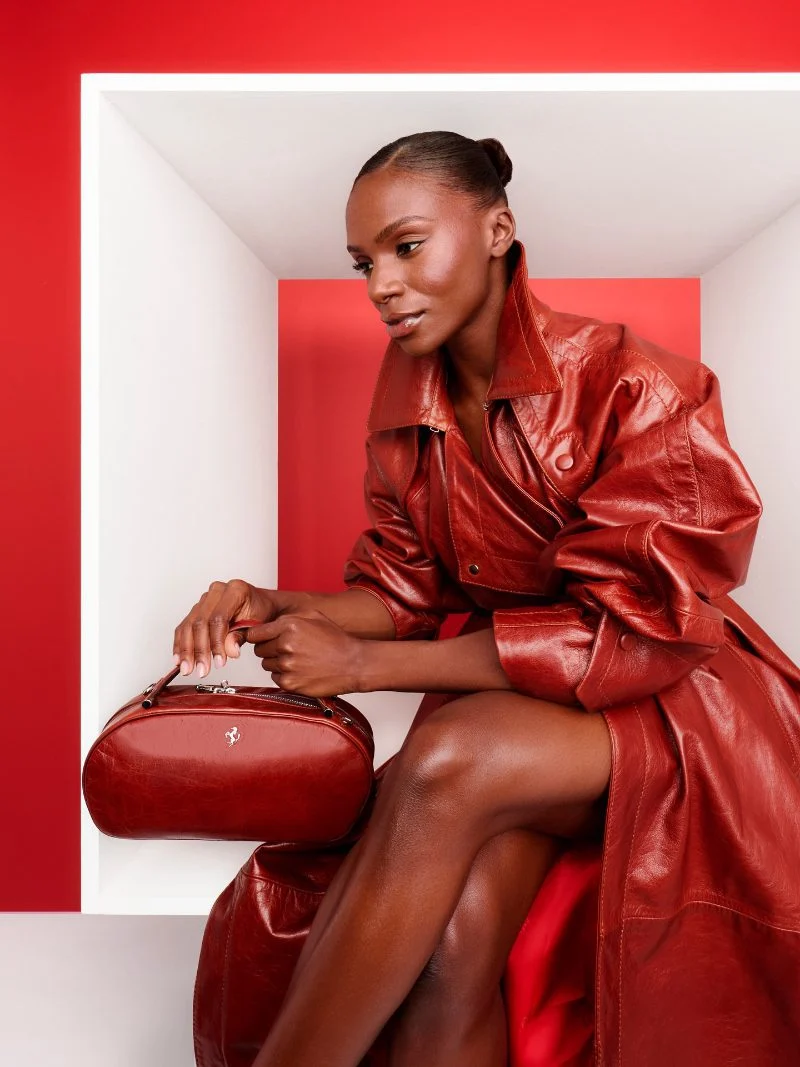
The Dino Bag collection represents more than a mere expansion of leather goods; it is a meticulously crafted homage to the brand’s storied heritage. Named after Alfredo "Dino" Ferrari, the son of founder Enzo Ferrari, the "Dino" moniker carries immense weight within the automotive world, specifically associated with the mid-engined V6 sports cars produced in the late 1960s and early 1970s. By anchoring its latest fashion offering to this specific legacy, Ferrari is leveraging its historical equity to create a bridge between the precision of Italian automotive engineering and the artisanal craftsmanship of luxury leatherware.
The Architectural Evolution of the Dino Bag
The Dino Bag collection is characterized by its distinctive curved silhouette, a direct aesthetic translation of the aerodynamic lines and muscular fenders found on vintage Ferrari sports cars. The design language, spearheaded by Rocco Iannone, avoids the pitfalls of overt branding, opting instead for structural references that speak to the brand’s DNA. The collection is designed to cater to a diverse range of lifestyle requirements, featuring multiple iterations including a compact "mini" designed for day-to-night versatility, a functional crossbody tote for the modern urbanite, and a classic bowling style that evokes the spirit of mid-century grand touring.
Technical specifications of the bags highlight the brand’s commitment to "Made in Italy" excellence. Utilizing premium leathers and high-grade hardware, the Dino Bag mirrors the interior craftsmanship of Ferrari’s GT cars. The stitching patterns and the tactile quality of the materials are intended to provide a sensory experience reminiscent of sitting in a Maranello-crafted cockpit. The availability of the collection on Ferrari’s digital storefront and across its burgeoning retail network marks a pivotal moment in the brand’s attempt to capture a larger share of the luxury accessories market, which remains the highest-margin sector within the fashion industry.
A Strategic Partnership: Rankin and Dina Asher-Smith
The choice of Dina Asher-Smith as the face of the Dino Bag campaign is a calculated move that aligns the brand with the concepts of speed, precision, and peak performance. As Britain’s fastest woman and a prominent figure in international athletics, Asher-Smith embodies the "fast luxury" ethos that Iannone has cultivated. Her involvement brings a contemporary, high-energy dynamic to the brand, distancing it from the traditional, static imagery often associated with heritage luxury houses.
Complementing this choice is the photographic direction of Rankin. Known for his bold, high-contrast style and ability to capture the raw essence of his subjects, Rankin’s lens frames the Dino Bag not just as a static accessory, but as an integral part of a fast-paced, modern lifestyle. The campaign imagery emphasizes the interplay between the bag’s sculptural form and the kinetic energy of the human body, reinforcing the idea that Ferrari fashion is built for movement. This collaboration underscores Ferrari’s intent to compete at the highest levels of fashion marketing, utilizing top-tier talent to communicate its evolving brand identity.
Chronology of Ferrari’s Sartorial Pivot
The journey from the racetrack to the runway has been a deliberate and multi-year process. To understand the significance of the Dino Bag launch, one must look at the timeline of Ferrari’s fashion evolution:
- 2019: Ferrari NV announces a major strategic shift, revealing plans to diversify its brand into luxury lifestyle categories. The goal is to ensure that non-automotive products contribute approximately 10% of the company’s earnings before interest and taxes (EBIT) within the next decade.
- November 2019: Rocco Iannone is appointed as Creative Director. With a pedigree that includes significant tenures at Giorgio Armani and Pal Zileri, Iannone is tasked with defining a high-end aesthetic that transcends the "merchandise" category.
- June 2021: Ferrari makes its official runway debut at the Maranello factory. The 52-look show features a blend of high-tech fabrics and traditional tailoring, set against the backdrop of the assembly lines where the cars are built.
- 2022-2023: The brand expands its retail footprint, opening flagship stores that prioritize architectural design and immersive brand experiences. Ferrari becomes a fixture at Milan Fashion Week, gaining critical acclaim for its sophisticated use of materials and color palettes.
- April 2024: The launch of the Dino Bag campaign marks a concentrated push into the accessories market, a move designed to drive volume and brand visibility among a younger, fashion-forward demographic.
Data and Market Analysis: The Luxury Diversification Strategy
Ferrari’s foray into high fashion is backed by rigorous economic logic. According to market analysts, the luxury goods sector has shown remarkable resilience compared to the volatile automotive market. By expanding into apparel and accessories, Ferrari is insulating itself against cyclical downturns in car sales while maximizing the "lifetime value" of its brand enthusiasts.
Internal reports suggest that Ferrari’s lifestyle division is targeting a consumer base that may not yet be in the market for a $300,000 supercar but possesses the disposable income for a $2,500 handbag or a $1,500 jacket. This "entry-level luxury" strategy allows the brand to cultivate brand loyalty among younger generations—Gen Z and Millennials—who value heritage but demand modern, sustainable, and aesthetically relevant products. Furthermore, the leather goods category typically offers profit margins exceeding 40%, significantly higher than the margins found in many automotive manufacturing processes.
The geographical placement of Ferrari’s boutiques also reveals a strategic focus on global fashion hubs. The presence in Milan (the heart of Italian fashion), London (a center for global luxury retail), and New York’s SoHo (a district synonymous with contemporary style) positions the brand alongside established giants like Louis Vuitton, Gucci, and Hermès.
Official Responses and Creative Vision
Rocco Iannone has frequently articulated that his vision for Ferrari is not about "fashion for the sake of fashion," but about "fashion as an extension of the Ferrari dream." In various industry forums, Iannone has emphasized the concept of "The Body as an Engine," suggesting that the clothes and accessories should empower the wearer with the same sense of confidence and performance as a Ferrari engine provides a driver.
While the company has been protective of specific sales figures for individual lines, Ferrari’s executive leadership, including CEO Benedetto Vigna, has expressed satisfaction with the brand’s trajectory. During recent investor calls, the focus has been on "brand elevation." The objective is to reduce the number of licensed products (which can dilute brand prestige) and increase the volume of in-house, high-end collections like the Dino Bag. This shift toward "controlled exclusivity" is central to maintaining Ferrari’s status as one of the world’s most powerful brands.
Broader Impact and Industry Implications
Ferrari’s success in the fashion lane is being closely watched by other luxury manufacturers. It represents a successful blueprint for "brand stretching"—the process of taking a brand from its core product into a seemingly unrelated category without losing its soul. While other car manufacturers have attempted similar moves, many have failed by producing low-quality merchandise that tarnished their primary brand. Ferrari has avoided this by investing heavily in creative talent and high-end Italian manufacturing.
The Dino Bag, specifically, highlights the growing trend of "automotive-inspired luxury," where the lines between industrial design and fashion design become increasingly blurred. As electric vehicles (EVs) change the mechanical nature of cars, luxury automotive brands are looking for new ways to express their heritage and "vibration." For Ferrari, that expression is found in the curve of a leather bag, the sheen of a silk trench coat, and the precision of a tailored suit.
Furthermore, the focus on athletes like Dina Asher-Smith reflects a broader shift in the fashion industry toward "meaningful influence." In an era where consumers are increasingly skeptical of traditional celebrity endorsements, the alignment with a world-class athlete suggests values of discipline, hard work, and genuine excellence—values that are deeply rooted in the Ferrari mythos.
Conclusion and Future Outlook
As the Dino Bag hits the shelves of Ferrari’s global boutiques and populates the digital feeds of fashion influencers, the brand’s "speeding up" in the fashion lane shows no signs of decelerating. With more retail locations planned and a growing presence at major international fashion events, Ferrari is successfully rewriting its narrative.
The Dino Bag is a testament to the fact that Ferrari is no longer just a car company; it is a luxury house that happens to make cars. By successfully translating the power and prestige of the Prancing Horse into a tangible, wearable form, Rocco Iannone and his team have ensured that the Ferrari legacy will continue to thrive, not just on the racetracks of the world, but on the streets of its most fashionable cities. The road ahead for Ferrari fashion looks as meticulously engineered as the vehicles that inspired it, promising a future where style and speed are inextricably linked.
