
 By admin
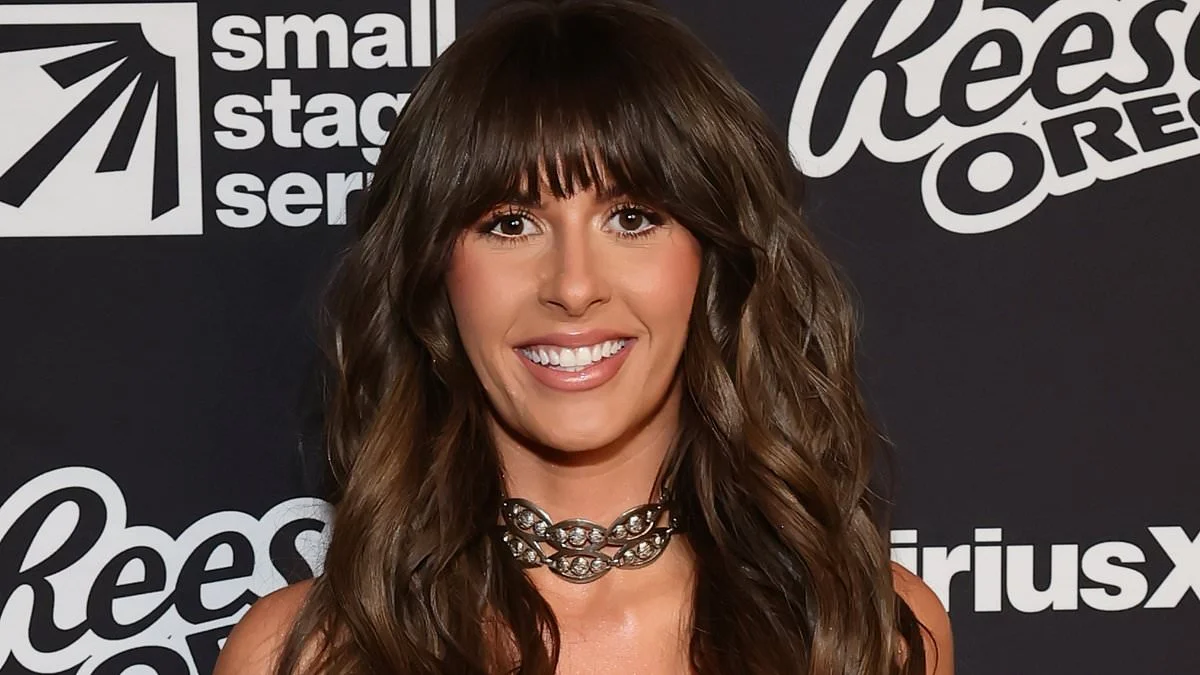
Country music rising star Ella Langley announced the sudden cancellation of her scheduled Friday night performance at the BOK Center in Tulsa, Oklahoma, citing what she described as a "serious security threat." The decision, which came just hours before the 27-year-old singer was set to take the stage, has sparked a public disagreement between the artist’s management and local law enforcement regarding the credibility of the danger. While Langley maintained that the cancellation was necessary to ensure the safety of her fans and crew, the Tulsa Police Department later characterized the incident as a false alarm, stating that their exhaustive sweep of the venue yielded no evidence of an actual threat.
The cancellation marks a tumultuous moment in what has otherwise been a career-defining year for Langley. The Alabama native, known for her record-breaking hit "Choosin’ Texas," is currently in the midst of "The Dandelion Tour," a headlining circuit following a string of high-profile appearances at major venues, including a performance at the Red Rocks Amphitheatre in Colorado earlier that week. However, the momentum of her tour was halted Friday evening when security concerns took precedence over the scheduled entertainment.
The Decision to Cancel and the Artist’s Statement
In a statement released across her social media platforms, Langley expressed deep regret over the cancellation but emphasized that the decision was made under the guidance of multiple security entities. "Due to a serious security threat involving the safety of my fans, the venue staff, and my team, the incredibly difficult decision was made to cancel tonight’s show," Langley wrote. She further clarified that the move was a collaborative choice involving local authorities, the venue management, and her personal security detail.
Langley’s message specifically addressed the logistical and financial burden placed on her audience, many of whom had traveled significant distances to attend the Tulsa stop. "I know how much time, travel, money, and planning goes into coming to a show, and I can’t tell you how sorry I am," she stated. "This is not a decision that was made lightly. I was so looking forward to spending tonight with you, but your safety will always mean more to me than anything else. I refuse to put anyone in harm’s way."
The BOK Center echoed these sentiments in a separate release, noting that the "safety and well-being of everyone involved" remained the absolute priority. The venue confirmed that information regarding ticket refunds would be disseminated to patrons in the coming days.
Conflict with Law Enforcement Assessments
Despite the artist’s insistence on the severity of the situation, the Tulsa Police Department (TPD) offered a different perspective on the necessity of the cancellation. Following the initial report of a threat, TPD officers, including specialized K-9 units trained in explosive detection, conducted a thorough sweep of the 19,000-seat arena.
In a video statement posted to Facebook, Tulsa Police Captain Richard Meulenberg described the incident as a "false bomb threat call." He clarified that while the police took the report seriously and performed the required protocols, they ultimately found no indication of danger. "We advised the performer’s staff that we found no credible threat to the event, but they decided to cancel the performance anyway," Meulenberg said.
The Captain further noted that law enforcement typically does not recommend the cancellation of large-scale events if a threat cannot be substantiated. "We would never tell anybody, if we couldn’t find a credible threat, to cancel their event," he added. "So they made the decision to cancel their event tonight." This discrepancy highlights the often-complex tension between law enforcement’s objective "all-clear" and an artist’s subjective sense of liability and caution in a modern touring environment.
Chronology of Events and Recent Controversies
The cancellation in Tulsa did not occur in a vacuum. It followed a week of intense online scrutiny and polarized debate surrounding Langley’s personal life and past activities. On Thursday, just 24 hours before the scheduled Tulsa show, a series of resurfaced photos of Langley participating in hunting trips began circulating widely on social platforms like X (formerly Twitter) and Facebook.
The images, some dating back to 2018, showed the singer posing with harvested game, including deer. The resurgence of these photos triggered a sharp divide among her fanbase and the general public. Critics utilized the images to label the singer with various political and social epithets, with some calling her "disgusting" and accusing her of being an "industry plant." Conversely, a large contingent of supporters defended the singer, framing hunting as a traditional American pastime and a "wholesome sport."
This digital firestorm led some observers and fans to speculate that the security threat may have been politically motivated. On social media, discussions turned heated, with some fans suggesting that "unhinged" individuals may have phoned in a phony threat as a form of "cancel culture" retribution for the hunting photos. One frustrated fan on X claimed, "Guarantee it has to do with her hunting deer. Liberals are the craziest people in this country." However, other users who identified as politically left-leaning expressed disappointment over the cancellation, rebutting the idea that the threat was a partisan attack. "Far lefty here that was so excited to see Ella Langley! I adore her… not sure what left has to do with it," one user wrote.
Impact on Fans and Logistics
The fallout from the cancellation was felt most acutely by the fans who had already arrived in Tulsa or were en route. The BOK Center, located in the heart of downtown Tulsa, often draws crowds from neighboring states, including Texas, Arkansas, and Kansas.
Social media was flooded with accounts of fans who had invested significant resources into the evening. One attendee reported driving four hours from Dallas, Texas, only to find the doors closed. Another fan noted they were over an hour into their drive when the news broke, expressing frustration over the lack of alternative plans. The financial impact extends beyond ticket prices, encompassing non-refundable hotel bookings, fuel costs, and childcare arrangements.
Record-Breaking Career Context
The disruption comes at a time when Ella Langley is experiencing unprecedented commercial success. Her single "Choosin’ Texas" has become a cultural phenomenon, spending 24 weeks at the top of the Billboard Hot 100—a feat that established her as the longest-running solo female artist to hold the number-one spot in the chart’s history. This record was only recently surpassed by Taylor Swift’s "Patient Zero."
Langley’s rapid ascent from a regional performer to a chart-topping powerhouse has made her a focal point of the modern country music scene. Her "Dandelion Tour" was designed to capitalize on this momentum, bringing her gritty, Alabama-infused sound to larger arenas. The success of "Choosin’ Texas" has not only redefined her career but has also placed her under a microscopic level of public scrutiny, where past social media posts and personal hobbies are frequently litigated in the court of public opinion.
Analysis of Security Protocols in Live Entertainment
The incident at the BOK Center underscores the heightened sensitivity surrounding security in the live music industry. In the years following high-profile tragedies at concerts, artists and venue promoters have become increasingly risk-averse. Even when law enforcement deems a threat "non-credible," the potential for liability and the psychological impact on an audience can lead performers to opt for cancellation.
Hoax threats, often referred to as "swatting" or "threat-baiting," have become a growing concern for public figures. These incidents are designed to cause maximum disruption and financial loss. In Langley’s case, the intersection of a high-profile tour and a viral social media controversy created a volatile environment where any perceived threat was likely to be treated with extreme caution by her private security team, regardless of the police department’s findings.
Looking Ahead
As of Saturday morning, Ella Langley’s team has not released further details regarding the specific nature of the threat or whether any suspects have been identified in connection with the "false bomb threat call." The BOK Center and Langley’s management are expected to coordinate on the refund process, and fans are awaiting news on whether the Tulsa date will be rescheduled for a later point in "The Dandelion Tour."
While the physical threat was debunked by the Tulsa Police Department, the incident highlights the precarious nature of modern stardom, where digital controversies can manifest into real-world disruptions. For Langley, the challenge moving forward will be navigating the polarized landscape of social media while maintaining the momentum of her historic chart run. For the fans, the night in Tulsa remains a reminder of the fragility of live events in an era where safety concerns, whether substantiated or not, can bring the music to a sudden and disappointing halt.
